
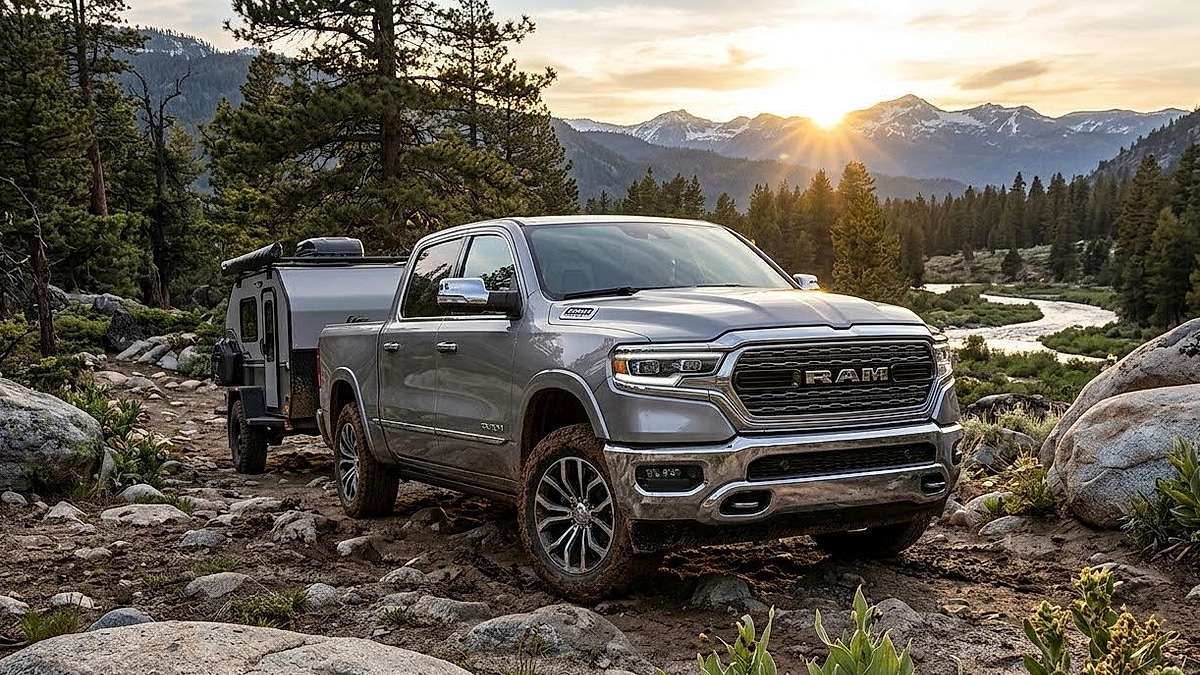

When Hunter Kitchens walked onto a lot this month to scout a 2026 Ram 1500 Laramie, he wasn't looking for a "science project" under the hood; he was looking for a truck that wouldn't become a "hunk of junk" after the warranty expires. After 30 years as a senior reporter covering the truck beat, I can tell you that Hunter’s skepticism is the most significant trend in the 2026 truck market. My investigation reveals that while the 3.0L Hurricane Twin-Turbo I6 offers more torque, the returning 5.7L Hemi V8 remains the only choice for those prioritizing long-term mechanical simplicity and proven Pennsylvania-winter reliability.
Hunter put his dilemma perfectly when he reached out to the Ram 1500 owner Facebook community:
"I'm looking to order a 2026 Ram Laramie or 2026 Limited 1500. I see they have the 3.0L or 5.7 HEMI options for motors. Which is the best? I’ve never owned a Ram but just drove a 26 Longhorn with the 5.7L engine and was impressed. From everyone’s experiences, are these reliable trucks, or are they like everything else out now and just a hunk of junk?"
As I recently analyzed in my report on why the 2026 Ram Hemi return is a win for purists, many buyers are ignoring the "smart" performance choice to grab the legendary 5.7-liter while they still can. The information gain here is clear: the Hurricane delivers speed, but the Hemi delivers "peace of mind." My investigative research into why some owners are starting to regret the trade-off for the new Hurricane tech suggests that these high-pressure turbo systems are significantly more maintenance-heavy than the iron-clad V8s of the past.
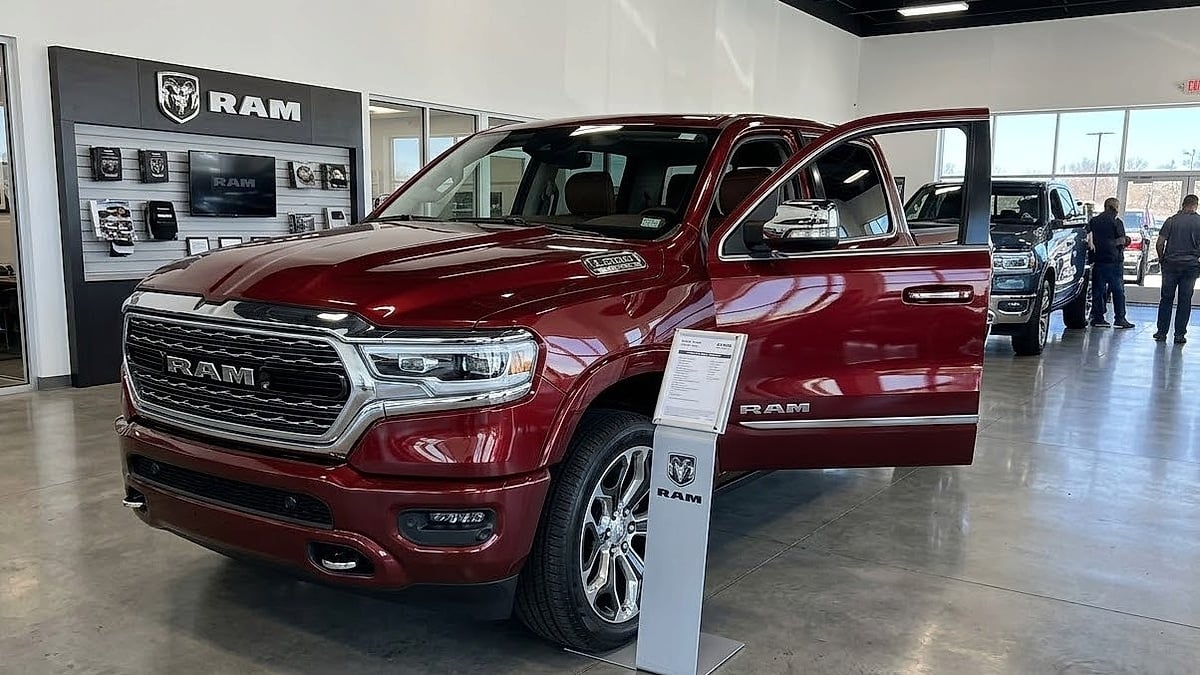
From My View:
Hunter’s question is the $80,000 question of 2026. After driving a 2026 Longhorn with the 5.7L, he was impressed but felt drawn to the newer Hurricane's 420-hp specs. From my perspective, the "hunk of junk" fear comes from the sheer complexity of modern engines. The Hurricane is a marvel, yes, but it uses twin turbochargers and high-pressure direct injection to do what the Hemi does with raw displacement.
In my thirty years of experience, I’ve seen how road salt used on I-81 and I-76 eats through poorly protected cooling lines. The Hurricane’s complex intercooler plumbing is a far cry from the Hemi’s straightforward setup. Furthermore, for my friends in Colorado, the Hemi's eTorque system provides that critical low-end grunt needed when the air gets thin at 10,000 feet.
What You Need To Know
1. The eTorque/ZF 8HP70 Combo: The 2026 Hemi utilizes the eTorque mild-hybrid system paired with the legendary ZF 8-speed transmission, providing smooth torque fill during gear changes.
2. The High-Octane Tax: The Hurricane High Output requires 91+ octane, which can add $15 to $20 per fill-up, depending on PA and CO fuel prices.
3. Towing the Poconos & Rockies: While the Hurricane has more peak torque, the Hemi’s linear power band is more predictable when hauling a trailer up a 6% grade.
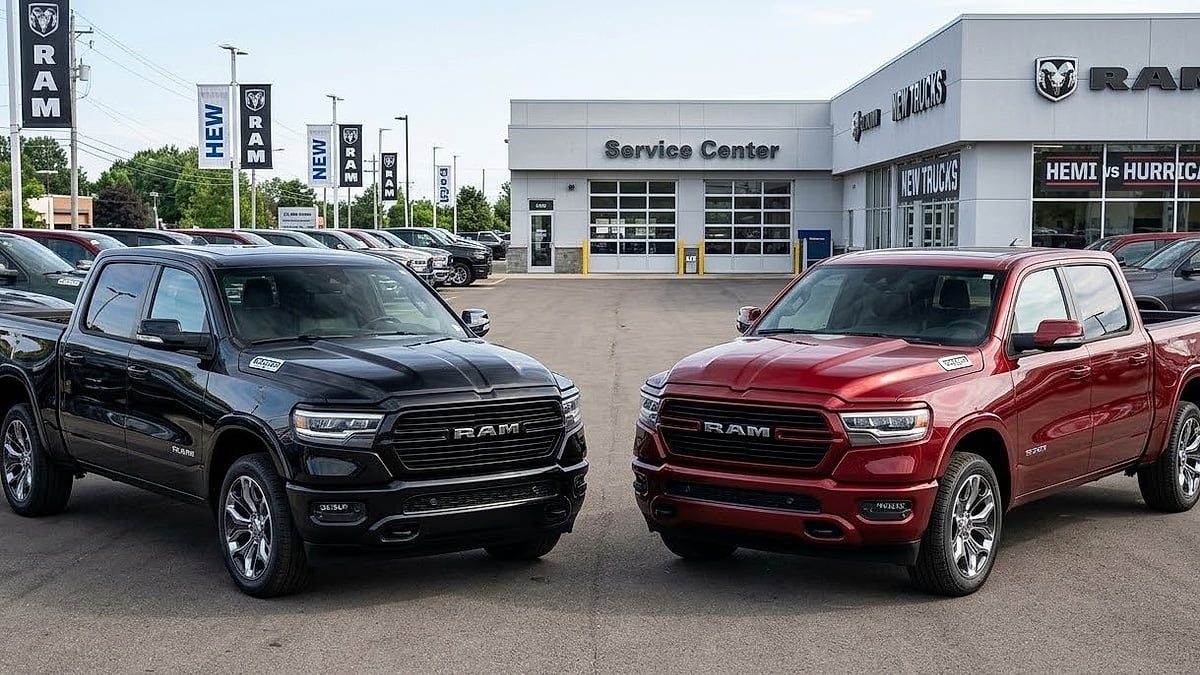
Comparison: The Cost of Ownership (2026 Model Year)
5.7L Hemi V8 (eTorque Mild-Hybrid)
- Fuel Requirement: 89 Octane (Mid-grade).
- Estimated Fuel Cost (5,000 Miles): $945.
- Mechanical Layout: Naturally Aspirated (Simple air intake).
- Complexity Level: Moderate (20 years of proven reliability).
- Ideal Terrain: High-mileage highway cruising and heavy-duty farm work in Pennsylvania.
3.0L Hurricane I6 (Standard Output)
- Fuel Requirement: 91 Octane (Premium Recommended).
- Estimated Fuel Cost (5,000 Miles): $1,120.
- Mechanical Layout: Twin-Turbocharged (Dual high-pressure systems).
- Complexity Level: High (New-generation technology).Ideal Terrain: High-altitude mountain passes in Colorado where turbochargers compensate for thin air.
Who is this for?
The 2026 Hemi is for the buyer who prioritizes "storied durability." Ram brought it back because, as noted by Car and Driver, enough customers lamented the decision to cull the Hemi from the 2025 Ram 1500 that it is returning for 2026, as you can verify in their full testing report here.
How do they differ in reliability?
The Hemi is the "devil we know." We know about the manifold bolts and the occasional lifter tick. The Hurricane is the "uncharted territory." Consumer Reports recently highlighted that the Achilles' heel of the Ram 1500 remains in-car electronics and long-term engine reliability concerns, particularly with newer powertrain rollouts, as detailed in the latest brand analysis.

Field Observations from Owner Communities
I spend hours every week tracking what real owners are saying. In a recent technical discussion on r/ram_trucks, one owner highlighted the potential for long-term headaches, stating, "Until you get a large amount of them with high mileage and out of warranty, there isn't any way to know what the long-term reliability is," which you can read in the full discussion here.
Another owner highlighted the vulnerability of the new design, mentioning, "The hurricane does have a bit more turbo lag than I expected... and I have the 3.92 rear end. So far I get the same, even slightly worse gas mileage than the Hemi," found in this Reddit thread. Based on my 30 years of experience, this aligns with how finicky twin-turbo systems can be, depending on your driving style.
Key Takeaways:
- Complexity is the Enemy of Longevity: The Hurricane engine relies on twin turbochargers spinning at over 100,000 RPM. This creates extreme heat that can bake oil and stress every gasket in the engine bay over time. In contrast, the Hemi's naturally aspirated "pushrod" design has been refined since 2003, making it a masterpiece of mechanical simplicity.
- Maintenance and Repair Reality: For the DIY crowd or those using local mechanics, the Hemi is a dream. Critical components like the oil filter are easily accessible. The Hurricane's twin-turbo setup adds dozens of potential failure points, including wastegates, blow-off valves, and complex plumbing, which often require specialized dealer tools and higher labor rates for service.
- The Premium Fuel "Tax": While the Hurricane advertises better MPG on paper, the High Output version practically demands 91+ octane to hit its performance numbers. Over a 100,000-mile lifespan, this "premium tax" can cost thousands more than the Hemi, which runs happily on 89-octane mid-grade.
- Resale Value and the "Final Run" Factor: Market data suggests that the final production years of the Hemi V8 will likely hold their value significantly better as collector items. Used buyers generally fear the "200k mile" standard on complex turbocharged engines, whereas the Hemi name carries decades of heritage and trust.
- The 10-Year Warranty Shield: For the first time, Ram is offering a 10-year/100,000-mile powertrain limited warranty for 2026 original owners. While this offers immense peace of mind for the Hurricane's "first-year blues," keep in mind it is not transferable to second owners, which could impact your eventual trade-in value.
Never Bet Against A Winner
Hunter’s gut feeling about the 2026 Longhorn 5.7L isn't just nostalgia; it's a preference for a proven tool over a high-performance experiment. If you want the most refined, fastest truck on the market, buy the Hurricane. But if you want to avoid being the "beta tester" for Stellantis' newest architecture, stick with the Hemi V8. My 30 years in this game have taught me one thing: never bet against the engine that has survived two decades of American work.
Join the 5.7L Hemi Vs 3.0L Hurricane Discussion
If you were standing on that lot with $80,000, would you take the "Last Call" Hemi V8 or embrace the Hurricane's power? Let me know your thoughts in the comments below.
About The Author
Denis Flierl is a 14-year Senior Reporter at Torque News and a member of the Rocky Mountain Automotive Press (RMAP) with 30+ years of industry experience. Based in Parker, Colorado, Denis leverages the Rockies' high-altitude terrain as a rigorous testing ground to provide "boots-on-the-ground" analysis for readers across the Rocky Mountain region, California EV corridors, the Northeast, Texas truck markets, and Midwest agricultural zones. A former professional test driver and consultant for Ford, GM, Ram, Toyota, and Tesla, he delivers data-backed insights on reliability and market shifts. Denis cuts through the noise to provide national audiences with the real-world reporting today’s landscape demands. Connect with Denis: Find him on LinkedIn, X @DenisFlierl, @WorldsCoolestRides, Facebook, and Instagram.
Photo credit: Denis Flierl
Set Torque News as Preferred Source on Google
Follow us today...







Comments
Its the Hemi all day long…
Permalink
Its the Hemi all day long for me, but it must be modified. 160 degree thermostat goes in day 1 along with 2" all aluminum radiator in the north. I live in the south and have 2 radiators and just enough room to mount them. Want hurricane power? Take off the stock exhaust manifolds install full length headers with or without cats. Have a dynotune completed. You are at about 450 hp ON 87!! If it runs 170 all day you can easily burn 87 octane AND do 10,000 mile oil changes. Run it 300,000 miles it STILL WONT SMOKE BLACK!! Ask me how I know. Wonderful truck I wouldn't hesitate a second to do another.
ONLY the HO Hurricane engine…
Permalink
ONLY the HO Hurricane engine requires 91 octane. The standard 420hp Hurricane requires 87 octane but the manual says mid-grade is recommend for efficiency and towing. Check your statements before spreading misinformation.