
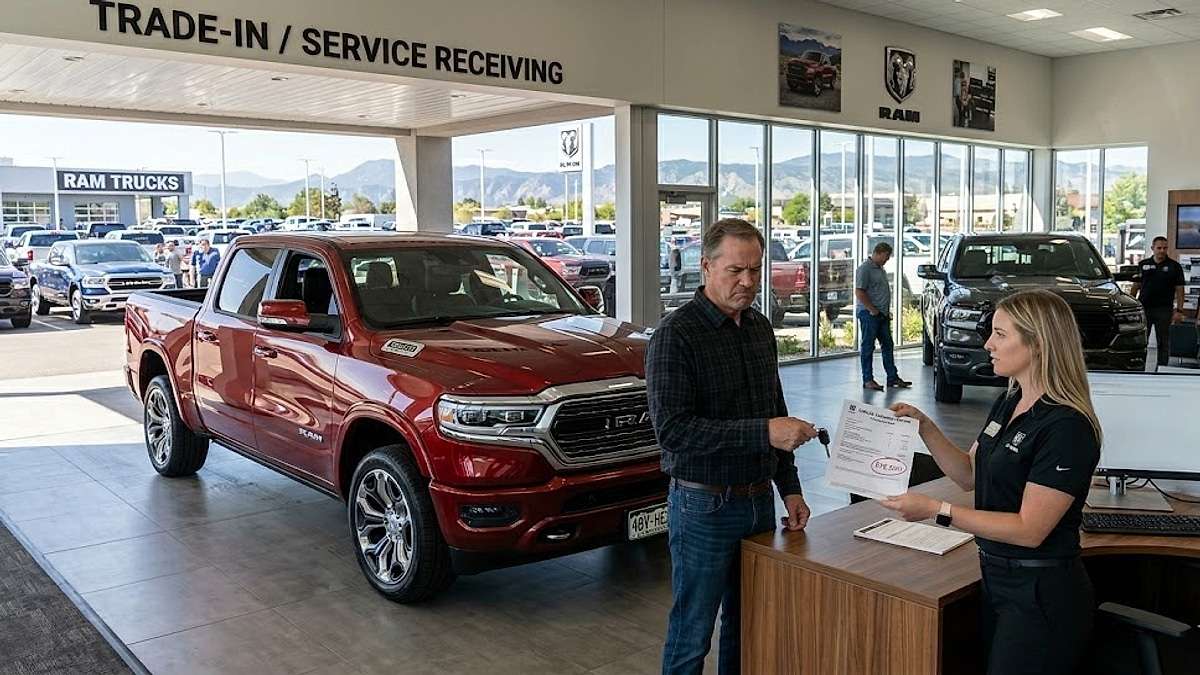

While our sister technical report, “Ram Drops eTorque Mild-Hybrid From 2027 Hemi V8 Fleet To Address 48V Component Failures”, dissects the severe engineering liabilities, thermal stress, and high-voltage circuit overloads plaguing the 48V system, this consumer advocacy report addresses the immediate financial and operational fallout hitting current truck owners.
According to ongoing Torque News tracking of manufacturing updates, powertrain shifts, and real-world consumer experiences by Senior Reporter Denis Flierl, wholesale trade-in data from major remarketing pipelines reveals an immediate $4,200 to $5,800 downward adjustment on 2025 and 2026 Ram 1500 models equipped with the mandatory eTorque system.
This sharp slide directly follows the manufacturer's public pivot back to a simplified, single-battery, non-hybrid 5.7L Hemi V8 configuration in its high-volume light-duty trims. For current owners, the sudden existence of an un-electrified V8 alternative has instantly turned their high-tech mild hybrids into undesirable ticking time bombs on the secondary market.
The Facebook and Reddit Panic: A Manufactured Dilemma
In our ongoing coverage of full-size truck reliability, Senior Reporter Denis Flierl, with 30 years of mechanical expertise, has uncovered an unresolved dispute over the rapid deterioration in owner sentiment across 5th- and 6th-generation Ram Facebook groups and dedicated Reddit boards like r/Ram1500. The digital space is currently defined by widespread panic, best encapsulated by the growing frustration of 2025 and 2026 Ram owners who feel left out in the cold.
Enthusiasts like Yonez Vargas, a prominent voice across owner channels, have openly sounded the alarm on the Ram 1500 Facebook page on the dilemma facing recent buyers. These consumers purchased their trucks under the impression that the complex, dual-voltage eTorque network was an inescapable reality of modern automotive engineering.
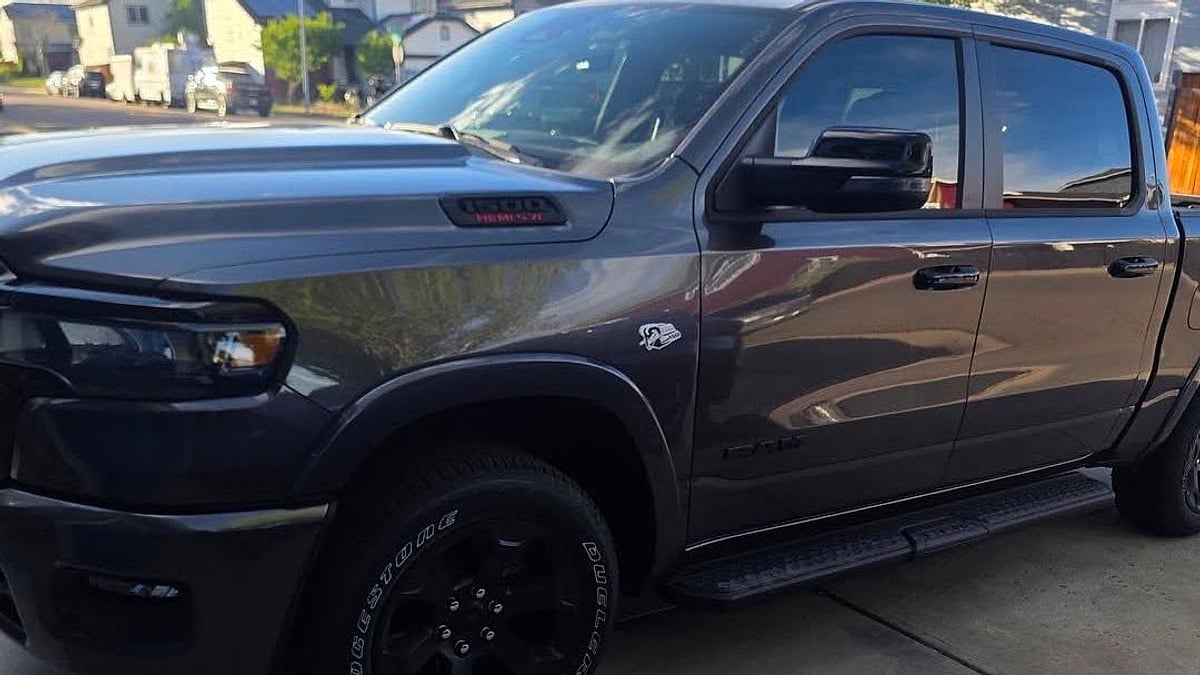
The realization that the manufacturer is now publicly phasing out the system in cheaper, high-volume trims due to consumer pushback and severe profitability constraints has bred immense resentment. As previously documented in my consumer advocacy report, “The Luxury Truck Debt Trap: Deep Dive Into 2026 Ram & Sierra Resale Value Trends”, high-end trims suffer disproportionately when post-warranty component vulnerabilities become public knowledge. Owners are realizing they paid a premium for a highly complex, mandatory hybrid system that the manufacturer itself is actively retreating from. This structural shift leaves early adopters holding the bag for a transitional technology that secondary buyers are already learning to avoid.
The eTorque Malfunction Diagnostic Checklist
Torque News technical analysis by Denis Flierl identifies a critical gap between factory maintenance schedules and real-world component longevity. If your truck is beginning to exhibit signs of electrical or mechanical distress, do not wait for a catastrophic shutdown on the highway. Owners must remain vigilant and use this forensic diagnostic checklist to catch early-stage 48V system degradation before it compromises the conventional 12V electrical grid:
- The Delayed Throttle Hesitation: Pay close attention to the intersection during a stop-start cycle. A delay greater than 1.2 seconds between releasing the brake pedal and engine engagement indicates a slipping or misaligned eTorque serpentine belt, or a lag in the 48V Motor Generator Unit (MGU) torque delivery.
- The Rough Restart Shudder: If the cabin violently shakes upon automatic engine restart, the eTorque system is failing to smoothly crank the engine via the accessory drive belt. This is often an early indicator of failing dampeners or low voltage inside the air-cooled battery pack.
- The 11.7V Death Spiral: Monitor your digital instrument cluster’s voltage display. If the system consistently dips below 12.0 volts during active driving, the 3-kilowatt DC-to-DC converter is failing to step down 48V power to replenish the truck’s conventional 12V battery and power cabin accessories.
- The Transient Screen Blackout: Sudden flickering of the Uconnect infotainment display or localized module shutdowns often point directly to transient voltage spikes pulsing through the central gateway, a direct byproduct of a degrading 48V battery relay assembly.
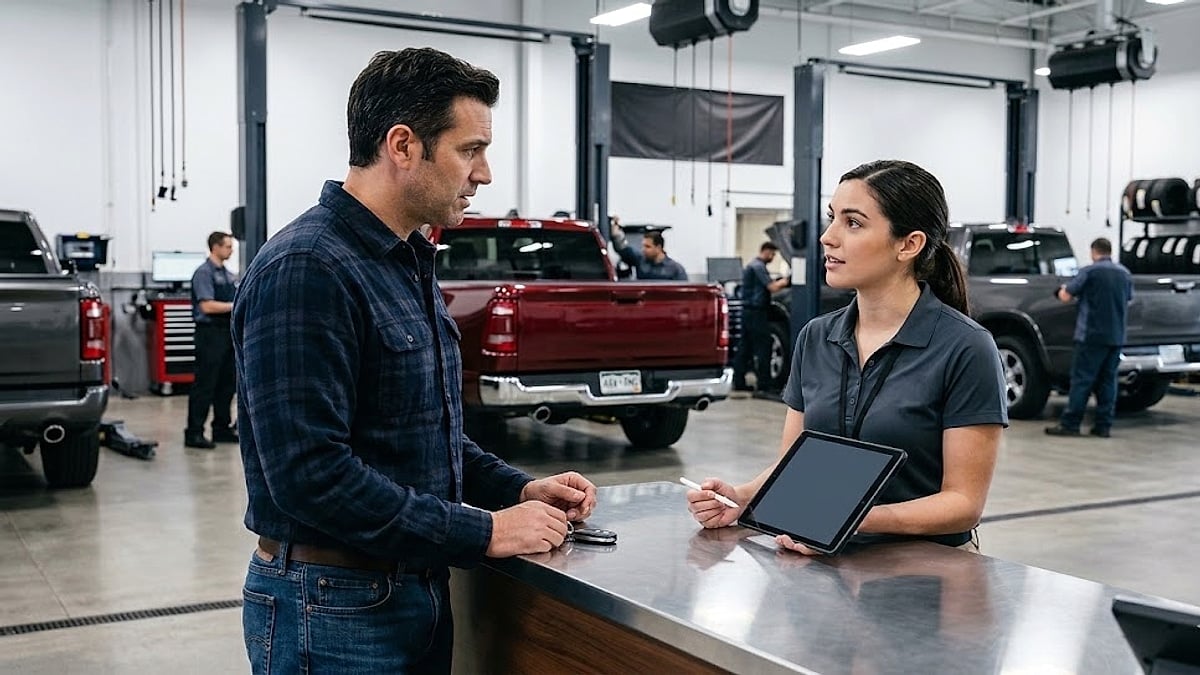
Navigating the Emissions Warranty Loophole vs. Lemon Law
When these components fail out of pocket, the financial burden is staggering. According to ongoing Torque News tracking of manufacturing defects, a replacement MGU and its accompanying 48V lithium-ion battery pack regularly command over $6,500 in combined parts and labor at the dealership level. To protect your investment, owners must understand how the federal 8-year/80,000-mile emissions warranty applies specifically to these hybrid components.
Because the eTorque system directly governs fuel-saving cylinder deactivation and engine stop-start sequences, the 48V MGU, the power electronics module, and the rear-seat-mounted battery pack are legally designated as specified major emissions control components under federal law. Dealership service writers frequently attempt to route these diagnostic fees through the standard 3-year/36,000-mile bumper-to-bumper coverage. Owners must firmly insist on coverage under the federal emissions mandate.
However, if your truck has spent more than 30 cumulative days in the service bay for recurring 48V faults within its first one to two years of ownership, you should bypass standard warranty channels entirely and consult a consumer advocacy attorney to pursue state-level lemon law protections. My investigative reporting on the 2025 Ram 1500 Refresh and its software-driven calibration failures demonstrates that pushing complex electrical architectures to meet rigid standards often forces the consumer into an unfair cycle of chronic dealership service delays.

Regional Climate Impacts: The Colorado Altitude and Cold Factor
Leveraging Denis Flierl’s regional expertise in the Rocky Mountain corridor, proprietary field data reveal that eTorque components experience significantly higher failure rates in high-altitude, extreme-temperature environments such as Colorado. The combination of steep mountain climbs, which force high-amperage regenerative braking loads into the 48V battery pack, and intense winter ambient temperatures routinely causes thermal shock to the system’s dual cooling fans.
The air-cooled battery pack, positioned tightly behind the rear passenger seat, struggles to maintain thermal equilibrium when cabin temperatures fluctuate wildly during sub-zero Colorado cold starts. This regional stress accelerates the premature deterioration of the internal lithium-ion cells, causing localized battery module failures long before the national average mileage metrics predict.
The Next Question: Will Aftermarket Support Exist?
The next burning question facing every vulnerable owner is a logical one: Will independent aftermarket manufacturers step up to support the eTorque infrastructure once factory warranties expire?
The harsh reality of automotive economics suggests the answer is a resounding no. Because Ram is actively reducing the eTorque fleet footprint in favor of non-hybrid Hemis and the twin-turbo Hurricane inline-six engines, the total addressable market for these specific 48V components is shrinking. Independent giants like Dorman or Cardone are highly unlikely to invest millions in reverse-engineering highly complex, low-volume 48V power electronics or lithium battery cells. Owners will be left permanently dependent on expensive, original equipment manufacturer (OEM) dealership parts counters, further accelerating the asset's depreciation curve as these trucks cross the 100,000-mile threshold.
Protecting Your Truck Investment Moving Forward
Navigating the shifting tides of full-size truck ownership in 2026 requires looking beyond initial vehicle features and looking straight at long-term mechanical survival. As Stellantis alters its powertrain strategy to protect its bottom line, owners of electrified Ram models must adopt a proactive, defensive approach to vehicle maintenance and financial positioning. By aggressively holding dealerships accountable for compliance with federal emissions warranty guidelines and monitoring the truck's dual-voltage network via onboard telemetry, you can mitigate the worst of the impending operational and financial risks.
For more context on the mechanical root causes and cost calculations that triggered this market shift, read this comprehensive breakdown of modern pickup reliability trends and long-term truck cost analysis.
Tell Us What You Think
Are you currently noticing rough engine restarts or voltage drops in your 2025 or 2026 mild-hybrid truck, and has your local dealership tried to downplay the issue? Tell us what you think by leaving a detailed comment in the red Add new comment link below.
About The Author
Denis Flierl is a 14-year Senior Reporter at Torque News and a member of the Rocky Mountain Automotive Press (RMAP) with 30+ years of industry experience. Explore his full investigative reporting archives and technical guides at DenisFlierl.com. Based in Parker, Colorado, Denis leverages the Rockies' high-altitude terrain as a rigorous testing ground to provide "boots-on-the-ground" analysis for readers across the Rocky Mountain region, California EV corridors, the Northeast, Texas truck markets, and Midwest agricultural zones. A former professional test driver and consultant for Ford, GM, Ram, Toyota, and Tesla, he delivers data-backed insights on reliability and market shifts. Denis cuts through the noise to provide national audiences with the real-world reporting today’s landscape demands. Connect with Denis: Find him on LinkedIn, X @DenisFlierl, @WorldsCoolestRides, Facebook, and Instagram.
Photo credit: Denis Flierl
Set Torque News as Preferred Source on Google
Follow us today...



Comments
As should have happened…
Permalink
As should have happened years ago. I told you so...