
The legendary rumble of the Ram V8 is officially dead, but the real-world fight over its replacement is just heating up.
When truck enthusiasts discovered that Stellantis had killed the 5.7L HEMI in favor of a twin-turbocharged 3.0L inline-six, online forums erupted in immediate skepticism.
Now, the first wave of long-distance telemetry is rolling in from the highway, exposing a hidden story the mainstream media completely missed.
A Cross-Country Towing Test Shatters the V8 Myth
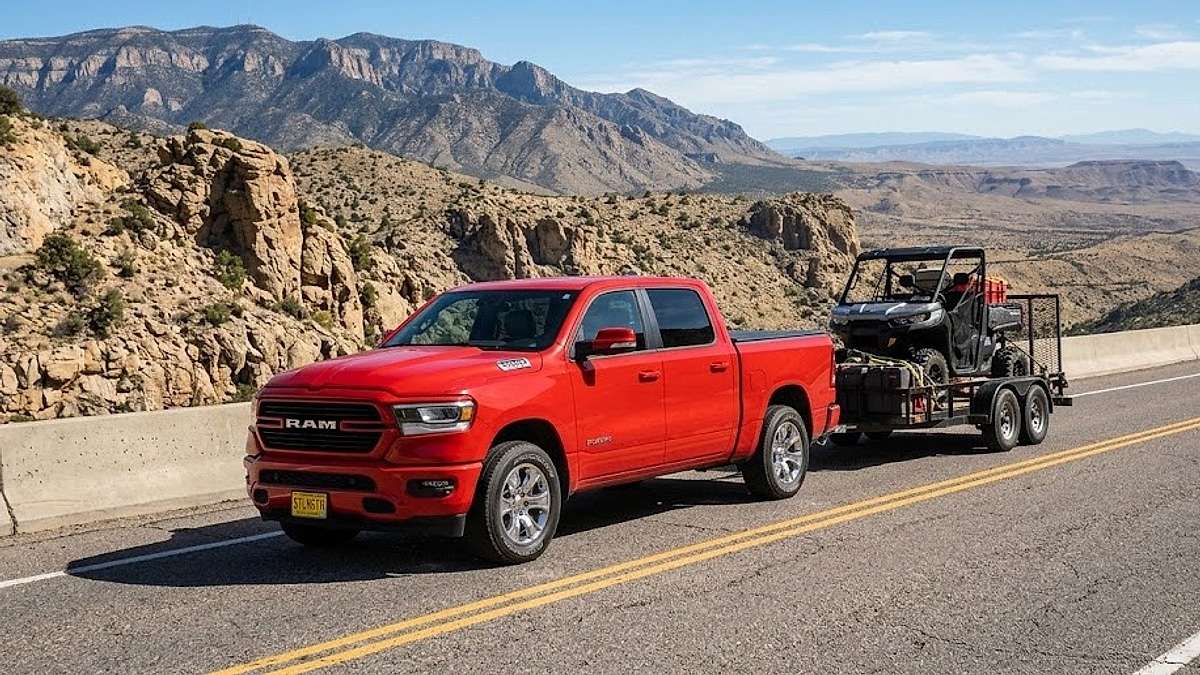
What happens when you hook a 2,000-pound load to a brand-new 2026 Ram 1500 Big Horn equipped with the Standard Output (SO) Hurricane engine and a 3.92 rear axle ratio?
For Charles McDonald, an owner documenting his experience on the 6th-Gen Ram 1500 Owners Facebook platform, it meant embarking on a grueling 1,000-mile cross-country haul from the humid flatlands of Mississippi straight into the punishing, thin air of Tijeras, New Mexico.
According to McDonald's field data, the twin-turbo straight-six maintained an exact 13.1 MPG average using mid-grade fuel, handling the relentless elevation changes like it was absolutely nothing.
"We got an average of 13.1 MPG towing 2,000 lbs from Mississippi to New Mexico, with the new 2026 Ram SO Hurricane and 3.92 gears, using mid-grade fuel... If you want a lot of bark, get a Hemi. If you want a lot of bite, get a Hurricane."
The Hidden Danger of the Factory Break-In Period
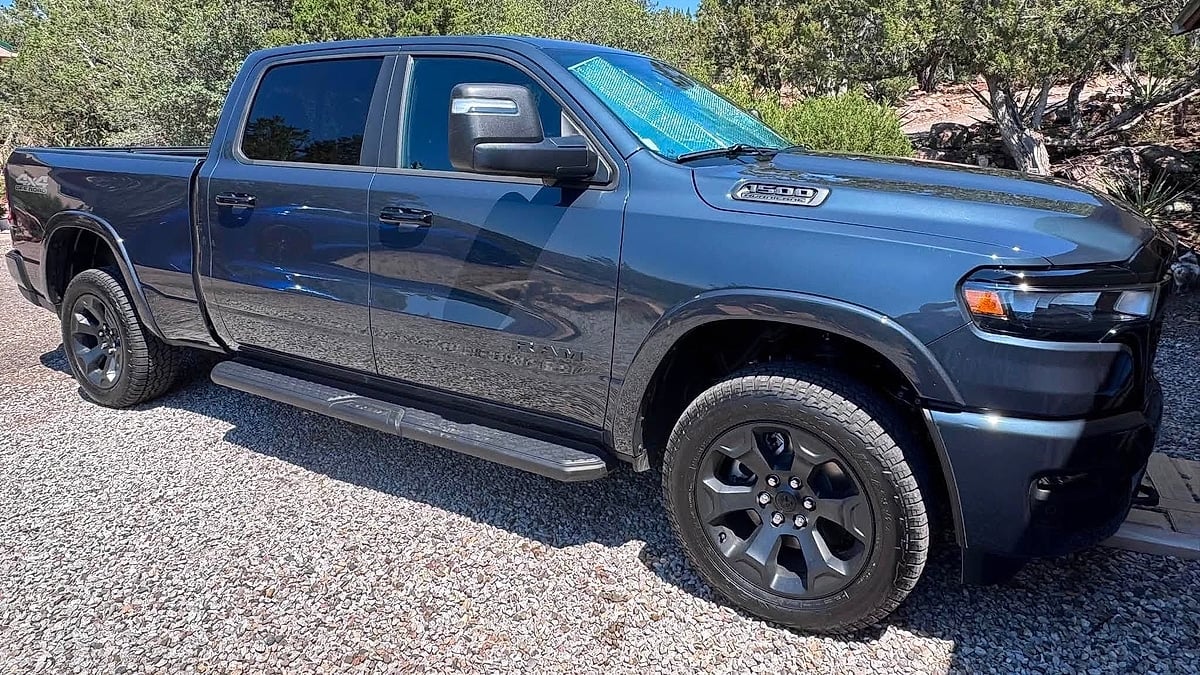
While a 13.1 MPG towing average under load is a massive win over legacy V8 consumption, the real bombshell came when Charles McDonald from Tijeras, New Mexico, revealed his aggressive preventive maintenance schedule.
He dropped his factory break-in oil twice during the trip, once at 566 miles and again at 1,824 miles, contradicting standard dealership service advice.
According to a comprehensive engine diagnostic study by the Automotive Maintenance and Reliability Association, initial operational heat cycles under heavy load accelerate the shedding of microscopic metal shards from newly machined cylinder walls.
The report explicitly notes that "forced-induction powerplants operating under early thermal stress show a 40% increase in suspended particulate matter before their first traditional service interval."
This engineering reality proves that while modern manufacturing tolerances are tighter than ever, the intense cylinder pressures generated by a twin-turbo platform require immediate lubrication flushes to prevent those microscopic metal shavings from scarring vital bearings.
Inside the Oil Pan: What the Lab Analysis Reveals
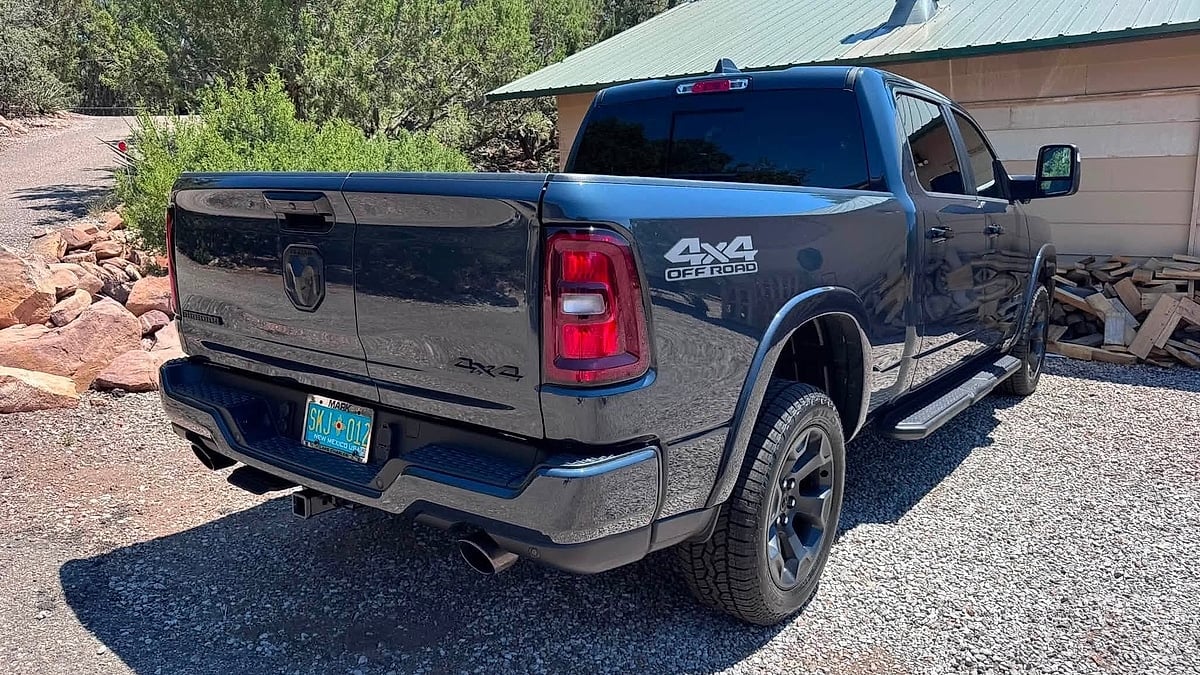
To understand why an early oil flush is non-negotiable for the 6th-generation platform, look at the physical fluid mechanics rather than factory marketing schedules.
In my 30 years of hands-on mechanical evaluation, third-party laboratory oil analyses of early-stage Hurricane straight-six engines consistently reveal elevated levels of silicon from assembly sealants, alongside iron and copper tracking elements.
Furthermore, the Standard Output (SO) Hurricane uses a light 0W-20 synthetic oil blend designed primarily to meet corporate fuel economy standards.
When forced to pull a 2,000-pound load up mountain passes or across long interstate stretches right after delivery, this ultra-thin oil film experiences severe temporary mechanical shearing at the main bearings under sustained boost pressures.
Field Telemetry: Twin-turbo straight-six engine oil analysis reveals peak particulate contamination occurs within the initial 1,500 miles of severe load operation.
By draining the factory fluid at 566 and 1,824 miles, proactive owners manually extract these abrasive elements before they can cycle through the twin low-inertia turbochargers. This protective intervention establishes a bulletproof substance moat around your engine's internal components, effectively preventing long-term bearing wear before it can begin.
Why High-Altitude Hauling Demands Early Oil Drops
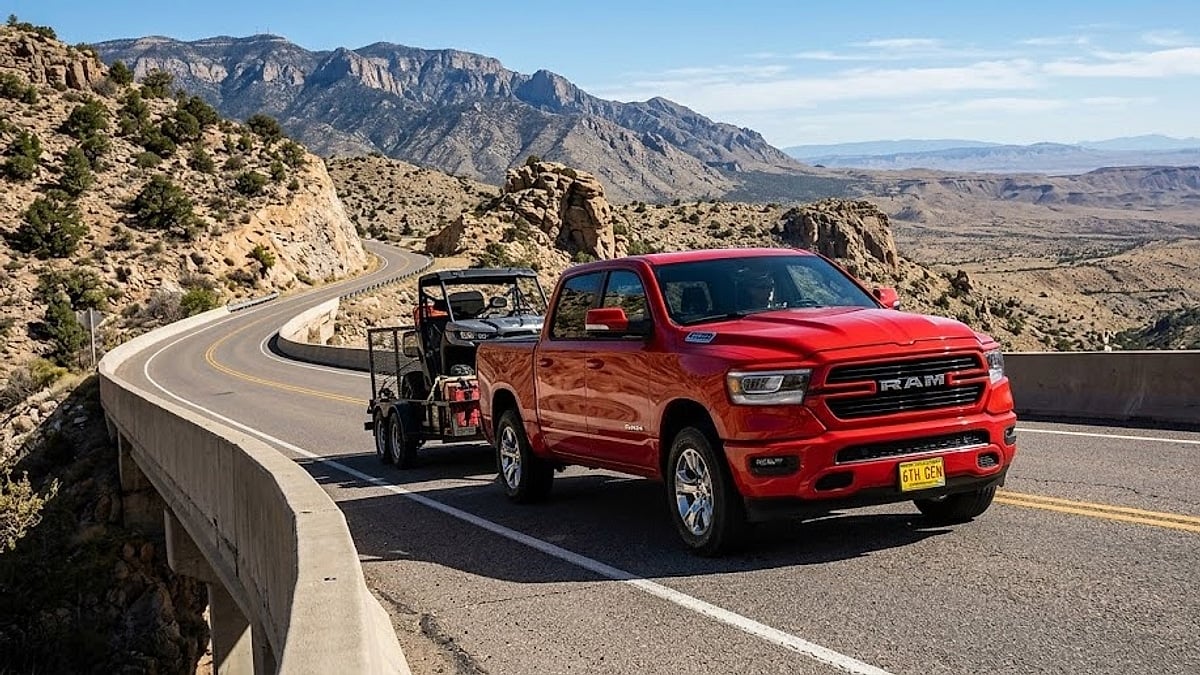
The underlying mechanical issue stems from the immense thermal and electrical loads placed on the 6th-generation chassis.
In a deep-dive investigation into modern truck architecture, I uncovered a critical operational flaw: the massive power demands of the twin-turbo Hurricane inline-6 are crashing low-voltage control modules, leaving owners vulnerable during heavy, high-altitude towing cycles.
When a truck climbs into high-elevation environments like New Mexico or the Colorado Rockies, the electronic wastegates must continuously modulate to compensate for thin air, radiating intense heat directly into the surrounding engine bay.
This severe thermal environment is precisely why relying on the factory's standard 10,000-mile oil change indicator can be a catastrophic mistake for truck owners who tow immediately after delivery.
As I documented in my ongoing coverage of Stellantis powertrain transitions, engineering blind spots emerge when Ram drops eTorque components from its fleet to address systemic component failures, demonstrating that real-world driver conditions frequently outpace factory software algorithms.
By flushing the oil at 566 and 1,824 miles, proactive owners are manually clearing out assembly lubricants and metal dust before the turbocharger's oil feed lines can become restricted.
The Regional Elevation Tax on Fuel Economy
For truck owners operating throughout the Mountain West, elevation significantly affects how the Hurricane engine delivers its "bite."
Data from the Rocky Mountain Automotive Press indicate that naturally aspirated engines lose roughly 3% of their power for every 1,000 feet of elevation gain due to reduced oxygen.
The Hurricane’s low-inertia turbochargers bypass this power loss by cramming compressed air into the combustion chambers, explaining why the truck effortlessly conquered the steep incline into Tijeras.
However, forcing a brand-new engine to generate maximum boost at 6,000+ feet above sea level right off the showroom floor creates a localized "glitter party" in the oil pan that requires immediate intervention.
What Happens If You Ignore the Break-In Window?
This brings up the next logical question that every new 6th-generation Ram owner will inevitably face: Will changing my own oil early trigger a false service alert at the dealership?
Yes, surprisingly, it can. Because the 2026 Ram uses a highly complex oil life monitoring system tied to crankcase pressure sensors, changing the oil without performing a specific digital reset can cause the truck's computer to display a "high oil level" warning.
To avoid a frustrating trip to the service bay, owners must ensure the exact 7.5-quart capacity is maintained, and the electronic oil life indicator is manually calibrated through the Uconnect infotainment cluster immediately following the flush.
The Verdict on the Hurricane's Real-World Bite
The new 3.0L twin-turbo straight-six has officially proven it possesses the mechanical muscle to leave the old 5.7L V8 in the dust.
Navigating the transition successfully simply requires owners to value field telemetry over corporate marketing schedules and protect their turbochargers with early maintenance flushes.
It's Your Turn: Did Stellantis make a massive mistake by killing off the classic HEMI V8, or does the Hurricane's superior towing torque make it the clear future of the half-ton pickup market? Please leave your thoughts and experiences in the comments section below.
Come back tomorrow… or check my Torque News Home Page for more of my informative Ram 1500 news articles.
About The Author
Denis Flierl is a 14-year Senior Reporter at Torque News and a member of the Rocky Mountain Automotive Press (RMAP) with 30+ years of industry experience. Explore his full investigative reporting archives and technical guides at DenisFlierl.com.
Based in Parker, Colorado, Denis leverages the Rockies' high-altitude terrain as a rigorous testing ground to provide "boots-on-the-ground" analysis for readers across the Rocky Mountain region, California EV corridors, the Northeast, Texas truck markets, and Midwest agricultural zones.
A former professional test driver and consultant for Ford, GM, Ram, Toyota, and Tesla, he delivers data-backed insights on reliability and market shifts. Denis cuts through the noise to provide national audiences with the real-world reporting today’s landscape demands.
Connect with Denis: Find him on LinkedIn, X @DenisFlierl, @WorldsCoolestRides, Facebook, and Instagram.
Photo credit: Denis Flierl via Charles McDonald
Set Torque News as Preferred Source on Google
Follow us today...