
The Wave Is Waving Goodbye
Giving up a piece of your soul hurts. For a true off-road purist, parting with a custom 4x4 rig is practically a form of mourning.
But when manufacturing compromises catch up to iconic status, even the most legendary enthusiast groups start to fracture.
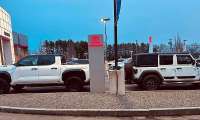
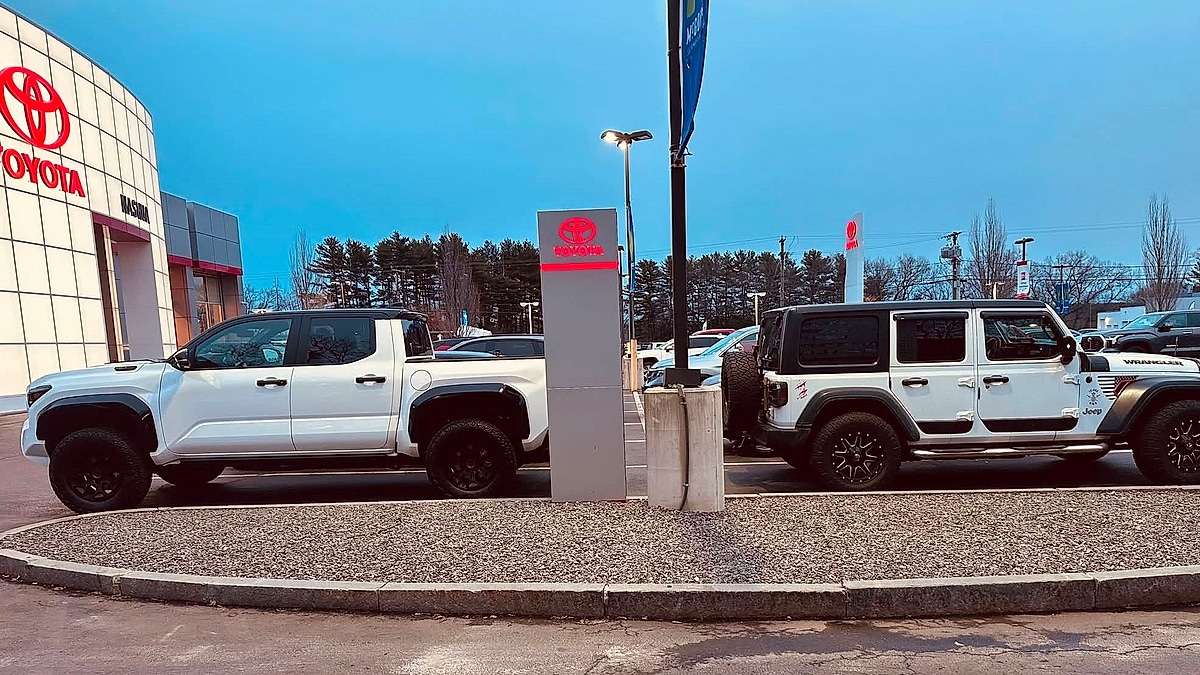
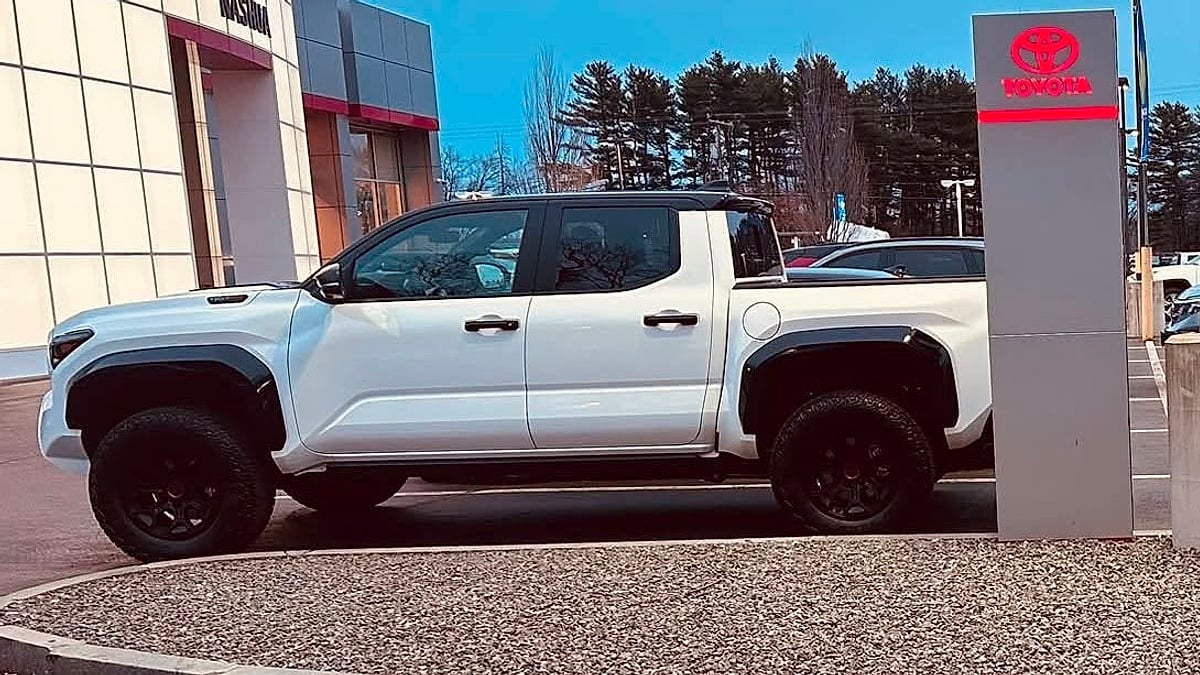
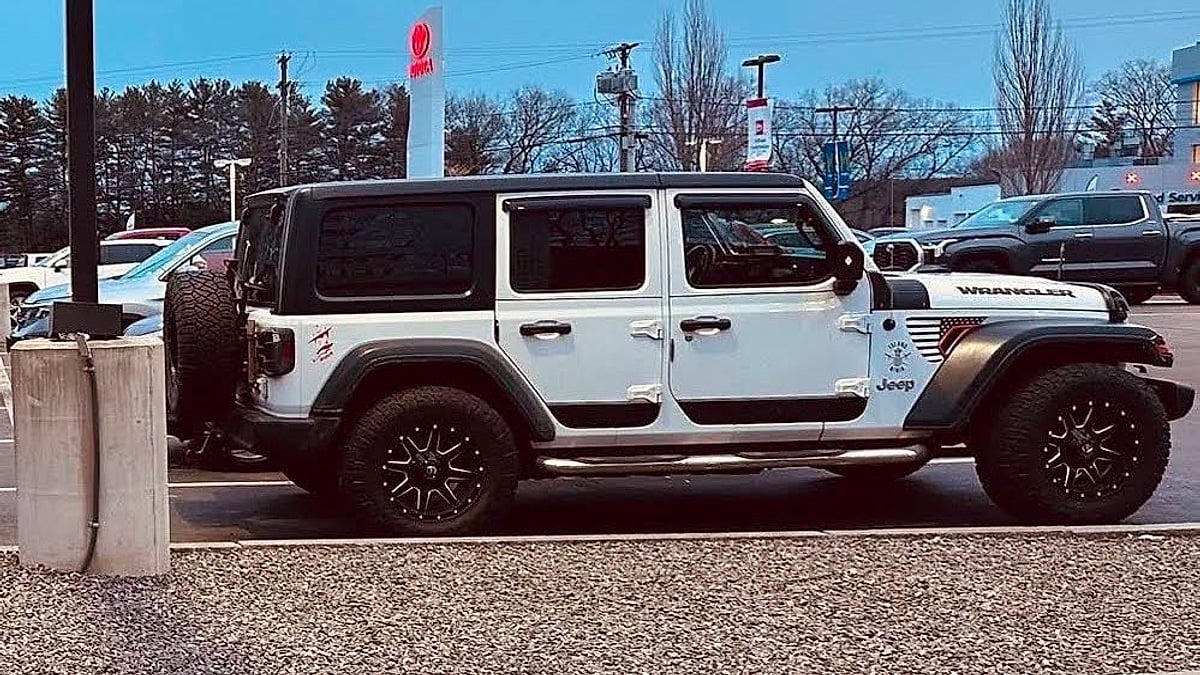
Passang Nima from Manchester, New Hampshire, a lifelong brand loyalist, recently shocked the 4th Generation Toyota Tacoma Owners Group Facebook page with a stunning announcement. He traded his beloved Jeep Wrangler for a top-tier 2026 Toyota Tacoma TRD Pro, leaving behind years of personal automotive history.
"I traded my Jeep for a new Tacoma TRD Pro and absolutely love it, but I still catch myself wanting to wave whenever a Wrangler passes by," Nima shared in his post. "Owning a Jeep and getting that unique wave made you feel like you were part of an elite community, so I guess I’ll always have a little Jeep spirit in me, but it might be time for Tacoma owners to start their own wave!"
When Heritage Clashes With The Service Drive
This shift represents something much larger than a single buyer crossing corporate lines in New Hampshire. It highlights an underground migration where hardcore off-roaders are prioritizing structural engineering over emotional heritage.
While Stellantis relies heavily on the nostalgic appeal of its open-air trail icons, buyers are facing harsh realities at the dealership level.
A major factor driving this platform defection is a recent massive consumer alert issued by the National Highway Traffic Safety Administration (NHTSA), which outlines an urgent "park outside" warning covering more than 1 million 2021-2025 Jeep Wrangler and Gladiator vehicles due to an immediate fire risk in the electric hydraulic power steering pump wiring (NHTSA Safety Recall 26V363).
According to formal technical documents submitted to federal safety regulators, these high-resistance electrical connections can overheat and combust even when the ignition is completely turned off.
Class Action Lawsuits
This safety crisis is compounding long-term frustration surrounding standard solid-axle highway mannerisms.
Data compiled by consumer protection legal teams at Lemberg Law confirms that countless owners are lodging formal complaints about extreme steering drift, stating that at higher speeds it is difficult to keep the Wrangler straight and that the driver must continually correct the steering (Lemberg Law Steering Integrity Report).
When field technicians routinely dismiss these wandering traits as an inherent "Jeep characteristic," buyers quickly run out of patience.
Tracking The High-Altitude Tolerance Shift
As a long-term automotive analyst, I have carefully tracked how this manufacturing divide behaves under real-world pressure.
In my investigative report on the Toyota Tacoma driveline deficiencies, I analyzed how early structural imbalances inside modern high-stress drivetrains can trigger unexpected dealer triage protocols.
Yet, despite these early platform growing pains, the fundamental manufacturing architecture of the midsize Japanese market continues to pull premium market share away from domestic competition.
The stark reality of modern vehicle ownership is that brand equity cannot cushion you against routine component downtime.
I exposed this exact structural tension in my deep dive, which details how modern digital inspection loopholes threaten factory warranty protections across specialized truck communities (Toyota Tacoma Service Integrity Deep Dive).
When flat-rate automotive technicians are incentivized to prioritize speed over diagnostic precision, consumer confidence shifts toward brands that deliver greater durability of factory-sealed components out of the box.
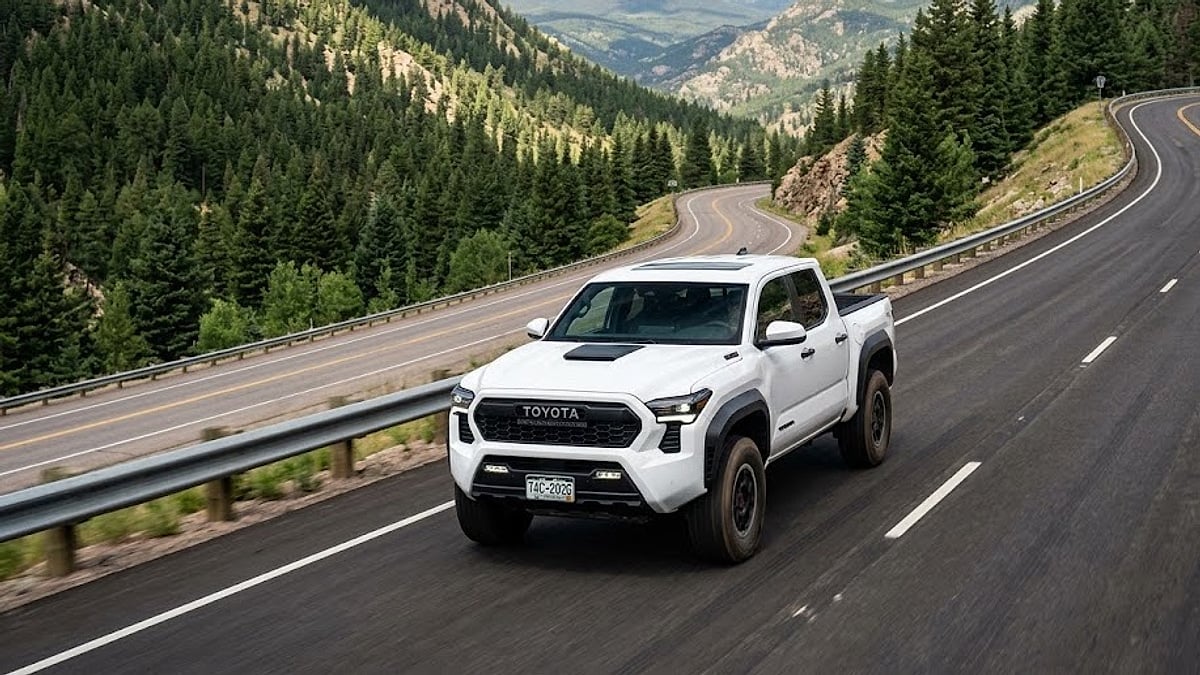
This reliability gap becomes particularly pronounced in extreme operational environments such as the Rocky Mountains. Up here in Colorado, high-altitude highway passes like Floyd Hill act as brutal, unyielding test labs for midsize platforms.
The relentless thermal loads generated by climbing steep mountain grades at 11,000 feet accelerate fluid degradation and stress vehicle frames to their absolute limits.
While a traditional body-on-frame platform with primitive solid-axle suspension struggles with lateral cab hop on uneven mountain curves, the 2026 Tacoma’s TNGA-F global truck platform architecture provides vastly superior highway compliance.
The Uncovered Truth Behind The Midsize Migration
The mainstream automotive media typically frames this matchup as a simple lifestyle choice between open-top trail riding and utility bed convenience. The hidden reality that automotive writers miss, however, is the hidden cost of cabin fatigue during daily operation.
A truck owner might tolerate crude tracking behavior and wind noise for a short weekend trail loop in the backcountry. But when that same vehicle serves as a daily commuter along demanding high-speed corridors, a loud, unrefined cabin quickly transitions from a quirky character trait into an exhausting daily chore.
According to the comprehensive 2026 J.D. Power Vehicle Dependability Study, long-term premium-quality rankings consistently reflect this widening operational divide among top manufacturers.
While domestic brands scramble to launch sweeping safety campaigns for multi-million-vehicle fleets, Toyota secured the top position in the latest annual Supplier Working Relations Index (WRI), achieving an impressive score of 409 points (Plante Moran Supplier Index Report).
This hidden operational metric proves that component suppliers are collaborating more effectively with factory assembly lines to isolate tolerances before vehicles ever reach a consumer's driveway.
The 2026 Tacoma TRD Pro capitalizes on this manufacturing precision by delivering a highly focused independent front suspension system (Toyota of Jackson's Vehicle Comparison Tool). By utilizing advanced multi-link rear suspension dynamics coupled with premium internal bypass shocks, it entirely eliminates the traditional rigid-axle harshness that plagues classic utility builds.
This enables the truck to offer stable tracking and confident steering feedback, providing a vastly superior daily driving experience that directly addresses the mechanical compromises of its competition.
Next Question: Does The Tacoma’s 2.4L Turbo Face Long-Term Risk?
The most critical follow-up question for buyers abandoning traditional naturally aspirated layouts is whether downsized forced-induction engines can truly match the longevity of old-school layouts.
Can a complex inline-four cylinder handle a lifetime of heavy trail towing and steep mountain climbs without dropping an internal oil pump or a cooling circuit?
While the 2026 Tacoma’s 2.4-liter i-Force Max turbocharged powertrain delivers immediate, snappy low-end torque, its long-term durability relies on rigid thermal management and strict adherence to severe-weather fluid service intervals.
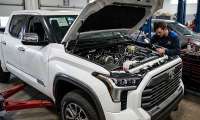
Early dealership data logs reveal that these complex, small-displacement turbo systems operate at much higher temperatures than previous-generation powertrains, meaning owners must actively audit their service advisors to ensure critical cooling lines and high-frequency actuators are meticulously checked during routine maintenance visits.
Failing to track these critical micro-components can land an owner in expensive out-of-warranty situations that wipe out the initial benefits of changing vehicle platforms.
The New Off-Road Reality
Hardcore brand culture is a powerful force, but it eventually bows to the practical necessity of everyday build quality. When legendary trail communities can no longer offset severe safety recalls and exhausting highway manners, the smart money migrates toward platforms engineered for modern road realities.
Tell Us What You Think: Is giving up a legendary automotive community worth the trade-off for better mechanical reliability? How about you? Would you trade your custom rig for a factory-backed premium midsize platform? Let us know your perspective by leaving a comment in the red “Add new comment” link below!
Come back tomorrow… or check my Torque News Home Page for more of my informative Toyota Tacoma news articles.
About The Author
Denis Flierl is a 14-year Senior Reporter at Torque News and a member of the Rocky Mountain Automotive Press (RMAP) with 30+ years of industry experience. Explore his full investigative reporting archives and technical guides at DenisFlierl.com.
Based in Parker, Colorado, Denis leverages the Rockies' high-altitude terrain as a rigorous testing ground to provide "boots-on-the-ground" analysis for readers across the Rocky Mountain region, California EV corridors, the Northeast, Texas truck markets, and Midwest agricultural zones.
A former professional test driver and consultant for Ford, GM, Ram, Toyota, and Tesla, he delivers data-backed insights on reliability and market shifts. Denis cuts through the noise to provide national audiences with the real-world reporting today’s landscape demands.
Connect with Denis: Find him on LinkedIn, X @DenisFlierl, @WorldsCoolestRides, Facebook, and Instagram.
Photo credit: Denis Flierl via Passang Nima
Set Torque News as Preferred Source on Google
Follow us today...