
Brand loyalty is incredibly hard to build but remarkably easy to destroy.
For decades, truck buyers bought a Toyota because they believed it would outlast their mortgage.
Today, that unshakeable reputation is facing a massive structural fracture.
When a truck owner walks away from the brand after just twenty-four months, it isn't an impulsive tantrum. It is a calculated retreat from a platform that many feel was rushed to market before the engineering was fully cooked.
The Heartbreaking Choice of a Defected Lifelong Fan
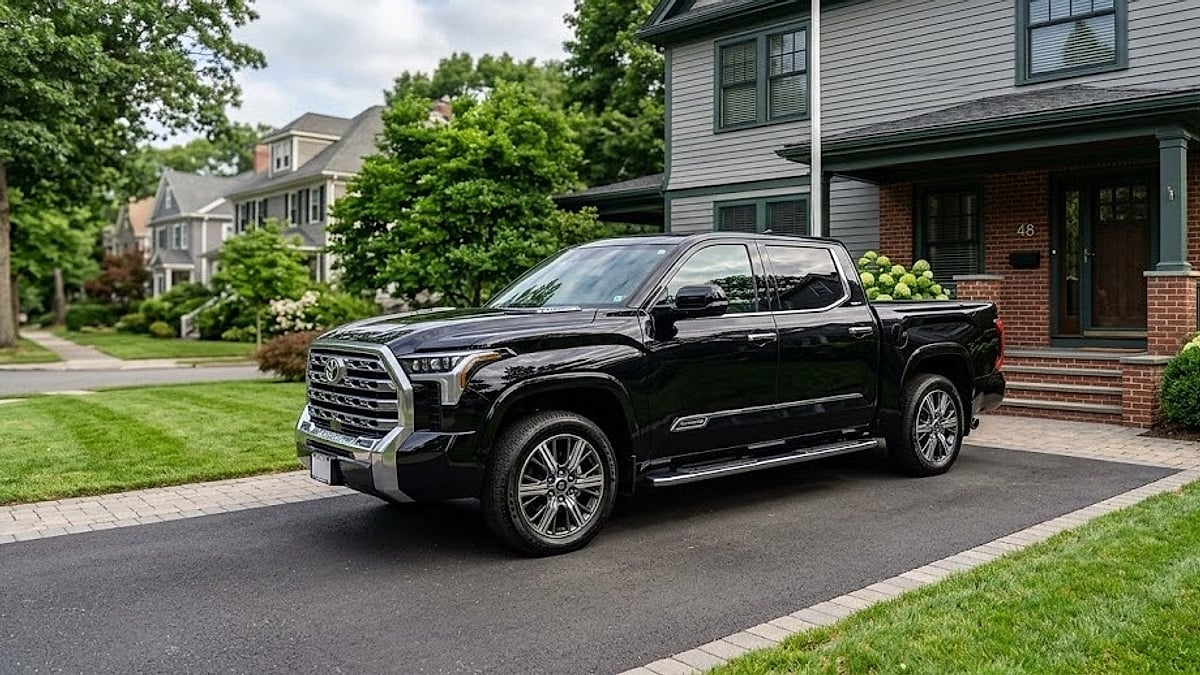
Take the case of Nick Fantasia, a dedicated truck owner from Boston, Massachusetts. He recently took to the Ford F-150 Owners Facebook group to announce he is actively looking to swap his 2024 Toyota Tundra TRD Sport for a 2026 Ford F-150 Tremor 3.5L EcoBoost with the high-end 401a package.
His reasoning cuts straight to the core of modern consumer anxiety, highlighting a perfect storm of severe mechanical recalls and rapid cabin wear.
Fantasia shared online. “I’m thinking about replacing my 2024 Toyota Tundra TRD Sport with a 2026 Ford Tremor 3.5L with the 401a package. I’m getting rid of the Toyota because of all the engine recalls and the overall quality of the interior. Things are already falling apart after 2 years; definitely not the same quality as the past versions. Do I need to be concerned with any issues with these Tremors? How’s the interior of your trucks holding up? I want this to be a 20-year truck and hand it off to my son. I know maintenance and attention will be needed, but I want something reliable and sturdy.”
The Ghost in the Assembly Line
What the mainstream automotive media fails to report is the deep psychological toll these continuous recall expansions are taking on everyday owners.
Buyers are no longer just dealing with an inconvenient trip to the local service bay; they are driving vehicles they simply no longer trust.
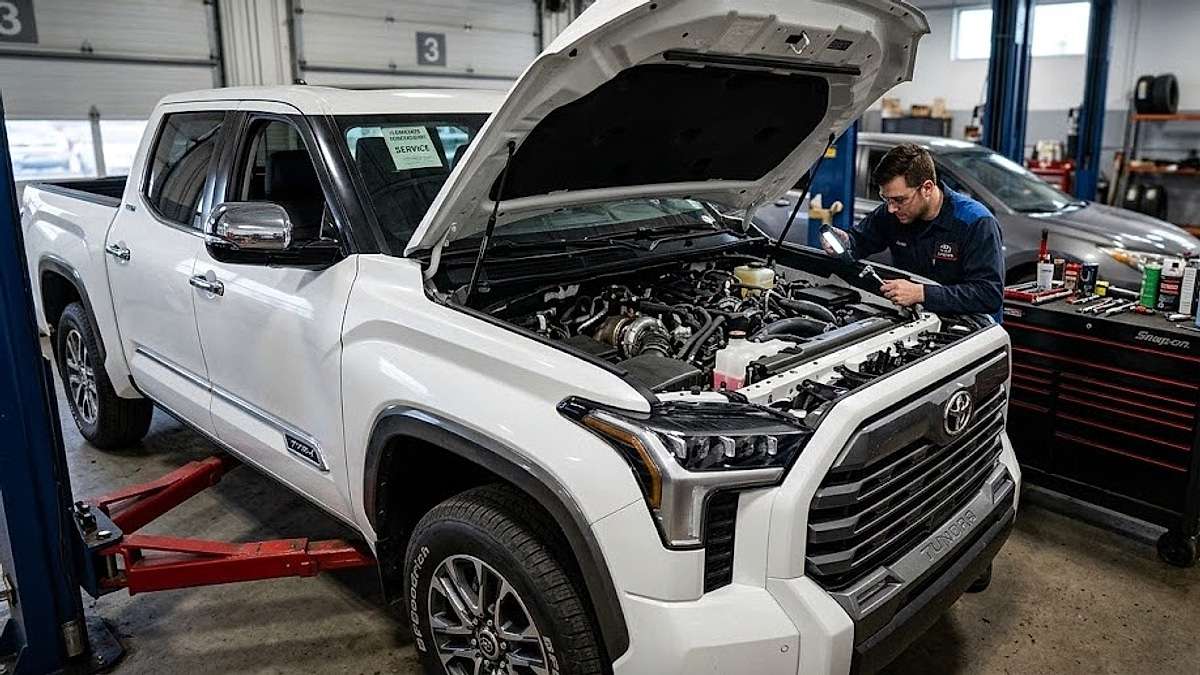
According to an official regulatory filing tracked by federal investigators at the NHTSA Safety Recall Report 26V320, engineers explicitly detailed how “if the aforementioned machining debris adheres to that bearing and operation of the engine continues at higher loads over time, failure of the bearing may occur.”
This direct admission from the manufacturer validates the growing fear that these highly pressurized, downsized V6 powertrains are ticking time bombs under heavy utility cycles.
As independent reporting over at Pickup Truck + SUV Talk confirms, Toyota spent months conducting destructive laboratory teardowns before finally pinpointing the persistent contamination pattern that was troubling the #1 main bearing.
This means that even after the factory claimed its cleaning processes were fixed, microscopic metallic fragments were still making it past quality control.
Thin Oil and Failing Faith on Steep Mountain Passes
The technical reality of this engine crisis gets significantly worse when you subject these trucks to real-world stress.
In my three decades of automotive evaluation, I have consistently warned that ultra-thin factory oil specifications are leaving critical moving components vulnerable under high thermal loads.
As I analyzed in my recent investigative report on the Chevy Silverado Ultra-Thin Oil Dilemma, a critical gap exists between standard factory maintenance intervals and the physical limits of modern full-size truck engines. When a driver attempts to lug heavy cargo up extreme grades, the factory-recommended 0W-20 lubricant can shear to a watery consistency, increasing internal friction.
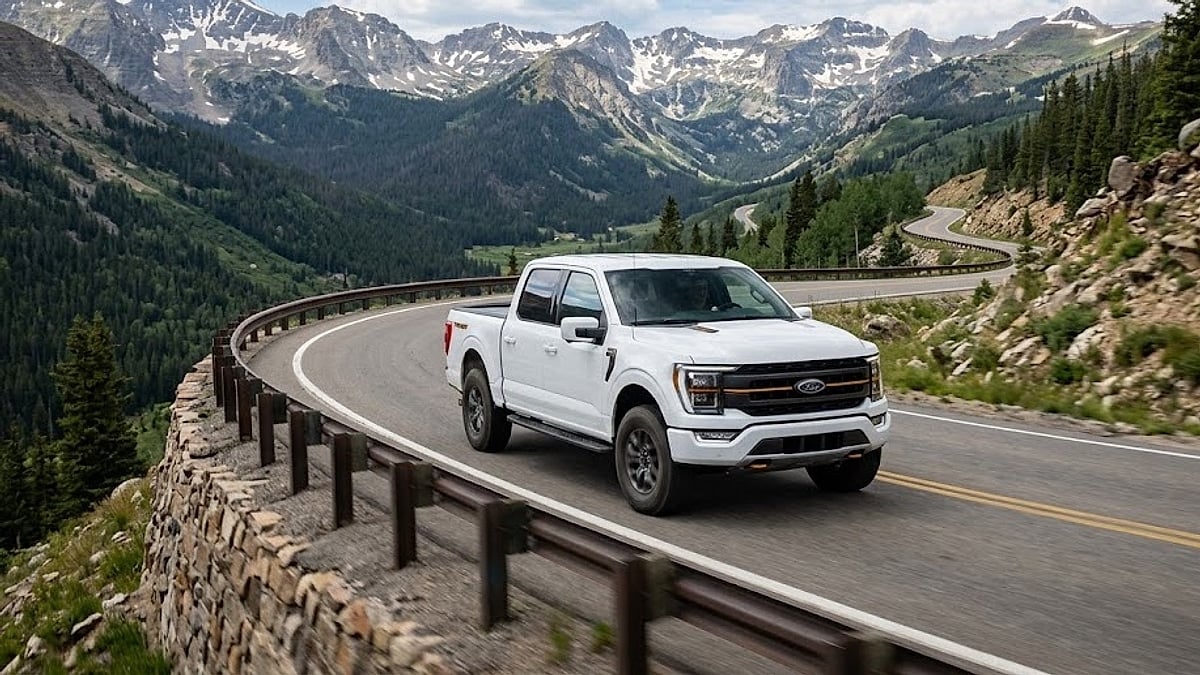
This vulnerability is heavily amplified here in the Rocky Mountain region, where climbing standard mountain passes forces twin-turbocharged engines to sustain maximum boost pressures for miles on end.
This exact operational limit is why I noted in my forensic breakdown of the Toyota Tundra Recall Expansion that high-altitude towing cycles allow superheated, fuel-diluted oil to circulate through highly stressed bearing surfaces, stripping away vital hydrodynamic protection.
When you lose that protective fluid barrier at 11,000 feet of elevation on Vail Pass, a catastrophic engine lockup is often the immediate result.
The Real Deal: Why Mechanics Know Your Engine Is Playing Russian Roulette
Let’s look at what the mainstream media is completely glossing over. Behind the scenes in dealership service bays, the fix for this engine mess has become a high-stakes guessing game that leaves owners holding the bag.
Instead of pulling out the wrenches and physically replacing every single contaminated engine block, corporate bean counters are rolling out an acoustic software test.
A technician literally plugs a microphone into your truck to listen to the crankshaft's vibration. If the computer decides the frequency sounds "okay" that day, you get sent home with a pat on the back even if razor-sharp metal shavings are still hiding deep inside your oil passages.
This is the exact hidden story driving guys like Nick crazy.
For a guy planning to pass a truck down to his son, a software patch is a slap in the face. It’s a temporary band-aid on a structural wound, and it’s exactly why the secondary market for these trucks is in absolute freefall.
If you want to see exactly what this mechanical nightmare looks like when an engine actually lets go, check out this brilliant visual teardown of the Toyota Twin Turbo V6 Disaster Breakdown. It shows you the raw, shredded metal components up close, proving that no amount of software trickery can fix a physical engineering failure.
When Premium Cabin Prices Meet Cheap Plastic Reality
But the engine block is only half of the problem driving loyalists into the open arms of Ford dealerships. Owners are finding that the physical touchpoints inside the cabin are degrading at an alarming rate relative to the truck's premium price.
Plastics are rattling, seat bolsters are cracking prematurely, and digital interfaces are exhibiting frequent software lag. For a driver intending to keep a vehicle long enough to hand down to the next generation, this rapid cosmetic deterioration is an absolute dealbreaker.
A truck cannot fulfill a twenty-year legacy promise if the interior feels like a disposable commuter car after only twenty-four months.
Why the 2026 Ford Tremor Is Winning the Defection War
This structural exodus explains exactly why the redesigned 2026 Ford F-150 Tremor has become the premier landing pad for frustrated buyers. Ford’s mature 3.5-liter Twin-Turbo EcoBoost V6 platform has undergone generations of component refinement, effectively resolving its early-generation cam phaser bugs.
Furthermore, the Tremor's 401a package delivers a ruggedized, heavy-duty interior build that utilizes far more durable materials designed to withstand actual worksite abuse.
For buyers like Nick, switching to Dearborn isn't about chasing luxury badges; it is a practical search for a sturdy, long-term tool.
Next Question: Will a Used 2024 Tundra Be Worthless in Resale Value?
The immediate concern for current owners looking to jump ship is whether the current market will penalize their trade-in value due to these open recalls.
Fortunately, because Toyota’s official factory remedy involves full engine block replacements for qualified VINs, dealership groups are still accepting these trade-ins at fair value to secure inventory, though private party buyers remain highly skeptical.
The Tragic Loss of a Twenty-Year Legacy
The true tragedy of this structural market shift is that Toyota built its entire corporate empire on the promise of generational hand-me-downs. When build quality slips to the point where an owner fears a truck won't survive a single childhood, the brand loses its most valuable asset.
It's Your Turn: Have you noticed your modern truck's interior quality or engine reliability declining compared to older models you've owned?
Please leave your thoughts and share your personal ownership experiences in the red "Add new comment" link below.
Come back tomorrow… or check my Torque News Home Page for more of my informative Toyota Tundra/Ford F-150 news articles.
About The Author
Denis Flierl is a 14-year Senior Reporter at Torque News and a member of the Rocky Mountain Automotive Press (RMAP) with 30+ years of industry experience. Explore his full investigative reporting archives and technical guides at DenisFlierl.com.
Based in Parker, Colorado, Denis leverages the Rockies' high-altitude terrain as a rigorous testing ground to provide "boots-on-the-ground" analysis for readers across the Rocky Mountain region, California EV corridors, the Northeast, Texas truck markets, and Midwest agricultural zones.
A former professional test driver and consultant for Ford, GM, Ram, Toyota, and Tesla, he delivers data-backed insights on reliability and market shifts. Denis cuts through the noise to provide national audiences with the real-world reporting today’s landscape demands.
Connect with Denis: Find him on LinkedIn, X @DenisFlierl, @WorldsCoolestRides, Facebook, and Instagram.
Photo credit: Denis Flierl
Set Torque News as Preferred Source on Google
Follow us today...