
Is your full-size F-150 V8 truck robbing you blind?
Most truck owners are hauling absolutely nothing but air, paying thousands for capability they never actually use.
This hidden financial trap is forcing a massive shift in how Americans buy pickups.
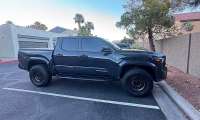
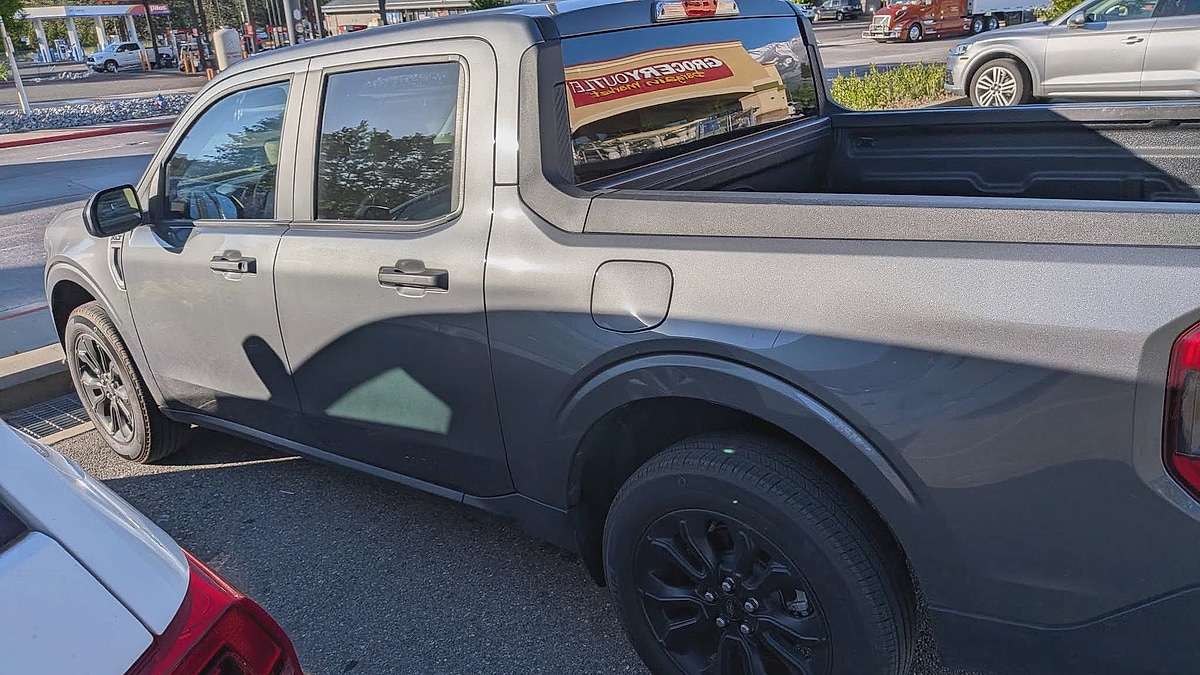
A Reno Ford F-150 5.0L owner admits the compact Maverick Hybrid successfully replaces 90% of his full-size truck's daily work cycles while achieving 41 MPG, requiring a utility trailer just five times a year for heavy firewood and steel hauls.
The massive American full-size pickup truck market is quietly facing an identity crisis.
For decades, buying a half-ton truck with a roaring V8 engine was considered a badge of honor and an absolute necessity for anyone doing real work.
Yet Reno truck owner Mike Hewlett admitted he initially dismissed the compact Maverick as an incapable platform but noted it now meets nearly all his daily construction and utility needs.
In a candid post shared with the Ford F-150 5.0 Owners Facebook page, Hewlett completely shattered the standard full-size pickup narrative:
“I thought these Ford Mavericks were gay at first, but they literally will do everything my F-150 has been doing for me; I might need a trailer for more firewood each year or long pieces of steel, but that’s maybe 5 times a year. 41 mpg sounds really nice. Don’t most owners drive more truck than they need?”
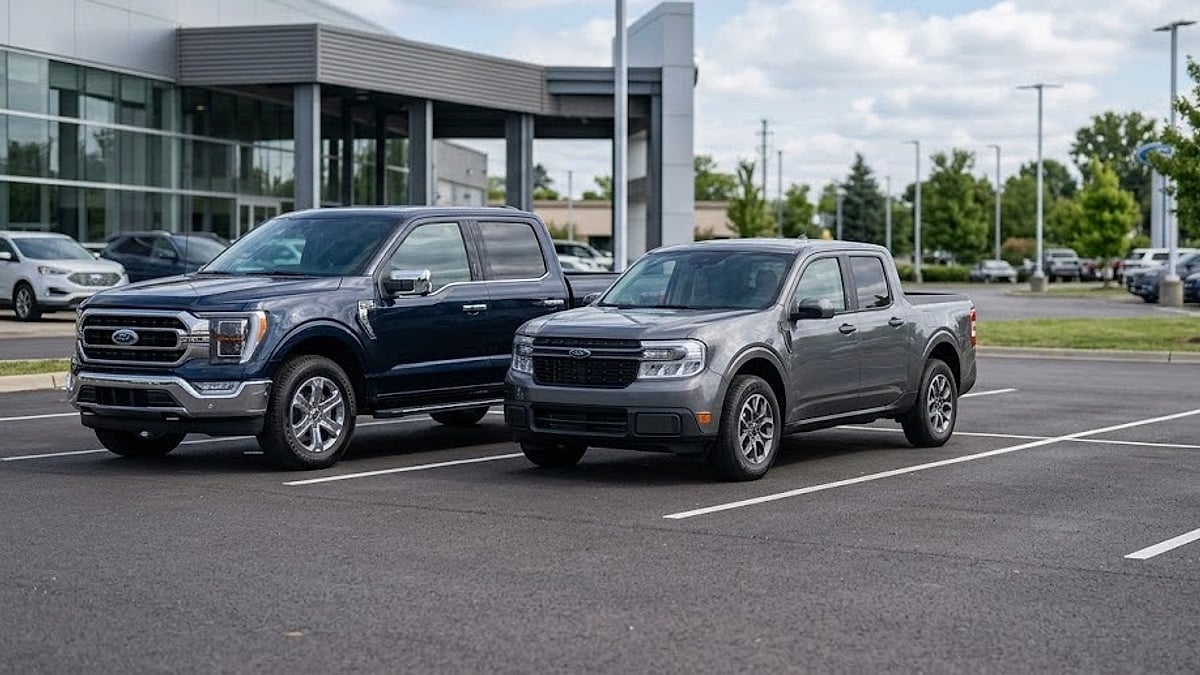
The Hidden Epidemic of Over-Trucking in America
Hewlett’s blunt observation cuts right to a hidden truth that major automakers prefer to keep quiet.
According to data compiled by industry research authority Strategic Vision, nearly 75 percent of truck owners use their pickups for towing once a year or less, and 35 percent use them primarily for hauling groceries or commuting.
This means hundreds of thousands of buyers are paying massive premium prices to drive significantly more vehicle than their lifestyle actually dictates.
As a professional automotive consultant with over 30 years of hands-on mechanical experience, I see this financial trap playing out daily in service bays.
The traditional body-on-frame Ford F-150 is a masterfully engineered machine designed for continuous heavy strain.
However, using a complex, heavy-duty chassis to commute to work is like using a sledgehammer to drive a thumbtack.
This hidden mechanical disparity is exactly why many buyers find themselves stuck in frustrating luxury debt cycles.
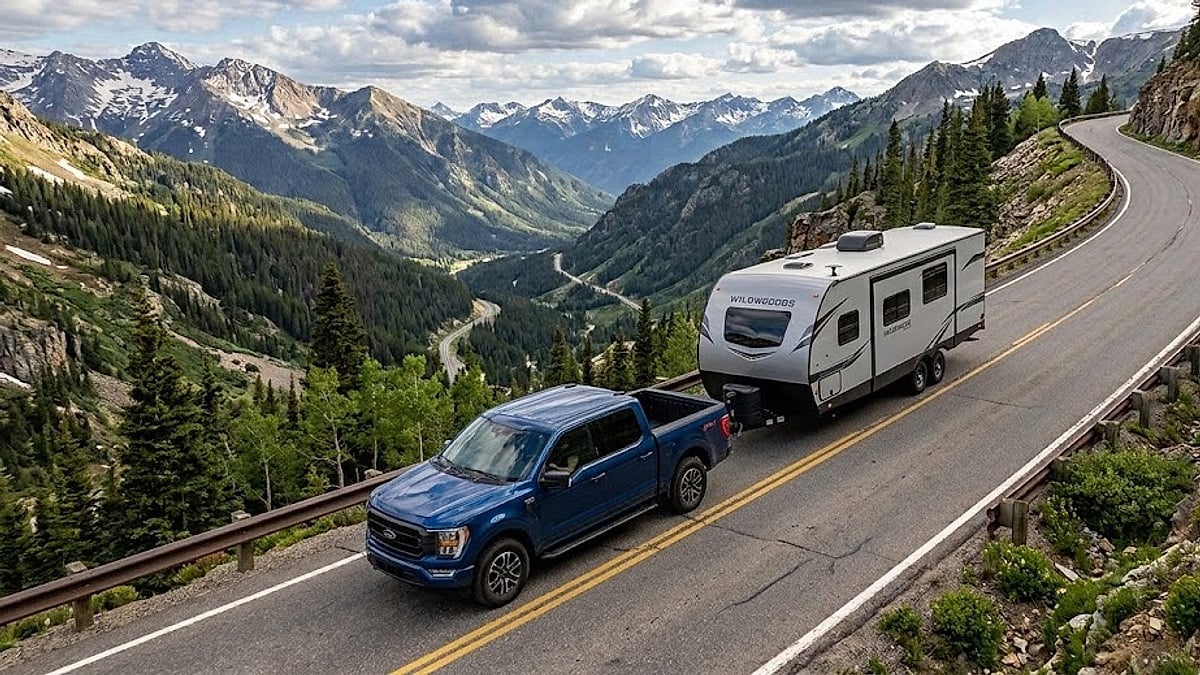
In my recent investigative analysis of the Ford V8 Mountain Towing Action Plan, I noted that full-size truck platforms often struggle under the weight of their oversized footprints during daily high-altitude driving.
Why the Unibody Framework Beats the Old Guard
The hidden story here lies in how modern automotive manufacturing has evolved to serve everyday utility.
Traditionalists love to claim that a "real truck" requires a separate steel frame, a live rear axle, and a gas-guzzling powertrain.
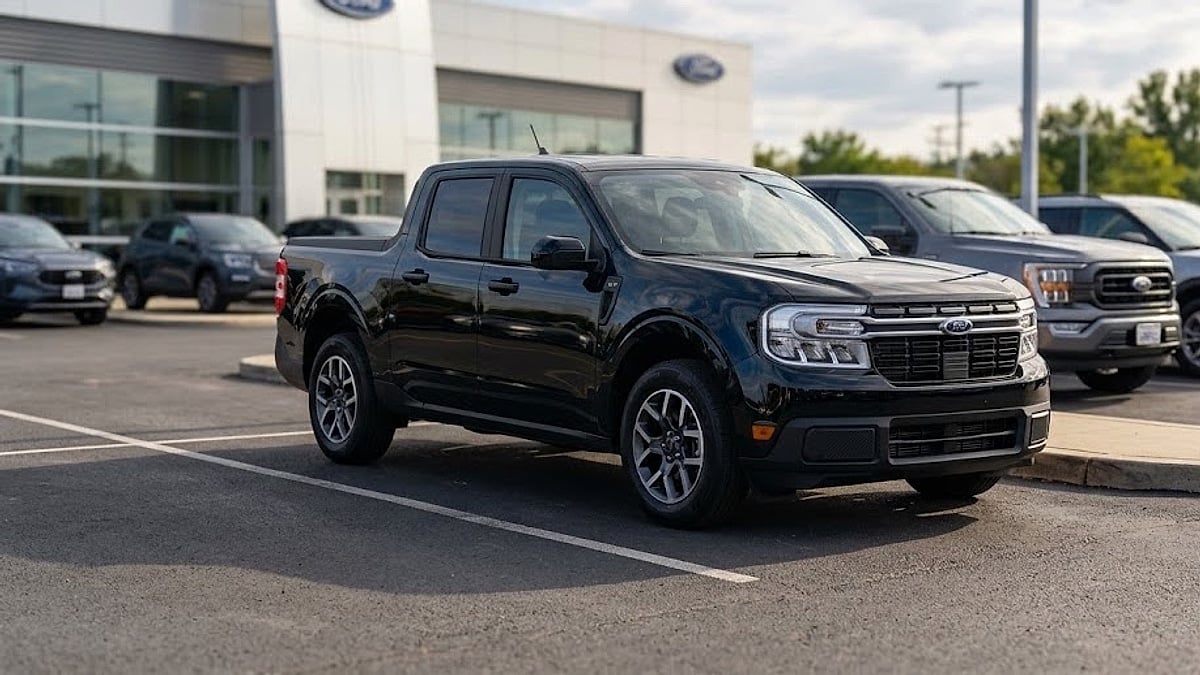
But the compact Maverick is built on a unibody structure, meaning the cab and the bed are a single integrated unit.
This architecture allows the vehicle to be lighter, sit lower to the ground, and handle like a crossover.
Yet, it still provides a 1,500-pound payload capacity, which is more than enough to handle plywood, drywall, and home improvement equipment.
The structural engineering of the compact truck has advanced to the point that MotorTrend recently named the Ford Maverick its Truck of the Year, praising its spacious interior, ergonomics, and ability to let normal-sized adults comfortably reach over the side rails without standing on their tiptoes.
High-Altitude Reality Shock
This shifting utility dynamic becomes even more apparent when you factor in regional driving realities.
Here in Parker, Colorado, and across the high-altitude terrain of the Rockies, driving an oversized V8 means fighting a natural 3% performance loss for every 1,000 feet of elevation.
Full-size truck owners end up burning excessive fuel just to push massive, unladen body profiles up steep mountain passes.
When a full-size truck payment routinely clears the $800-per-month threshold, paying for that unused sheet metal quickly stops making financial sense.
I recently tracked this economic reality in another consumer report, "Ford Insider Who Sold His F-150 to Cut Monthly Expenses," proving that even industry insiders are looking for escape hatches from skyrocketing full-size ownership costs.
The 5-Times-A-Year Trailer Compromise
Instead of carrying around thousands of pounds of unused towing capacity every day, savvy consumers are embracing the utility-trailer workaround.
By downsizing to a 41-MPG hybrid for 90% of their daily driving needs, they save thousands of dollars annually on fuel and insurance.
When the rare need arises to haul large steel beams or cords of firewood, hooking up a cheap utility trailer bridges the gap perfectly.
This simple consumer pivot allows the compact hybrid platform to absorb the workload of a traditional V8 without any of the daily financial penalties.
It turns out that driving less truck isn't a sacrifice; it's the ultimate consumer win.
What Would You Do? Are you ready to swallow your pride and swap your full-size V8 for a 41 MPG compact hybrid, or does the ego of driving a big truck matter too much to give up?
Tell us what you think! Please leave your comments in the red "Add new comment" link below.
Come back tomorrow… or check my Torque News Home Page for more of my informative Ford F-150 news articles.
About The Author
Denis Flierl is a 14-year Senior Reporter at Torque News and a member of the Rocky Mountain Automotive Press (RMAP) with 30+ years of industry experience. Explore his full investigative reporting archives and technical guides at DenisFlierl.com.
Based in Parker, Colorado, Denis leverages the Rockies' high-altitude terrain as a rigorous testing ground to provide "boots-on-the-ground" analysis for readers across the Rocky Mountain region, California EV corridors, the Northeast, Texas truck markets, and Midwest agricultural zones.
A former professional test driver and consultant for Ford, GM, Ram, Toyota, and Tesla, he delivers data-backed insights on reliability and market shifts. Denis cuts through the noise to provide national audiences with the real-world reporting today’s landscape demands.
Connect with Denis: Find him on LinkedIn, X @DenisFlierl, @WorldsCoolestRides, Facebook, and Instagram.
Photo credit: Denis Flierl via Mike Hewlett
Set Torque News as Preferred Source on Google
Follow us today...