
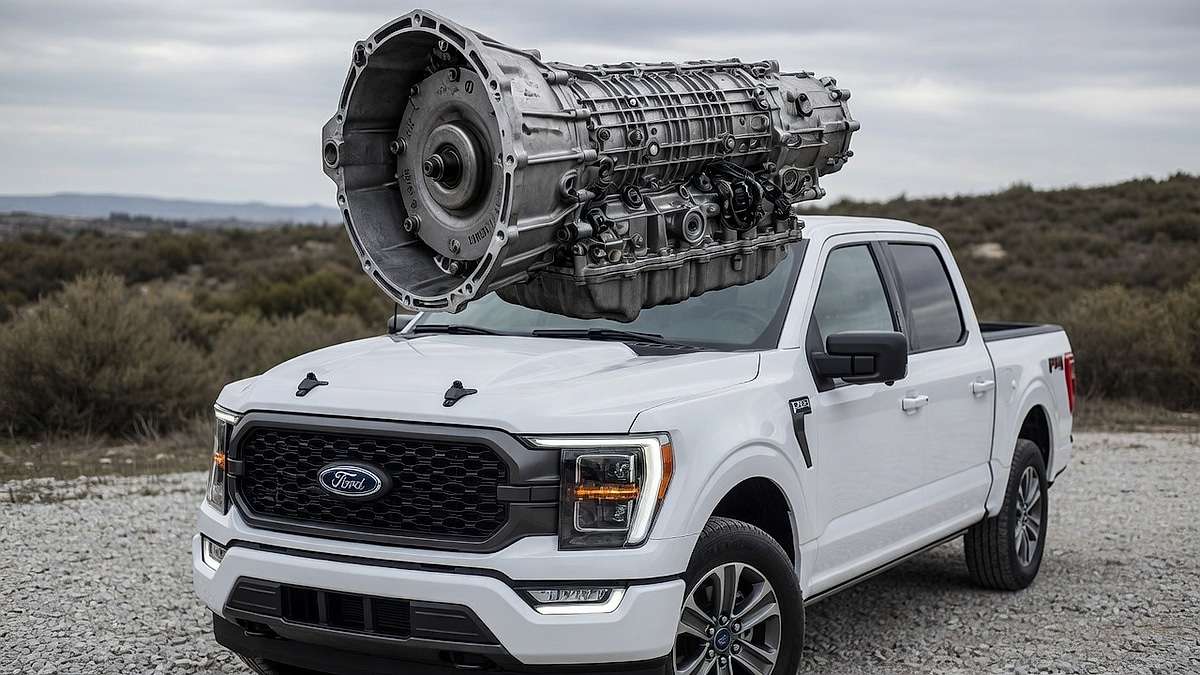

When most people read the words "Ford transmission park issue," it's easy to picture something alarming: the transmission suddenly shifting into Park while the vehicle is moving down the highway. That image understandably grabs attention, but it isn't what Ford says is happening. The real story is more subtle, and it echoes a pattern Torque News has tracked for years, including our coverage of Ford's faulty shifter cable recall expanding to nearly 3 million vehicles, where a damaged park mechanism, not a runaway transmission, was the actual culprit behind unexpected rollaways involving F-150, Explorer, and several other models.
Before we get into how the Ford transmission park issue works, here's a question to think about: When you park your vehicle, do you rely only on the transmission's Park position, or do you always use the parking brake as well? Keep that question in mind as you read this story, and share your answer in the comments section below. It may be more important than many drivers realize.
Ford has announced a recall affecting approximately 741,000 vehicles in the United States after identifying a problem involving the transmission's parking system. According to documents released through the National Highway Traffic Safety Administration (NHTSA), certain vehicles may experience a condition where the transmission can unintentionally command the parking mechanism while the vehicle is still moving. CBS News reports that the affected vehicles use park-by-wire functionality paired with 10R80 transmissions, and that Ford estimates roughly one percent of the recalled population actually carries the defect.
At first glance, that sounds like the vehicle is suddenly slamming into Park while driving. That's not what the recall describes. Instead, the issue centers on a small but critical mechanical component inside the transmission known as the parking pawl, the same type of component Torque News examined closely in our report on how Ford's transmission software flash masks destructive hardware defects in 1.4 million recalled trucks, where a software fix similarly left underlying mechanical wear unresolved.
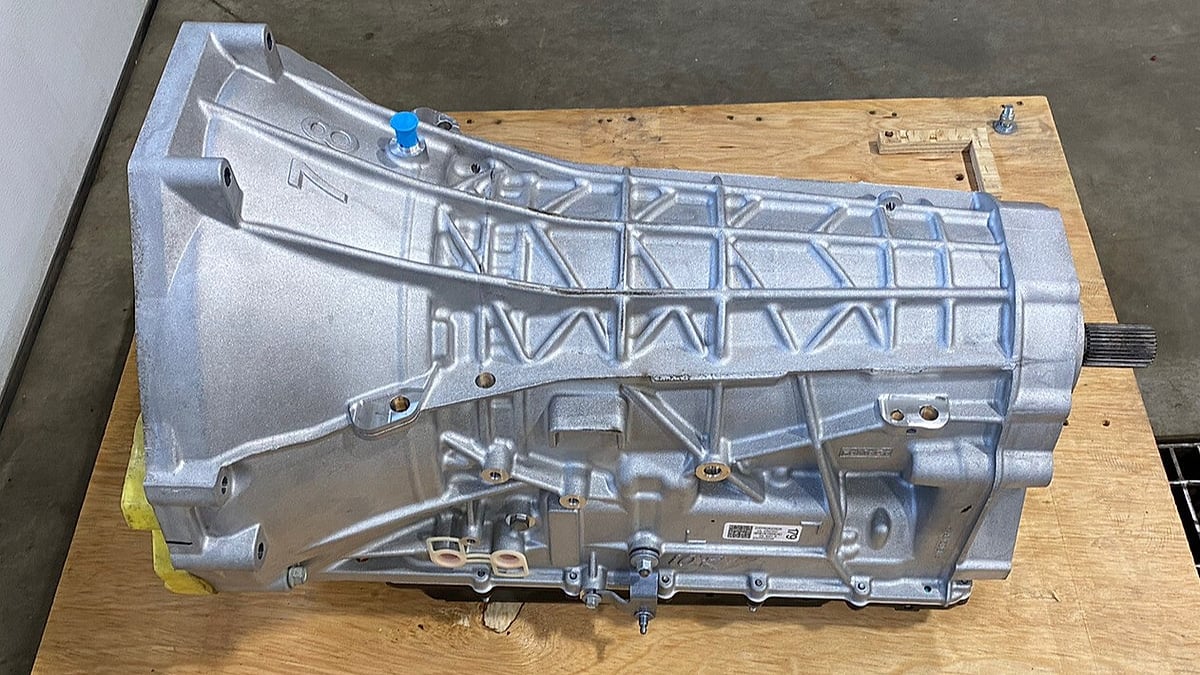
What Is The Ford Transmission Park Issue?
To understand this recall, it helps to know what happens every time you shift an automatic transmission into Park. Inside the transmission is a hardened metal component called the parking pawl. When you select Park, the pawl locks into a gear attached to the transmission output shaft. Its job is simple: prevent the vehicle from rolling after you've parked. Under normal conditions, the system works seamlessly, a point Torque News revisited in our story on F-150 owners demanding physical lead frame replacements instead of dealership software recalibration, which made a similar case that a software patch alone doesn't always cure damage already done to physical components.
The problem described in Ford's recall involves certain transmission commands that can engage or partially engage this parking mechanism while the vehicle is still moving. That doesn't necessarily stop the vehicle. Instead, it can damage the parking pawl or related components. And that's where the real story begins.
Why This Isn't Really A "Transmission Park" Problem
The phrase Ford transmission park issue has become the common way people are searching for this recall online. But mechanically speaking, that description doesn't tell the whole story. A more accurate explanation would be: it's a parking-lock damage issue. This isn't the first time Ford has faced this exact wording problem; our earlier report on the 253,000 Explorers recalled to fix a drivetrain rollaway problem described almost identical language from NHTSA about a broken component undermining the Park function long after the original shift had already happened.
What Happens After The Damage?
This is the part that many headlines leave out. If the parking pawl becomes damaged, the next time you park your vehicle, shifting into Park may no longer be enough to securely hold the vehicle in place. In certain situations, the vehicle could roll away if the parking brake isn't applied. That possibility explains why Ford and federal safety regulators consider the issue serious enough to warrant a nationwide recall, much like the scenario Torque News detailed when 4,247 Explorers were recalled because their driveshafts could disconnect and lose the torque needed to keep the SUV anchored in Park.
The concern isn't necessarily what happens at highway speeds. The concern is what could happen later, after you've parked.
Which Ford Vehicles Are Included In The Recall?
According to Ford and NHTSA, the recall affects approximately 741,000 vehicles, including the 2021 Ford F-150, 2018–2021 Ford Expedition, 2020–2021 Ford Explorer, 2018–2021 Lincoln Navigator, and 2020–2021 Lincoln Aviator. Owners of these vehicles should watch for official recall notifications from Ford explaining when repairs will become available, the same advice Torque News gave readers back when we covered Ford recalling nearly 350,000 of the 2018 Expedition, F-150, and Lincoln Navigator for a related shift cable clip problem that also threatened to let the trucks roll out of Park.
Why Didn't Drivers Notice The Problem Sooner?
One reason this recall is unusual is that the damage can occur internally. Unlike a flat tire or warning light, a damaged parking pawl may not immediately produce obvious symptoms. A driver may continue using the vehicle normally. Only later, when parking on an incline or relying solely on the transmission's Park position, could the damaged mechanism fail to hold the vehicle securely. Denis Flierl's recent investigation into F-150 owners facing summer towing delays and roll-away software glitches ahead of a July remedy date made the same point about parking pawl binding on steep inclines, where the danger only becomes obvious once the driver has already stepped away from the truck.
What Will Ford Do To Fix The Problem?
Ford's repair strategy also reveals something interesting about today's vehicles. Rather than immediately replacing every affected transmission, Ford plans to install updated Powertrain Control Module (PCM) software on affected vehicles. Dealers will then inspect the transmission for evidence of damage. If damage is found, the necessary transmission components will be repaired or replaced. This mirrors how Ford has approached other parking-system recalls over the years, including the case Torque News covered when Ford recalled 100,000 2015 Escapes for a potential rollaway problem tied to a degraded bushing rather than a full transmission failure.
The root cause appears to involve software controlling a mechanical system. It's another reminder that today's vehicles rely on sophisticated software to manage nearly every major mechanical function. When software behaves unexpectedly, the effects can eventually become mechanical.
Why This Recall Matters Beyond Ford
The Ford transmission park issue highlights a broader trend affecting the entire automotive industry. Modern vehicles contain dozens of electronic control modules communicating with one another thousands of times every second. Transmission operation is no longer controlled purely by gears, hydraulics, and mechanical linkages. Software now plays a major role, a theme Torque News explored at length when Ford told us directly that approximately 80 percent of its 2026 recalls trace back to software issues that can often be resolved with an over-the-air update or a quick dealer visit rather than a full mechanical teardown.
As vehicles become increasingly connected and computerized, automakers across the industry face the challenge of ensuring software commands always interact correctly with physical components.
What Should Owners Do Right Now?
If you own one of the affected vehicles, there's no need to panic. Ford has announced the recall so owners can have the issue addressed before it creates a safety problem. Until the repair has been completed, many safety experts recommend making a habit of using the parking brake whenever you park, particularly on hills, advice that goes all the way back to Torque News' coverage of Ford recalling 550,000 Escapes and Fusions for danger of rolling away, where the same parking brake habit was the single best protection drivers had while waiting on a fix.
Quick Tip For Owners: Even if your vehicle has an automatic transmission, applying the parking brake every time you park reduces stress on the transmission's parking mechanism and provides an extra layer of protection if any parking system issue develops. Many experienced drivers already follow this habit, and this recall serves as another reminder of why it's good practice.
Why People Are Searching For "Ford Transmission Park Issue"
Search interest around the phrase Ford transmission park issue has grown rapidly because drivers naturally want to know whether their vehicles are safe. Common questions include whether the transmission can suddenly shift into Park while driving. According to Ford's recall information, that's not the primary concern. The issue involves possible damage to the parking mechanism, not the transmission suddenly locking the vehicle while it's moving, a distinction Torque News also had to clarify back when we reported on the recall of more than 850,000 vehicles involving Explorers, F-350 Super Duty, and Lincoln Aviators for separate front-end and driveline issues.
Will Ford repair affected vehicles for free? Yes. Recall repairs are performed at no cost to owners.
The Bigger Story Behind The Recall
Looking beyond this specific recall, the Ford transmission park issue illustrates how automotive engineering continues to evolve. Twenty years ago, a transmission problem usually meant worn gears or broken mechanical parts. Today, the interaction between software and hardware is becoming just as important. This recall isn't simply about a damaged parking pawl. It's about how modern vehicles blend digital intelligence with traditional mechanical engineering. As vehicles become increasingly software-driven, recalls like this may become less about replacing broken parts and more about updating the electronic systems that control them.
That's one reason this story matters beyond the 741,000 vehicles currently affected. It's a glimpse into how today's automobiles, and tomorrow's, are designed, diagnosed, and repaired.
What do you think about the Ford transmission park issue? Does it change how you'll use the parking brake in your own vehicle, even if it isn't affected by this recall?
And if you own one of the recalled F-150, Explorer, Expedition, Navigator, or Aviator models, are you planning to schedule the repair as soon as it's available, or do you have questions about Ford's proposed fix? Share your thoughts in the comments section below.
Return tomorrow, or check our Torque News Home Page for more interesting automotive news articles.
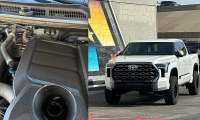
Images: A rendering of a Ford F-150 with a transmission placed on it, and a transmission of a Ford F-150 displayed for sale on eBay.
About The Author
Armen Hareyan is the founder and Editor-in-Chief of Torque News and an automotive journalist with over 15 years of experience writing car reviews and industry news. Now based in the Charlotte region (Indian Land, SC, he founded Torque News in 2010, which since then has been publishing expert news and analysis about the automotive industry. He can be reached at Torque News on X, Linkedin, Facebook, and Youtube. Armen holds three Masters Degrees, including an MBA, and has become one of the known voices in the industry, specializing in the landscape of electric vehicles and real-world stories of actual car owners. Armen focuses on providing readers with transparent, data-backed analysis bridging the gap of complex engineering and car buyer practicality. Armen frequently participates in automotive events throughout the United States, national and local car reveals and personally test-drives new vehicles every week. Armen has also been published as an automotive expert in publications like the Transit Tomorrow, discussing how will autonomous vehicles reshape the supply chain, and emerging technologies in vehicle maintenance.
Set Torque News as Preferred Source on Google
Follow us today...


Comments
*2020 and 2021* Aviators are…
Permalink
*2020 and 2021* Aviators are the only ones included in the recalls