
The National Highway Traffic Safety Administration's safety directive for 1.39 million Ford F-150 trucks has left everyday drivers at a critical crossroads between digital dealership patches and true mechanical resolution. Relying solely on the factory-issued Powertrain Control Module software recalibration fails to address the physical deterioration inside the transmission oil pan, leaving underlying component flaws completely uncorrected.
This consumer report delivers a field-tested action plan to help truck owners identify specific transmission trouble codes and secure physical hardware replacements. By leveraging precise mechanical data, drivers can effectively counter service-counter resistance and ensure their trucks remain safe and reliable under heavy-duty operating conditions.
Why Factory Recalibration Leaves Your Transmission Vulnerable
Our investigative anchor report, which exposed how Ford Transmission Software Flash Masks Destructive Hardware Defects In 1.4 Million Recalled Trucks, detailed the internal circuit vulnerabilities plaguing the 6R80 six-speed gearbox. According to an ongoing Torque News investigation by Denis Flierl into manufacturing defects and fleet wear patterns, the upcoming summer factory service campaign is designed as an electronic dampener rather than a physical cure.
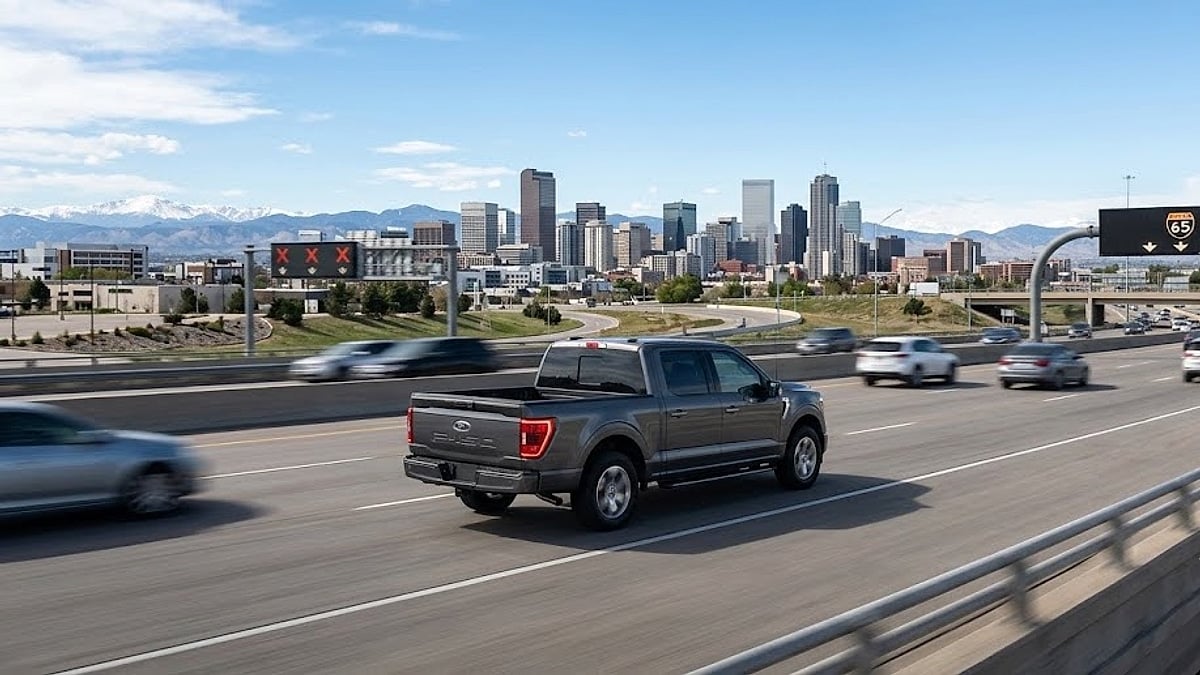
The update modifies how the vehicle interprets fluctuating speed-sensor telemetry, which prevents sudden highway lockups but allows deteriorating hardware to remain in your transmission. Accepting this basic software modification without demanding a physical lead frame replacement leaves a degrading component submerged in hot, debris-laden fluid.
My technical analysis has identified a critical gap between factory maintenance schedules and the real-world longevity of components under severe towing conditions. In my ongoing coverage of Ford reliability, I have uncovered an unresolved dispute over how dealerships assess lead frame health when no active check engine light is present.
"The service desk told me my intermittent harsh downshifts were normal adaptive behavior, but two weeks later the truck dropped into limp mode on the highway," stated a vehicle owner on an independent consumer logging registry. This reveals that the factory diagnostic protocol often fails to detect issues until a catastrophic signal failure occurs.
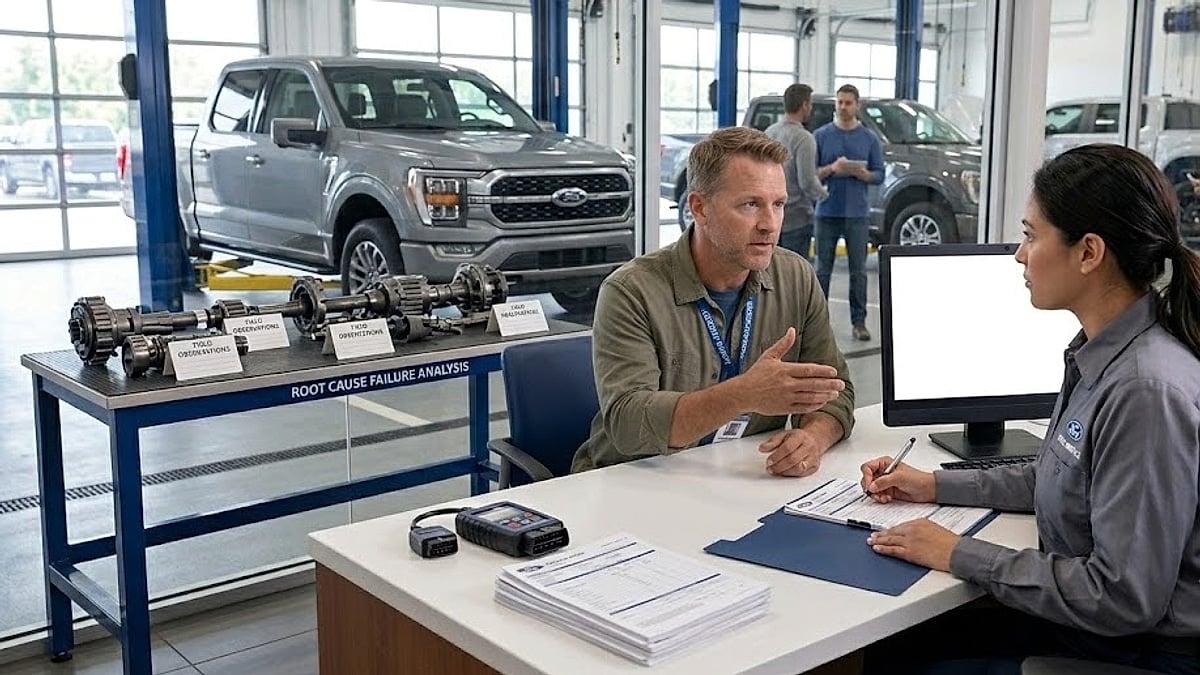
Tracking Diagnostic Trouble Codes and Real-World Symptoms
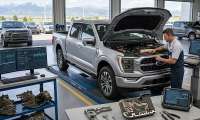
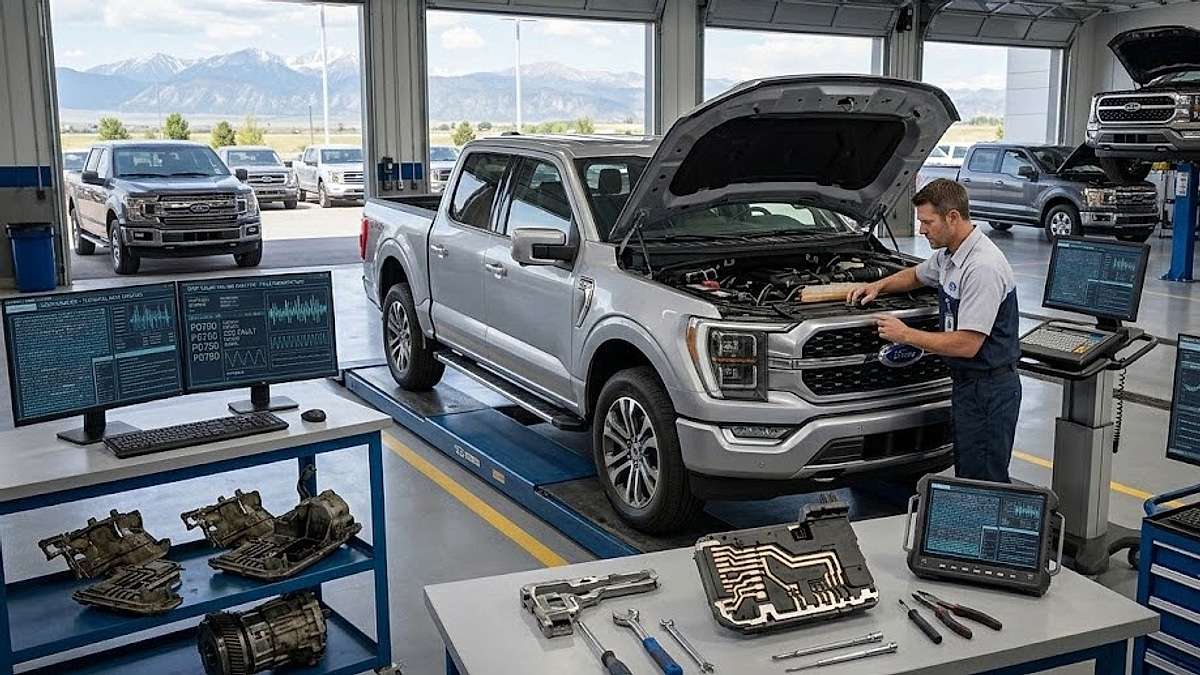
To build an undeniable case at the service counter, owners must monitor their vehicles for specific Diagnostic Trouble Codes using an OBD-II scanner. Look specifically for P0720 for Output Shaft Speed sensor circuit faults, P0722 for no OSS signal, and transmission range sensor codes like P0706 or P0707. According to a detailed structural evaluation by the National Highway Traffic Safety Administration, official data confirm that erratic speed readings stem directly from electrical continuity losses within the oil pan housing.
When these codes are stored in the computer, they are often accompanied by erratic speedometer behavior, an illuminated dashboard wrench icon, or a complete refusal to engage reverse gear when parked on an incline.
A parallel issue is emerging in newer ten-speed automatic gearboxes, where premature wear patterns require a similarly aggressive consumer stance. A vehicle safety summary on these modern light-duty drivetrains, compiled by Car and Driver, notes that sudden gear-engagement drops continue to prompt close inspection by federal regulators.
This dynamic aligns with the diagnostic framework outlined in the Torque News 10R80 Transmission Investigation, which shows that early valve body pressure losses mirror the electronic dropouts seen in older six-speed setups. Drivers must document these hard shifts immediately to establish a clear repair history before factory warranties expire.
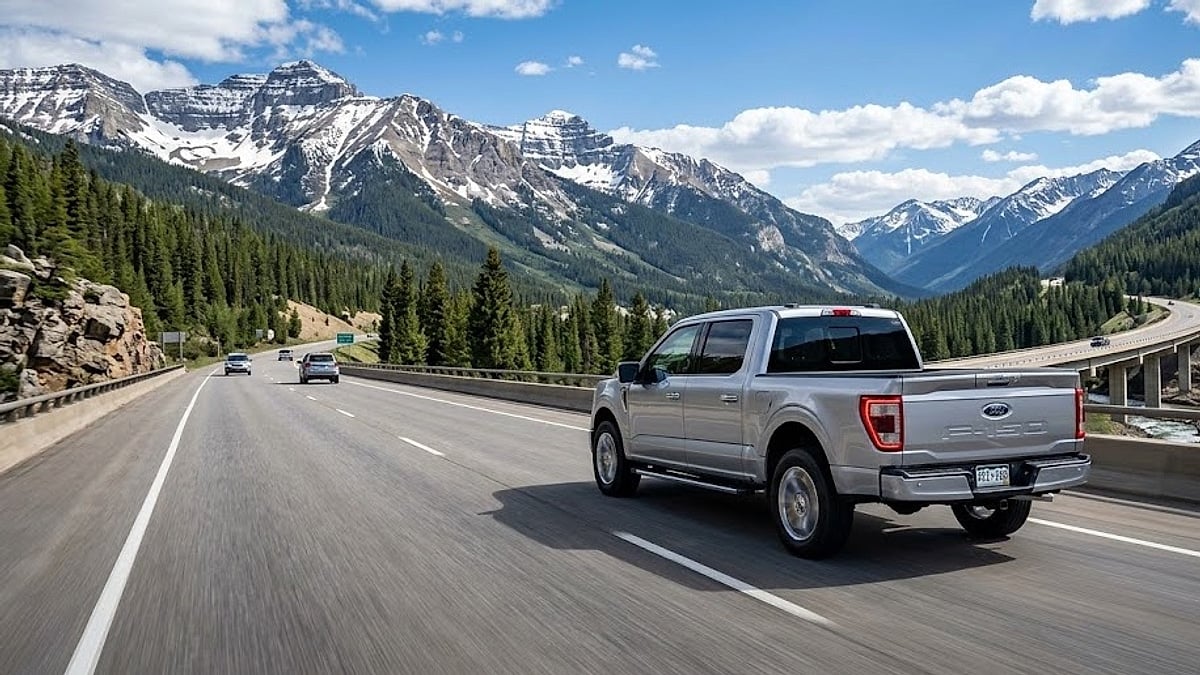
High-Altitude Drivetrain Strain and Regional Escalation Strategies
Operating a half-ton truck along mountain corridors introduces severe thermal stresses that accelerate electrical resistance anomalies inside submerged electronics. Regional maintenance records from high-altitude fleet operators highlight that extended hill climbs raise internal oil sump temperatures beyond normal operating limits, warping fragile plastic circuit tracks.
This localized heat buildup degrades internal components much faster than typical flat-land driving profiles do. If you regularly commute along mountain routes, you can use these extreme operating conditions to justify a full hardware replacement rather than settling for a standard software update.
Step-by-Step Dealership Service Counter Action Plan
- When entering the dealership service drive, consumers must follow a strict communication protocol to prevent technicians from simply resetting the computer. First, provide the service writer with a printed log of your stored trouble codes, highlighting any historical instances of P0720 or P0750.
- Second, describe your specific driving symptoms using clear mechanical terms, such as "abrupt 3-4 gear capitalization delays" or "intermittent rolling faults during low-speed maneuvers." Finally, explicitly state that you want your service order to note your request for a physical inspection of the internal lead frame assembly for micro-metallic contamination.
- Do not let the advisor convince you that a simple control module flash satisfies your consumer rights if your truck is actively slipping between gears. If the dealership refuses to replace the physical hardware, ask for a certified copy of their diagnostic fluid analysis report showing the absence of clutch debris.
Having this formal documentation protects your consumer rights if the transmission fails mechanically down the road. This strategy ensures that your vehicle's service history clearly shows you identified and addressed the root cause of the issue before a major breakdown occurred.
Field Observations from Owner Communities
Real-world feedback across automotive networks underscores the need for physical hardware replacements over simple software modifications. Many truck owners note that electronic updates only delay necessary mechanical service.
"The software update did not fix my hard shifting issues at all," shared one owner on a truck forum focusing on drivetrain reliability. "It wasn't until the technician dropped the pan and replaced the physical molded lead frame that my truck started shifting properly again," according to the owner's discussion on r/f150.
Other experienced drivers point out that micro-metallic particles suspended in the transmission fluid continue to disrupt internal electronics over time.
"If you have metal dust floating around your valve body, a software update won't clean that out," noted a forum member in an active technical thread. "You need to pull the pan, replace the contaminated filter, and swap out the lead frame to protect your speed sensors," which you can read in the full discussion on r/f150.
Key Takeaways
- Demand a full physical lead frame replacement if your truck stores active P0720 or P0722 diagnostic codes.
- Document every instance of hard shifting or sudden deceleration to build a strong repair history for your vehicle.
- Reject simple computer resets as a long-term solution for ongoing hydraulic or electrical issues inside the oil pan.
- Review your official service records to ensure all your diagnostic requests are fully documented on the final work order.
What Is the Financial Impact of Delayed Hardware Repairs?
The immediate question for truck owners is: what happens if they delay replacing a physical component after receiving a software update? If a compromised lead frame continues to send erratic voltage signals, the transmission control module will struggle to maintain internal line pressure balance.
This ongoing electronic instability causes subtle timing errors during gear engagement, accelerating clutch plate wear and leaving fine metal particles in the oil pan. Over time, this fluid contamination can damage the main valve body, turning a straightforward lead frame replacement into a costly total transmission rebuild.
Protecting Your Vehicle's Long-Term Reliability
Proactive maintenance is essential for extending the service life of automatic transmissions operating under demanding conditions. Drivers can track changing wear patterns by consulting specialized fleet reliability data, such as the Torque News High-Altitude Reliability Study, which details how extreme driving profiles impact vehicle electronics.
Combining regular fluid changes with targeted hardware inspections allows you to address potential vulnerabilities in components before they lead to a highway breakdown. Taking a hands-on approach to your vehicle's service needs helps protect your investment and ensures safe operation for years to come.
Asserting Your Consumer Rights at the Dealership
Securing a physical hardware replacement requires a clear understanding of factory service campaigns and consumer protection guidelines. For more details on navigating service department discussions and securing complete component repairs, refer back to our comprehensive technical analysis, F-150 Owners Must Demand Physical Lead Frame Replacements Instead Of Dealership Software Recalibration.
How About You? Have you encountered resistance from the service desk when requesting physical component updates under an active safety recall campaign? Tell us what you think and share your experience with dealership service departments by leaving a comment using the red "Add new comment" link below.
Come back tomorrow, or check my Torque News Home Page for more of Denis Flierl's informative automotive news articles.
About The Author
Denis Flierl is a 14-year Senior Reporter at Torque News and a member of the Rocky Mountain Automotive Press (RMAP) with 30+ years of industry experience. Explore his full investigative reporting archives and technical guides at DenisFlierl.com. Based in Parker, Colorado, Denis leverages the Rockies' high-altitude terrain as a rigorous testing ground to provide "boots-on-the-ground" analysis for readers across the Rocky Mountain region, California EV corridors, the Northeast, Texas truck markets, and Midwest agricultural zones. A former professional test driver and consultant for Ford, GM, Ram, Toyota, and Tesla, he delivers data-backed insights on reliability and market shifts. Denis cuts through the noise to provide national audiences with the real-world reporting today’s landscape demands. Connect with Denis: Find him on LinkedIn, X @DenisFlierl, @WorldsCoolestRides, Facebook, and Instagram.
Photo credit: Denis Flierl
Set Torque News as Preferred Source on Google
Follow us today...