
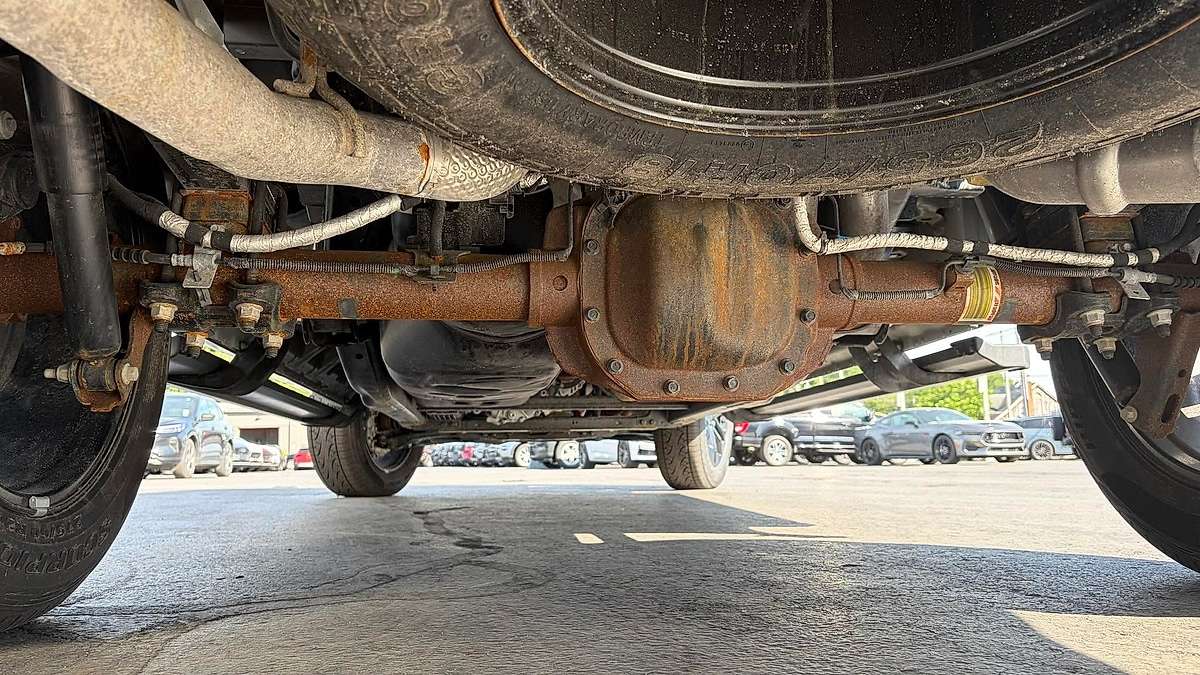

Mark Siega crawled under a brand-new 2026 Ford F-150 XLT and found the kind of orange underbody that makes truck buyers put their wallet back in their pocket.
The rear axle housing was already rusty. The differential cover had brown streaking. The axle tubes looked like they had spent time in wet air rather than under a new window sticker. The spare tire sat above it all, clean enough to remind you this was not a ten-year-old work truck. The salesperson also had to jump-start it because the battery was dead. That combination is the part I can’t get past; other group commenters also noticed.
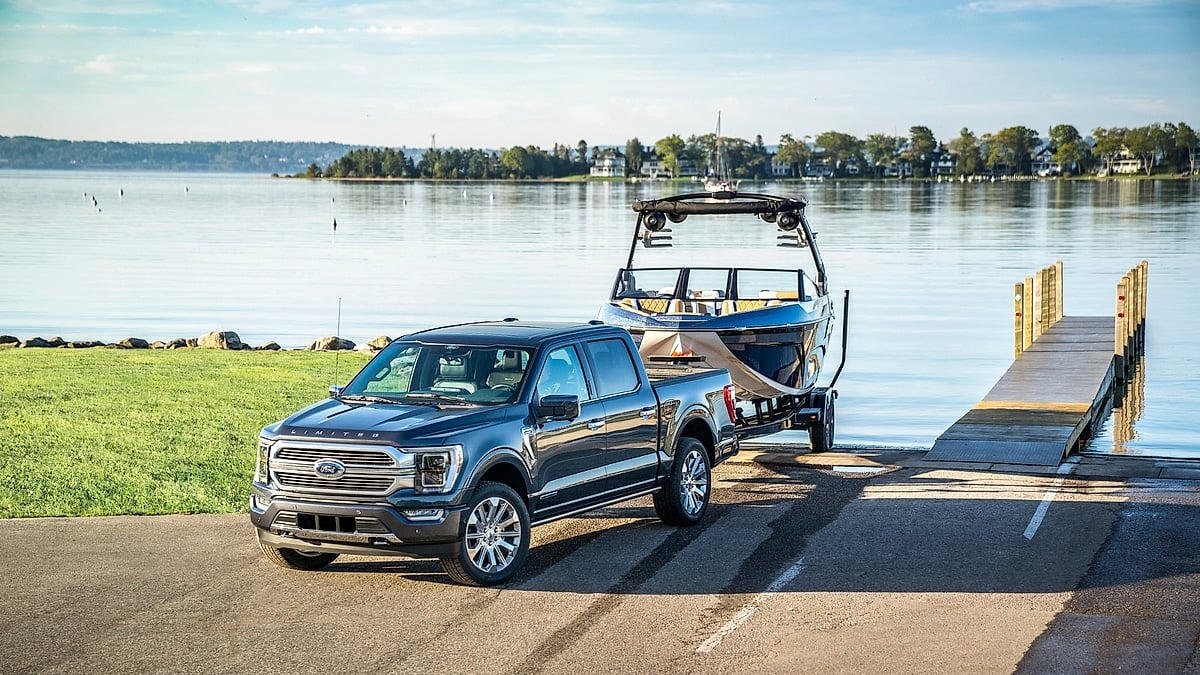
Surface rust on exposed steel axle parts is common. A dead battery on a new truck that has been sitting on a dealer lot is common too. Put them together on a 2026 pickup built in December 2025, and you get a different question: what else happened to this truck while it sat?
That is the question a buyer should ask before signing anything.
The Photo Shows Rear Axle Rust, Not A Rotting Truck
The photo is ugly. It also needs a calm read.
The visible rust appears concentrated on the rear axle assembly: axle tubes, differential housing, diff cover area, spring and shock mounting hardware, and nearby brackets. I do not see evidence in the supplied photo of a frame rail dissolving, cab mounts flaking apart, brake lines rotting through, or structural perforation. This looks like surface oxidation on exposed steel components, the kind that can develop quickly when bare or lightly protected metal sits outside in moisture, road salt, air, rail dust, or repeated wet-dry cycles. That does not make it pretty.
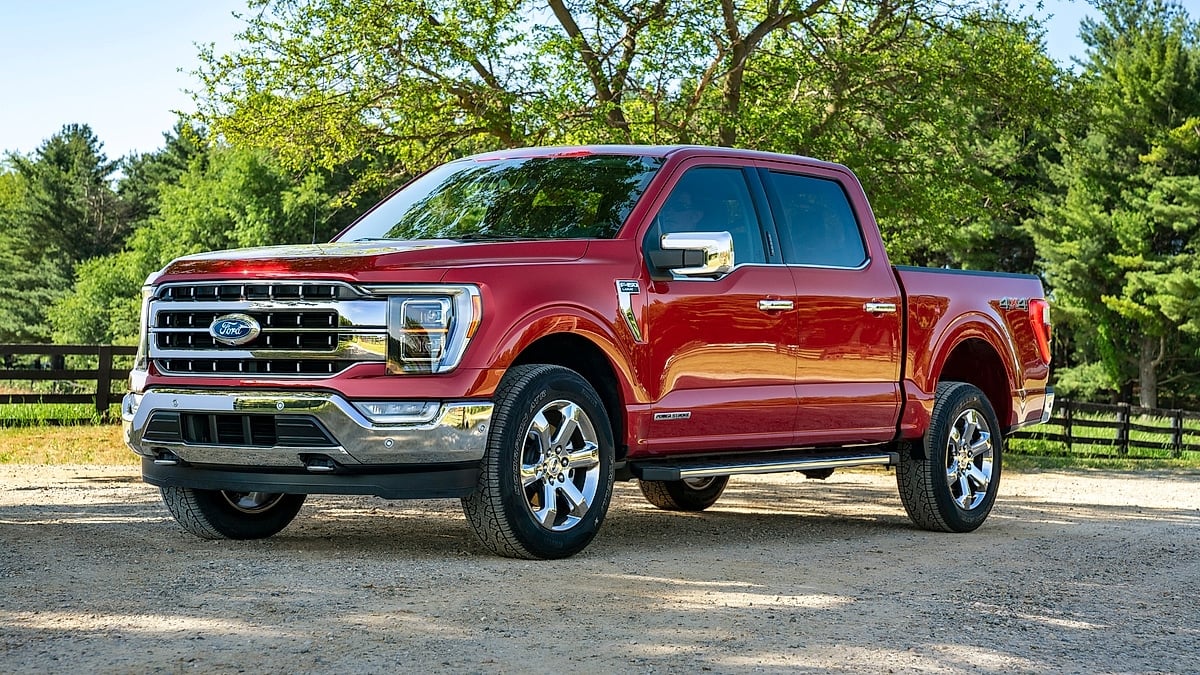
A new truck should look new enough that the buyer feels good crawling underneath it. This one does not. Ford can call that normal if it wants, and many owners in the thread did exactly that. They are probably right on the narrow technical point. A rear axle with surface rust can run for years without issue.
The emotional point is harder for Ford.
A buyer looking at a new F-150 does not want to hear “normal” while staring at a brown axle and waiting for a jump box.
Surface Rust Still Tells You How The Truck Was Stored
Truck people sometimes get too casual with rust.
They say “surface rust” like that phrase ends the conversation. It does not. Surface rust can be harmless, but it still tells you something about storage, exposure, and finishing. A truck that sat through months of weather on a lot may show rust on raw steel, brake rotors, exhaust clamps, axle parts, leaf-spring hardware, and fasteners. That is lot aging. It happens.
The buyer’s job is to separate cosmetic oxidation from early neglect.
Look at the photo again. The rear axle housing is the obvious brown part. The exhaust and spare tire area look dirty but not alarming. The shocks, brackets, and fasteners deserve closer inspection. The frame rails farther forward would need a better look. The brake lines and fittings should be checked. The underside of the bed and cab mounts should be inspected. The differential cover should be checked for seepage or damage, since rust streaking can hide small fluid trails from a quick glance.
I would not reject the truck from this one photo alone.
I also would not buy it without putting it on a lift.
The Dead Battery Is The Louder Warning
The rust gets attention because it photographs well. The dead battery may be the bigger buying issue.
A modern F-150 is a rolling electrical ecosystem. Modules wake up. Telematics talk. Keyless systems listen. Dealer lots move vehicles short distances. Batteries sit partially charged. Doors open. Accessories get demonstrated. Cold or heat punishes weak state of charge. A truck can enter Deep Sleep mode after inactivity, but Deep Sleep is damage control, not a certificate of battery health.
A salesperson having to jump a brand-new truck should change the negotiation immediately.
Do not accept “it’s been sitting” as a complete answer. A new 12-volt battery that has been discharged hard can lose capacity before the owner ever gets the keys. If the truck needed a jump during the sales process, the dealer should fully charge the battery, perform a proper load test or battery health test, print the result, and replace the battery if it does not pass cleanly.
I would make that a written condition of purchase.
No printout, no deal.
A December 2025 Build Date Explains The Scene, But It Does Not Excuse It
The owner says the truck was built in December 2025 and had been sitting for quite a while. That timeline matters because new vehicles do not live in climate-controlled museum cases after assembly.
They sit outside at the plant. They ride trains and trucks. They wait at distribution yards. They land on dealer lots. They get snowed on, rained on, sprayed, baked, and moved around by people who may care more about space management than underbody cosmetics. The clock starts long before the buyer sees the truck.
That explains why a new truck can already have rust on the axle.
It does not make the presentation acceptable.
Dealers know which vehicles have been sitting. They know which ones needed jumps. They know which units have dirty undersides, low tires, flat-spotted batteries, old build dates, and aging lot inventory. The pre-delivery inspection should catch the obvious stuff before a customer points a camera under the truck.
A dead battery during a showing is an unforced error.
What I’d Inspect Before Buying This F-150
- Battery health: demand a full charge, printed test result, and replacement if the battery shows weakness.
- Rust location: confirm the corrosion is limited to axle hardware, brackets, and cosmetic underbody steel rather than frame, brake lines, cab mounts, or body seams.
- Lot-aging clues: check brake rotors, tires, fluids, date codes, software updates, recall status, and whether the truck sat long enough to justify a discount.
Ford’s Corrosion Warranty Does Not Make This A Free Pass
Ford’s corrosion language gives buyers some comfort on body sheet metal. It does not turn every orange axle tube into a warranty repair.
That distinction counts.
The F-150 has an aluminum body over a steel frame, with plenty of steel parts underneath. The rear axle is a steel component living in a dirty, wet, high-abuse part of the vehicle. Cosmetic oxidation on that kind of hardware often gets treated differently from perforated body panels. A dealer may tell you the axle rust is normal, and the warranty department may agree.
So do not buy first and argue later.
If the underbody appearance bothers you, raise it before purchase. Ask whether the dealer will clean and coat the axle housing. Ask whether they will document it. Ask whether they will discount the truck because it has sat. Ask whether they will provide photos after any underbody treatment. Ask whether they will include a battery replacement or service credit.
Once you buy it, the leverage changes.
The “They All Do That” Answer Is Only Half Useful
The comment section had plenty of familiar lines.
-
“Normal has been the same for decades.”
-
“Mine looked like that since new.”
-
“They don’t paint the axles.”
-
“It’s just surface rust.”
There is truth in that pile. Many trucks do show axle rust early. Ford is not alone here. Buyers can crawl under plenty of pickups and find orange steel on components that still have years of life ahead of them.
The lazy part is using “normal” as a way to shut down a buyer’s concern.
Normal does not mean desirable. Normal does not mean the dealer gets to ignore a dead battery. Normal does not mean every buyer should accept a truck that looks older underneath than it does on the Monroney sticker. Normal simply means the condition is common enough that the dealer has seen it before.
Common problems still deserve inspection.
A new-truck buyer is not being picky for wanting the truck to start under its own power and look reasonably fresh underneath.
There’s A Difference Between Rust You Can See And Rust You Should Fear
The rusty axle in the photo is the kind of rust that looks worse than it may be. Uniform brown surface oxidation on thick steel axle tubes usually develops long before the metal loses meaningful strength. That is different from scaly frame rust, swelling seams, flaking brackets, perforated panels, corroded brake lines, or rust around structural attachment points.
I care about thickness, location, and progression.
An axle tube with surface rust? Annoying.
Brake lines with heavy corrosion near fittings? Different conversation.
Frame seams flaking? Slow down.
Cab mounts crusty on a new truck? Walk.
Differential cover rust plus fluid seepage? Inspect closer.
A new F-150 underside should not be judged by one orange component. It should be judged as a system. The photo gives enough reason to look harder. It does not give enough reason to declare the truck junk.
The Dealer Should Treat This Like A Sales Problem
If I were selling this truck, I would not argue with the customer in the parking lot.
I would put it on a lift. Show the underside. Point out the difference between the axle housing and the frame. Clean the axle enough to show there is no scaling or seepage. Test the battery. Print the battery result. Check tire pressures. Confirm open recalls. Confirm software updates. Offer to replace the battery if there is any doubt. Offer a reasonable discount if the truck has been aging on the lot.
That response would probably save the deal.
Shrugging and saying “they all do that” might be accurate. It also sounds cheap.
Ford sells the F-150 as the standard full-size truck answer for people who work, tow, commute, haul, and expect durability. A customer crawling under a brand-new XLT should not feel like he discovered a secret the dealer hoped he would miss.
Buyers Should Use This Photo As A Pre-Delivery Checklist
Crawl under the truck before delivery. Bring a flashlight. Take photos. Look at the rear axle, frame rails, spring mounts, shocks, brake lines, exhaust, differential cover, fuel tank area, spare tire winch, and cab mounts. If the truck has been sitting for months, ask for the build date and lot arrival date. Check the tire date codes. Verify all accessories work. Make sure the truck starts without a jump. Ask for a battery test.
Then negotiate from the facts.
If the rust is only surface oxidation on the axle housing, you may decide it is acceptable with a discount, battery replacement, and a clean bill of health. If the rust appears on structural areas, brake hardware, or anything already flaking, keep shopping. There are too many F-150s in the world to fall in love with a questionable one.
The F-150 in the photo may be perfectly serviceable. It may run 200,000 miles and make this whole debate look silly. But a dead battery and an orange rear axle on a brand-new 2026 truck should earn more than a casual handshake.
It should earn a lift inspection.
The Practical Move
I would not panic over this rear axle rust by itself.
I would use it.
Ask the dealer to put the 2026 F-150 XLT on a lift before delivery. Ask for a printed battery test. Ask for the battery to be replaced if the truck needed a jump and the test is anything less than excellent. Ask for underbody photos. Ask them to document the rust condition. Ask for a discount if the truck has been sitting since winter. If they act offended, let someone else buy the problem.
A new truck should start clean, drive clean, and begin ownership with confidence.
This one already made the buyer ask the right question.
Would This Stop You From Buying A New F-150?
If you found surface rust on the rear axle of a brand-new F-150, would you walk away, ask for a discount, demand underbody coating, or ignore it as normal truck stuff? Include your model year, region, and whether your truck looked like this on delivery.
Come back tomorrow, or check our Torque News Home Page for more interesting automotive news articles.
One image by Mark Siega on Facebook.
About The Author
Noah Washington is an automotive journalist based in Atlanta, Georgia, covering sports cars, luxury vehicles, and performance culture. His reporting focuses on explaining the engineering, design philosophy, and real-world ownership experience behind modern vehicles.
Noah has been immersed in the automotive world since his early teens, attending industry events and following the enthusiast communities that shape how cars are built and driven today. His work blends industry insight with enthusiastic storytelling, helping readers understand not just what a car is, but why it matters.
Noah is also a member of the Southeast Automotive Media Association (SAMA), a professional organization for automotive journalists and industry media in the Southeast.
His coverage regularly explores sports cars, luxury vehicles, and performance-driven segments of the automotive industry, including the evolving culture surrounding Formula Drift and enthusiast builds.
Read more of Noah's work on his author profile page.
You can also follow Noah here:
Set Torque News as Preferred Source on Google
Follow us today...


Comments
Ok.. Where Is This…
Permalink
Ok.. Where Is This Dealership?...This Would Explain The Surface Rust On A 2026 Vehicle..Due To Weather Conditions...Batteries Come And Go At All Dealerships Due To Someone Leaving Lights And Doors Open Constantly....Work Out A Deal With Your Salesperson For Battery Replacement...
I would use this as a…
Permalink
In reply to Ok.. Where Is This… by Anthony B. (not verified)
I would use this as a negotiating tactic.
I bought a 2024 Silverado…
Permalink
In reply to Ok.. Where Is This… by Anthony B. (not verified)
I bought a 2024 Silverado snd got home and crawled under it just to look around, it had so much surface rust on more than half the parts under it I immediately took it back to the dealer. I was very upset. They took me to 5 random other Silverados on same lot and asked me to look under them. They were worse than mine! They finally settled me down and I kept truck. Had it little over two years and it still looks the same but no problems have come from it. At least not rust problems. The engine is the problem area.
Bought a new 2024 Silverado…
Permalink
Bought a new 2024 Silverado and got home and was tinkering with it, crawled under it and freaked out. 50% of the parts had bad surface rust. I immediately took it back to dealer and the ask me to randomly pick 5 new trucks on lot and look under them. All were just as bad as mine. They finally calmed me down and I kept truck. Had it little over two years and have not had any rust related problems. Now the engine is different story, looks like they are going to have to replace 5.3 due to major problems!