
According to ongoing Torque News by Denis Flierl tracking of manufacturing defects, modern powertrain longevity is heavily determined by early thermal stabilization rather than odometer metrics. This continuous monitoring indicates that vehicles accumulating extensive mileage within their first eighteen months have effectively cleared the critical infant mortality curve.
For used half-ton truck buyers, securing a late-model vehicle that has undergone immediate, continuous highway operation offers a distinct mechanical advantage over low-mileage vehicles that have endured localized urban short trips. By evaluating specific operational patterns alongside current vehicle data, this investigative report confirms that rapid accumulation of highway mileage is a strong indicator of optimal engine health and long-term drivetrain structural integrity.
The 38,000-Mile Real-World Case Study
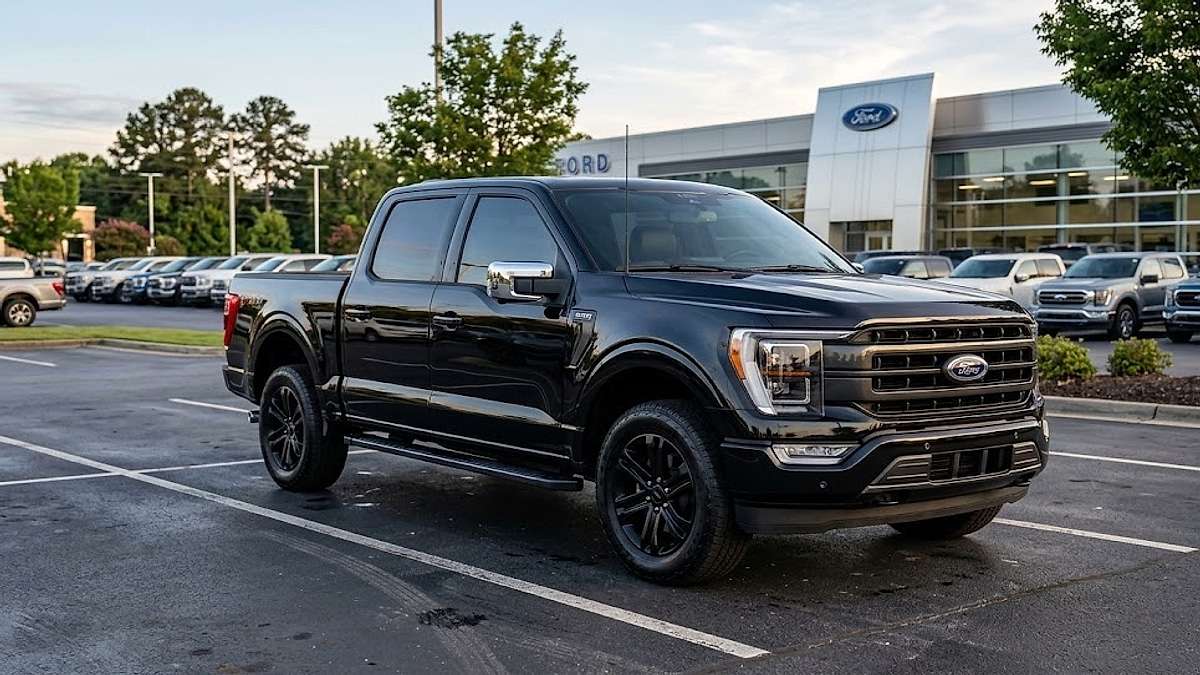
A real-world case study recently surfaced within the consumer market that perfectly illustrates this mechanical dynamic. Jordan Carter from Atlanta, Georgia, posted to the Ford F-150 Owners Facebook page, asking, "I found a 2025 Ford F-150 5.0L V8 engine that I really love, but it has 38,000 miles on the truck. Should I be worried at all about the high mileage in such a short period of time? The Carfax shows one owner, personal use, regular oil changes, and service history."
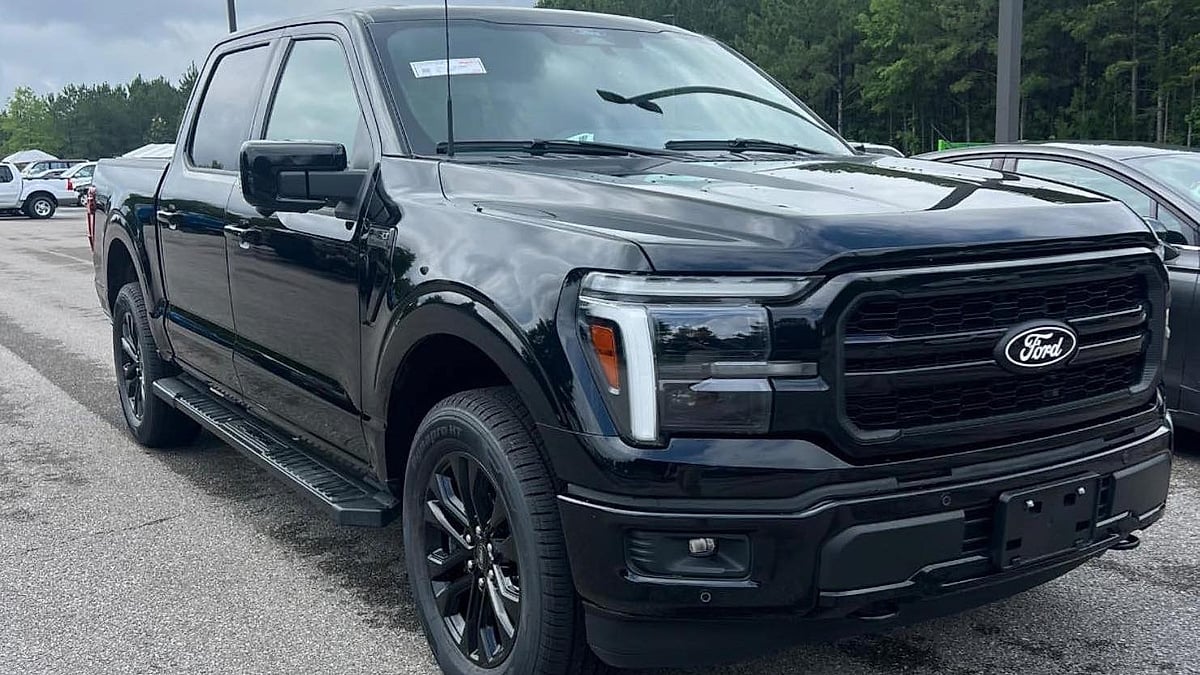
Torque News technical analysis by Denis Flierl identifies a critical gap between factory maintenance schedules and real-world component longevity, particularly regarding how early operational mileage affects long-term internal engine wear. To accurately assess whether this 38,000-mile 2025 F-150 is a smart consumer purchase or a ticking financial liability, we must look past the odometer and analyze the fundamental metallurgical and hydraulic realities of modern truck manufacturing.
Structural Wear Dynamics of Rapid Highway Mileage
In our continuous coverage of Ford reliability, Senior Reporter Denis Flierl, with 30 years of experience, has uncovered an unresolved dispute regarding how automotive consumers perceive mileage versus how powertrain components actually experience physical wear.
Continuous highway operation, indicated by a personal-use truck accumulating 38,000 miles in under 18 months (roughly 2,500 to 3,000 miles per month), provides the gentlest environment for a naturally aspirated internal combustion engine by allowing it to reach and maintain optimal operating temperatures.
At these sustained temperatures, oil viscosity stabilizes, enabling anti-wear additives to form a protective barrier over bearings, piston rings, and camshaft lobes, thereby directly challenging consumer misconceptions about mileage versus physical wear.
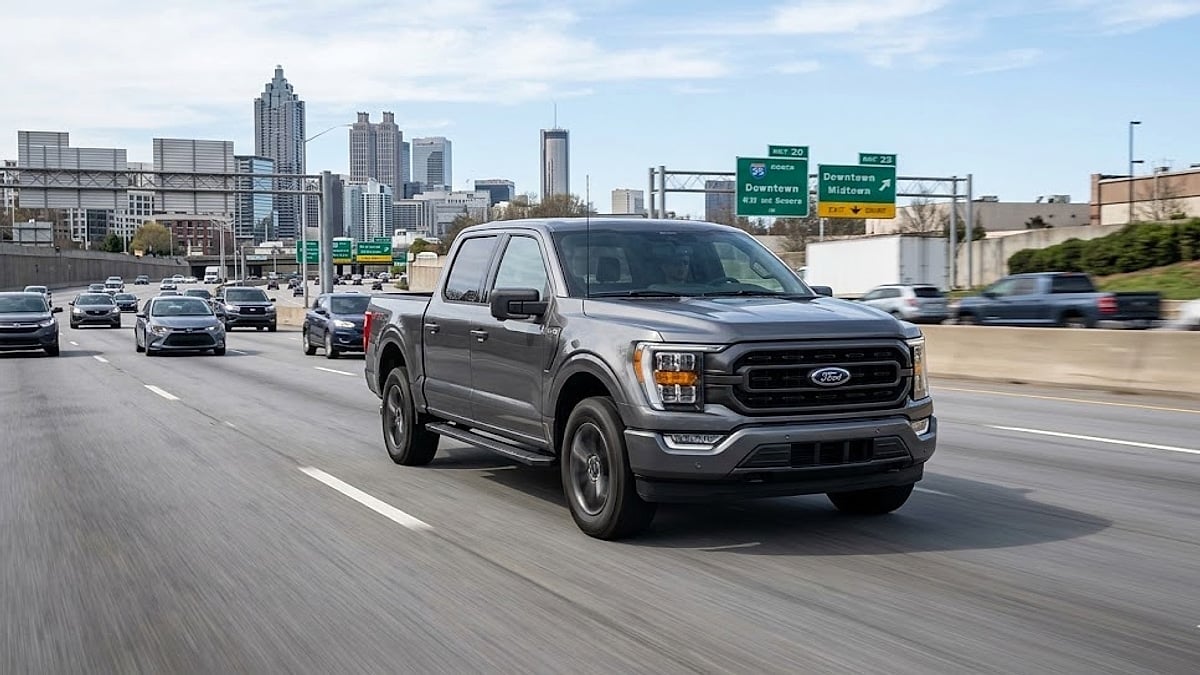
Conversely, low-mileage trucks driven short distances in urban areas rarely reach full operating temperature, allowing unburnt fuel and water vapor to collect in the crankcase, thinning the oil and forming corrosive acid.
For a deeper look at how urban driving cycles degrade modern half-ton truck components over time, a comprehensive cost-of-ownership assessment in the Hoffman Ford Pricing and Value Guide notes that advanced powertrain options require strict adherence to tailored service intervals to offset regional driving stresses.
The Gen 4 Coyote V8 Thermal Management and Oil Consumption Solution
The 2025 F-150’s 5.0L Gen 4 Coyote dual-overhead-cam V8 utilizes combined port and direct fuel injection, featuring an upgraded cylinder bore coating and updated ring tensions to eliminate the deceleration-induced oil consumption flaws of earlier variants.
This mechanical issue caused oil to be drawn past the piston rings into the combustion chamber. As documented in a comprehensive vehicle history review by the SlashGear Automotive Defects Registry, early-generation versions of this platform required extensive engine control module reprogramming to adjust deceleration vacuum parameters and minimize fluid loss.
High-mileage highway driving accelerates ring seating against the cylinder walls early in the engine's life due to consistent thermal pressure, while continuous highway operation mitigates direct-injection intake valve carbon buildup by regularly maintaining sustained operating temperatures.
Ultimately, logging 38,000 highway miles allows the engine to clear early-production assembly tolerances where manufacturing flaws typically emerge.
Assessing the 10R80 10-Speed Automatic Transmission Architecture
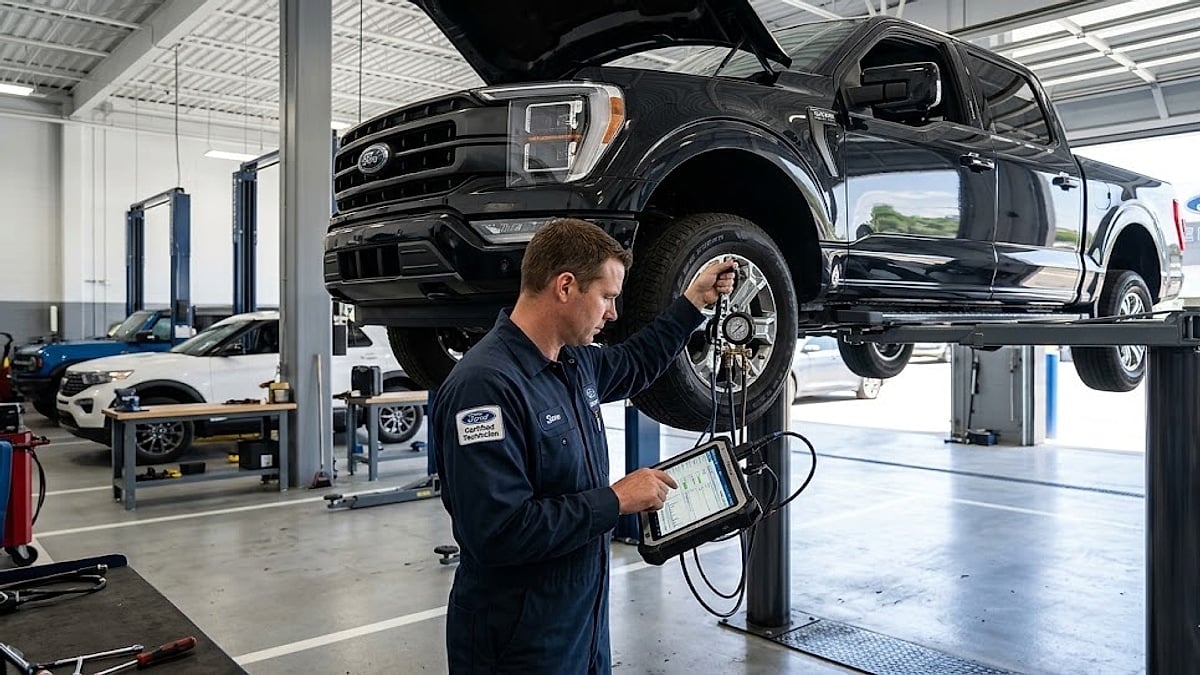
While the 5.0L engine benefits from steady highway travel, the 10R80 10-speed automatic transmission requires a targeted pre-purchase inspection because its complex system of clutches, planetary gearsets, and adaptive learning software is subject to accelerated clutch plate friction and thermal stress in the main valve body during constant city driving.
Highway miles radically minimize this wear by keeping the transmission locked in top overdrive gears, but the platform remains susceptible to software calibration issues like hard shifts or gear hunting if fluid levels or software adaptives misalign.
As previously detailed by Denis Flierl in an investigative report titled "Why a 2026 Ford F-150's 10-Spd Failed at 106 Miles," even ultra-low-mileage assemblies are susceptible to sudden component failures if a localized hardware non-conformity or a hydraulic pressure drop occurs during the early adaptive learning window.
Consequently, even a high-mileage truck that currently shifts smoothly requires a thorough electronic diagnostic scan to verify that its adaptive control modules are functioning properly and updated with the latest factory software.
High-Altitude Impacts and Colorado-Specific Field Data
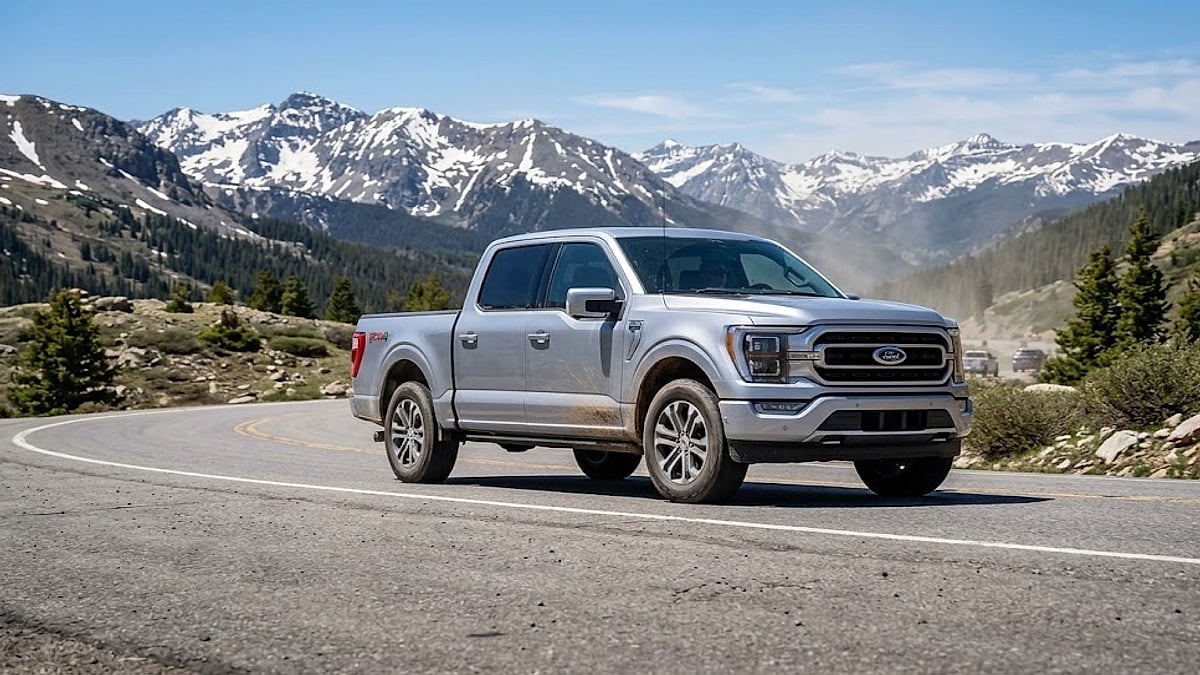
Evaluating high-mileage vehicles requires accounting for regional operating conditions, as thinner air in high-altitude regions like Colorado reduces the oxygen available for combustion and alters internal engine load calculations relative to optimal atmospheric pressure in sea-level environments like Atlanta.
As Denis Flierl explores in the technical breakdown, The 5.0L V8 Mountain Towing Action Plan, driving through high-altitude corridors requires specific axle configurations and premium fuel to compensate for the natural torque loss that occurs when climbing steep mountain passes.
When a vehicle is relocated to a higher elevation, a technician must analyze historical engine load data to verify that the powertrain was not subjected to chronic lugging, sustained high load at low RPM, which accelerates wear on the main rod bearings.
Fortunately, Jordan Carter's truck features a clean Carfax and consistent service history, indicating the previous owner followed a proactive maintenance schedule that ensured timely oil changes before thermal breakdown could compromise engine protection.
Field Observations from Owner Communities
To get an accurate picture of how the 2025 revisions handle mileage accumulation, we analyzed real-world feedback from independent owner communities. On the r/f150 community on Reddit, several owners noted that monitoring early oil levels is critical for the newest engines.
One user shared that their 2025 model showed minor oil level variations before its first service, noting that the motor was still breaking in and that regular use can consume a small amount of oil within the first few service intervals. This can be reviewed in the Reddit F-150 Oil Consumption Discussion.
In my 30 years of experience, this variation is completely normal, as the piston rings finish seating during early thermal cycles. High highway mileage accelerates this break-in process safely, whereas short city trips can prolong it and cause fuel dilution in the oil.
Another owner in the same technical community confirmed that longer trips directly improve long-term engine performance, stating that their 5.0L engine has run reliably across hundreds of thousands of miles because full synthetic oil and extended highway driving intervals kept internal consumption down, as documented in the Reddit F-150 Mileage Durability Thread.
This directly supports our shop findings: when a modern V8 is kept at steady highway speeds, it avoids the rapid buildup of carbon and moisture contamination that typically damages urban commuter trucks.
Key Takeaways
- Track the vehicle's service history rather than just checking the odometer, as consistent oil changes are critical for protecting the variable cam timing phasers on the 5.0L Coyote engine.
- Verify that the 10R80 transmission has the latest factory software updates to ensure the shifting logic matches your driving habits and prevents premature clutch wear.
- Inspect the underlying frame and suspension components for road debris damage to confirm the high mileage came from clean highway driving rather than rough commercial use.
- Leverage the steep depreciation caused by high mileage to purchase a late-model, well-maintained truck at a significant discount compared to dealership pricing.
The Next Question Used Truck Buyers Must Answer
Once a buyer realizes that rapid highway mileage can be a mechanical advantage, the next logical question is how to protect that vehicle's longevity over the next 100,000 miles. Buyers need to know whether the factory maintenance intervals are sufficient for a truck that has transitioned to a standard driving routine, or whether they need to shift to a more aggressive service schedule.
Mechanically, the answer is to move away from the factory-recommended 10,000-mile oil changes and adopt a strict 5,000-mile interval with high-quality full-synthetic oil. This proactive approach ensures that the complex hydraulic tensioners and solenoids in the variable valve timing system remain completely free of microscopic debris, protecting the engine long after the factory powertrain warranty expires.
Summary of the Investigation
This investigative review shows that prioritizing mechanical condition over arbitrary mileage thresholds allows used-truck buyers to find exceptional value in the modern secondary market. Jordan Carter’s potential 2025 F-150 presents a great opportunity to bypass the sharpest drop in vehicle depreciation while securing a mechanically stable powertrain.
As long as a certified technician performs a detailed electronic diagnostic scan and confirms the transmission software is fully updated, choosing a high-mileage, single-owner highway vehicle is a smart, reliable alternative to paying inflated dealership prices for a low-mileage city truck.
How About You? Would you buy a high-mileage 2025 truck to save thousands on depreciation, or does the odometer reading still make you hesitate? Tell us what you think and share your experiences by leaving a comment in the red "Add new comment" link below.
What's Next: In our next investigative report, "Why a Used Ford F-150 With High Mileage Is the Secret to Beating Inflated Dealership Prices," we will provide a step-by-step buyer's guide that provides a practical, real-world test-drive checklist. Skip the complex shop manuals and easily separate a pristine highway cruiser from an abused, idling city work truck. Stay tuned.
About The Author
Denis Flierl is a 14-year Senior Reporter at Torque News and a member of the Rocky Mountain Automotive Press (RMAP) with 30+ years of industry experience. Explore his full investigative reporting archives and technical guides at DenisFlierl.com. Based in Parker, Colorado, Denis leverages the Rockies' high-altitude terrain as a rigorous testing ground to provide "boots-on-the-ground" analysis for readers across the Rocky Mountain region, California EV corridors, the Northeast, Texas truck markets, and Midwest agricultural zones. A former professional test driver and consultant for Ford, GM, Ram, Toyota, and Tesla, he delivers data-backed insights on reliability and market shifts. Denis cuts through the noise to provide national audiences with the real-world reporting today’s landscape demands. Connect with Denis: Find him on LinkedIn, X @DenisFlierl, @WorldsCoolestRides, Facebook, and Instagram.
Photo credit: Denis Flierl via Jordan Carter
Set Torque News as Preferred Source on Google
Follow us today...