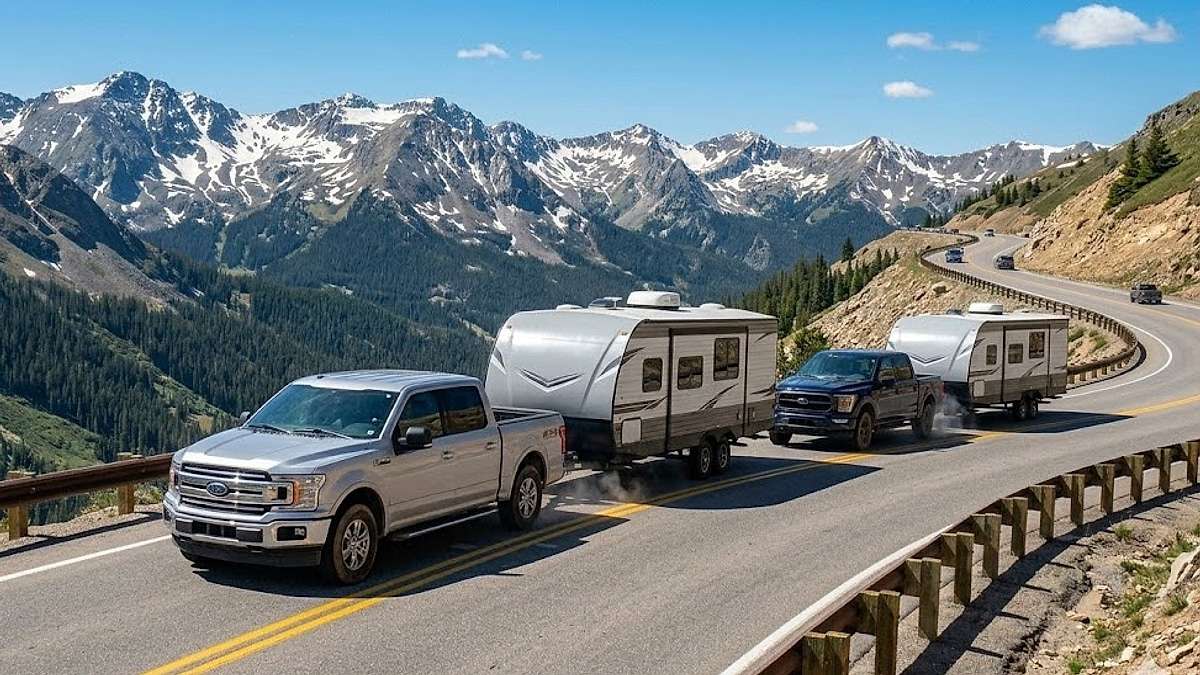

In my previous investigative report, "Why the 2018 F-150 EcoBoost Shames the 2025 V8 in the Rockies," I detailed a startling discovery rocking owner communities: an eight-year-old twin-turbo V6 is out-climbing the brand-new 5.0L "Coyote" V8 on steep grades. For many, this isn't just a technical curiosity; it’s a source of "buyer’s remorse" and mechanical anxiety. If you have already traded your high-torque EcoBoost for the signature growl of the V8, or if you are considering the switch, you need more than just a comparison; you need a solution.
Leveraging my 30 years of experience as a technical advisor and test driver in the thin air of Parker, Colorado, I have developed this action plan. This guide provides the information owners need to navigate the 2026 truck market, offering practical steps to bridge the performance gap between naturally aspirated displacement and forced-induction efficiency.
The Science of the "Scream": Understanding Your V8’s Limits
Before we fix the performance, we must understand the physics. Naturally aspirated engines like the 5.0L V8 lose approximately 3% of their power for every 1,000 feet of elevation (Baines, 2005). In the Colorado Rockies, where passes often exceed 10,000 feet, your 400-horsepower V8 is effectively gasping for air and may lose nearly 30% of its rated output.
Conversely, turbocharging increases the volumetric efficiency of an engine by using exhaust gas to force-feed air into the cylinders, effectively "normalizing" atmospheric pressure regardless of altitude (Turbocharging and Oil Techniques, 2012). This is why the 3.5L EcoBoost maintains its 500 lb-ft of torque while the V8 "whines like it wants to explode."
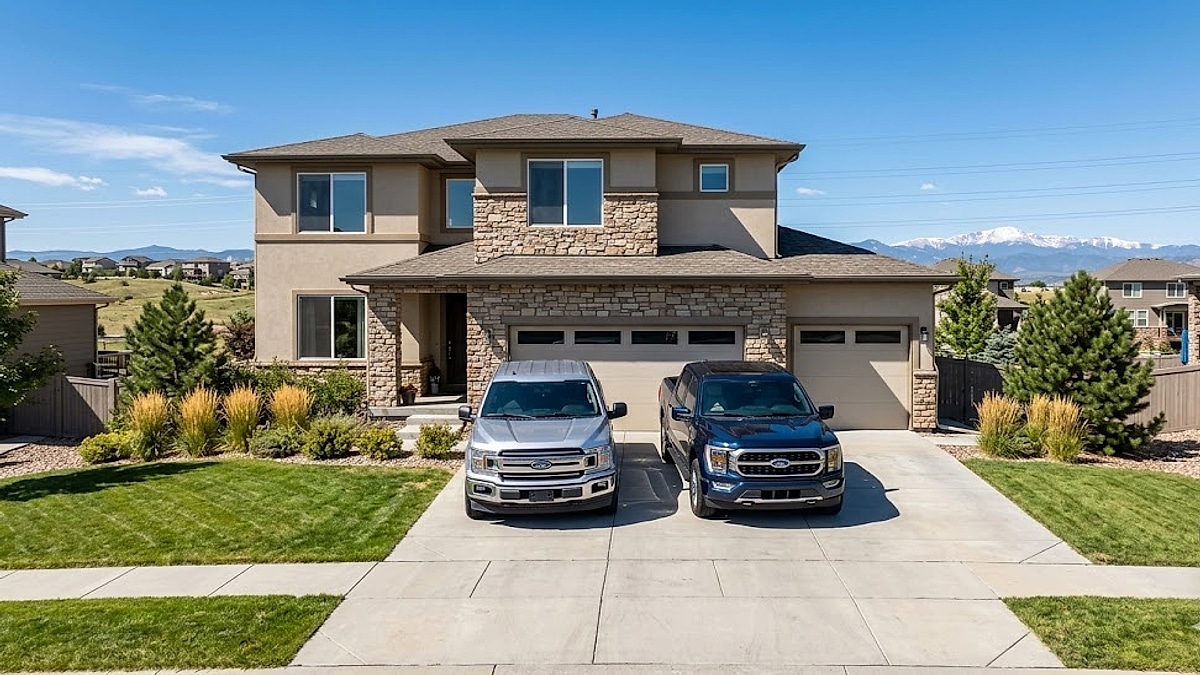
Step 1: The Mechanical Fix - Prioritize the 3.73 Axle Ratio
If you are ordering a 2025 or 2026 F-150 with the 5.0L V8, the most critical box to check is the 3.73 Electronic Locking Axle. While the 3.31 or 3.55 ratios might offer slightly better unloaded fuel economy on flat ground, they are the "kryptonite" of a mountain-towing V8.
- Why it works: A higher numerical gear ratio (3.73) allows the engine to stay higher in its power band at lower road speeds.
- The Benefit: It reduces the frequency of the transmission "hunting" for gears, a common complaint I’ve tracked in Ford reliability reports, and allows the engine to reach its 410 lb-ft torque peak without requiring a "floored" accelerator.
The Map Factor: Why MAP Sensor Data Trumps Horsepower Ratings
Beyond simple horsepower, the real-world performance gap in the Rockies is dictated by Manifold Absolute Pressure (MAP). In my three decades of technical advising, I have observed that naturally aspirated engines like the 5.0L Coyote suffer from "atmospheric starvation." At an elevation of 6,000 feet in Parker, the ambient pressure drops to approximately 11.8 psi, compared to 14.7 psi at sea level. Because the V8 cannot artificially increase this pressure, its "volumetric efficiency" is physically capped by the thin Colorado air.

In contrast, the 3.5L EcoBoost uses twin turbochargers to maintain a target MAP regardless of altitude. By "normalizing" the pressure inside the intake manifold, the 2018 EcoBoost maintains a consistent oxygen density for combustion. When you see the 2025 V8 gear-hunting and "screaming" at 5,000 RPM, you are witnessing the engine's ECU compensating for a 25% drop in air density. This isn't just a subjective "feel"; it is a measurable deficiency in oxygen intake that only forced induction can address. This technical reality is why "old" turbo tech consistently out-pulls "new" displacement at high altitudes.
Step 2: The Operational Fix - Master Tow/Haul and Manual Shifting
Many owners experience anxiety when they hear the V8 "scream" at 4,500+ RPM. From a technical perspective, the Coyote V8 is designed to rev; however, the heat generated during sustained high-RPM climbs is the enemy of longevity.
As a veteran of the Rocky Mountain Automotive Press (RMAP), I recommend the following mountain protocol:
- Engage Tow/Haul Mode Early: This adjusts the 10-speed transmission’s shift points to keep you in the meat of the torque curve and provides aggressive engine braking on the descent.
- Use Premium Fuel (93 Octane): As noted by owner Mac McCoy, using high-octane fuel allows the engine’s knock sensors to advance timing, maximizing the limited air available at high altitudes.
- Manual Locking: Lock out 9th and 10th gears entirely when towing a 7,000-lb load in the mountains. This prevents the constant shifting that leads to transmission fluid overheating.
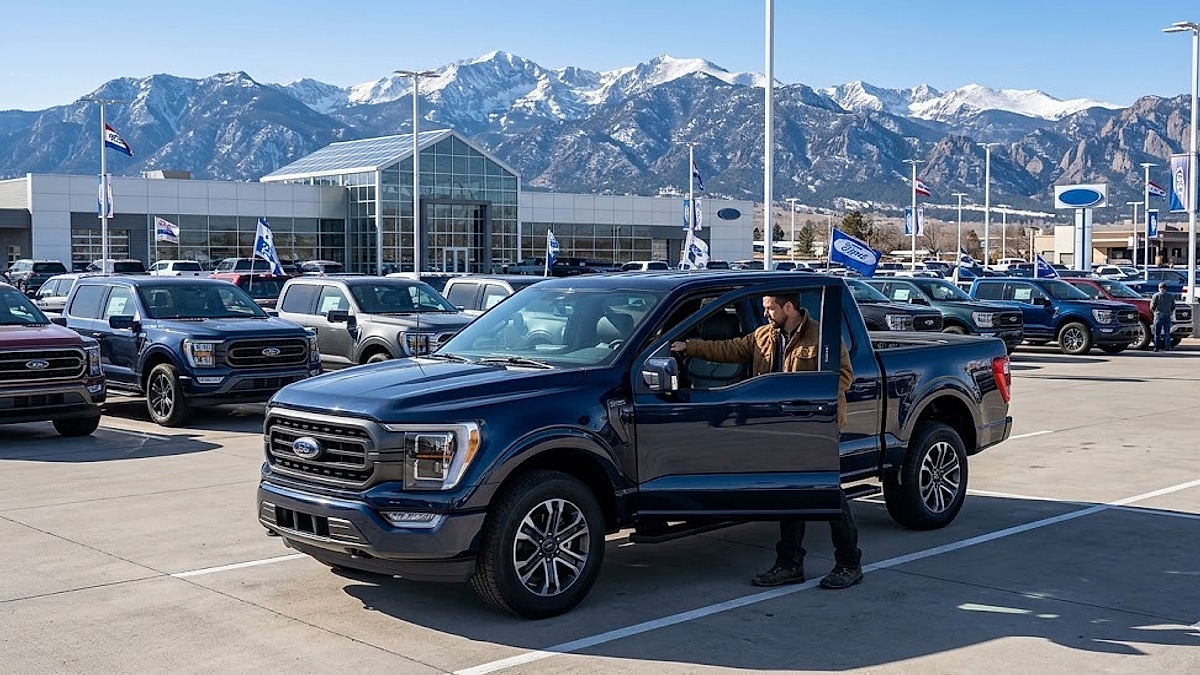
Step 3: The Consumer Pivot - The PowerBoost Hybrid Solution
If your "Action Plan" involves a new purchase and you want the "quiet confidence" of the 2018 EcoBoost with 2026 technology, the solution is the 3.5L PowerBoost Hybrid.
I have extensively monitored the transition to hybrid technology, and the data is clear: the PowerBoost delivers a staggering 570 lb-ft of torque. By combining the high-altitude immunity of the twin-turbos with an electric motor’s instant low-end torque, it effectively creates a "SOTA" (State-of-the-Art) towing experience that mimics a diesel engine. This platform addresses the "torque gap" highlighted in our previous investigative report, making it the superior choice for Colorado residents and those navigating the "California EV corridors" where efficiency and power must coexist.
A "Topical Hub" for Ford Owners
To maintain your truck’s reliability and your own peace of mind, it is vital to consult first-hand owner experiences. I previously analyzed Ford’s 5.0L V8 oil consumption issues, which can be exacerbated by the high-stress, high-RPM towing described here. By understanding these technical nuances, you move from being a frustrated owner to a "Consumer Advocate" for your own garage.
How About You? Is the "V8 Scream" a dealbreaker for you? If you’ve made the switch from a turbo to a naturally aspirated engine, have these mechanical adjustments improved your mountain towing experience? Share your story in the comments below.
Check out my previous report: (The Investigation): Read the full side-by-side comparison of the 2018 EcoBoost vs. 2025 V8 mountain performance.
About The Author
Denis Flierl is a 14-year Senior Reporter at Torque News and a member of the Rocky Mountain Automotive Press (RMAP) with 30+ years of industry experience. Explore his full investigative reporting archives and technical guides at DenisFlierl.com. Based in Parker, Colorado, Denis leverages the Rockies' high-altitude terrain as a rigorous testing ground to provide "boots-on-the-ground" analysis for readers across the Rocky Mountain region, California EV corridors, the Northeast, Texas truck markets, and Midwest agricultural zones. A former professional test driver and consultant for Ford, GM, Ram, Toyota, and Tesla, he delivers data-backed insights on reliability and market shifts. Denis cuts through the noise to provide national audiences with the real-world reporting today’s landscape demands. Connect with Denis: Find him on LinkedIn, X @DenisFlierl, @WorldsCoolestRides, Facebook, and Instagram.
Photo credit: Denis Flierl
Set Torque News as Preferred Source on Google
Follow us today...