
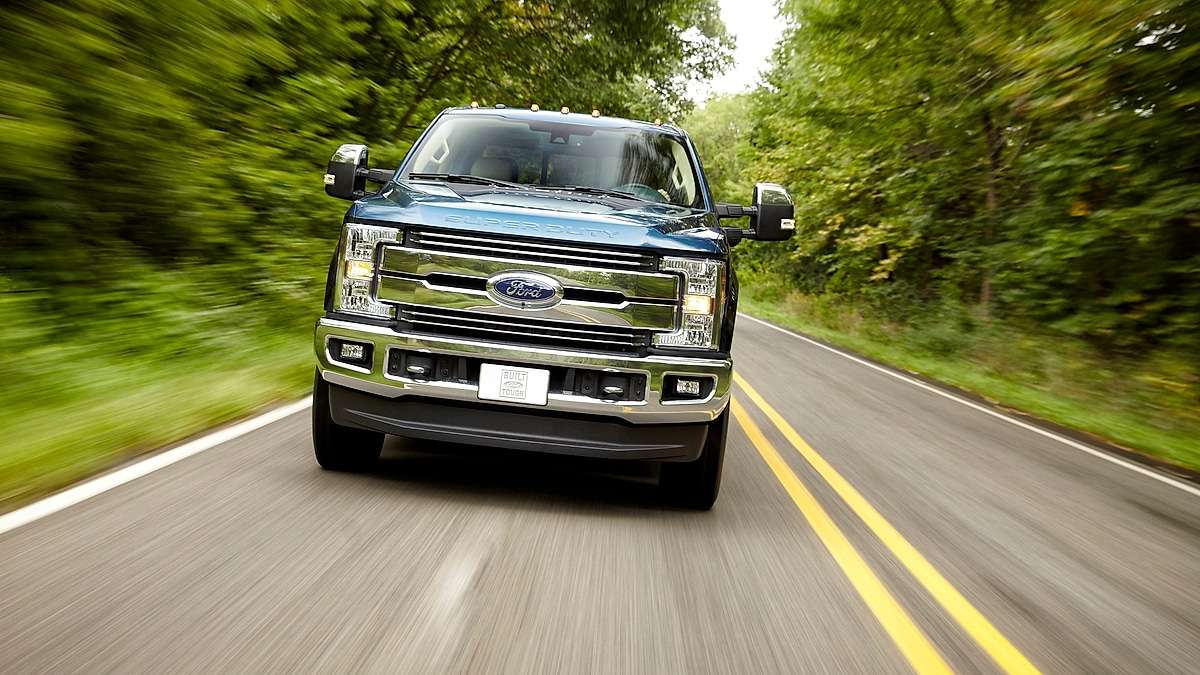

Torque News contacted Ford after the company set a modern recall record in 2025 with more than 150 safety recall campaigns. We asked for a direct response to three questions: why recall volume remains this high, whether vehicles designed during the 2016–2020 period represent a deeper quality problem Ford is still working through, and how the company accounts for its $500 million warranty cost reduction in 2025. Ford responded with a statement.
“Older vehicles designed between 2016 and 2020 continue to account for the majority of our recalls, an impact we will see until they cycle out of operation. Our newer models are demonstrating significant quality gains, with lower recall volumes than previous generations at the same lifecycle stage.”
The spokesperson pointed to lower recall volumes on newer vehicles, four J.D. Power Initial Quality Study placements, two Consumer Reports Top 10 picks, and the best reliability finish in fifteen years. The spokesperson also noted that warranty costs dropped roughly $500 million year-over-year. Then, near the end of the statement, Ford disclosed a figure that reframes what preceded it.
“In 2026, approximately 80% of all Ford recalls are due to software issues that can be addressed with an over-the-air update, mobile service, or visit to a dealer.”
Eighty percent. I read the statement twice. Ford’s response suggests the nature of its recall burden is changing. Fewer fixes may require traditional parts-and-labor repairs, while more can be handled through software updates, mobile service, or dealer-applied calibration changes. A software recall does not feel like a recall to the owner. It arrives silently, installs overnight, and disappears from memory. But the underlying problem was still severe enough to trigger a federal safety campaign. A defect that can be fixed remotely is still a defect that shipped broken.
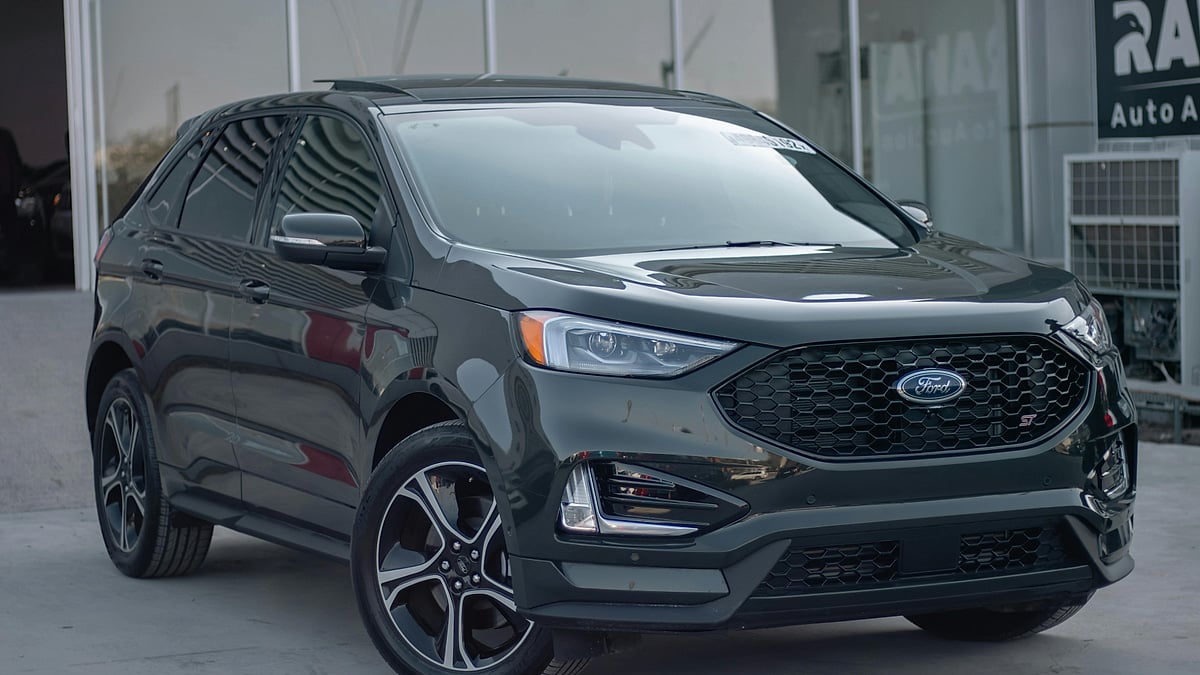
The roughly 4.3 million trucks, SUVs, and vans Ford recalled in February involved Integrated Trailer Module software that could cause a connected trailer to lose brake lights, turn signals, and, in some cases, trailer braking.
Ford Says Its 2016–2020 Design Era Is Still Driving Today’s Recall Load
Ford's spokesperson acknowledges that vehicles designed between 2016 and 2020 account for the majority of current recalls. The phrasing is careful: "an impact we will see until they cycle out of operation." That is corporate language for a half-decade quality disaster Ford is still paying for years after the last of those vehicles left the factory.
Those model years cover the Explorer redesign, the F-150 transition, the launch of the Lincoln Aviator, and the Ranger's return to the American market. They also cover the period when Ford was pushing hard into complex electrical architectures, SYNC 3 proliferation, and early driver-assistance systems that now require a steady stream of recall campaigns to keep functional. The 2018 Explorer alone has been recalled for suspension fractures, fuel leaks, software glitches, and faulty wiring. The 2019 Ranger returned to American showrooms after an eight-year absence and promptly earned recalls for transmission issues, HVAC fire risks, and faulty brake lights.
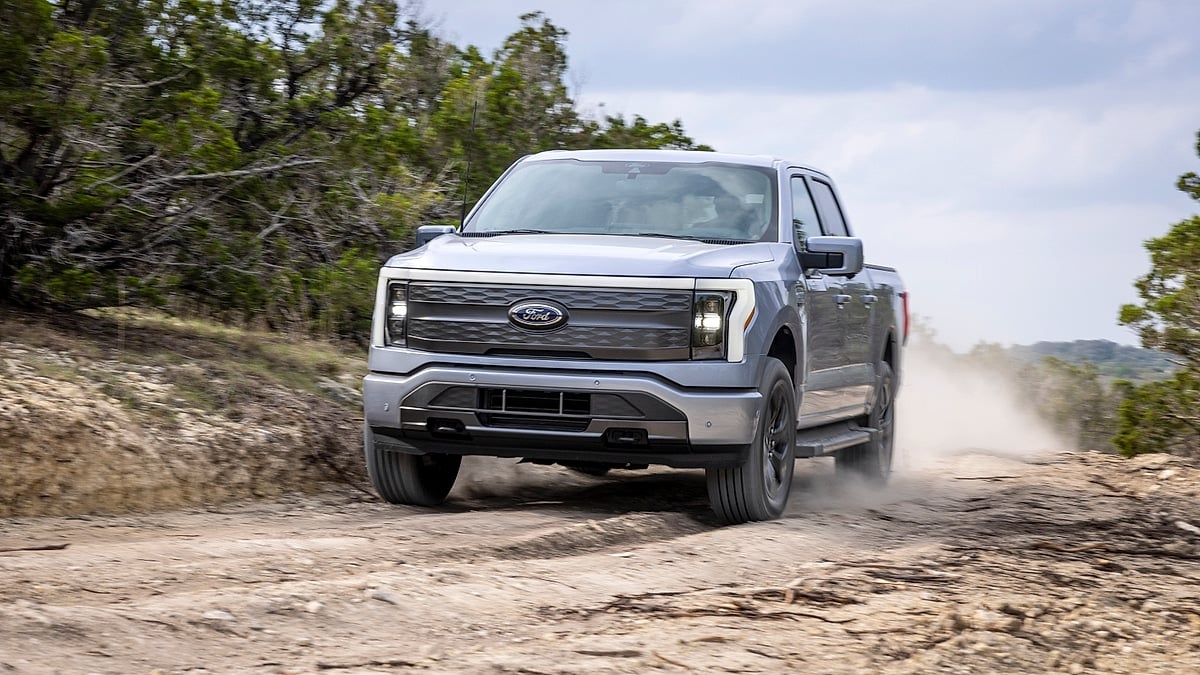
The fact that newer models show "lower recall volumes" is slight comfort to the owner of a 2018 Explorer who just received their fourth recall notice. It is colder comfort still to anyone watching Ford log 152 recalls in a single year, a record that has owners of competing brands pointing to Ford as the reason they have not switched teams. One 2026 Chevy Silverado owner said Ford's recall disaster is the only reason he still drives GM.
The $500 Million Warranty Drop Is Good for Ford, Not Necessarily for You
I asked Ford how it achieved the $500 million warranty cost reduction.
The statement attributed it to "improving the initial quality of the vehicles we are selling."
“We are making meaningful and measurable progress improving vehicle quality that has become clear over the last 12 months. Earning four spots on the J.D. Power Initial Quality Study, combined with two of Consumer Reports’ Top 10 Picks in New Cars and our best reliability finish in 15 years this past fall, shows we are moving in the right direction. We are also seeing this translate directly to the customer experience and our business. Our warranty costs are going down, dropping by approximately $500 million in 2025 versus 2024, which is directly related to improving the initial quality of the vehicles we're selling. However, we aren't resting on these achievements. We remain laser-focused on improving quality for our customers in every vehicle we assemble.”
The J.D. Power Initial Quality Study and Consumer Reports rankings are genuine achievements, but initial quality measures problems in the first ninety days of ownership.
What This Means for Your Next Truck Purchase
One 2025 F-150 owner is taking a $20,000 loss to trade his truck for a recalled Toyota Tundra with a crate engine because he sees a fixed mechanical problem as more predictable than an endless string of software patches.
Before you sign for a new Ford, check the NHTSA recall history for the exact model year and powertrain you are considering. Ask the dealer which systems rely on over-the-air updates and what happens if those updates fail. Get any warranty coverage in writing, and document every dealer visit from day one.
For shoppers, the question is no longer just “how many recalls does this model have?” It is also “What kind of recalls are they?” A software update that fixes a trailer-light fault is different from a suspension, fuel, or brake hardware repair, but both can begin as safety recalls.
About The Author
Noah Washington is an automotive journalist based in Atlanta, Georgia, covering sports cars, luxury vehicles, and performance culture. His reporting focuses on explaining the engineering, design philosophy, and real-world ownership experience behind modern vehicles.
Noah has been immersed in the automotive world since his early teens, attending industry events and following the enthusiast communities that shape how cars are built and driven today. His work blends industry insight with enthusiastic storytelling, helping readers understand not just what a car is, but why it matters.
Noah is also a member of the Southeast Automotive Media Association (SAMA), a professional organization for automotive journalists and industry media in the Southeast.
His coverage regularly explores sports cars, luxury vehicles, and performance-driven segments of the automotive industry, including the evolving culture surrounding Formula Drift and enthusiast builds.
Read more of Noah's work on his author profile page.
You can also follow Noah here:
Set Torque News as Preferred Source on Google
Follow us today...






