
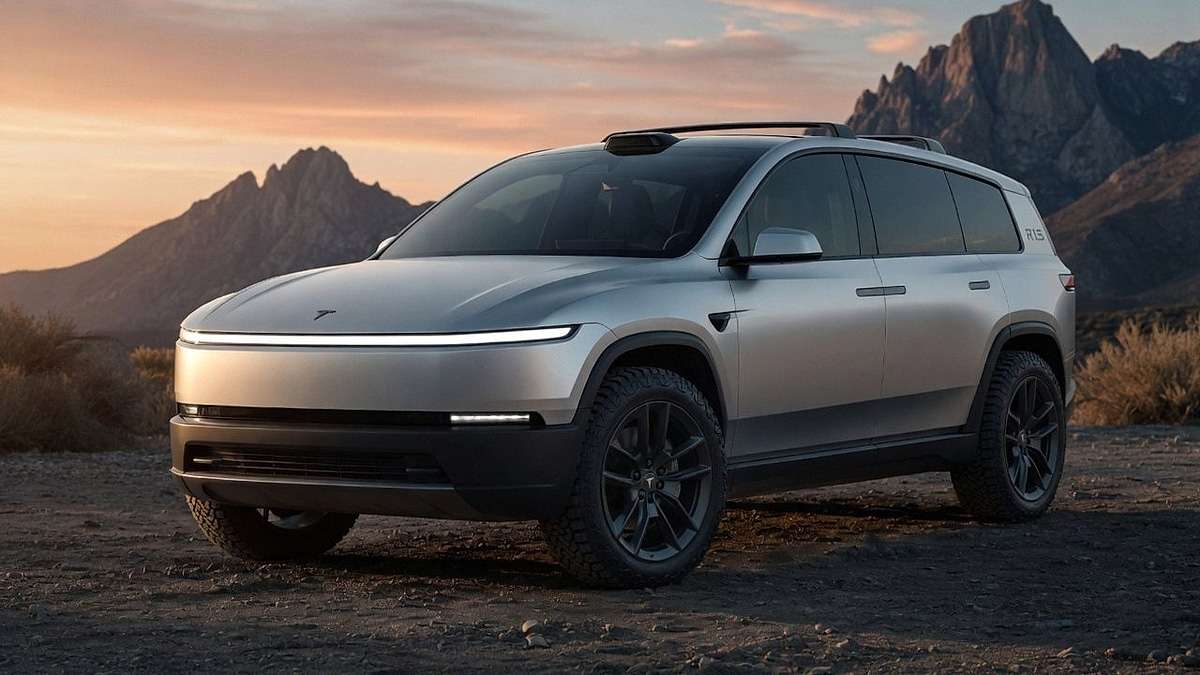

This is Armen Hareyan, founder and editor in chief of Torque News. I have covered the auto industry for fifteen years, and I still get surprised by how much shape matters to buyers. Today I posted a question on the Torque News Facebook page about why Tesla still refuses to build a minivan, and the comments proved a point I have been making about the Tesla Model Y for years. Shape sells. Boxes beat eggs. And one reader just explained why Tesla is leaving huge sales numbers on the table.
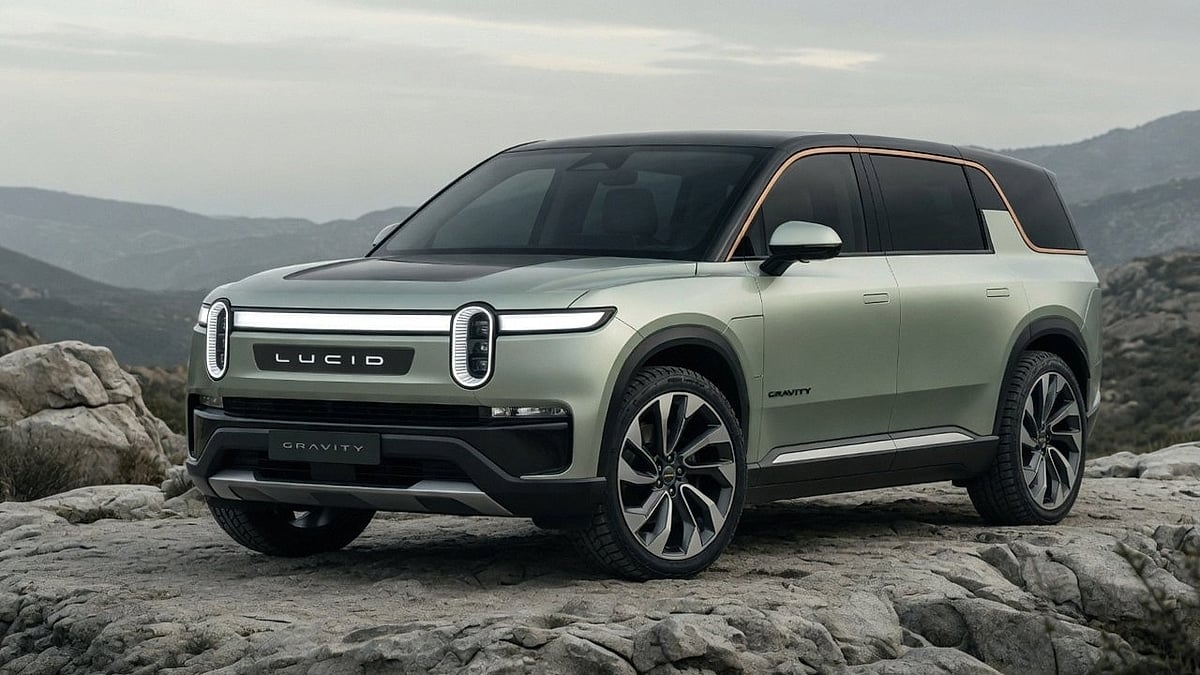
Here is my original post. "I don't know why Tesla won't build a minivan. A total of 375,000 new minivans were sold in the U.S. in 2025. Americans bought nearly 9 million SUVs. Minivans are no doubt the most practical family vehicle you can buy, but most people want SUVs. Maybe Tesla thinks a three row SUV makes more sense than a minivan. This is what Lucid did."
A reader named Sonny Sanders answered with something sharper than my own post. He wrote, "The numbers tell you that people don't want a minivan. If the Gravity looked more like a Rivian R1S it might be received better. If Tesla built something like the R1S it would blow the Model Y numbers out of the water."
But before you read further, keep this question in mind, and answer in the comments, please. Would you personally buy a boxy, rugged Tesla SUV over the Model Y you can buy today?
Why Buyers Choose Boxy SUVs Over Sleek Crossovers
Sonny is tapping into something real about how people shop. Buyers do not choose SUVs with a spreadsheet. They choose them with their gut. The Rivian R1S looks like a tool built for a job. It looks like it could climb something, tow something, or survive a bad winter. That silhouette signals capability before the driver ever touches the wheel.
The Model Y does not send that same signal. It reads as efficient, quiet, and clever. Those are great qualities for range and charging. They are not the qualities that make a shopper's pulse jump in a parking lot. Buyers keep proving, trip after trip, that they will trade slippery aerodynamics for a truck like stance. One owner who towed a heavy trailer in an R1S accepted real efficiency losses just to keep that rugged shape and real capability.
What The Lucid Gravity Proves About Aerodynamics And Range
Lucid took the opposite bet from Rivian, and the results explain exactly why Sonny's comment matters. The Lucid Gravity was sculpted with a low, swept silhouette to hit a drag coefficient near 0.24. That shape is the only reason Lucid can claim 450 miles of range without stuffing a massive, heavy pack under the floor.
The tradeoff is obvious once you see both vehicles side by side. One owner who drove the Gravity twelve hundred miles loved the range and the charging speed. But nobody calls the Gravity boxy or tough looking. It reads closer to a tall wagon than an adventure rig, and that softer profile may be quietly capping its appeal with buyers who want something that looks like it means business.
Would A Boxy Tesla SUV Really Outsell The Model Y
Here is where I push back gently on my own reader, because fifteen years of covering this industry has taught me to test every bold claim. The Model Y is not struggling. It remains the world's best selling EV globally, and it keeps outselling entire luxury brands in the United States. Blowing those numbers away would not be easy for anyone, including Tesla itself.
Still, Sonny's instinct lines up with what Elon Musk himself has hinted at recently. According to Autoblog, Musk has floated the idea of a boxier, more rugged Tesla people mover that would be "cooler than a minivan," language that fits a Cybertruck based SUV rather than another rounded crossover. That detail tells me Tesla already senses what Sonny is describing.
What A Boxy Tesla SUV Would Need To Actually Compete
If Tesla ever built this vehicle, it could not just copy the R1S look and call it finished. It would need real capability behind the styling. Buyers who own the R1S keep proving that shape alone is not enough. Some owners have dealt with repeated half shaft failures that soured an otherwise thrilling ownership experience.
Tesla's advantage here is manufacturing discipline. The company already proved with the Model Y that it can build efficient EVs at massive scale, a scale that helped it dominate crossover sales years ago. If Tesla applied that same discipline to a boxier body style, while also learning from Rivian's early reliability lessons, it really could create a genuine Model Y challenger from within its own lineup.
The Linkable Data Point Every Shopper Should Bookmark
For readers cross shopping this segment, here is a quick reference worth saving. The Lucid Gravity claims roughly 450 miles of range with a 0.24 drag coefficient. The Rivian R1S trades that aerodynamic efficiency for a boxier stance and lower real world range in demanding conditions like towing. That single tradeoff, aerodynamics against rugged styling, explains almost every buying decision in this segment right now. Bloggers and shoppers comparing three row EVs can point to that tradeoff as the real deciding factor, more than horsepower or screen size.
The Moral Behind The Numbers
Here is what fifteen years in this business has taught me. Cars are emotional purchases wearing a rational disguise. Buyers tell themselves they chose efficiency or range. Often they really chose a feeling, a stance, a shape that matched who they wanted to be seen as. There is nothing wrong with that. Just be honest with yourself before you sign the paperwork. Know what you are actually buying, the spec sheet or the silhouette.
Now it is your turn. Do you think Tesla should build a boxy, rugged three row SUV instead of leaning further into the Model Y's smooth design? And if Tesla built exactly what Sonny described, would you trade in your current EV to get one? Tell me in the comments below.
Return tomorrow, or check our Torque News Home Page for more interesting automotive news articles.
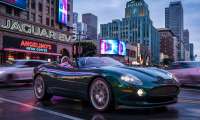
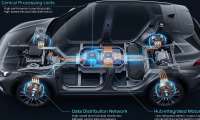
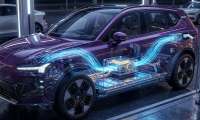
Images are renderings of a Tesla R1S and Gravity R1S imaginations.
About The Author
Armen Hareyan is the founder and Editor-in-Chief of Torque News and an automotive journalist with over 15 years of experience writing car reviews and industry news. Now based in the Charlotte region (Indian Land, SC, he founded Torque News in 2010, which since then has been publishing expert news and analysis about the automotive industry. He can be reached at Torque News on X, Linkedin, Facebook, and Youtube. Armen holds three Masters Degrees, including an MBA, and has become one of the known voices in the industry, specializing in the landscape of electric vehicles and real-world stories of actual car owners. Armen focuses on providing readers with transparent, data-backed analysis bridging the gap of complex engineering and car buyer practicality. Armen frequently participates in automotive events throughout the United States, national and local car reveals and personally test-drives new vehicles every week. Armen has also been published as an automotive expert in publications like the Transit Tomorrow, discussing how will autonomous vehicles reshape the supply chain, and emerging technologies in vehicle maintenance.
Set Torque News as Preferred Source on Google
Follow us today...


Comments
Tesla doesn’t do it because…
Permalink
Tesla doesn’t do it because mass markets don’t want it and consumer sentiment with EVs is becoming more and more price driven.
Disagree. Also Tesla is not…
Permalink
Disagree. Also Tesla is not planning to build more cars. But sell robotaxis and robots.
Are you saying Tesla won't…
Permalink
In reply to Disagree. Also Tesla is not… by Lothar Metten (not verified)
Are you saying Tesla won't make any new models in the next 3 years?