
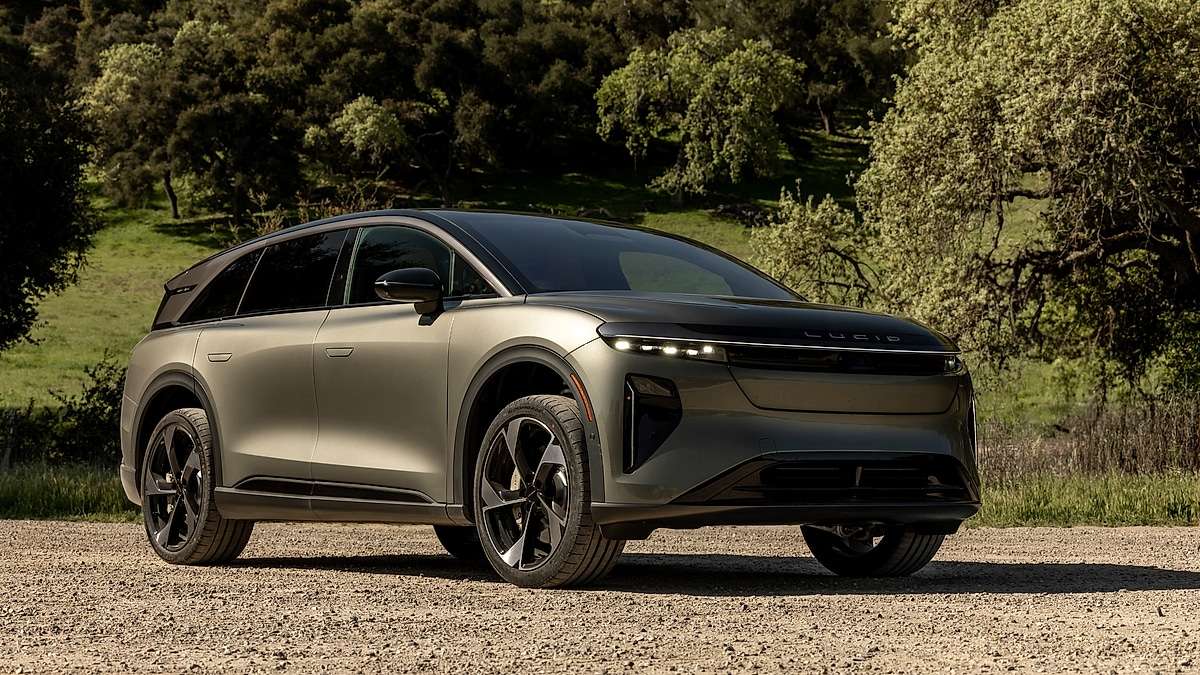

The Gravity matters more to Lucid than a normal product launch. It is the company’s first three-row SUV, the model designed to take Lucid beyond the Air sedan and into the center of the luxury family market. Reviewers have largely agreed that the vehicle itself is impressive. Car and Driver called it “a better” second act than the Air, praised its space efficiency, and said full-size adults can fit in the third row without knee contact. Lucid, meanwhile, says Gravity blends long range, fast charging, room for seven adults, and the kind of agile driving feel that usually does not come with an SUV this spacious.
That context matters because the owner's complaint at the center of this story is not about the Gravity being slow, cramped, or cheaply built. It is about a basic ownership function. In a Reddit post made five days after delivery, one owner wrote that his 2026 Lucid Gravity left him, his “35-week pregnant wife, and a toddler” stranded because the SUV would not sense the key fob and would not go into Drive. In the same post, he said this was already the third time the vehicle had failed to enter Drive, and that on delivery day the car was “bricked and needed a hard reset.”
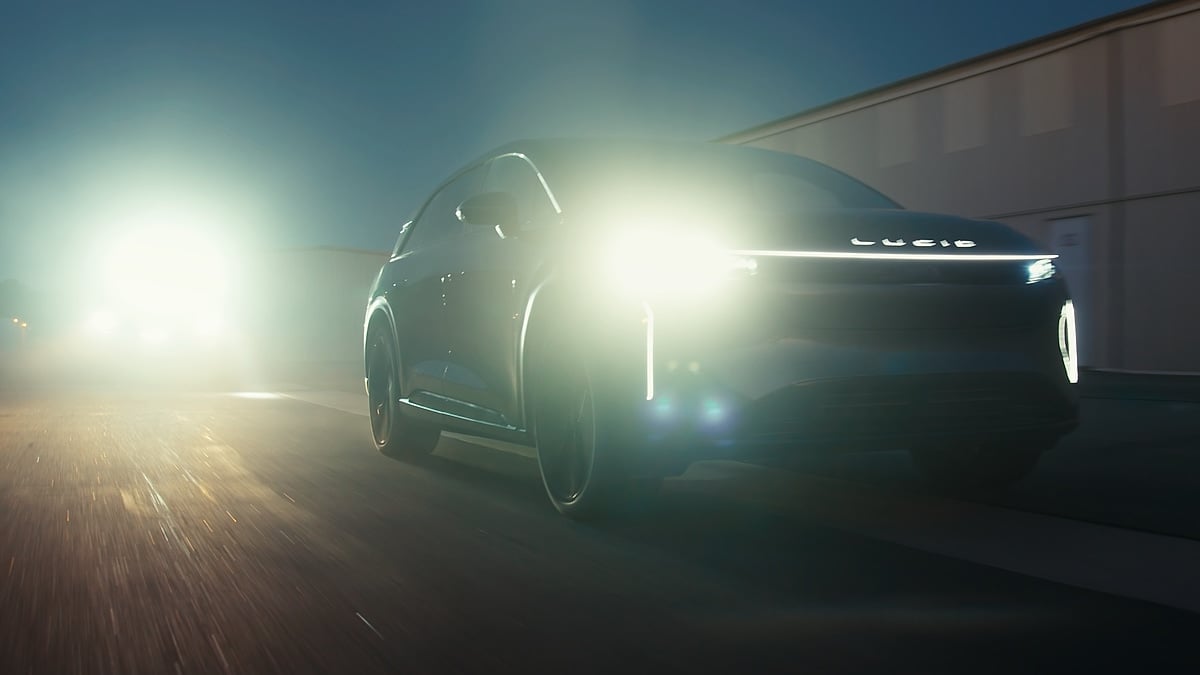
The details in the owner’s first post were blunt, but the follow-up is what turned the story into something more serious. In a later update, the same owner said Lucid employees had reached out and attempted to help, yet he still described a pattern of failures rather than one bad day. He said the key card failed on March 31, April 2, and April 7. He said the key itself was not recognized on April 9, which is the event he says stranded his family. He also reported a rear-steer fault, a DreamDrive Pro malfunction, and a scratched driver-side window.
The most revealing part of the post is that the owner still likes the vehicle
One reason the account carries weight is that it does not read like a blanket rejection of the Gravity. In his update, the owner wrote, “I absolutely love the car,” then went on to praise the chassis and handling. In the original post, he said the SUV “drives like no other EV,” comparing its size to a Cayenne, its interior space to a Tahoe, and its handling character to a CTS-V.
That split is important. Plenty of frustrated owner posts read like a total breakup with the product. This one does not. The complaint is narrower and, in some ways, more damaging because of that. The owner appears to think the Gravity is an exceptional vehicle when it is working. His frustration is that a six-figure SUV with family duty should not be forcing him to think about resets, key batteries, app-based workarounds, and whether the vehicle will recognize its access devices at all.
Lucid had already told customers these exact areas were improving
This is where the story stops being just another forum complaint and becomes a real test of credibility. On February 2, Lucid published details for Gravity software version 3.4 and highlighted a set of fixes aimed squarely at access and startup behavior. The company said the update brought “more reliable key fob detection for quicker unlocking and smoother transitions into Drive.” It also said the software would deliver “faster and more consistent tap-to-drive performance with the key card,” along with improved key-fob battery life and earlier low-battery alerts.
Those are not vague promises. They are specific claims about exactly the sort of problems this owner says he experienced after delivery. The timing is difficult for Lucid because the owner said he took delivery on March 31, nearly two months after Lucid publicly told customers that Gravity’s key-fob detection and transitions into Drive had become more reliable. If his timeline is accurate, then the issue is not just that Gravity had early bugs. It is that the customer experience this owner describes appears uncomfortably close to the one Lucid had already said it was improving.
Lucid’s own CEO had already acknowledged the problem in unusually direct terms
Lucid’s public language about Gravity software issues was not limited to release notes. In January, interim CEO Marc Winterhoff told InsideEVs that the company had made major personnel changes after the launch of Gravity. “I basically replaced the whole software leadership team,” he said. In that same report, Winterhoff said Lucid was “very close,” and added that Gravity would be “over the hump by the end of January, latest, end of March.” He also said the key-fob issue had been fixed “to an almost complete extent.”
Winterhoff’s most memorable line in that report was not defensive. It was candid. “It’s sometimes embarrassing,” he said, adding that Lucid had “such a fantastic car” and then contrasting that with a key fob that did not work reliably. That quote matters because it shows Lucid leadership understood the optics and the ownership consequences of this problem well before this latest owner account surfaced.
Set beside the Reddit timeline, those statements create the real tension in the story. Lucid leadership publicly acknowledged the problem, said changes had been made, and projected that Gravity would be in a much better place by late March. This owner says he took delivery on March 31 and then spent the first days of ownership dealing with access and startup failures anyway.
What Does The Failure Say?
The replies to the owner’s posts show a split that is familiar in the early life of software-heavy vehicles. Some owners said they had no such issues. Others said their card key worked perfectly, or that the Lucid app had become reliable enough to use as a fallback. Several suggested updating the fob firmware, replacing the battery, using the key card more consistently, or starting the vehicle through the app.
Lucid does support those alternatives. In its support documentation, the company explains how to link a smartphone as a Mobile Key and says that, once setup is complete, the phone can be used “as a key.” Lucid also notes that allowing certain background permissions helps the phone communicate with the vehicle even when the app is closed, and the phone is still in a pocket or bag.
None of that is trivial. Backup access methods are genuinely useful, and there is nothing wrong with a luxury EV offering multiple ways into the vehicle. But the owner’s account points to a larger problem that no software-heavy automaker wants attached to a flagship family product. Once owners begin speaking fluently about fallback routines, battery swaps, hard resets, and alternate unlock methods, the conversation has already shifted away from the polish premium buyers expect.
That is especially true in this case because the owner says he had already tried some of the obvious remedies. In the first post, he wrote that Lucid had replaced the fob battery at the dealership. In the follow-up, he said he had updated the fob and still had the same issue. He also said hard resets helped in some instances, but did not resolve the stranded episode tied to the key fob.
What service did and did not resolve
According to the owner’s update, Lucid sent a loaner and took his Gravity to a service center about 1.5 hours away. He says the scratched window was replaced, but that the rest of the concerns were categorized as “could not replicate.” He also described problems with the loaner itself, including a soft-close door issue, a non-functioning 360 camera, and a door handle that would not deploy.
That does not prove a fleet-wide pattern, and it should not be treated as one. It does, however, sharpen the one point that matters most here. For this owner, the gap between Lucid’s public assurances and the first days of real ownership was not abstract. It showed up in moments when the vehicle allegedly would not go into Drive, when a family trip was interrupted, and when the service outcome appears to have fallen short of a full explanation.
This issue lands at a sensitive time for Lucid
Gravity does not arrive in a vacuum. Reuters reported on April 3 that Lucid’s first-quarter deliveries were disrupted for 29 days because of a supplier quality issue involving Gravity’s second-row seats. The report said Lucid delivered 3,093 vehicles in the quarter, below analyst expectations, and recalled 4,476 Gravity SUVs built between December 2024 and February 2026 over seatbelt anchor welds that did not meet safety standards.
Those seat issues are separate from the owner’s complaint about access and startup behavior, but they still matter because they reinforce the same broader question. Gravity is the vehicle Lucid needs to execute cleanly. It is the product that has to prove Lucid can combine standout engineering with ordinary day-to-day dependability. Range, charging speed, packaging, and ride quality all help sell the vehicle. They do not compensate for a trust problem if buyers begin to wonder whether the basics are mature enough for family use.
Gravity still looks like a great SUV. That is what makes this problem more serious
If the Gravity were mediocre, posts like this would be easier for Lucid to dismiss as part of the noise that follows any launch. But the opposite appears to be true. Gravity has been marketed as one of the most capable luxury EVs in its class, and many early impressions suggest Lucid has built something genuinely special in terms of packaging, performance, and comfort. That only raises the stakes for problems tied to access, startup, and basic software confidence.
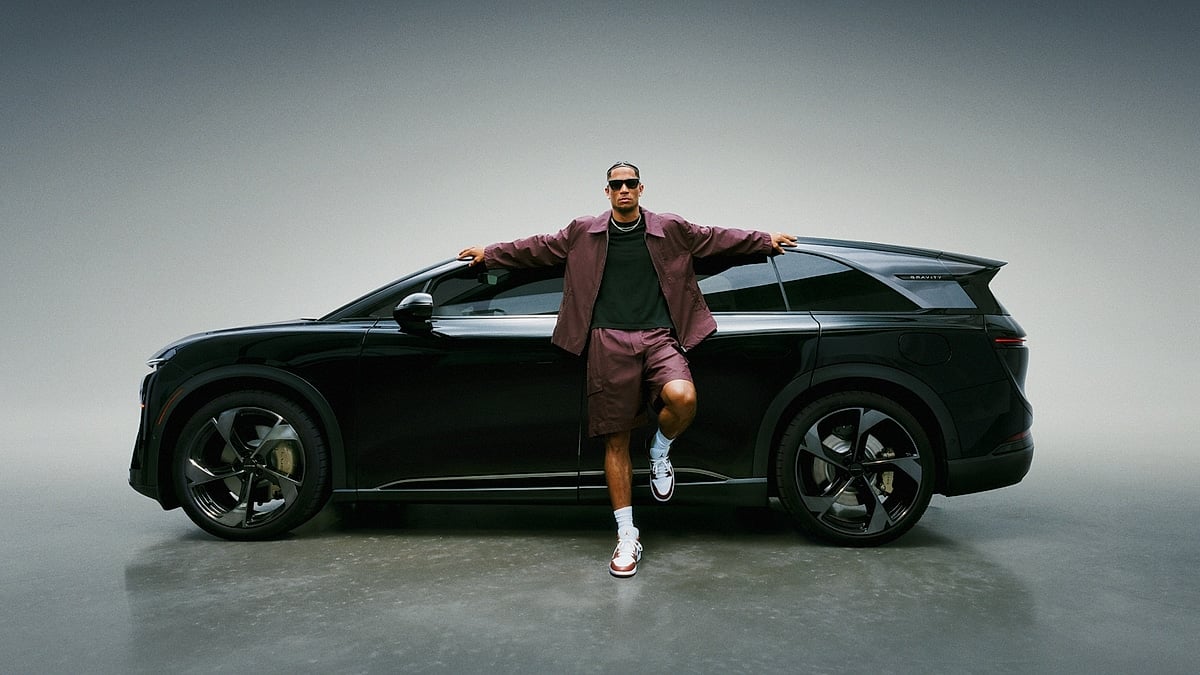
The owner’s posts do not read like the reaction of someone who thinks the Gravity is overhyped. They read like the reaction of someone who thinks the vehicle is outstanding, but cannot reconcile that with a six-figure ownership experience that still appears vulnerable to the same key and startup issues Lucid publicly said it was addressing.
For Lucid, that is the challenge now. The company has already shown it can build a technically impressive SUV. The next standard is simpler and less forgiving. Buyers need to feel that Gravity will recognize its key, accept its card, enter Drive, and leave the driveway without drama. Until that confidence becomes routine, every claim about how far Gravity can go on a charge will sit beside a more immediate question about whether it will go at all.
Image Sources: Lucid Media Center
About The Author
Noah Washington is an automotive journalist based in Atlanta, Georgia, covering sports cars, luxury vehicles, and performance culture. His reporting focuses on explaining the engineering, design philosophy, and real-world ownership experience behind modern vehicles.
Noah has been immersed in the automotive world since his early teens, attending industry events and following the enthusiast communities that shape how cars are built and driven today. His work blends industry insight with enthusiastic storytelling, helping readers understand not just what a car is, but why it matters.
Noah is also a member of the Southeast Automotive Media Association (SAMA), a professional organization for automotive journalists and industry media in the Southeast.
His coverage regularly explores sports cars, luxury vehicles, and performance-driven segments of the automotive industry, including the evolving culture surrounding Formula Drift and enthusiast builds.
Read more of Noah's work on his author profile page.
You can also follow Noah here:
Set Torque News as Preferred Source on Google
Follow us today...





Comments
While the key fob issue is…
Permalink
While the key fob issue is not acceptable for any car, it should be noted that the original poster failed to try the lucid app to start the car. This feature has been live since 3.5.1 software update and works flawlessly every time. It seems the original poster had no idea this was an option and instead claims he was stranded because the ‘fob didn’t work’. Multiple owners commented on this on his post.
The fob, card, and start…
Permalink
In reply to While the key fob issue is… by Dr7733 (not verified)
The fob, card, and start behavior still need to be reliable.