
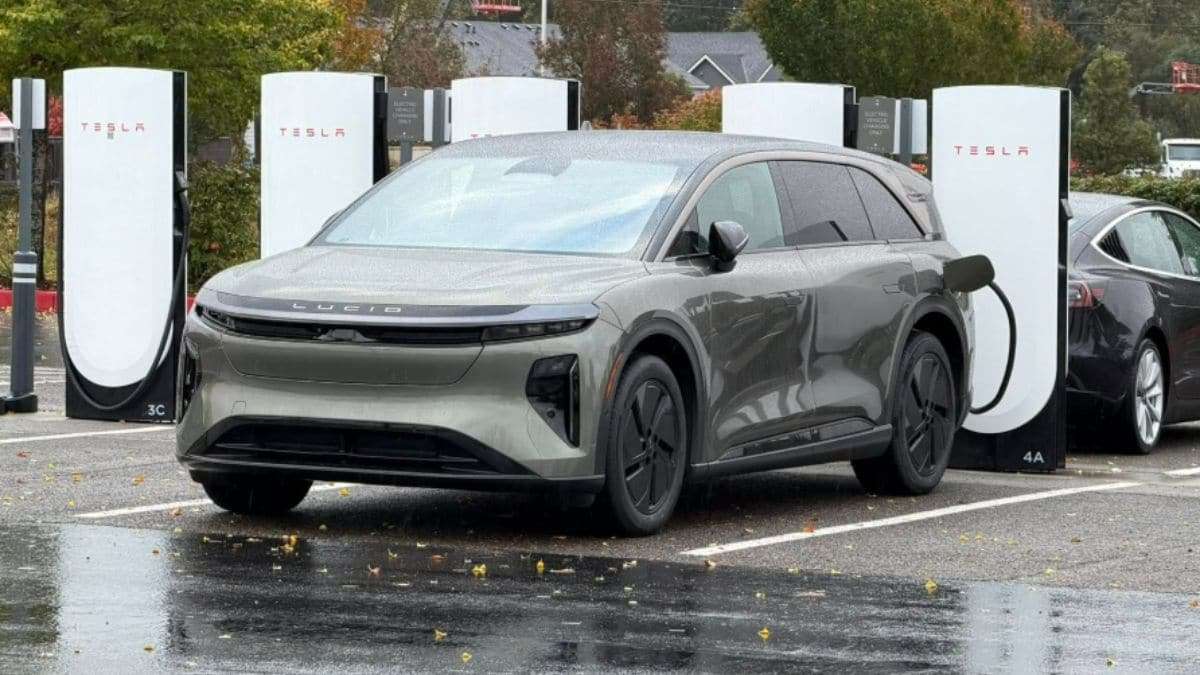

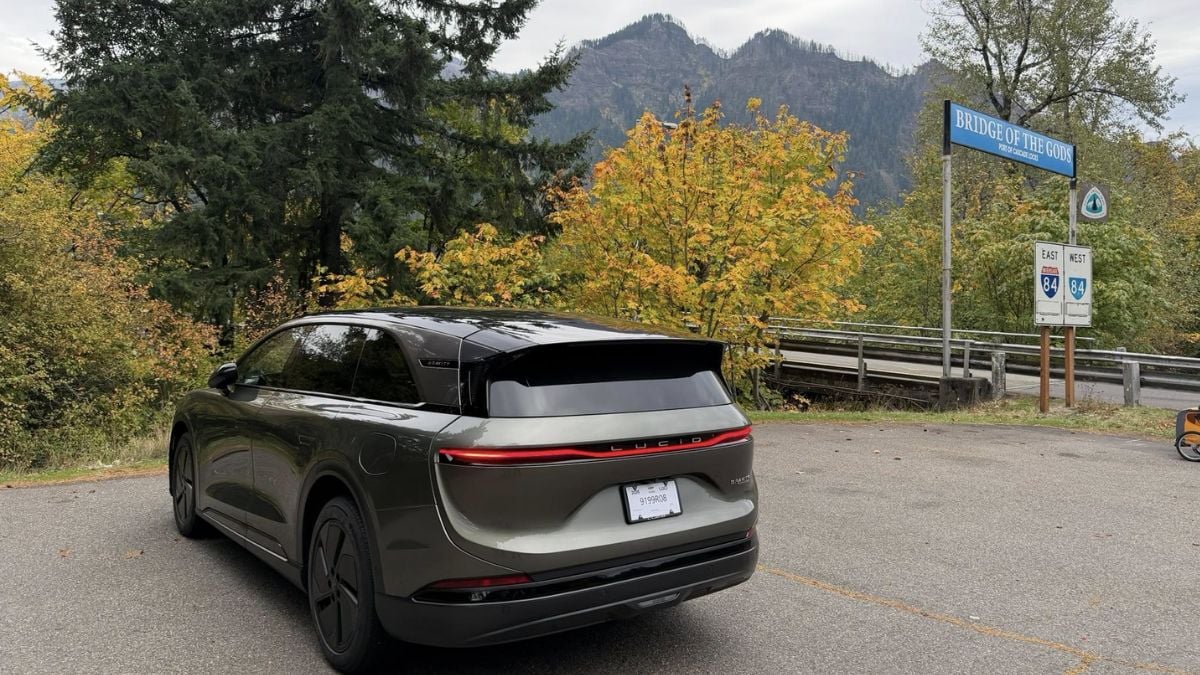
Every EV road trip has a moment where the brochure numbers disappear and the vehicle has to prove itself in the real world. That moment tends to separate marketing optimism from engineering reality, and it's often the moment when owners form their strongest opinions about the car they bought. For many people, that moment is stressful. For others, it becomes the reason they fall in love with the vehicle in the first place. For one Lucid Gravity GT owner, that moment unfolded on one of the most scenic highways in the Pacific Northwest. I recently came across a firsthand account from Robin Widoff in the “Lucid Owners Club” group on Facebook, who decided to put a Lucid Gravity GT through a proper long‑distance road test along the Columbia River Gorge between Oregon and Washington. Instead of speculating or comparing charts, Robin used a real road trip to measure comfort, charging behavior, and highway composure.
Here’s how Robin put it: “It’s Road Trip time for my Lucid Gravity GT! I really wanted to go on a proper road trip to the Columbia River Gorge between the great states of Oregon and Washington. This weekend was our opportunity. I really was able to experience excellent handling. It was quick and responsive. We really enjoyed the smooth ride and comfortable luxury of the Gravity. The Gravity was easy to load and unload just like a Station Wagon. The Tesla V4 Supercharging was amazingly fast and seamless. The Gravity charges so much faster than my Tesla Model Y. I configured my Gravity to get the full 450 miles of range and it met my expectations. No more range anxiety. I did have to make those extra charging stops, which I had to do in my Model Y too. I saved so much time not having to charge-up so often. The Lucid Gravity GT is the perfect road tripping vehicle.”
What Robin’s Post Actually Proves
From that description alone, two things stand out immediately. First, Robin didn’t just drive the Gravity, he tested it under the exact conditions that normally expose EV weaknesses: long miles, interstate speeds, elevation change, real cargo, and unfamiliar infrastructure. Second, the conclusion wasn’t cautious or qualified. It was confident. Robin didn’t come back saying the Gravity "held up better than expected." He came back calling it the perfect road trip vehicle, which is something you don’t hear often in EV forums unless the experience leaves no room for doubt.
That confidence matters because Lucid as a brand still occupies an unusual place in the EV landscape. On one hand, it has proven efficiency in long-distance travel, as seen in owners who reported that their Lucid Air road trip proved it to be a true efficiency leader even with its expensive price tag. On the other hand, Lucid is still new enough that every positive long-trip report functions almost like field evidence in a debate people are still having about the brand’s viability.
Community Reactions to Robin’s Trip
The reactions under Robin’s post revealed the two dominant mindsets that exist inside the EV community right now: those who see Lucid as the new long‑range benchmark and those who remain skeptical until numbers are proven in imperfect conditions.
Shardul‑Neha Purohits captured the sentiment of the first group: "Great photos, and I agree, the Gravity might be the ultimate road trip vehicle! No range or space anxiety!"
That comment reinforces one of the most overlooked strengths of the Gravity, as it doesn’t just carry people, it carries vacation cargo with the practicality of a tall wagon and the packaging efficiency of a purpose‑built EV.
But not everyone in the thread echoed pure celebration. Paul Leigh offered an important reality check: "Range anxiety? The reality is very different. To get a rated range of plus or minus 400 miles, you would need perfect conditions... The reality is you get 250‑285 miles from a full charge. This was driving at 75 on I‑70 (either way) for 500 miles.”
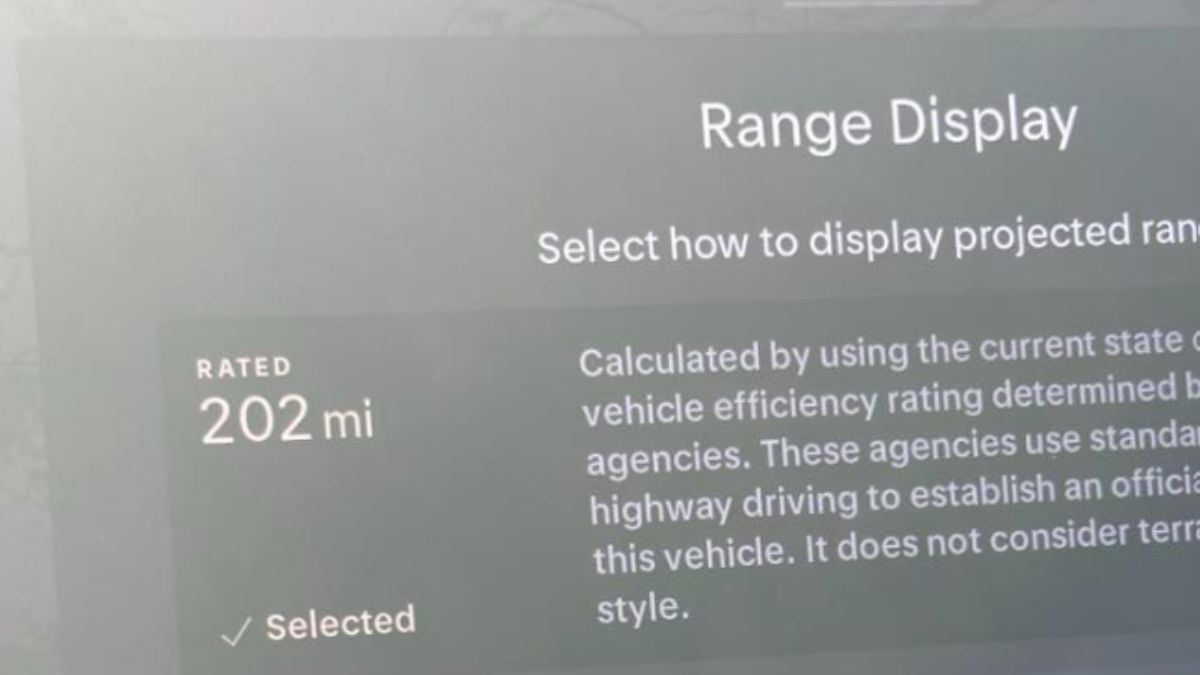
Paul’s point cannot be dismissed as negativity. Driving 75 mph on the open interstate exposes aerodynamic drag, elevation and temperature effects that no EPA label accounts for. It is the same reason some Lucid Air owners reported mild nausea from aggressive regen and motion behavior on mountain passes, proving how driving style and terrain can change the experience dramatically. At the same time, Paul’s experience doesn’t invalidate Robin’s. Different speeds, grades, cargo, temperatures, and even wind direction can swing real‑world EV range by 30–40%.
Tesla vs. Lucid on Real Distance Travel
Robin’s comparison to the Tesla Model Y is significant because the Model Y is the default mental reference point for most EV owners. Tesla has dominated real‑world road tripping for a decade because its Supercharger network solved the anxiety problem long before anyone else.
Lucid does not yet have the network advantage Tesla built, but what Lucid does have is hardware that takes better advantage of the network now that V4 stations are being opened to other brands. Robin noticed this directly, as the Gravity charged faster and spent less time stopped even though both vehicles technically needed the same number of stops over a similar route. That difference is architectural.
Lucid’s 900‑volt charging system and flatter charging curve allow it to pull high power longer, meaning those stops are materially shorter. And when the scenery is a national‑park‑grade corridor like the Columbia River Gorge, the less time spent sitting at chargers and the more time spent driving is where road trip memories are actually made.
Why the Gravity Feels Different on the Road
Range numbers matter on paper but ride quality determines whether a long EV trip feels like endurance or relaxation. Robin mentioned the Gravity’s handling and comfort as standout qualities, and that matters more than most people realize. Sustained highway driving amplifies small differences. A vehicle with slightly better body control, noise isolation, or seating support can feel dramatically less tiring after four or five consecutive hours of travel.
It also fits a pattern we have seen emerging from long-term Lucid drivers. In a previous report, a Lucid owner wrote that three years of daily driving through the Rockies revealed that EV smoothness and throttle control change the way people experience fatigue over distance, not just energy consumption. That kind of advantage doesn’t show up in a spec sheet but shows up in how willingly owners attempt trips like Robin’s in the first place.
Charging Behavior Is Now as Important as Range
One of the most important parts of Robin’s experience was not the distance either, it was the time saved not charging. That is a shift in how EV road-trip success is being measured. First-generation EVs were graded entirely on how far they could go. Modern EVs are being graded on how little they disrupt the trip.
This is where Lucid is beginning to separate itself from Tesla. Tesla still has the advantage in network density, but Lucid has begun winning in some areas regarding charging efficiency. That efficiency difference is what allowed the Gravity to meet Robin’s expectations without the psychological fatigue that comes from waiting next to a charger for too long.
Questions Other Owners Had
Not everyone in the thread focused on range or comfort. Leon Jonahson asked a more technical follow‑up: “How did you configure your Gravity to get 450mi? Curious as to what settings, etc. you used.”
The question is a reminder that Lucid’s range numbers come from behavioral choices just as much as hardware limits and how the vehicle is actually driven on the road. Drivers can configure drive modes and speed targets to shape efficiency outcomes too. In a sense, the Gravity gives owners more control over how they achieve long distance travel rather than leaving it fixed to hardware and hope.
So I think what makes Robin’s experience valuable is not that it paints Lucid in flawless light, but that it shows where the EV conversation has shifted. We are no longer arguing about whether an EV can survive a long trip, but we are now judging how gracefully it does it: how predictable the range feels in motion, how tolerable the charging pauses are, and how the ownership experience stacks against brands people already trust. Robin’s post reads less like fan praise and more like evidence that EV road‑tripping has entered a second phase where refinement and time‑efficiency now carry as much weight as raw range claims.
Moral Takeaways for Readers
- Real‑world EV range is conditional. Speed, elevation, trailer height, and temperature can swing results by hundreds of miles between different drivers.
- Charging curve now matters more than EPA labels. A vehicle that spends less time stopped can outperform one rated with more range on paper.
- Comfort compounds over distance. Suspension tuning, cabin quietness, and seating determine whether owners want to keep driving long‑term.
- User control shapes outcome. Efficiency in modern EVs is not passive. Owners influence it through configuration and driving habits.
- Anecdotes are becoming evidence. Each trip report like Robin’s pushes the EV discussion away from theory and toward lived reality.
Your Turn to Share
Have you ever taken an EV on a long trip and found that the real‑world experience was completely different from what the specifications suggested?
Or do you believe electric vehicles are still not mature enough for long‑distance travel without compromise?
Don't hesitate to share your personal experience in the comments below.
Aram Krajekian is a young automotive journalist bringing a fresh perspective to his coverage of the evolving automotive landscape. Follow Aram on X and LinkedIn for daily news coverage about cars.
Image Sources: The “Lucid Owners Club” public Facebook group.
Set Torque News as Preferred Source on Google
Follow us today...




Comments
Enjoy the dream of having a…
Permalink
Enjoy the dream of having a Lucid car.