
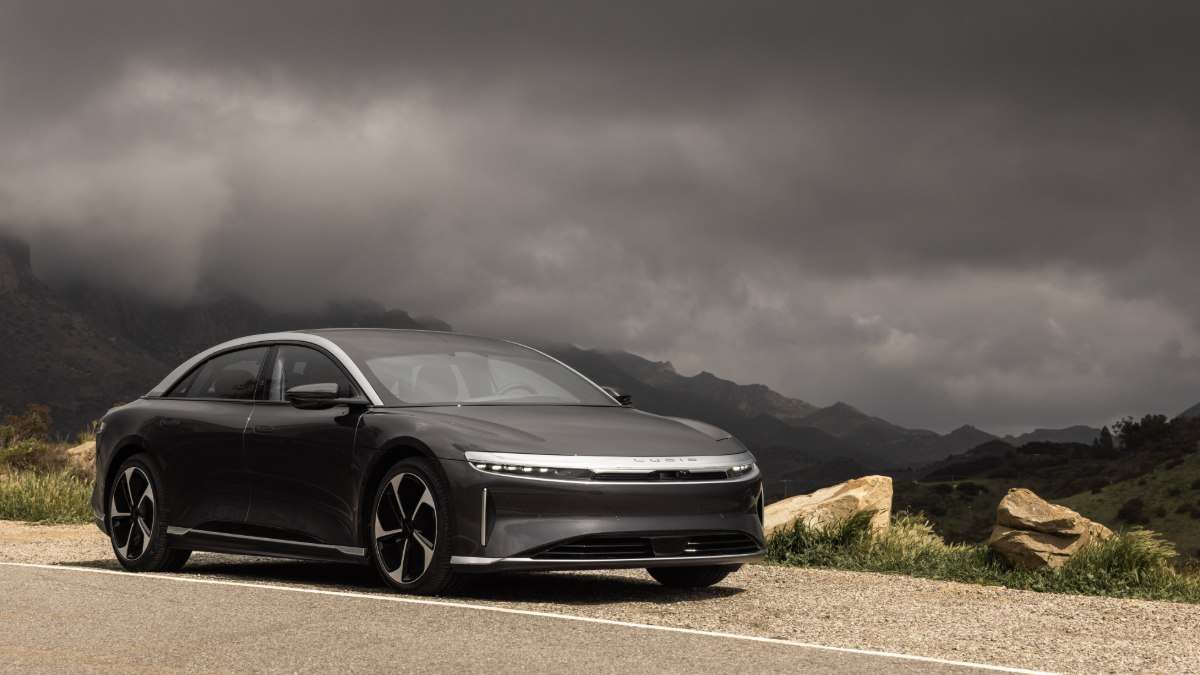

Public fast charging is supposed to be the reassuring safety net of electric vehicle ownership, the place where range anxiety goes to die. Instead, a recent post in the Lucid Owners Club shows how quickly confidence can erode when the numbers on the screen do not line up with the physics of the car. The image is stark: a public charger in Quartzsite, Arizona, displaying a $74.14 charging session, claiming to have delivered more energy than the entire battery capacity of the vehicle it was charging.
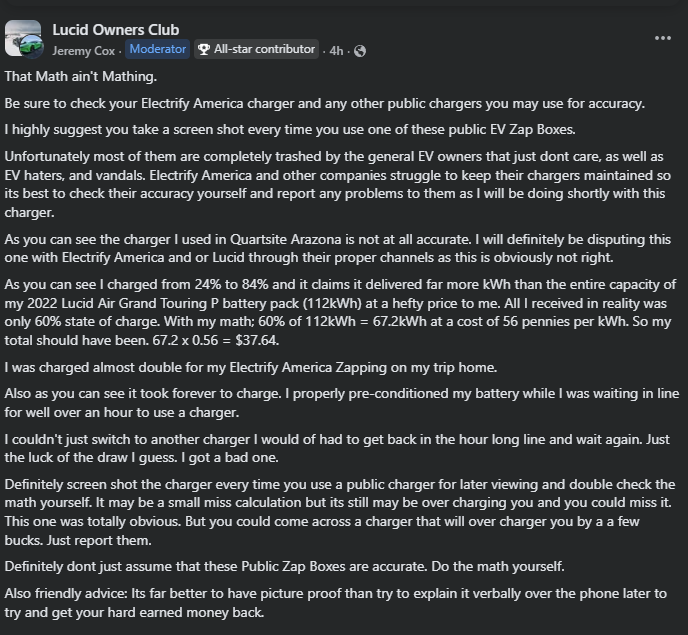
The owner, driving a 2022 Lucid Air Grand Touring with a 112 kWh battery pack, documented the session carefully. The charge reportedly started at 24 percent and ended at 84 percent, a 60 percent gain in state of charge. On paper, that translates to roughly 67.2 kWh added to the battery. At the posted rate of $0.56 per kilowatt-hour, the expected cost would be about $37.64. Instead, the charger reported delivering more than 133 kWh and billed nearly double what basic math would suggest.
“That Math ain't Mathing.
Be sure to check your Electrify America charger and any other public chargers you may use for accuracy.
I highly suggest you take a screenshot every time you use one of these public EV Zap Boxes.
Sadly, most of them are completely trashed by the general EV owners who just don't care, as well as EV haters and vandals. Electrify America and other companies struggle to keep their chargers maintained, so it's best to check their accuracy yourself and report any problems to them as I will be doing shortly with this charger.
As you can see, the charger I used in Quartsite Arazona is not at all accurate. I will definitely be disputing this one with Electrify America and or Lucid through their proper channels, as this is obviously not right.
As you can see, I charged from 24% to 84%, and it claims it delivered far more kWh than the entire capacity of my 2022 Lucid Air Grand Touring P battery pack (112kWh) at a hefty price to me. All I received in reality was only 60% state of charge. With my math; 60% of 112kWh = 67.2kWh at a cost of 56 pennies per kWh. So my total should have been. 67.2 x 0.56 = $37.64.
I was charged almost double for my Electrify America Zapping on my trip home.
Advertising
Also, as you can see, it took forever to charge. I properly pre-conditioned my battery while I was waiting in line for well over an hour to use a charger.
I couldn't just switch to another charger; I would have had to get back in the hour-long line and wait again. Just the luck of the draw, I guess. I got a bad one.
Definitely screenshot the charger every time you use a public charger for later viewing and double-check the math yourself. It may be a small miscalculation, but it may be overcharging you, and you could miss it. This one was totally obvious. But you could come across a charger that will overcharge you by a few bucks. Just report them.
Definitely don't just assume that these Public Zap Boxes are accurate. Do the math yourself.
Also, friendly advice: Its far better to have picture proof than try to explain it verbally over the phone later to try and get your hard-earned money back.”
What makes the situation more troubling is that this was not a rushed or careless session. The Lucid driver preconditioned the battery properly while waiting in line for over an hour, a step meant to ensure optimal charging speed and efficiency. Despite that preparation, the session was slow and expensive, compounding frustration. With long queues at the location, switching to another charger was not a realistic option, leaving the driver committed to a dispenser that appeared to be misreporting energy delivery.
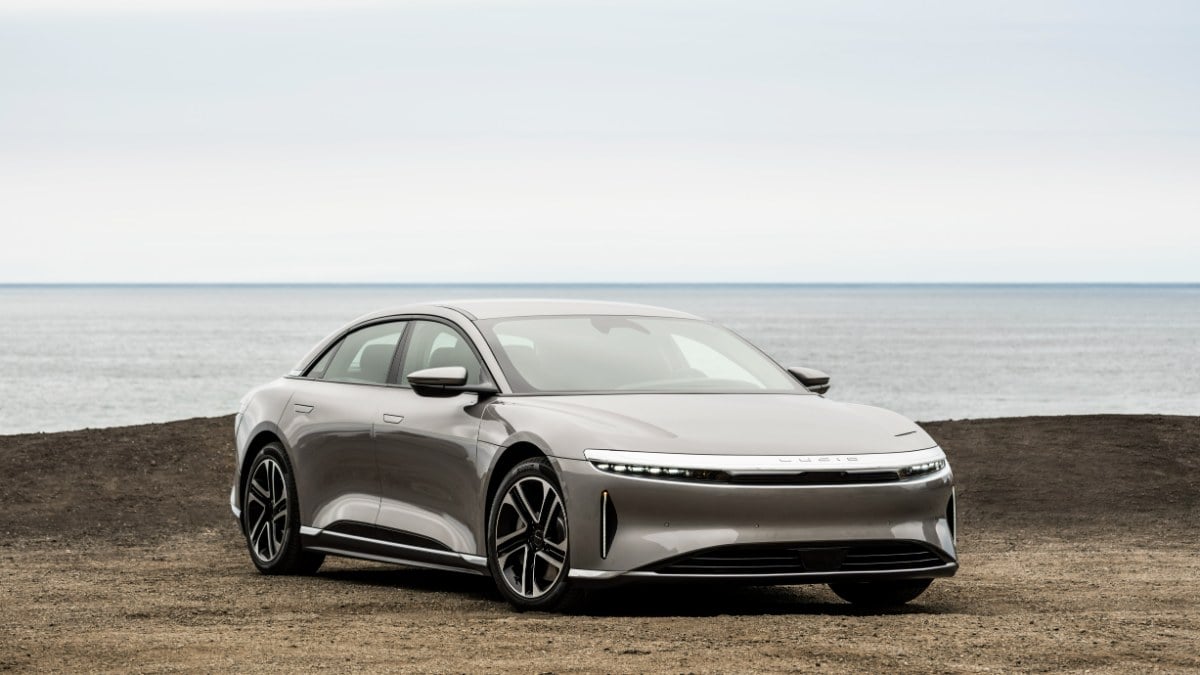
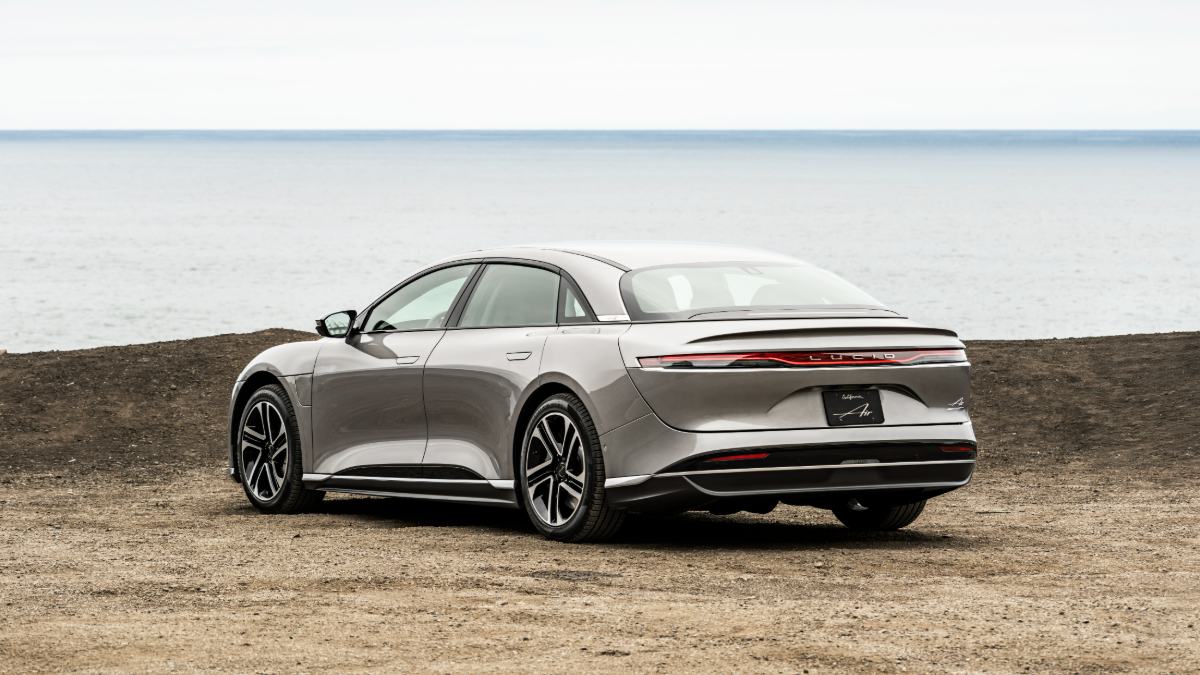
Lucid Air: Aerodynamics, Extended Range, and Minimalist Design
- The Air’s low-slung profile and long wheelbase support aerodynamic efficiency, contributing to extended driving range while influencing cabin proportions.
- Electric power delivery is calibrated for smooth, linear response, with higher-output variants emphasizing sustained performance rather than abrupt acceleration.
- Interior design blends minimalist presentation with high material quality, using open space and thin pillars to enhance outward visibility.
- Packaging efficiency allows for usable front and rear cargo areas, though the low seating position may affect ease of entry and exit for some occupants.
The post is notable for its restraint. There is no rant, no broad condemnation of electric vehicles or charging networks. Instead, there is a methodical breakdown of numbers and a clear recommendation: document everything. Screenshots of charger displays, start and end states of charge, and pricing details become essential when the billing model depends entirely on trust in remote hardware exposed to heavy use, weather, and vandalism.
Other Lucid owners quickly chimed in with context that adds weight to the complaint. Quartzsite has a reputation as a difficult charging stop, plagued by long lines and inconsistent equipment performance. For drivers covering long desert stretches, it is often a mandatory stop with few practical alternatives. That lack of redundancy magnifies the impact of a single malfunctioning charger, turning an inconvenience into a costly ordeal.
This episode highlights a structural challenge facing public fast charging networks. Unlike home charging, where energy delivery is metered through regulated utilities, public DC fast chargers operate in a more fragmented environment. Hardware calibration, software accuracy, and maintenance all matter, and failures are not always obvious unless the user stops to question the results. When pricing is per kilowatt-hour, even small inaccuracies can add up quickly.
It also underscores the mismatch between vehicle-side data and charger-side billing. Modern EVs provide precise state-of-charge information and battery capacity data, yet billing is typically based solely on what the charger reports. When those two sources disagree dramatically, the burden shifts to the customer to prove something is wrong, often after the fact. Without screenshots or records, disputes become harder to resolve.
The broader lesson is not that public fast charging is broken, but that it is still uneven. For long-distance EV travel to feel routine rather than adventurous, accuracy and accountability must be as much a priority as peak charging speed. Until then, owners are learning to treat every charging session like a receipt-sensitive transaction, double-checking the math before driving away.
This Lucid owner’s experience reads less like an outlier and more like a warning. Electric vehicles themselves have matured rapidly, delivering impressive range and performance. The infrastructure that supports them is still catching up. Until it does, vigilance remains part of the ownership experience, and sometimes the most important tool in the glovebox is a screenshot.
Image Sources: Lucid Media Center
Noah Washington is an automotive journalist based in Atlanta, Georgia. He enjoys covering the latest news in the automotive industry and conducting reviews on the latest cars. He has been in the automotive industry since 15 years old and has been featured in prominent automotive news sites. You can reach him on X and LinkedIn for tips and to follow his automotive coverage.
Set Torque News as Preferred Source on Google
Follow us today...





Comments
It's Arizona, how much gets…
Permalink
It's Arizona, how much gets lost to heat? 67 kWh into the car's pack can only be after losses. Even a pre-conditioned battery has internal resistance, and then very likely cooling for fast charging. The charging hardware faces the same issues with the operating environment, so there isn't neccesarily a metering billing error. Public charging companies have to pass on their costs in some way.