
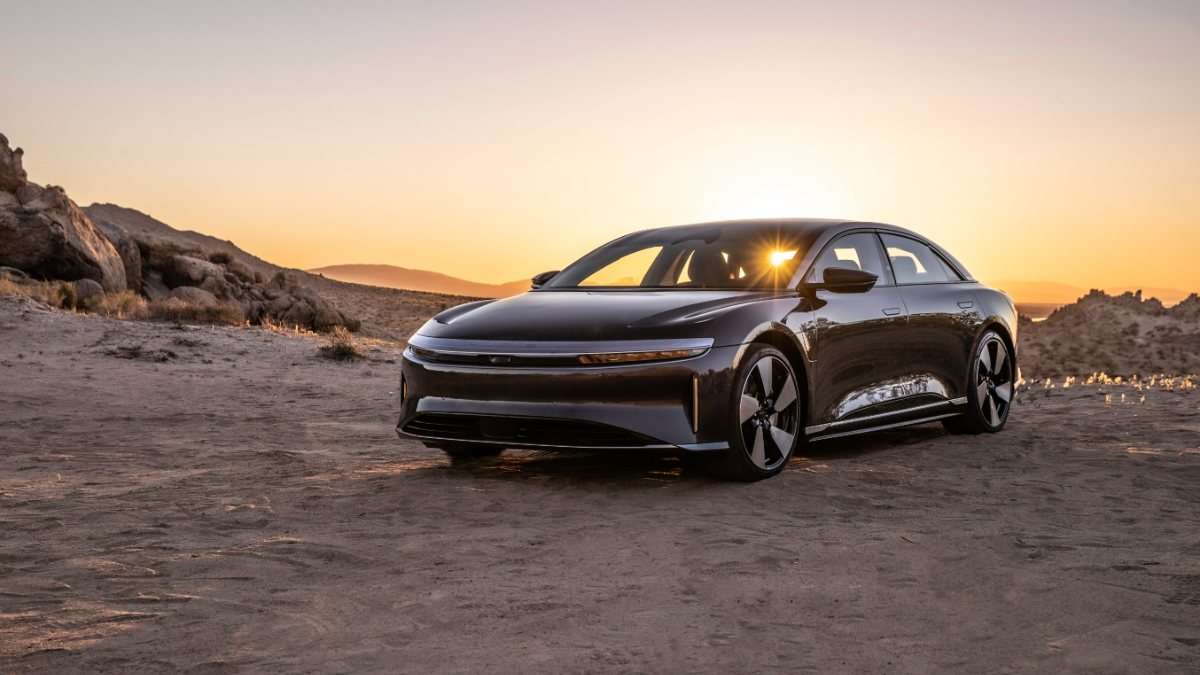

The pursuit of the ultimate electric vehicle often forces buyers into a difficult compromise, balancing cutting-edge technology with established reliability.
One BMW i7 leaseholder, Victor D. Gonzalez Rodriguez, recently showed this exact dilemma, grappling with the allure of Lucid Air's exceptional range against persistent concerns over its software stability and long-term service support.
His search for an EV that combines luxury, performance, and dependable functionality reflects a common friction point in the rapidly evolving premium electric segment.
Rodriguez laid out his predicament to the Lucid Owners Club, stating:
"Update: 2nd Lucid Test Drive on Friday. Will update y'all on my experience. Thanks for all the feedback!
Jumping out of a BMW i7 lease. I need unbiased opinions, and this group praises Lucid, which I understand. But unless you've driven an i7 before, please keep your" pro Lucid over everything" to yourself.
I'm at a crossroads between Lucid Air GT, Model S Plaid, and another i7 xDrive60 or an M70 if I can find a reasonable deal on it. I'm familiar with the Model S, but build quality is trash compared to Lucid and even more, the i7. I'm highly worried about the software on the Lucid, the bugs, glitches, etc. I want the Lucid for the range, but is the trade-off worth it?
Advertising
On the i7, everything just works. Seats are amazing. Sound is amazing. HUD is amazing. Suspension the best I've been in.
Can someone with experience pitch in and give me a first-hand experience between both and why you went with any specific one?"
The core of Rodriguez's concern centers on the perceived trade-off between the Lucid Air's segment-leading range and its widely reported software issues. While he acknowledges the Model S Plaid's performance, he dismisses its build quality as inferior to both the Lucid and his current i7. This shows a critical challenge for emerging EV manufacturers: delivering on promises of innovation while simultaneously matching the fit, finish, and operational seamlessness that legacy luxury brands have perfected over decades.
Lucid Air Grand Touring: Balancing Range with Real-World Reliability
- The Lucid Air Grand Touring boasts an EPA-estimated range exceeding 500 miles, making it one of the longest-range EVs available on the market today. This impressive figure is achieved through advanced battery technology and an exceptionally aerodynamic design.
- Despite its range prowess, early and current owners frequently report persistent software glitches, affecting everything from infotainment responsiveness to basic vehicle functions like key fob operation. These issues can detract significantly from the premium ownership experience.
- Powering the Grand Touring are dual electric motors producing 819 horsepower, enabling a 0-60 mph sprint in just 3.0 seconds, demonstrating its formidable performance capabilities. However, this raw power is often overshadowed by concerns over the vehicle's digital ecosystem.
- Lucid's service infrastructure is still developing, which can lead to longer wait times for repairs and less accessible support compared to established luxury brands like BMW. This emerging network is a critical consideration for potential buyers accustomed to comprehensive dealer services.
One commenter, Sagar Gohil, offered a direct recommendation, stating: "Go with the i7. You are not going to like the Lucid. Build quality is decent, but software will one day come to bite you, and if you can afford the i7 and live with the i7's looks, you should go with BMW. You will get service when you need it. Lucid is a great engineered ev and drives like a super EV. BMW is just engineered over an existing platform, and that has some compromises and inferiorities in packaging, but if you have loved that, stick with it and go the tried and tested route." Gohil's assessment reveals the pragmatic reality that for many premium buyers, the peace of mind offered by an established service network and proven software stability often outweighs raw performance metrics or groundbreaking range figures.
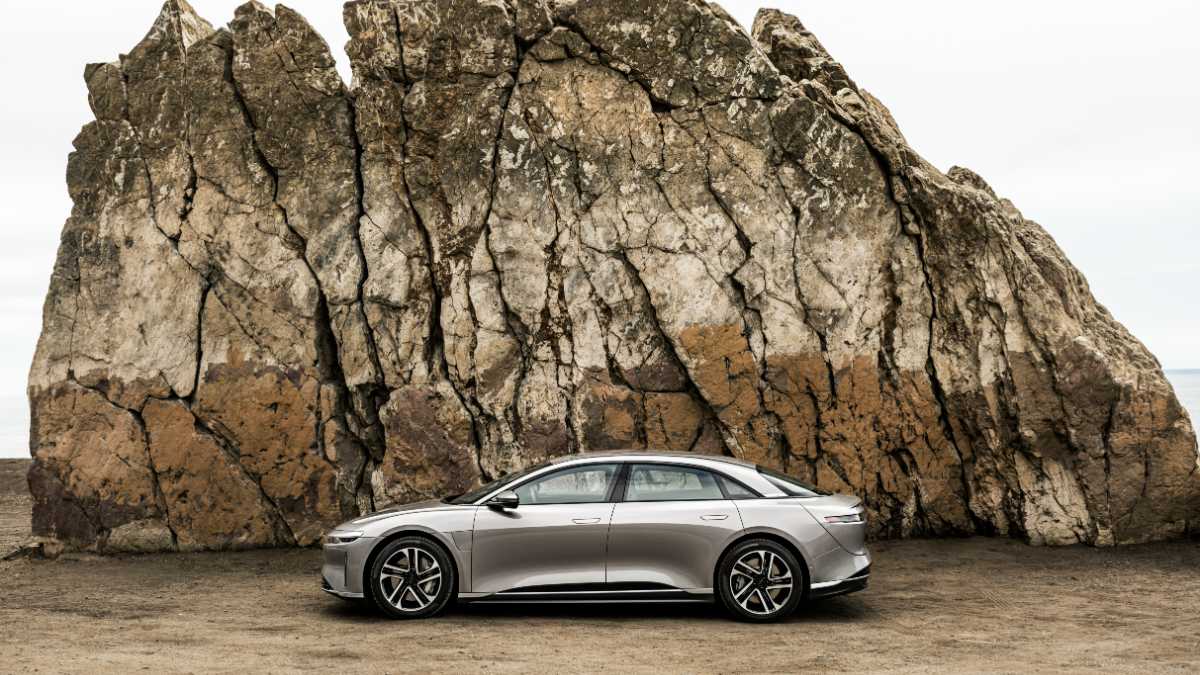
This perspective is not just anecdotal; it reflects a fundamental truth in the automotive industry. A vehicle, regardless of its technical brilliance, is only as good as its user experience. Lucid's "super EV" engineering is commendable, but if its software interface creates daily frustrations or its service infrastructure leaves owners stranded, even a 500-mile range becomes a moot point. BMW, despite building its i7 on a flexible platform, delivers a cohesive, predictable ownership experience that many buyers prioritize.
Rodriguez acknowledged Gohil's point about the i7's platform, but reiterated his dilemma: "Sagar Gohil, that is probably the only pet peeve about the i7. The fact that they didn't build it from the ground up. Everything else is fine, though. The Lucid's range and performance are what have me tangled. Do you think Lucid will fix software issues in the near future? All of the videos I've watched, they say it's come a long way since launch, but I also know that their biggest focus right now is the mid-sized Model Y competitor." His question about future software fixes is telling. Buyers are often willing to tolerate early adopter issues, but they need a clear path to resolution, not just promises. The shift in Lucid's focus to a mass-market competitor further complicates the perception of dedicated support for its flagship sedan.
Another commenter, Dima Kurin, was even more blunt, asserting: "Literally 0 reason to go with Lucid over m70." This sentiment, while perhaps overly dismissive of Lucid's strengths, shows the deep loyalty and confidence some buyers place in BMW's M division, even when considering EVs. For those prioritizing driving dynamics and proven luxury, the M70's performance pedigree might simply overshadow any range advantage.
Rodriguez countered Kurin's M70 argument by pointing to his primary need for range: "Dima Kurin, I'm going to drive it a lot, so the range is a huge factor I'm considering. 400 and a lot of change is nothing to look over. M70 I think is rated for less than 270 miles EPA." This exchange perfectly encapsulates the core conflict: the M70's 270-mile EPA rating versus the Lucid Air GT's "400 and a lot of change." For a driver with frequent long-distance needs, a 130-mile range difference is not merely a statistic; it's the difference between a seamless journey and an inconvenient charging stop.
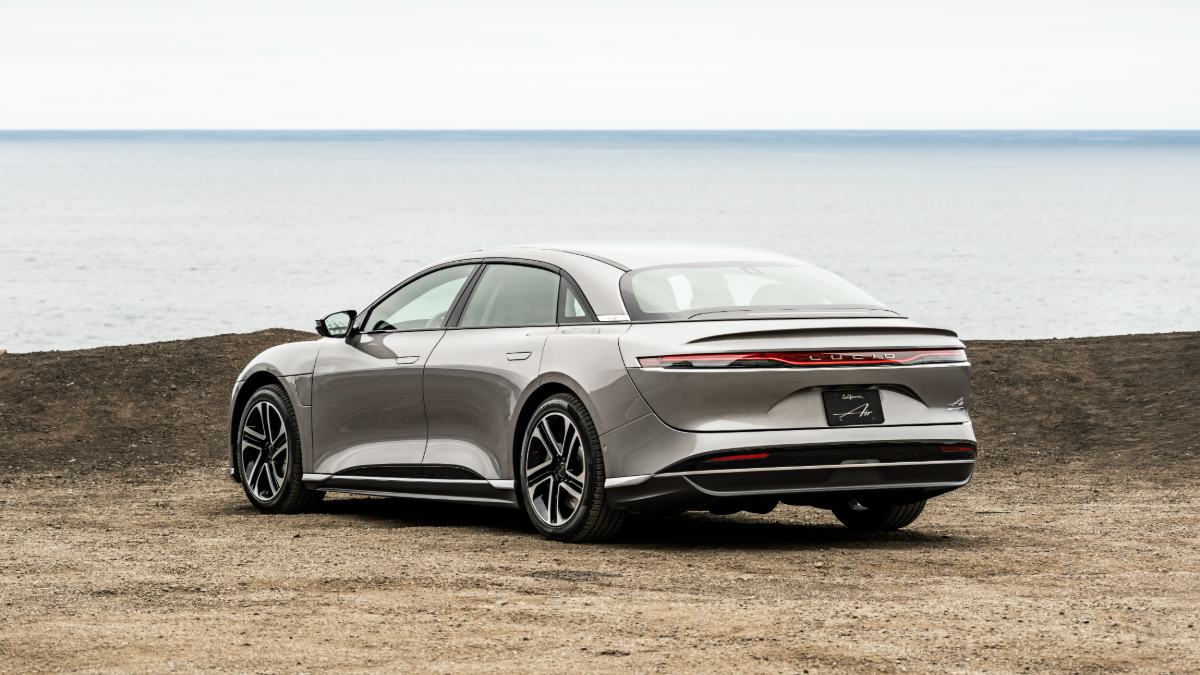
Malcolm Duncan, a current Lucid owner, provided perhaps the most damning real-world comparison: "I7 and it’s not even close. I’m in a Lucid now, and my previous car was an X5M. I miss it every day. BMW quality, service, and support are second to none. I’ve had way too many software issues with a car that’s not even 6 months old. The key doesn’t even unlock the doors from 50ft away." Duncan's direct experience, coming from a performance BMW and now regretting his Lucid purchase due to persistent software glitches and poor key fob functionality, should serve as a stark warning. The inability of a key fob to perform basic functions reliably on a luxury vehicle is not a minor bug; it's a fundamental failure of user expectation and quality control.
Rodriguez's crossroads decision embodies the current state of the premium EV market. While innovative startups like Lucid push the boundaries of range and efficiency, they often struggle to match the holistic ownership experience, from software stability to dealer support, that established players like BMW have refined over decades. The question for buyers isn't just about what a car can do, but what it does do, consistently and reliably, every single day.
Image Sources: Lucid Media Center
Noah Washington is an automotive journalist based in Atlanta, Georgia. He enjoys covering the latest news in the automotive industry and conducting reviews on the latest cars. He has been in the automotive industry since 15 years old and has been featured in prominent automotive news sites. You can reach him on X and LinkedIn for tips and to follow his automotive coverage.
Set Torque News as Preferred Source on Google
Follow us today...






Comments
I have an i4 M50 - fun car,…
Permalink
I have an i4 M50 - fun car, but TERRIBLE range, and also had software issues and hardware issues since we got it 7 months ago. We will not be getting another BMW moving forward.
I also have a Lucid Air Pure 2025 and a 2026 Gravity GT. These cars are UNREAL. Speed, agility, handling, comfort. It has everything you'd ever want in a driver experience. WAY BETTER than anything I've driven from BMW, Audi, and even Porsche.
Yes, there are many BMW dealers around, but they don't build from ground up and even the new ix3 looks terrible. Not sure where they are getting their design input from, but they need to rework that mess.
But in reality, the software issues of Lucid are nearly gone. New leadership of their software team (purged the last team almost entirely) has revamped the approach and owners are now enjoying stable reliable and exhilarating ownership. That is my experience. Don't get stuck with a legacy automakers approach to a tech driven EV platform.