
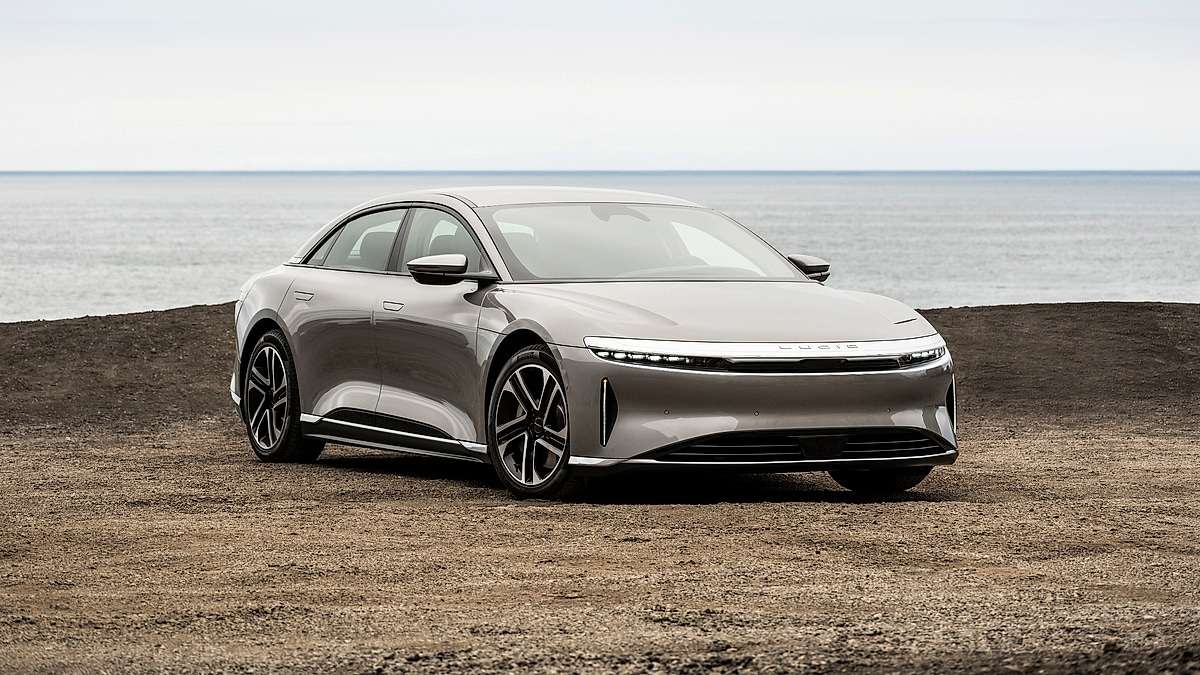

The internet has had plenty of time for Lucid horror stories lately. This owner brought a better road-trip receipt.
A used 2023 Lucid Air Grand Touring, 14,000 miles at purchase, 19-inch wheels, glass canopy, upgraded console, all the options, software version 2.9.0. Five days. 1,575.5 miles. Ohio to Indianapolis, down to the Smokies, then back to Ohio. Temperatures from 67 to 89 degrees. No major failures. No charger drama. No stranded-family saga. No luxury-EV humiliation ritual.
The car averaged 4.00 mi/kWh for the trip. That number deserves a quiet room. A large all-wheel-drive luxury sedan with massage seats, a glass canopy, high-end audio, and more than 800 horsepower should not feel like an efficiency machine.
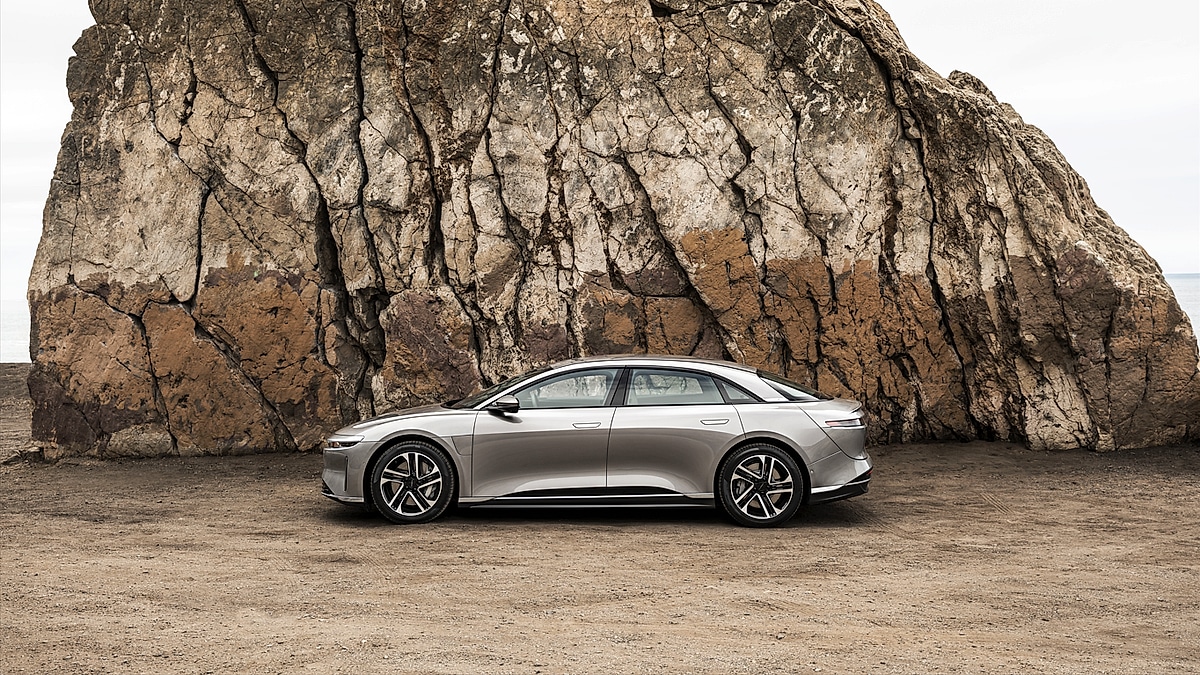
The Lucid Air keeps doing that strange Lucid thing where the spec sheet sounds excessive, and the energy use looks almost humble. The owner’s highway best was 4.20 mi/kWh over a 150-mile stretch. The mountain descent back to Gatlinburg hit 4.7 mi/kWh.
That last figure is the one that stayed with me.
The Mountains Brought Out The Car’s Best Trick
The owner on Reddit expected the climb from Gatlinburg to Kuwohi to hurt efficiency. It did. He saw about 1.6 mi/kWh on the way up, which makes sense. Climbing a mountain in a heavy luxury EV takes energy. No mystery there. The surprise came downhill.
He guessed the return might show 3.2 mi/kWh. Maybe 3.6 with enough regenerative braking. The car delivered 4.7 mi/kWh. He also says he did not need to touch the brake pedal once. That is the kind of EV moment that can rewire a driver’s expectations.
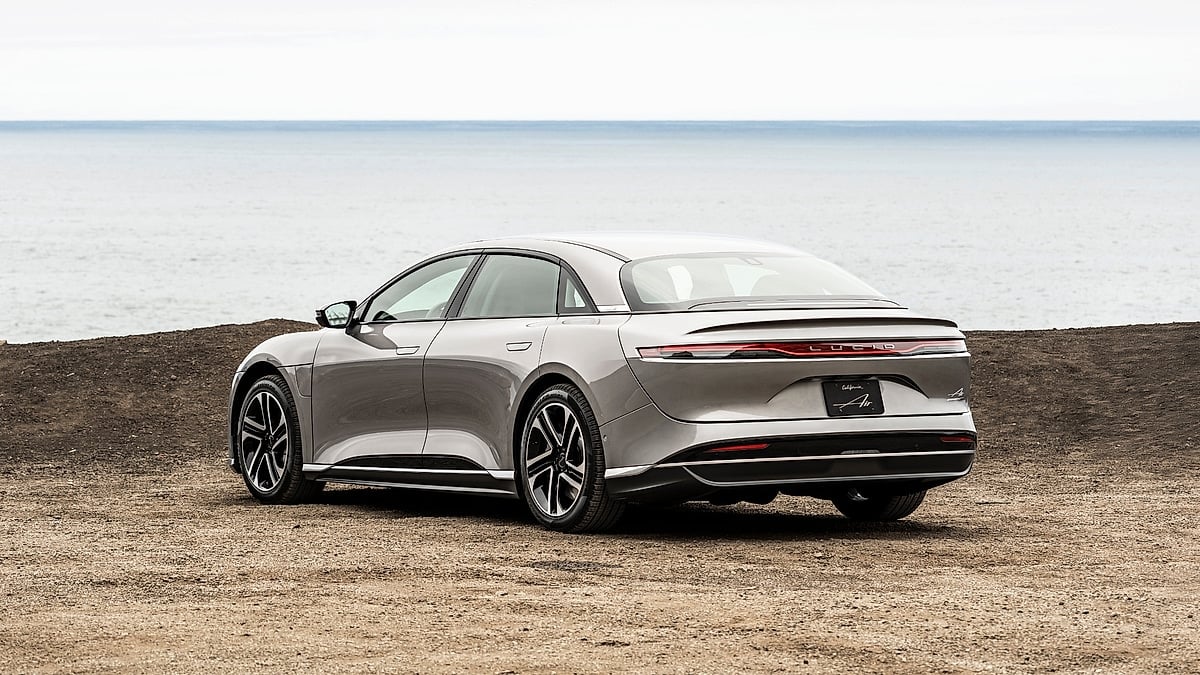
Anyone who has driven an internal-combustion car down a long grade knows the old feeling: engine braking, hot brakes, wasted energy, and the faint sense that physics is getting away with theft. In the Air, the descent became part of the range plan. The car took the energy back, kept the drive controlled, and made the owner feel like the mountain was helping instead of punishing him.
A Few Lucid Air Facts Worth Keeping In Mind
- The Lucid Air Grand Touring stretches nearly 197 inches long on a 116.5-inch wheelbase, giving it the footprint of a large luxury sedan while still delivering some of the best efficiency numbers in the EV market.
- When new, the Air Grand Touring was rated for up to 819 horsepower and more than 500 miles of EPA-estimated range, a combination that helped establish Lucid as a serious challenger to established luxury brands.
- One reason the Air performs so well on long trips is Lucid's compact in-house electric drive units, which free up space for both a large front trunk and a spacious cabin without sacrificing performance.
That is where Lucid engineering shines.
Range is impressive in a straight line. Regeneration is more impressive when the road becomes vertical, and the car still feels composed.
This Is The Counterweight Lucid Needed
The owner posted after watching the Engineering Explained coverage of a short Lucid trip that went badly. He did not deny that bad experience. He offered a contrast.
That distinction matters.
Automotive reputation gets distorted by volume. Bad experiences travel loudly because owners need help, attention, leverage, or relief. Good experiences often stay private because the car simply worked. A 1,575-mile road trip where the biggest complaints involve shiny console buttons, headrest comfort, motor whine, and overzealous driver monitoring will never make as much noise as a buyback story.
It should still count.
This owner’s Air did exactly what a grand touring sedan is supposed to do. It covered distance. It made charging feel small. It kept the cabin comfortable. It made the mountains memorable. The massage seats were useful. The audio sounded good. The car reset itself twice on entry and recovered in about 20 seconds. That is annoying, not trip-ending. The charging port cover was beginning to misalign and rub paint-on-paint. That needs attention, but it did not define the drive.
The road trip had blemishes.
The car earned the miles.
Charging Was So Quick It Stopped Being The Main Event
The owner’s best charging anecdote came from Buc-ee’s. He plugged in at 20 percent, went inside for coffee and snacks, and returned to find the car at 72 percent.
That is the road-trip experience EV makers have been chasing for a decade.
The ideal charging stop does not ask the driver to sit there watching kilowatts like a stock ticker. It fits inside the break the humans already wanted. Coffee. Bathroom. Snack. Stretch. Back to the car. Leave.
Lucid’s hardware helps. The Air Grand Touring’s long range gives the driver wider spacing between stops, and its high-speed charging capability means each stop can be brief when the station cooperates. This owner said charging time was a non-issue across the trip. He also made the sensible warning: stay near interstates and charging feels easy; wander into rural scenic routes, and the map can still empty out fast.
That happened in Virginia, where he found himself in a fast-charging dead zone with no DC fast chargers within 100 miles.
That is the kind of sentence every EV owner should keep in mind. The best EVs can make public charging feel solved until the road bends away from the interstate. Then the network decides how confident you really are.
Numbers From This Trip
- 1,575.5 miles over five days in a used 2023 Air Grand Touring.
- 4.00 mi/kWh overall efficiency, with a 4.20 mi/kWh highway best over one 150-mile stretch.
- 20 percent to 72 percent during one Buc-ee’s stop while the owner grabbed coffee and snacks.
DreamDrive Pro Was Useful Enough To Keep, Annoying Enough To Curse
The owner’s harshest complaint was DreamDrive Pro.
He liked having hands-free assistance available. He hated the monitoring behavior. Looking at a blind spot triggered a warning. Checking mirrors triggered a warning. Taking a sip could trigger a warning or a demand to take control if the system could not see his face. Snack too casually and the car might scold. Three offenses could trigger a red “TAKE CONTROL NOW” message and a loud alarm.
That is the kind of safety system that turns convenience into negotiation.
Lucid’s problem here is not the existence of driver monitoring. Hands-free Level 2 systems need to know the driver is still engaged. That is the bargain. The problem is sensitivity. If a driver checks mirrors and blind spots like a responsible adult and the car nags as if attention has vanished, the system trains the driver to dislike the very behavior that makes highway driving safer.
That is backwards.
The owner suspected seating position and camera angle may have contributed. Another commenter suggested lowering the steering wheel so the camera view and driver position behave better. That sounds plausible. Driver-monitoring systems often struggle with sunglasses, seat height, wheel position, facial angle, lighting, and ordinary human movement.
Still, the system should have more grace.
A luxury car should not make a careful driver feel like a teenager being watched by a suspicious substitute teacher.
The Brake Pedal Complaint Is More Interesting Than It Sounds
The owner badly wanted regenerative braking blended into the brake pedal.
This is a subtle enthusiast complaint, and I think it matters. He liked the Air’s driving feel with one-pedal behavior turned off. He said the car felt light and graceful without regen, while one-pedal made it feel heavy and touchy. He found himself hovering near the control panel, ready to turn regen on or off depending on the road ahead.
That tells me Lucid has a tuning opportunity.
Some EV drivers love one-pedal driving. Others want the brake pedal to manage regeneration naturally, letting the car coast cleanly when the accelerator lifts and harvest energy when the driver actually asks for deceleration. A grand touring sedan should make both camps feel accommodated. The Air’s chassis clearly impressed this owner when allowed to glide. The regen interface made him work around the car instead of with it.
That kind of complaint does not show up in a brochure. It shows up after hours behind the wheel.
The Small Annoyances Were Very Luxury-Car Annoyances
The owner had to dig for most of his grievances, but the details are useful.
The motor whine grew louder in mountain driving, especially at lower speeds where road and wind noise could not mask it. The shiny silver console buttons reflected sunlight into his eyes, forcing him to wedge paper parking passes into the gaps as improvised shades. The headrest gave him neck pain after about two hours, even with the 20-way seats. The low-speed pedestrian sound embarrassed him on quiet mountain roads, where the artificial EV noise fought the natural setting.
That last one is legally complicated. Federal rules require hybrid and electric vehicles to emit pedestrian alert sounds under certain low-speed conditions. The owner may want a switch. The law does not share his enthusiasm.
The headrest complaint may be the bigger ownership issue. Range, power, charging, and cabin materials all matter. A neck ache after two hours can poison a road trip faster than a mediocre charging stop. Seats are personal. Headrests are unforgiving. A used Air buyer should spend real time in the seating position before assuming 20-way adjustment solves every body shape.
The console glare sounds minor until it happens for 200 miles.
Luxury lives in the small stuff. So does irritation.
The Air Feels Built For The Kind Of Travel Most EVs Still Have To Explain
The owner’s summary was almost plain: the car was a car. Comfortable. Easy. Good at the job. That line might be the strongest praise in the whole account.
EV road trips still get treated like expeditions in some corners of the internet. Range strategy, charger selection, apps, battery percentages, plug types, charging curves, route planners, and backup stops. Lucid’s best trick is making much of that fade when the route stays near decent infrastructure. The driver stops managing the machine and starts taking the trip.
This owner even found a strange national-park perk. Signs asked visitors not to idle. The Air could sit quietly, occupants reclined, massage seats running, audio playing, surrounded by mountain sounds without an engine rumbling away in the background.
That is a real luxury.
Not the horsepower. Not the glass canopy. The quiet ability to exist in a beautiful place without making the place worse.
Used May Have Been The Smartest Way To Buy This One
The owner bought the car used with 14,000 miles. In the comments, he suggested that part of his confidence came from letting early manufacturing issues shake out before he bought in. That is a smart way to think about low-volume premium EVs.
A used Air Grand Touring can be a remarkable value if the early bugs are resolved, the service history is clean, and the buyer understands the ownership ecosystem. Lucid still has a smaller service footprint than established luxury brands. A used buyer should care about proximity to service, warranty status, tire cost, software behavior, and body-panel details such as the charge-port alignment this owner noticed.
A sorted Lucid Air can be a magnificent road-trip car.
An unsorted one can become someone else’s YouTube saga.
That is why owner reports like this matter. They do not cancel the bad stories. They add texture. They show that the same model can produce a very different experience when the car is healthy, the software behaves, and the trip fits the charging network.
The Real Lesson From 1,575 Miles
This trip makes the Lucid Air Grand Touring look like a serious long-distance machine.
The efficiency was excellent. The mountains brought out its regenerative strength. Charging rarely mattered. The cabin comfort mostly held up. DreamDrive Pro needs better driver-monitoring calibration or at least a less frantic attitude. The brake-pedal regen philosophy deserves another look. The headrest, glare, motor whine, EV sound, and charge-port alignment are the kinds of flaws owners notice because the main vehicle is good enough to make them picky.
That is a healthy kind of criticism.
I would take this report seriously because it sounds like a real owner, not a fanboy defense brief. He praised the car where it earned praise. He complained about the exact details that wear on a person after hours in the seat. He admitted where charging still needs planning away from major corridors. He gave numbers instead of vibes.
The Air Grand Touring has always had the specs to be a great road-trip EV.
This owner’s 1,575-mile run shows what that looks like when the car actually delivers.
Would Your Lucid Air Road Trip Look Like This?
If you own a Lucid Air, what has your long-distance experience been like after 1,000 miles or more? Include trim, wheels, software version, average efficiency, charging networks used, DreamDrive behavior, and the one small annoyance that bothered you more than you expected.
About The Author
Noah Washington is an automotive journalist based in Atlanta, Georgia, covering sports cars, luxury vehicles, and performance culture. His reporting focuses on explaining the engineering, design philosophy, and real-world ownership experience behind modern vehicles.
Noah has been immersed in the automotive world since his early teens, attending industry events and following the enthusiast communities that shape how cars are built and driven today. His work blends industry insight with enthusiastic storytelling, helping readers understand not just what a car is, but why it matters.
Noah is also a member of the Southeast Automotive Media Association (SAMA), a professional organization for automotive journalists and industry media in the Southeast.
His coverage regularly explores sports cars, luxury vehicles, and performance-driven segments of the automotive industry, including the evolving culture surrounding Formula Drift and enthusiast builds.
Read more of Noah's work on his author profile page.
You can also follow Noah here:
Set Torque News as Preferred Source on Google
Follow us today...




Comments
I don’t think motor whine is…
Permalink
I don’t think motor whine is a minus. For me it’s as close to a V8 rumble as you can get from an EV.
It depends on the context.
Permalink
In reply to I don’t think motor whine is… by The Lucid Report (not verified)
It depends on the context.