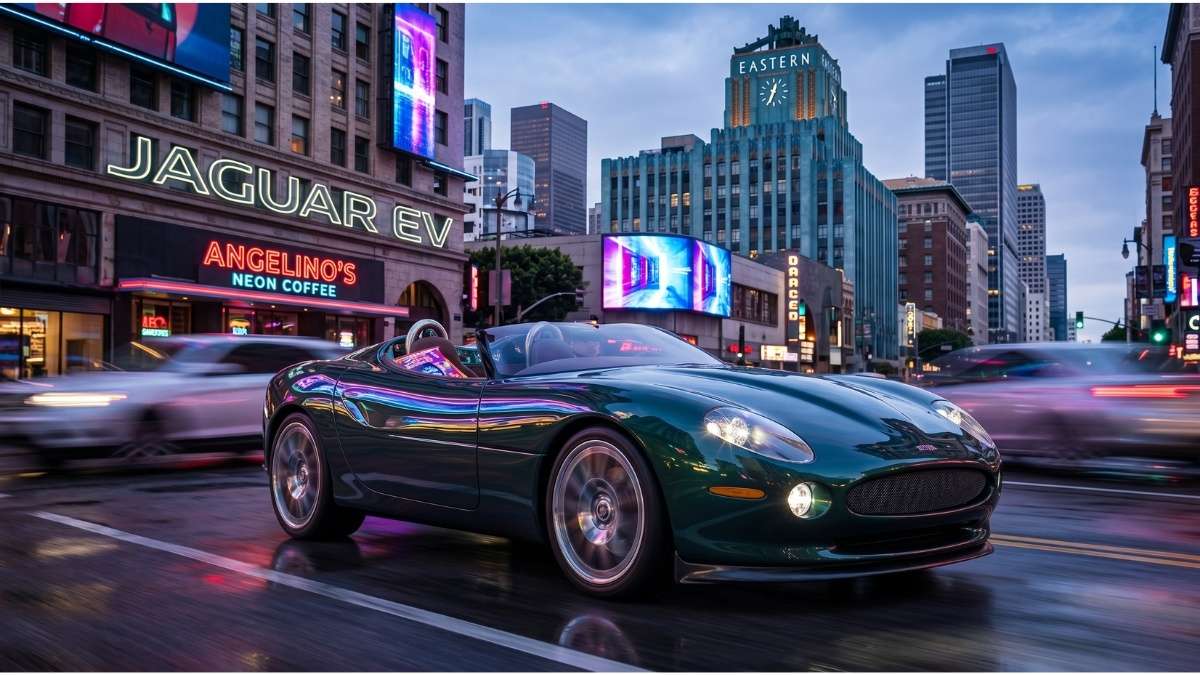

When we analyze corporate turnarounds in the automotive and technology sectors, we often look for the primary catalyst that drives a brand's strategic vision. For Jaguar, that vision has just crystallized into one of the most dangerous, high-stakes bets in modern automotive history. As confirmed by recent industry reports, including Electrive’s coverage noting that Jaguar's new electric car will debut in 2026, the storied British marque is positioning the United States as the absolute epicenter of its global electric rebirth.
As someone who has analyzed market pivots for decades, I find this strategy both utterly fascinating and wildly perilous. Jaguar currently lacks a dedicated United States manufacturing plant, which instantly places them at a severe disadvantage in the current geopolitical and economic climate. Yet, regaining stateside enthusiasts is not just a marketing ploy; it is a critical lifeline for a brand that has lost its identity.
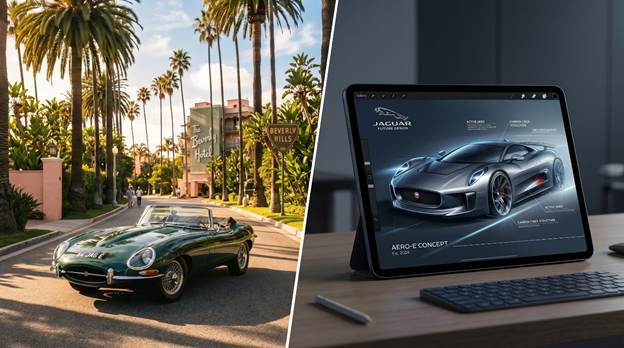
To understand why Jaguar is betting the house on America, we have to look backward. The historical significance of the American market to Jaguar’s past successes cannot be overstated. In the post-World War II era, it was the United States - flush with cash and an insatiable appetite for European glamour - that transformed Jaguar from a niche British automaker into a global icon. Hollywood elites and wealthy American enthusiasts embraced the XK120, and later, the immortal E-Type.
America provided the sheer volume of high-margin sales that funded Jaguar’s racing exploits at Le Mans and their corporate expansion. Without the American consumer, Jaguar would have likely faded into obscurity alongside marques like Alvis or Triumph. The United States market validated Jaguar’s core identity: building cars that possessed “grace, space, and pace.” Regaining this specific consumer base is the only way Jaguar can command the premium luxury pricing necessary to survive their transition to an all-electric lineup.
Historic Regulatory Nightmares on American Soil
However, the American market has not always been a hospitable host to the leaping cat. In fact, some of Jaguar's most traumatic historical problems stem directly from attempting to conform to the rigid and often heavy-handed regulations of the United States market.
Let’s start with emissions controls. In the 1970s, as the newly formed Environmental Protection Agency (EPA) mandated strict emissions standards, Jaguar was forced to implement crude smog pumps, thermal reactors, and exhaust gas recirculation systems to their legendary V12 engines. These early emissions controls crippled the performance of Jaguar's flagship powertrains, causing catastrophic overheating issues that permanently damaged the brand's reputation for reliability in the states.
Then, there was the tragedy of American headlight regulations. For decades, the US Department of Transportation mandated standardized sealed-beam headlights. When Jaguar brought the aerodynamic, glass-covered headlights of the early E-Type to America, regulators forced them to strip the glass covers and push the sealed beams forward, severely compromising one of the most beautiful automotive designs in human history.
Finally, the implementation of the 1973 federal crash protection standards - the infamous 5-mph bumper mandate—resulted in some of the most visually offensive modifications in automotive history. Jaguar was forced to slap massive, heavy, black rubber bumper guards onto the delicate, sweeping lines of the E-Type Series 3 and the XJ-S. These regulatory hurdles historically neutered Jaguar’s greatest assets: performance and beauty. It is a cautionary tale that proves succeeding in America requires more than just good intentions; it requires navigating a brutal regulatory framework.

The Perils and Promise of an American EV Focus
Fast forward to today, and Jaguar is once again facing a massive hurdle in the United States, though this time the obstacle is trade and manufacturing policy. By focusing entirely on the US market without a localized manufacturing footprint, Jaguar is walking into a buzzsaw.
The primary problem is that without a North American assembly plant, Jaguar’s upcoming electric vehicles are entirely disqualified from the lucrative federal EV tax credits under the Inflation Reduction Act. Furthermore, relying entirely on imported vehicles exposes the brand to crippling import tariffs and supply chain uncertainties. If the geopolitical climate shifts—as it so often does—Jaguar could find its vehicles priced out of the market overnight by punitive import duties.
Yet, despite these glaring problems, the benefits of this strategy are undeniably potent. The United States remains the most lucrative market for high-end, premium luxury vehicles. While European markets are saturated with domestic luxury brands and bogged down by even stricter regulatory frameworks, and the Chinese market is currently engaged in a ruthless, margin-destroying price war led by their own domestic EV startups, the US market still offers a sanctuary for premium pricing.
Does it make sense that they continue to focus here? From a purely strategic standpoint, yes. Jaguar cannot compete on volume; they must compete on margins. To achieve the kind of profit margins that will satisfy their parent company, Tata Motors, they need to sell expensive cars to wealthy buyers. America is still the undisputed capital of the wealthy automotive enthusiast. It is a massive risk, but for Jaguar, it is the only remaining board upon which they can play their final hand.
Design Blowback and the Threat to 2030 Survival
The strategic pivot to America brings us to the most controversial aspect of Jaguar's rebirth: the vehicles themselves. If you have followed the automotive industry over the last two years, you are acutely aware of the massive blowback regarding Jaguar’s latest EV design language and brand identity rollout.
In an attempt to reinvent themselves, Jaguar adopted a radical "Copy Nothing" philosophy, completely discarding the classic leaping cat logo, the traditional British racing aesthetics, and the sweeping, feline proportions that defined the brand. Instead, they teased blocky, polarizing designs draped in pastel colors, lowercase modernist typography, and brutalist styling that left traditionalists and potential buyers utterly bewildered. Brand overhauls of this magnitude often run the risk of alienating core demographics before capturing new ones, and Jaguar has stepped squarely into this trap.
Given this design blowback, we must ask: how likely is it that Jaguar will survive until 2030? If I am putting my analyst hat on, I have to say the outlook is exceedingly grim. The automotive graveyard is filled with brands that misunderstood their core demographic. By alienating the exact American enthusiasts they are desperately trying to court, Jaguar is alienating the only people willing to spend six figures on a British luxury car.
If this upcoming 2026 vehicle launches and sits stagnant on dealership lots due to its polarizing aesthetic and high import price tag, Tata Motors will not subsidize the losses indefinitely. I predict that if Jaguar does not see a massive, sustained sales momentum by late 2028, the brand will either be shuttered completely or sold off for parts to a Chinese conglomerate seeking a heritage badge. The margin for error is effectively zero.
Scrap the Modernism and Return to Heritage
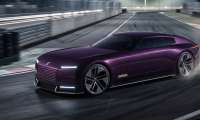
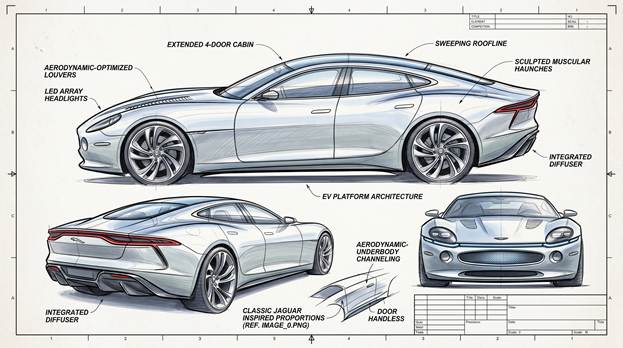
The solution to this existential crisis is painful but necessary: Jaguar must scrap this polarizing, brutalist EV design language and immediately pivot back to an industrial design that reflects its past and its legacy.
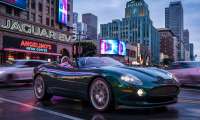
In the technology and auto sectors, your brand equity is your most valuable asset. Apple doesn't hide the Apple logo; Porsche doesn't build a 911 that looks like a toaster. Jaguar’s legacy is built on rolling sculpture—cars with long dash-to-axle ratios, muscular haunches, and aggressive, forward-leaning stances. Ian Callum, Jaguar's former design director, understood this perfectly during the brand's revival in the 2000s and 2010s, modernizing the brand while strictly honoring its fundamental proportions.
An EV platform actually offers the perfect architectural freedom to recreate the legendary proportions of the E-Type or the XK120. With no bulky internal combustion engine to package, designers can push the wheels to the absolute corners and lower the cowl to create breathtaking, sweeping lines.
Instead of trying to out-weird Silicon Valley EV startups, Jaguar needs to build the most beautiful electric cars on the road. They need to lean into British craftsmanship, rich leathers (or high-end sustainable alternatives), wood veneers, and the timeless elegance that defined them. American buyers who spend $120,000 on a car do not want a sterile, pastel-colored mobility pod; they want a Jaguar. If the company returns to its roots and builds a vehicle that makes people stop and stare in the street, they will overcome the lack of a US plant and the lack of tax credits. Beauty sells. Always.
Wrapping Up
Jaguar’s decision to plant its flag in the United States for its electric reinvention is a strategy born of absolute necessity. History proves that the American buyer has the purchasing power and the passion to elevate the Jaguar brand to global dominance, but history also shows how quickly American regulations and market realities can crush a misguided foreign import.
Without a domestic manufacturing footprint to shelter them from tariffs and qualify them for crucial EV subsidies, Jaguar is already walking a tightrope over a very deep canyon. Compounding this immense financial risk with a polarizing, anti-heritage design language is a recipe for corporate disaster. If Jaguar hopes to survive to see the end of the decade, they must remember who they are. They must swallow their pride, abandon the "Copy Nothing" modernist experiment, and return to the breathtaking, heritage-inspired designs that made the American market fall in love with them in the first place. The clock is ticking, and the American consumer will not wait forever.
Disclosure: Images rendered by Artlist.io
Rob Enderle is a technology analyst at Torque News who covers automotive technology and battery developments. You can learn more about Rob on Wikipedia and follow his articles on TechNewsWord, TGDaily, and TechSpective.
Set Torque News as Preferred Source on Google
Follow us today...