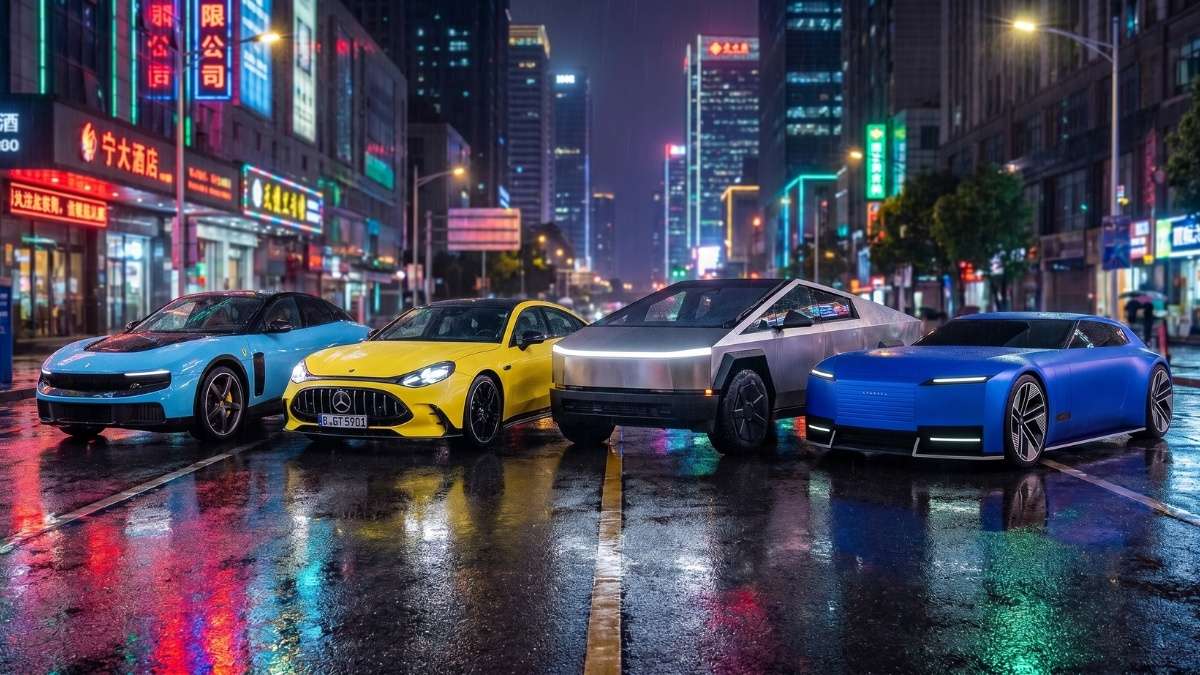

In my decades of analyzing the strategic maneuvering of both Silicon Valley tech giants and legacy manufacturers, one incontrovertible truth has always stood out regarding corporate survival: brand equity is the most fragile asset a company possesses. You can spend a century building an ironclad reputation for delivering gorgeous, emotionally stirring products, only to risk destroying it entirely on a single misguided product pivot. Right now, we are witnessing a phenomenon in the luxury automotive sector that borders on mass corporate hysteria.
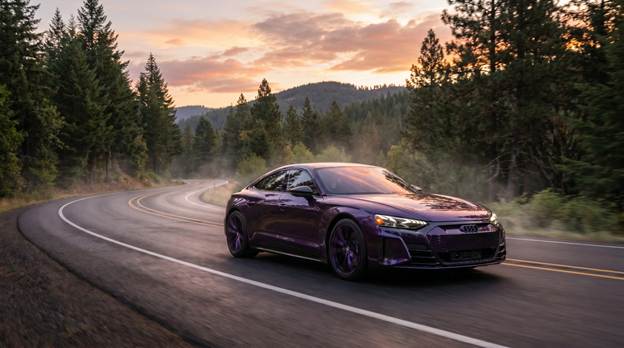
When I take my 2022 Audi e-tron GT out for a drive through the high desert here in Bend, I appreciate a vehicle that seamlessly blends electric performance with an aggressive, beautiful design that respects its brand heritage. The same simply cannot be said for this new batch of ultra-luxury EVs. Have you ever looked at a modern electric vehicle and wondered if the executive design team was actively trying to alienate their most loyal buyers? Lately, the overarching strategic mandate in the boardroom seems to be an intentional effort to take beloved aesthetic heritage and toss it straight into the corporate incinerator. Jaguar threw down the glove, Ferrari confidently stepped into the game, but after carefully evaluating the latest slate of high-end EVs, I think Mercedes may have definitively won the competition for the worst design. Let’s dive into the great race for the ugliest EV, and explore how these legacy giants are getting it so incredibly wrong.
Did The Tesla Cybertruck Start This Disastrous Trend?
To understand why the streets are suddenly filling up with rolling geometry experiments, we have to look back at the catalyst. I firmly believe that this most recent pivot toward cars that simply aren't as attractive as the vehicles their brands are typically known for began with Elon Musk and the Tesla Cybertruck.
When Tesla unveiled the Cybertruck, the entire traditional automotive world collectively gasped. It was a massive, rolling polygon of unpainted stainless steel. It defied every established rule of automotive beauty. Yet, it was an undeniable market disruptor. The Cybertruck aggressively signaled to the industry that you do not need graceful, sweeping curves to sell a high-status EV; you just need to be incredibly loud, highly controversial, and utterly unapologetic.
Legacy automakers, who were already harboring deep-seated anxieties and terrified of Tesla's soaring market cap, completely overcorrected in response. Executive boards falsely assumed that if the tech-bro demographic wanted brutalist, apocalyptic geometry, then everyone else buying an EV must want that too. Instead of leaning into their historical design strengths, legacy brands decided to fundamentally sabotage their brands by chasing a tech-minimalist aesthetic that their core buyers actively despise.
Jaguar Type-01 Diverges Into Brutalist Territory
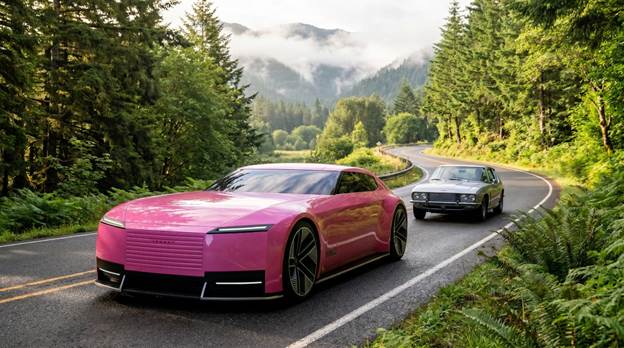
Let’s start with the British. Jaguar used to represent the absolute pinnacle of gorgeous, flowing automotive lines. The classic E-Type was famously declared the most beautiful car in the world by Enzo Ferrari himself. Fast forward to today, and we have the newly unveiled Jaguar Type 00 (and upcoming Type-01) prototypes.
The new Jaguar models aggressively diverge from the established Jaguar design language, moving sharply away from beautiful, feline lines to a much more brutalist design. The sleek curves have been replaced with a massive flat hood, a highly raked windshield, and a blocky, slab-sided profile. However, if you look closely, it is not a truly ugly car—it is only different. In fact, it looks strikingly similar to a modernized Jensen Interceptor.
The aesthetic is heavily anchored in what Jaguar marketing vaguely refers to as "Exuberant Modernism." While it certainly shocks the system of any traditional Jaguar purist, the new design retains a distinct, commanding road presence. It carries a sense of thuggish luxury swagger. It might not look like the Jaguars we grew up with, but it absolutely refuses to blend into the background of a Whole Foods parking lot.
The Impact of the Launch Color
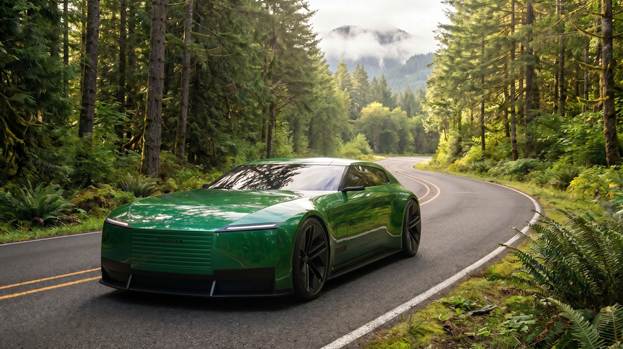
We must discuss the sheer visual shock of Jaguar's debut presentation. Jaguar decided to reveal the Type-00 concept in two incredibly polarizing shades: Miami Pink and London Blue. When you take a brutalist, blocky, unapologetic shape and drape it in a soft, 1980s neon-inspired pastel pink, you create a massive cognitive dissonance for the viewer. The aggressive, Jensen Interceptor-like lines are entirely undercut by a color palette more suited to a Miami Vice reboot than a high-end British grand tourer. Had they debuted this massive slab of Exuberant Modernism in a deep British Racing Green or a menacing gunmetal gray, the public reaction would have likely focused much more on its imposing physical presence rather than mocking its paint job. The ugliness many perceived initially was heavily exacerbated by these baffling launch colors.
Ferrari Luce A Tragedy In Light Blue
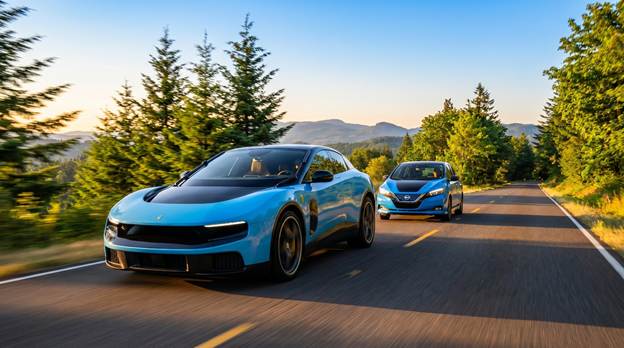
Then we travel to Maranello. Ferrari, the undisputed purveyor of rolling Italian passion and aerodynamic art, finally stepped into the EV game with the highly polarizing Ferrari Luce. To design this highly anticipated electric grand tourer, they enlisted LoveFrom, the design firm co-founded by former Apple design chief Jony Ive. Unfortunately, the heavy Apple influence is glaringly obvious.
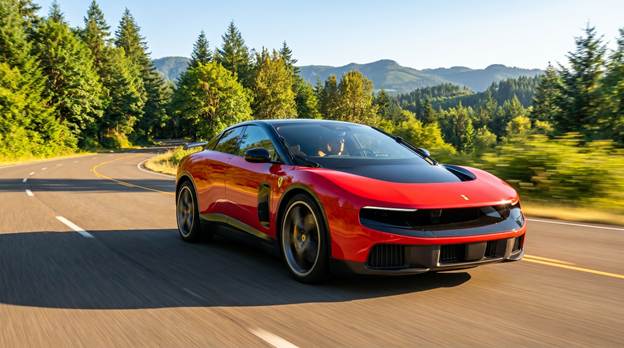
The Ferrari Luce fundamentally does not look like a supercar. It abandons the brand's usual mid-engine-inspired, aggressive proportions in favor of a completely fresh layout that looks more like an oversized Magic Mouse with a Prancing Horse illuminated on the front. To make matters vastly worse, Ferrari seems hell-bent on presenting this vehicle in its absolute ugliest form. In the promotional materials, the car is often showcased in a washed-out light blue.
The Impact of the Launch Color
Did the launch color ruin the Ferrari Luce? The short answer is an emphatic yes. Ferrari unveiled the Luce in a pastel baby blue that instantly drew devastating comparisons to the Nissan Leaf across social media. A Ferrari needs to evoke passion, speed, and danger. By launching their first EV—a highly unconventional four-door, five-seat layout with incredibly smooth, rounded lines—in a friendly, sterile shade of light blue, they amplified every single criticism about the car looking like a luxury household appliance. The color effectively erased any remaining supercar aggression. In a traditional Rosso Corsa or a sleek Nero black with some aero modifications, the Luce's controversial Jony Ive-designed silhouette might have at least retained an aura of Maranello mystique. In light blue, it loses all sense of exotic menace.
Mercedes-AMG GT 4-Door The Ugliest Prius Clone
But hold on, because Mercedes-AMG has entered the chat, and they brought a visual disaster with them. If Jaguar threw down the glove and Ferrari stepped into the game, I firmly believe that Mercedes has won the competition for the most visually offensive creation.
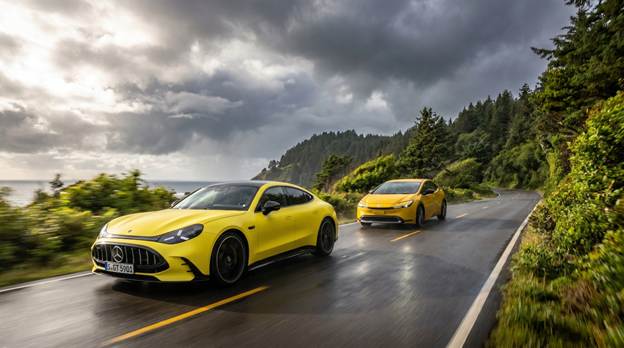
The upcoming Mercedes-AMG GT 4-Door EV has sacrificed literally everything upon the altar of aerodynamic efficiency. The devastating result? If you watch any first look walkaround of the AMG GT EV, you'll see it looks almost exactly like an uglier Toyota Prius. I am completely serious. It possesses absolutely no redeeming visual features. The front end is an amorphous blob of wind-tunnel-dictated curves, the profile looks like a stretched commuter pod, and the rear end sags dramatically like a candle left out in the sun.
AMG used to stand for terrifying German muscle. An AMG car was defined by flared arches, thunderous exhausts, and an intimidating, squared-off presence that parted left-lane traffic purely out of fear. The new GT 4-Door EV abandons all of that for a slippery, teardrop shape that completely neuters the brand’s aggressive identity.
Would a Color Change Save the Mercedes-AMG?
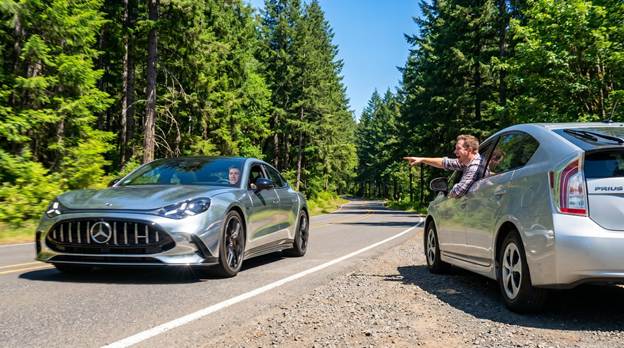
While Jaguar and Ferrari certainly shot themselves in the foot with pastel paint choices, the Mercedes-AMG GT 4-Door EV has a much deeper structural problem. We've seen prototypes clad in swirling camouflage and concepts teasing liquid metal paint (which, admittedly, does look a bit better) or glowing neon accents, but the harsh truth is that no color on the spectrum can fix this fundamental aerodynamic blob. Even if you dipped the GT EV in the most menacing, matte-black, stealth-bomber finish imaginable, it would still fundamentally look like a stretched-out Toyota Prius. Its teardrop silhouette, drooping rear end, and utter lack of aggressive AMG proportions are baked into the sheet metal. Therefore, a color change would absolutely not have altered the final ranking. The Mercedes-AMG GT 4-Door remains the undisputed winner of the ugliest EV crown simply because its unappealing geometry cannot be painted over.
Advanced Technology Hidden In Status Symbols
Let’s take a moment to look past the controversial sheet metal and compare the technology inside all three of these cars, because from an engineering standpoint, the numbers are genuinely staggering.
The Jaguar prototype reportedly utilizes a multi-motor setup pushing out over 1,000 horsepower, aiming for a highly respectable 430 miles of range. The Ferrari Luce steps things up with a proprietary 800-volt architecture, an advanced battery pack, and four independent electric motors delivering immense horsepower. It features complex active suspension and torque vectoring that promises to handle track days with extreme precision.
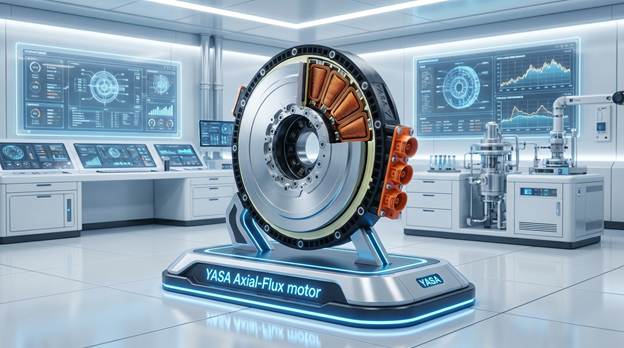
However, the Mercedes-AMG GT 4-Door is easily the most advanced car in this lineup. Utilizing the brand-new AMG.EA platform and mind-bending axial-flux motor technology from YASA, the Mercedes pushes out a ferocious peak of over 1,150 horsepower and immense torque. It can absolutely obliterate the 0-60 mph sprint in roughly 2.0 seconds.
Yet, here is the harsh reality that engineering teams consistently fail to grasp: these monumental technological advancements won’t help much in vehicles that are typically used as high-end status symbols. The buyer of a $200,000 AMG or a $640,000 Ferrari does not care about the thermal efficiency of axial-flux motors or the drag coefficient of the front fascia. They care deeply about how the car makes them look and feel when they pull up to a luxury hotel. When you hand the valet the keys to a vehicle that looks like an uglier Prius, the fact that you possess the most advanced electric powertrain on the planet does absolutely nothing to soothe the sting of onlookers snickering at your car.
Crowning The Ugliest New EV
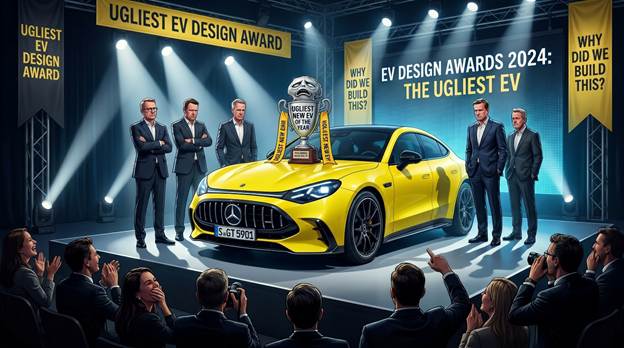
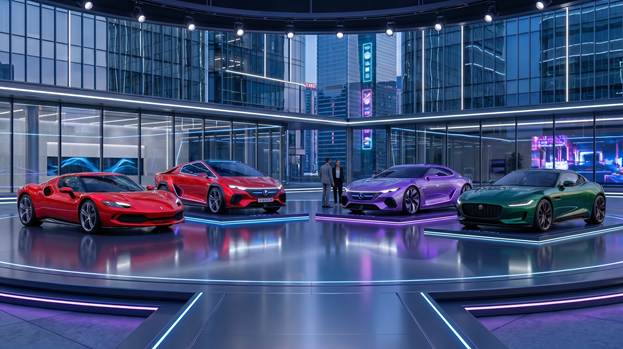
So, if we take all four of these vehicles - the Jaguar Type-01, the Ferrari Luce, the Mercedes-AMG GT 4-Door, and the instigating Tesla Cybertruck - and compare their designs, which car would people most likely want to buy, and which one is the absolute ugliest?
Ironically, despite the massive and brutalist departure from the brand's historic heritage, I believe the Jaguar is the car people would most likely want to buy. Because it leans into that confident Jensen Interceptor vibe, it retains a distinct, unapologetic personality. It is certainly different, but it still exudes a commanding sense of wealth and luxury swagger. It does not look like a tech-company computer mouse, and it does not look like an eco-box.
And the ugliest? The Tesla Cybertruck is undeniably a rolling meme, but it fully owns its bizarre dystopian aesthetic. The Ferrari Luce is a styling tragedy when ordered in light blue, but if a buyer is smart enough to order it in black (or deep purple), it might pass as a sleek executive transport.
Therefore, the crown for the absolute ugliest EV must go to the Mercedes-AMG GT 4-Door, which ironically, also has the best EV technology of the four vehicles. When you charge top-tier luxury money for an elite performance vehicle that the average pedestrian will easily mistake for an oversized hybrid ride-share, you have committed the ultimate automotive design sin. It is a profound misunderstanding of the core AMG demographic.
Wrapping Up
The global automotive industry is currently navigating an incredibly stressful technological transition, and it shows in their panicked design choices. Legacy automakers are terrified of being left behind by Silicon Valley, leading them to falsely believe that they must strip away their emotional, aggressive brand heritage in order to sell electric vehicles. By prioritizing wind tunnels and minimalist tech aesthetics over the visceral, emotional appeal that built their empires, brands like Mercedes, Ferrari, and Jaguar are actively sabotaging their own prestige. While the technology underneath the floorboards of these cars is nothing short of miraculous, engineering brilliance simply cannot save a luxury vehicle that fails the most basic test of automotive desire: making the driver look incredibly cool. Until these legacy giants remember how to design cars with genuine soul, the roads are going to remain filled with some very expensive, and very ugly, mistakes.
Disclosure: Images rendered by Artlist.io
Rob Enderle is a technology analyst at Torque News who covers automotive technology and battery developments. You can learn more about Rob on Wikipedia and follow his articles on TechNewsWord, TGDaily, and TechSpective.
Set Torque News as Preferred Source on Google
Follow us today...