
Key Points
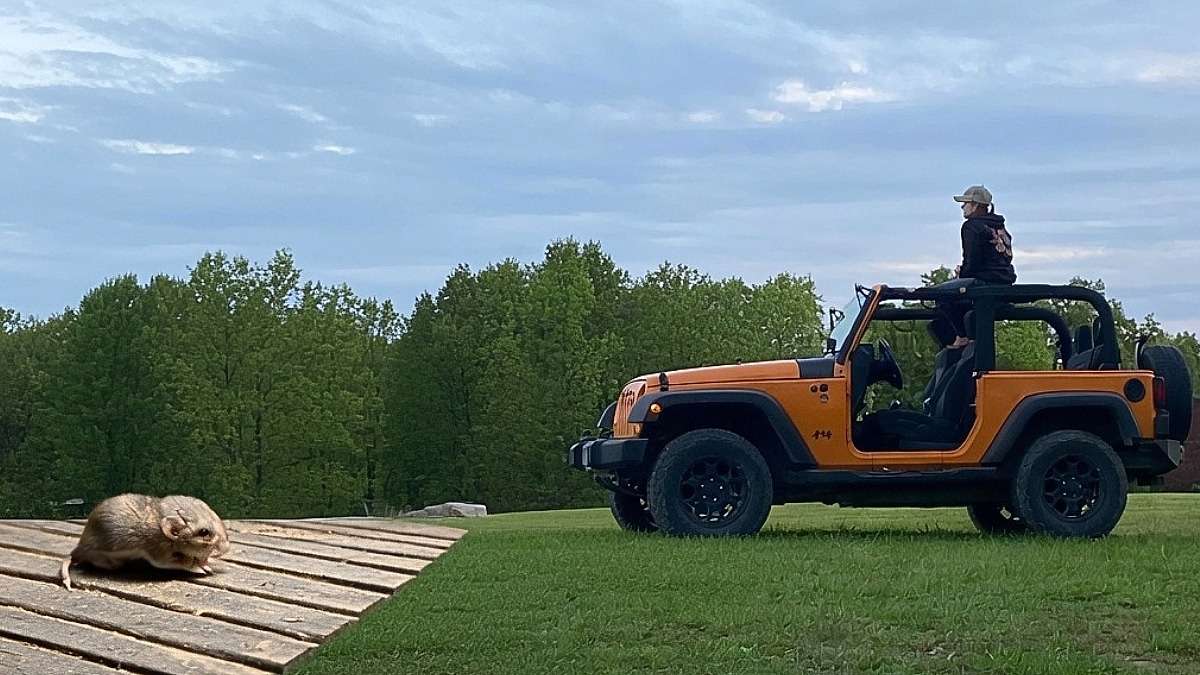
- Jeep Wrangler owner Amy Lewis discovered two mice inside her Jeep but could not locate the nest, turning to the Jeep Wranglers Open Group on Facebook for help.
- Fellow Wrangler owners flooded the post with nearly 350 comments, pointing to common hiding spots like the air filter area, behind the glove box, and inside HVAC ducting.
- Rodent damage to vehicle wiring can run from several hundred dollars to well over $10,000, making early detection critical for any car owner.
One of the best things about owning a Jeep Wrangler is the community that comes with it, and that community showed up in full force when one owner asked for help finding a mouse nest hiding somewhere inside her vehicle. As we have seen time and again on Torque News, the spirit of Wrangler owners helping other Jeepers through unexpected vehicle problems is one of the defining qualities of the Jeep ownership experience, where practical advice from real owners often solves problems faster than any dealership visit. That same spirit also applies to problems far beyond off-roading, as Amy Lewis discovered when she turned to the Jeep Wranglers Open Group on Facebook after finding two mice inside her Jeep but being unable to locate the nest. We have also covered on this site the deep and unusual bond shared between Jeep and Tesla communities when it comes to the fun factor and owner loyalty, a loyalty that reveals itself most clearly in moments like this one, when hundreds of fellow owners drop everything to help a stranger.
As you continue reading, think about this question and answer it in the comments below: If you found mice in your vehicle, where would be the first place you would look for a nest?
Amy's Post Sparks Nearly 350 Responses
Amy shared that she had discovered two mice inside her Jeep but still could not figure out where they were hiding.
"I have a big problem. I've found two mice so far in my Jeep, and can not find the nest," Amy wrote in the group.
Her post quickly attracted attention from fellow Jeep owners. At the time of writing, nearly 350 people had commented with suggestions, personal experiences, and ideas on how to solve the problem. This kind of community response is exactly what the three defining things Jeep Wrangler owners do that most people do not understand, a generosity of time and knowledge that makes the Wrangler community unlike almost any other in the automotive world.
Where Owners Said to Look First
Many commenters immediately began offering possible hiding spots.
Tonya Neal Barnes suggested one area under the hood. "Check under your hood in the air filter area." Others pointed to places inside the cabin that many owners might not think about right away. This is consistent with what our Torque News guide on how to spot mouse and rodent trouble under your hood before it becomes a disaster has long advised: that the fiberglass insulation mat under the hood is one of the most attractive nesting locations for rodents because it stays warm long after the engine shuts off and provides protection from predators.
Cindy Nordby shared her own experience and the fix that worked for her. "Behind my glove box, big nest and my air conditioner was making loud noise when I turned it on high. Sticky traps and sprayed peppermint and plug all entering holes in garage. Working so far." These comments show just how creative mice can be when looking for warm, protected places to build nests, and they confirm that the HVAC system is one of the first places any owner should inspect.
Why Owners Take Mice Seriously
Most people do not worry too much when they see a mouse outside. Inside a vehicle is an entirely different story. Several commenters explained that rodents can damage wiring, insulation, and other components in ways that generate repair bills far beyond what most owners expect. This is a problem that has grown significantly across the automotive industry. We recently reported on a Rivian R1T owner whose mouse nest discovery led to electrical damage totaling over $11,000, exposing a hidden risk that every EV driver needs to know about, a story that illustrates how a single small animal can bring an expensive modern vehicle to its knees.
Robert Avent shared a costly personal experience. "One rat cost me hundreds of dollars in oil line, gauge lines, vacuum lines and wiring not counting the hours it took to fix it all. Oh and the oil spraying all over because I didn't know about the oil line. I'm still finding oil." Donna J. Swallow also recommended checking wiring carefully. "Check your wire harness wires. I had a nest in my Nissan Kicks from one and it ate my harness wires. Cost me around $800 to have it fixed."
The Wiring Problem Is Bigger Than Most Drivers Realize
While these experiences involved different vehicles, they serve as a reminder that finding a nest early can prevent far larger problems later. The rodent wiring problem has become an industry-wide issue tied in part to modern vehicles using plant-based materials in wire insulation, though our Car Talk-sourced report on the myth that soy is why rodents are eating your car's wires makes clear that rodents have always chewed through wiring of every type, and that blaming one material alone oversimplifies a much older problem. The Drive covered this topic in detail, noting that mice have chewed through fuel lines, made nests on intake manifolds, eaten under-hood heat shielding, and ripped up wiring near the thermostat, explaining that "mice like to go where their friends have already been, so the first step of any mouse-reduction campaign has to start with purging the rodent evidence."
What Products Do Owners Recommend?
Many Jeep owners also shared methods they use to keep rodents away. LeeAnn Miller posted a photo of Tasajee Rodent Repellent and wrote, "We've used this in our truck." Others prefer natural scents. Paula Binkley Todd offered this suggestion: "Get packets of lavender and peppermint stuff everywhere you can think of in your Jeep and surrounding it. Smells much better than mothballs too."

The comments showed there is no single solution everyone agrees on. Some owners use repellents. Others use traps. Many combine several methods. For anyone dealing with a rodent problem that has already reached the wiring, it is worth knowing that a 2025 Toyota Sienna was left parked for only 39 hours in Washington DC and became completely undriveable after rodents chewed through its electrical wiring and sensors, a cautionary tale that applies equally to any modern vehicle, including a Wrangler.
One Owner's Story Shows Why Finding The Nest Matters
Tom Russell shared a story that caught the attention of many readers. "Need to find them. They got in my wife's brand new Ford Mustang GT and chewed the leather and an engine harness up. Just the harness was $700 and ran across the dash and died. I found 3 mice, but it's enough. I'm ready to trade the car in with 4,500 miles." His experience highlights why so many commenters encouraged Amy to keep searching until she finds the source of the problem. We have covered similar situations where a Toyota RAV4 Hybrid owner experienced a rodent nightmare on a vehicle with only 45,000 miles and was hoping to drive for another 15 to 20 years, a painful reminder that no vehicle is immune and no mileage level offers protection.
Check Your Insurance Before the Bill Arrives
One practical piece of advice that often goes unmentioned in these community discussions is the role of auto insurance. Rodent damage to vehicle wiring typically falls under comprehensive coverage rather than collision, meaning owners who carry only liability insurance will absorb the full cost out of pocket. We have seen this become a significant financial issue in stories we have covered before, including the case of a 2025 Toyota Camry owner who took their vehicle in for a simple sensor check engine light, only to be told that rodents had chewed through the wires and that the warranty would not cover it. If you have comprehensive coverage and discover a nest, photograph everything and contact your insurer before authorizing any repairs.
A Good Example Of The Jeep Community In Action
What stood out most about Amy's post was not the mice. It was the response. Hundreds of Jeep owners immediately jumped in with ideas, encouragement, and practical advice. Some shared lessons they learned the hard way. Others offered tips that have worked for them over years of ownership. That kind of community response represents a core part of what makes owning a Wrangler different from owning most other vehicles on the market, a culture of mutual support built around the vehicle that extends well beyond trails and overlanding. Whether the topic is off-roading, maintenance, modifications, or unexpected visitors hiding inside a vehicle, there is almost always someone willing to help.
The moral lesson here is simple: when something unexpected goes wrong, do not wait in silence. Reach out to your community, act quickly, and address the problem at its source. A nest found early is a repair bill that never happens.
Hopefully Amy finds the nest soon and gets her Jeep back to being occupied only by its intended passengers.
Have you ever found mice or another animal inside your Jeep or vehicle? Where was the nest located?
What has been the most effective way you have found to keep rodents away from your vehicle? Share your experience in the comments below.
Images from Amy Lewis and Walmart product page.
About The Author
Armen Hareyan is the founder and Editor-in-Chief of Torque News and an automotive journalist with over 15 years of experience writing car reviews and industry news. Now based in the Charlotte region (Indian Land, SC, he founded Torque News in 2010, which since then has been publishing expert news and analysis about the automotive industry. He can be reached at Torque News on X, Linkedin, Facebook, and Youtube. Armen holds three Masters Degrees, including an MBA, and has become one of the known voices in the industry, specializing in the landscape of electric vehicles and real-world stories of actual car owners. Armen focuses on providing readers with transparent, data-backed analysis bridging the gap of complex engineering and car buyer practicality. Armen frequently participates in automotive events throughout the United States, national and local car reveals and personally test-drives new vehicles every week. Armen has also been published as an automotive expert in publications like the Transit Tomorrow, discussing how will autonomous vehicles reshape the supply chain, and emerging technologies in vehicle maintenance.
Set Torque News as Preferred Source on Google
Follow us today...