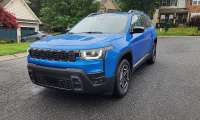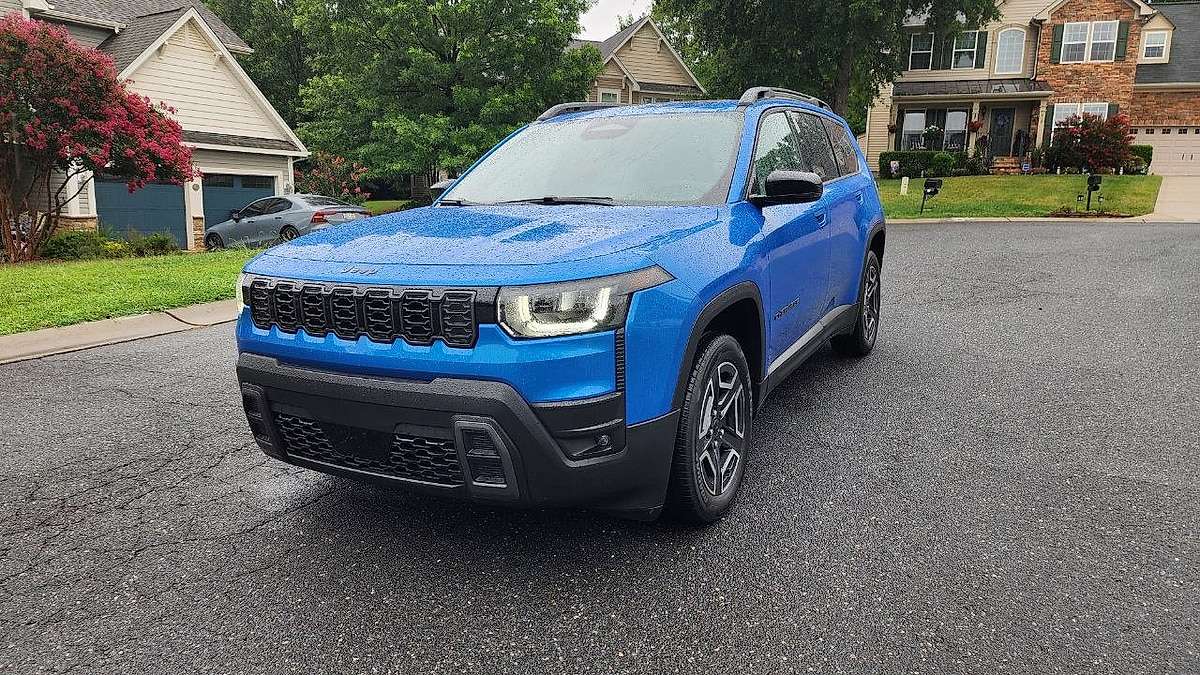

It happened on the third day of my test drive. I had just finished a two hour highway run on I-485 around Charlotte, stepped out of the 2026 Jeep Cherokee Limited 4x4, and realized something surprising. I hadn't thought once about whether I was driving a Jeep. I simply enjoyed the drive. That's when it hit me. This new 2026 Cherokee isn't trying to out-Wrangler the Wrangler. It's trying to become the SUV families choose instead of a Subaru Outback.
If you were buying just one SUV to handle commuting, road trips, snowstorms, and the occasional camping weekend, would you choose the one that's more capable off road, or the one that's more comfortable every single day? Keep that question in mind while you read this review, and let me know your answer in the comments when you finish.
Why Jeep Changed The Mission Of The Cherokee
Jeep's lineup has always had a clear hierarchy. The Wrangler handles the extreme stuff. The Grand Cherokee sits in the middle as the do everything family flagship. The Cherokee used to live somewhere in between, part off roader, part daily driver, never fully committing to either job.
That has changed. Jeep let the Cherokee sit out for a couple of years while it reworked the formula from scratch, and the result is a vehicle that has stopped trying to be the extreme Jeep. It has become the everyday Jeep. I am not talking specs here. I am talking philosophy. Jeep designers told me directly that the new Cherokee was built so there is no learning curve between it and the larger Grand Cherokee L, with controls placed in the same spots in both cabins. That is not the mindset of a brand chasing rock crawlers. That is a brand chasing commuters.
Is The 2026 Cherokee Really Competing With The Subaru Outback?
Here is the story most reviews miss. The Outback has spent decades owning a specific promise. Comfort, AWD confidence, road trip capability, and an outdoorsy image that resonates with buyers from Charlotte to Vermont. I drove the redesigned 2026 Outback Wilderness on a seven day trip from Charlotte to Richmond earlier this year, and its whole pitch is built around that same promise.
The 2026 Cherokee now offers the same list. Comfort, standard AWD, an adventure minded image, hybrid efficiency, and daily usability that doesn't punish you the other 350 days a year you are not camping. This is where the two stories separate from every other comparison you will read. Jeep is not trying to beat Subaru at being rugged. Jeep is trying to beat Subaru at being livable, which is a very different fight, and one that plenty of longtime Outback Wilderness owners are already grumbling about after their own redesign.
What I Noticed During Seven Days Of Driving
My commute mixed 485 traffic with side streets, and the Cherokee never felt like it was working hard to keep up. The turbo hybrid pulled away from stoplights with none of the hesitation I have felt in some RAV4 Hybrid rivals at low speed.
Grocery runs told a different story. I made two stops, one at Sam's Club and one at Harris Teeter, and both times the power liftgate and the flat load floor made loading bags simple. Rain on the second day gave me a chance to test the wipers and visibility, and neither gave me a reason to complain.
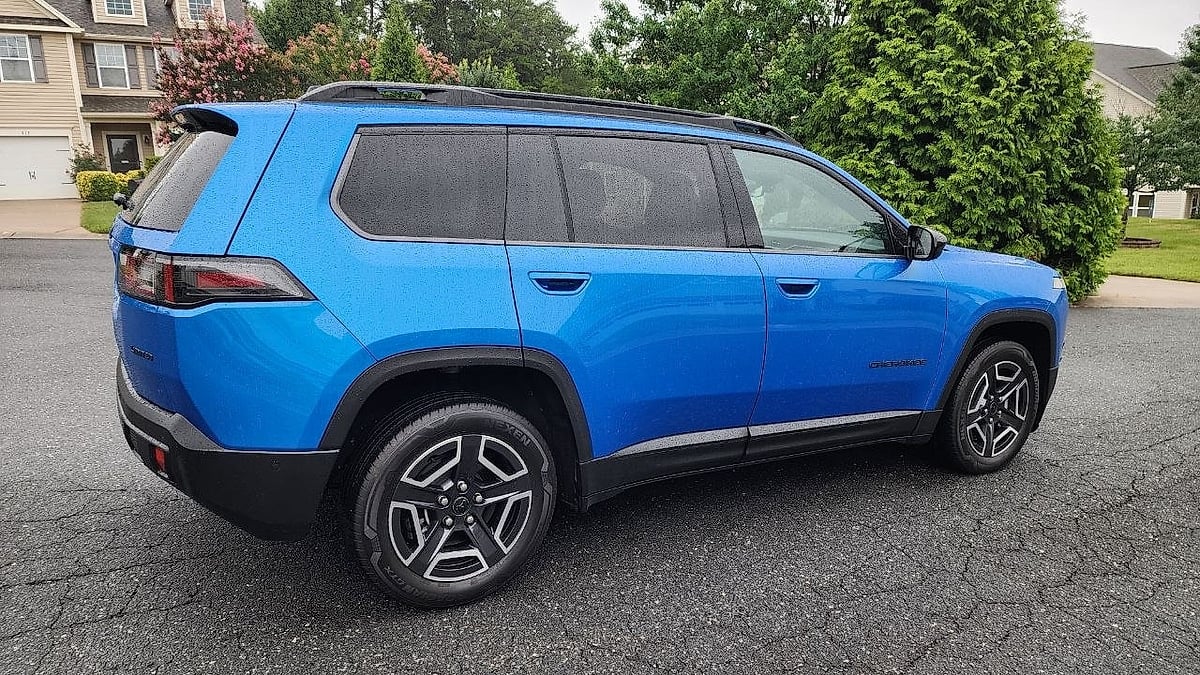
On the highway, the ride stayed composed at 70 mph even with a stiff crosswind kicking up near the interchange. Back roads outside the city showed off a suspension that soaks up potholes without feeling floaty, which matters if you are hauling kids to school pickup every morning. None of these moments are dramatic on their own. Together they tell you whether a vehicle actually fits a normal life, and this one does.
Ride Comfort: Where Jeep Quietly Changed Everything
The seats in my Limited 4x4 tester were trimmed in Cognac leatherette with heating up front, and after two hours on the highway my back had no complaints. Road noise stayed low, wind noise stayed lower, and steering effort felt light enough for parking lots but weighted enough at speed that I never felt nervous.
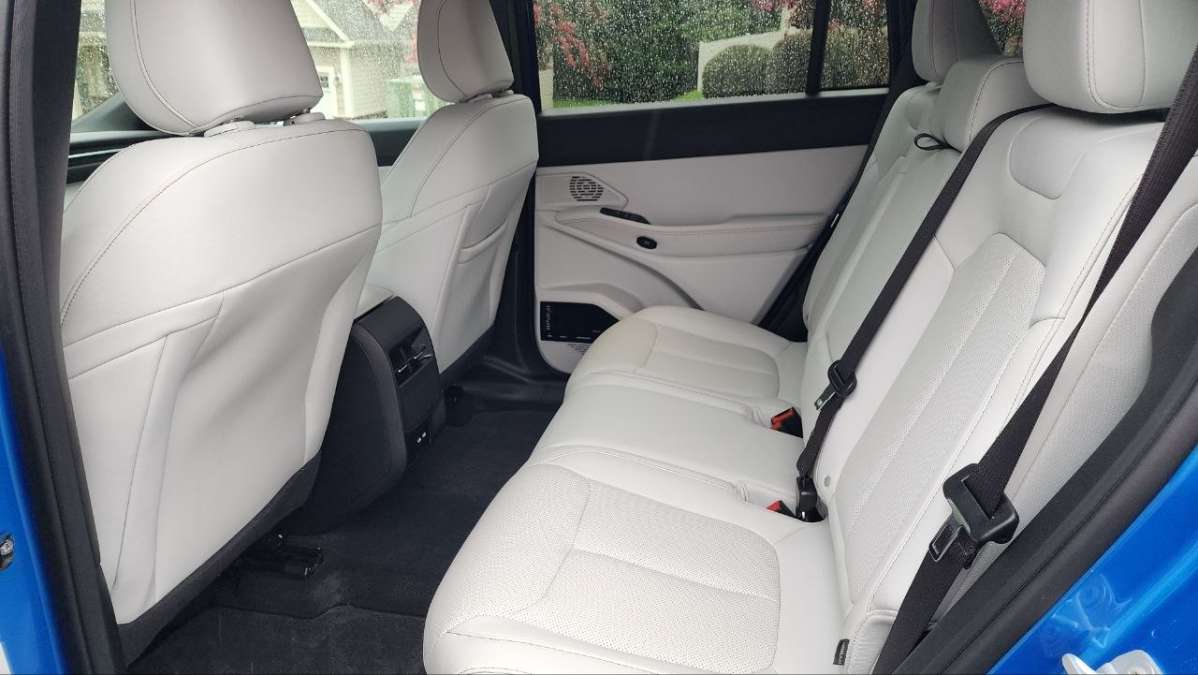
Compared with the Outback Wilderness, the Cherokee feels a touch more buttoned down on pavement, while the Outback still holds an edge once the pavement disappears. Against a CR-V or a Forester, the Cherokee's extra length pays off in a calmer highway ride. This is not about numbers on a spec sheet. It is about how your body feels after driver fatigue has a chance to set in, and the Cherokee passed that test for me every single day.
Is This Still A Real Jeep?
Yes, and Jeep's own designers made that case to me directly. In a virtual briefing earlier this year, Jeep's head of interior design told me that the biggest surprise for longtime Cherokee drivers would be how much they notice the extra cabin space and storage the moment they open the door. That conversation stuck with me the whole week I had the keys.
My Limited 4x4 came with Jeep's Selec-Terrain system and 4WD hardware, along with active driving assist and full speed adaptive cruise. Most owners will never see a boulder field. They will see rain, snow, gravel driveways, and forest service roads on the way to a campground, and the Cherokee handles all of that with real confidence. Jeep's exterior design chief told me in that same design briefing that balancing the boxy Jeep look with real world aerodynamics was the single biggest risk of the whole redesign, and driving it, you can feel that they got the balance right.
Why Comfort Has Become Jeep's New Capability
Capability used to mean lockers, lift kits, and articulation numbers on a spec sheet. Today, for the overwhelming majority of buyers, capability means something different. It means driving six hours without back pain. It means kids sleeping soundly in the back seat. It means a quiet cabin and real confidence the first time snow starts sticking to the road.
That is the redefinition Jeep is betting on with this Cherokee, and it lines up with something Jeep's own leadership said when the Cherokee Hybrid launched earlier this year, describing it as a vehicle built to compete, inspire, and take back Jeep's place in North America's largest vehicle segment. That is not boulder talk. That is family talk.
Interior: Does Jeep Finally Feel Premium Enough?
My tester's window sticker showed a base price of $38,000 for the Limited 4x4, and a total of $44,585 once the Limited Package, Tech Group, and dual pane panoramic sunroof were added. For that money, the materials inside genuinely surprised me. Perforated leatherette seats, a wireless charging pad, and a 12.3 inch Uconnect 5 touchscreen with wired and wireless Apple CarPlay all felt like they belonged in a vehicle costing more.
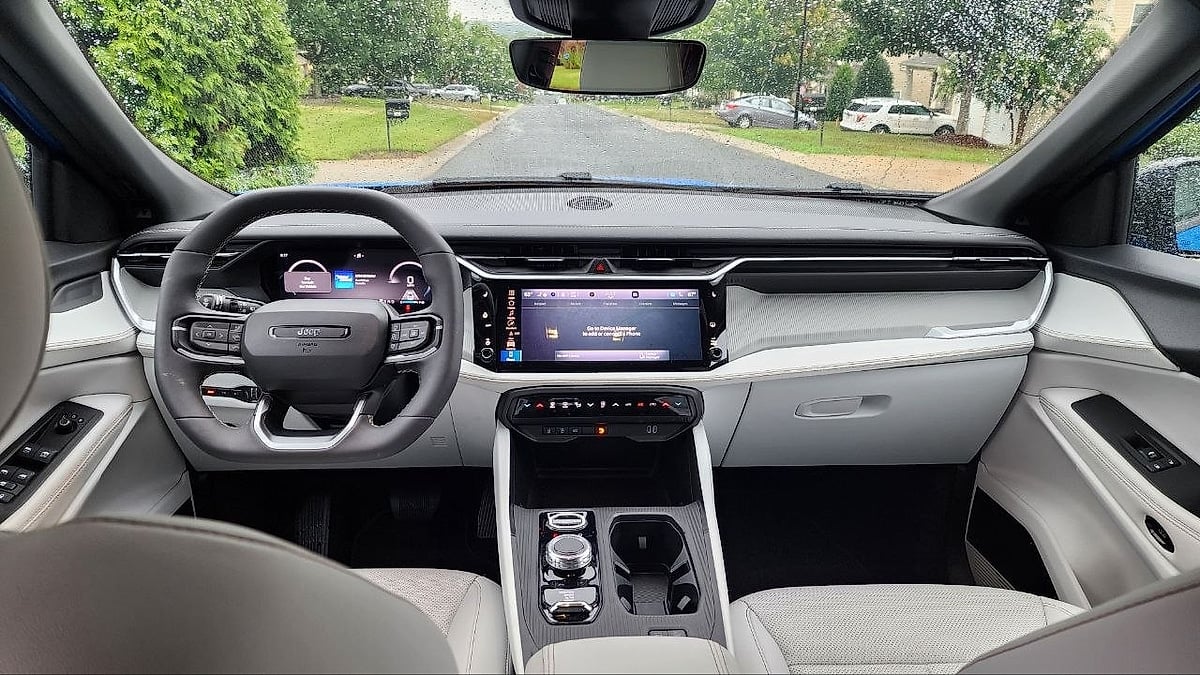
Controls stayed logical throughout the week. The volume knob is exactly where your hand expects it, storage cubbies swallowed sunglasses and phones without a fight, and the automatic dimming rearview mirror was one of those small touches you only appreciate on a long drive into a setting sun. Build quality felt tight, with no rattles over rough pavement near my house. Jeep's exterior designer told me the interior itself was the single element that best signals the Cherokee has entered a new era, and after a week living with it, I understand why he picked that answer.
Can The Cherokee Replace Both A Family SUV And A Weekend Adventure Vehicle?
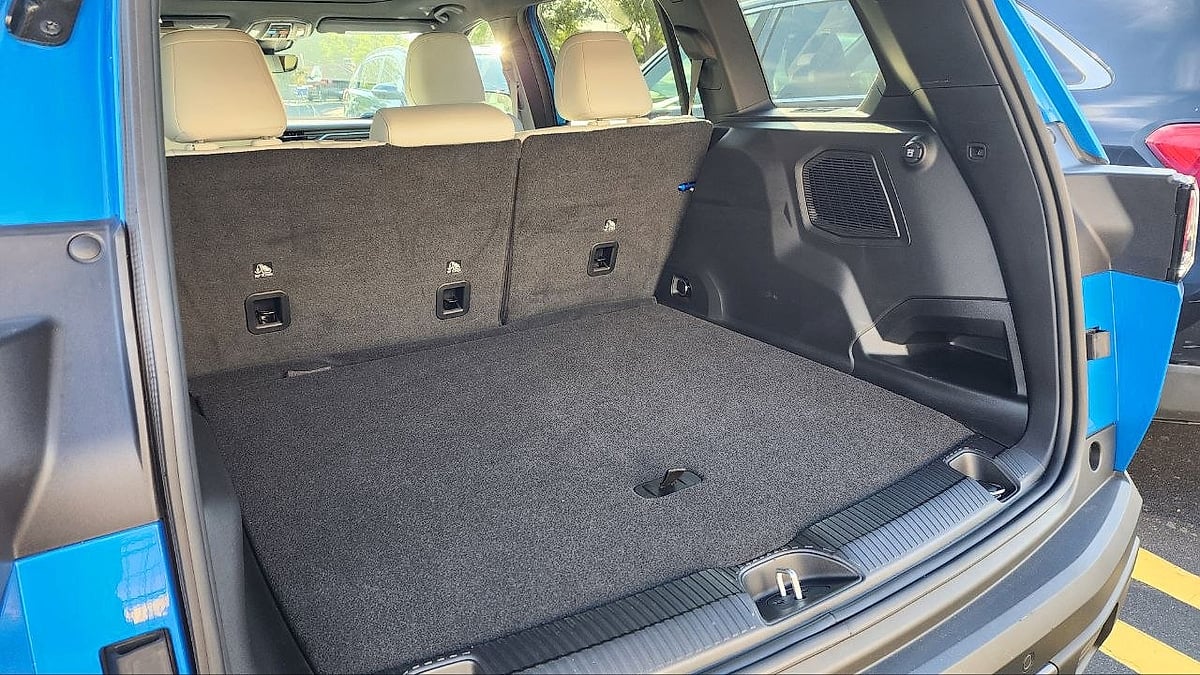
For most families, the answer is yes. Camping gear fits behind the rear seats without a struggle, and skis or a couple of bikes fit with the seats folded. Dog owners will appreciate the low load floor for a crate. National Park road trips benefit from the standard AWD and the reassuring 37 mpg combined rating on the window sticker, which points toward well over 500 miles of range on a single tank.
Weekend errands are where the Cherokee quietly wins people over. Home Depot runs, Costco trips, and soccer practice pickups do not require a rugged off roader, but they do reward a vehicle that is easy to park, easy to load, and easy to live with every single day. I think that broadens who this Cherokee can honestly serve, from empty nesters downsizing from a truck to young families cross shopping a RAV4 Hybrid.
Fuel Economy And Real-World Driving
I did not chase the EPA number. I drove the way I actually live, mixing highway miles on 485 with in town errands and one longer trip toward Columbia. Over the week, the trip computer settled in the low to mid 30s combined, a little under the official 37 mpg rating, which felt honest given how much city driving and errand running I packed into seven days.
Fueling was relaxing rather than stressful. I filled up once during the entire test, and range never became something I had to think about mid trip. That matters more than a chart of numbers, because range anxiety, even in a gas hybrid, quietly wears on you during a long week of driving.
I have logged similar week long tests in the Grand Cherokee L Summit, and the smaller Cherokee's hybrid system felt noticeably more relaxed in stop and go traffic. There was none of the herky jerky start stop behavior I have felt in some larger Jeep products, which tells me the engineers tuned this specific powertrain with commuters in mind rather than simply borrowing a setup from elsewhere in the lineup.
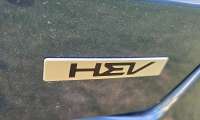
Under the hood, the 2026 Jeep Cherokee uses a 1.6-liter turbocharged four-cylinder hybrid powertrain that produces a combined 210 horsepower (hybrid system net power output). On paper, those numbers may not sound exciting in an era when many SUVs advertise well over 250 horsepower, but that's not the point of this engine. Jeep tuned it for smooth, confident everyday driving rather than dramatic acceleration.
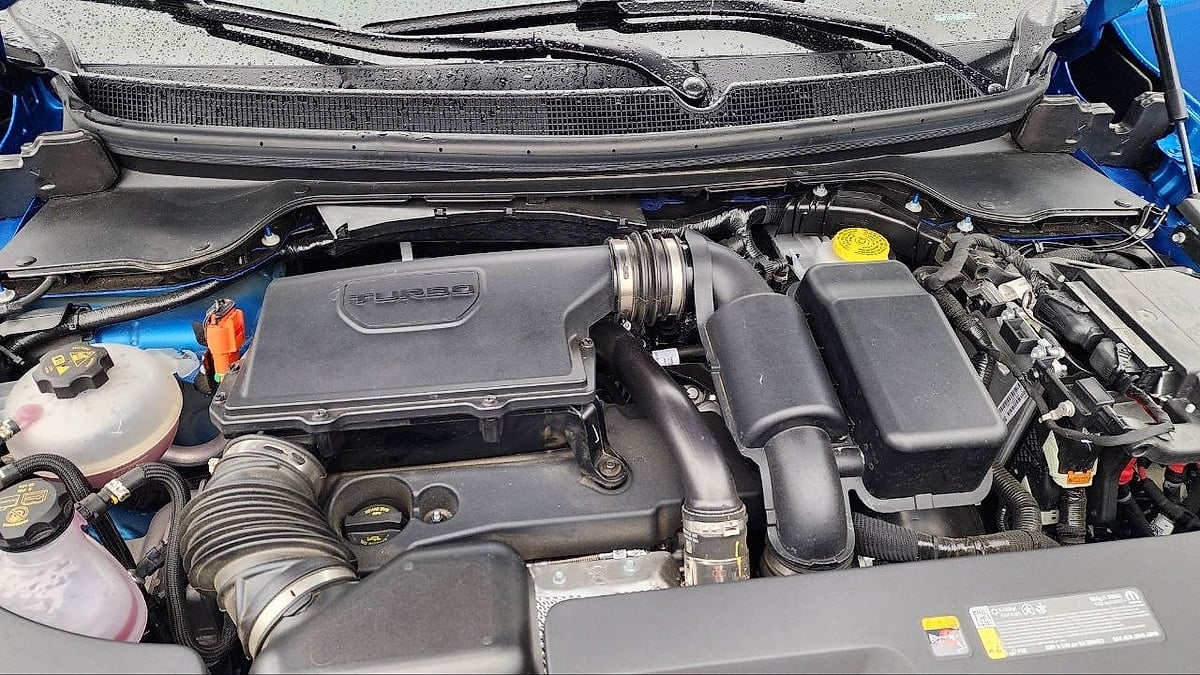
Around town, the electric motor provides immediate low-speed response, while the turbocharged gasoline engine delivers steady power when merging onto highways or climbing hills. After spending time behind the wheel, I found the hybrid system felt refined and unobtrusive, as it goes about its job without constantly reminding you that you're driving a hybrid (except in the beginning when you start the car and hear the hybrid system's power sound), fitting perfectly with the Cherokee's mission as a comfortable, everyday adventure SUV.
Who Should Buy The 2026 Jeep Cherokee?
Ideal buyers include Outback shoppers who want a boxier, more traditional SUV shape. Former Jeep owners drifting back after years away. Empty nesters who want space without a three row footprint. Young families who need real cargo room. Outdoor minded couples who camp a few times a year but commute the other 50 weeks.
Buyers who may want to look elsewhere include serious rock crawlers who should stick with a Wrangler, anyone doing heavy regular towing beyond the Cherokee's 3,500 pound rating, and extreme overlanders who need locking differentials and portal axles rather than a comfortable daily driver. Jeep has already confirmed a 2027 Cherokee Trailhawk for buyers who want more off pavement capability without leaving the Cherokee nameplate, which tells you Jeep knows exactly who it left out this time around.
My Biggest Surprise After One Week
I expected to evaluate another compact SUV. Instead, I found myself understanding why Jeep built this Cherokee the way it did. It doesn't ask families to become off road enthusiasts. It simply promises that wherever life takes them, they will probably get there comfortably.
Edmunds tested a similar Cherokee Limited and called it comfortable, spacious and returns decent fuel economy, though the outlet felt the pricing runs a bit high for the segment. I agree with the comfort and the mileage. I felt less bothered by the price after a week of not thinking about the vehicle at all, which is its own kind of compliment.
Conclusion and Verdict
The 2026 Cherokee isn't trying to replace the Wrangler. It shouldn't. Instead, Jeep appears to have built something equally important. An SUV for the millions of buyers whose biggest adventures happen between Monday morning and Sunday evening. In doing so, Jeep may have created its strongest competitor yet to the Subaru Outback, not by copying Subaru, but by redefining what everyday Jeep capability means.
There is a moral in here for anyone shopping this segment right now. The vehicle that wins your daily life is not always the one with the biggest spec sheet. Sometimes it is the one you stop noticing, because it simply does its job every single time you turn the key.
Would you rather own a vehicle that's more capable off road, or one that's more comfortable for the other 95 percent of your driving?
If you were shopping today, would the 2026 Jeep Cherokee make you consider switching from a Subaru Outback, Toyota RAV4, or Honda CR-V? Why or why not? Let me know in the comments.
Return tomorrow, or check our Torque News Home Page for more interesting automotive news articles.
Images by Armen Hareyan.
About The Author
Armen Hareyan is the founder and Editor-in-Chief of Torque News and an automotive journalist with over 15 years of experience writing car reviews and industry news. Now based in the Charlotte region (Indian Land, SC, he founded Torque News in 2010, which since then has been publishing expert news and analysis about the automotive industry. He can be reached at Torque News on X, Linkedin, Facebook, and Youtube. Armen holds three Masters Degrees, including an MBA, and has become one of the known voices in the industry, specializing in the landscape of electric vehicles and real-world stories of actual car owners. Armen focuses on providing readers with transparent, data-backed analysis bridging the gap of complex engineering and car buyer practicality. Armen frequently participates in automotive events throughout the United States, national and local car reveals and personally test-drives new vehicles every week. Armen has also been published as an automotive expert in publications like the Transit Tomorrow, discussing how will autonomous vehicles reshape the supply chain, and emerging technologies in vehicle maintenance.
Set Torque News as Preferred Source on Google
Follow us today...