
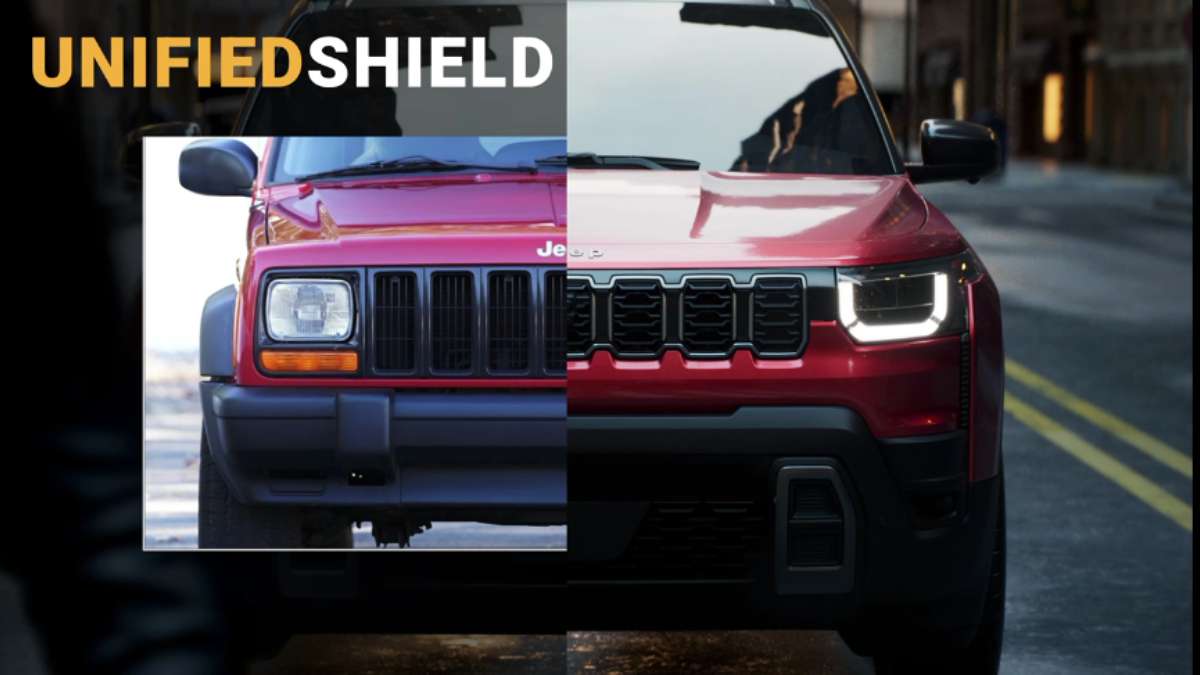

- Jeep's head of design revealed a surprising tension at the heart of the 2026 Cherokee's development.
- The 2026 Cherokee makes a bold bet on heritage over trend in a crowded midsize crossover market.
- The design decision behind the Cherokee's seven-slot grille could shift how Jeep buyers see the brand's next chapter.
When you get a chance to sit in a virtual room with the actual designers who shaped a vehicle from the ground up, you listen very carefully. This afternoon, I joined a small group of journalists for a Behind-the-Scenes virtual event hosted by Jeep Design. On the call were Vince Galante, Vice President and Head of Jeep Global Design, Ryan Nagode, Vice President and Head of Interior Design, and La Shirl Turner, Vice President and Head of Color and Materials. The subject was the all-new 2026 Jeep Cherokee.
My first question cut right to the chase. The Cherokee has evolved with a larger body, new headlights, and bold wheel designs. So I asked Vince Galante directly: which exterior feature did his team see as the single biggest risk in redefining the Cherokee's visual identity, and how did they ensure it would resonate with Jeep loyalists?
Here is the full exchange, exactly as it happened:
Armen Hareyan: The Cherokee has evolved with a larger body, new headlights, and bold wheel designs. Which exterior feature did you see as the single biggest risk in redefining the Cherokee's visual identity, and how did you ensure it would resonate with Jeep loyalists?
Vince Galante: "So I think, the biggest challenge that we had on it was balancing kind of that boxy look that we were after with the aerodynamics, because that, you know, is our biggest lever to pull as far as making sure the car is efficient for the customer, especially in like a high-volume segment like this."
"So there is a risk factor in balancing that rugged Jeep style with aerodynamics. It's a delicate balance. We had to ensure it would resonate with Jeep loyalists."
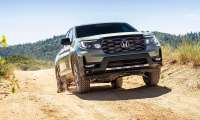
"I think we have the right elements on the outside. I think the front end in the sea of CUVs is pretty distinctive, very blocky."
"I think we really made a big deal out of the seven-slot grille on this one."
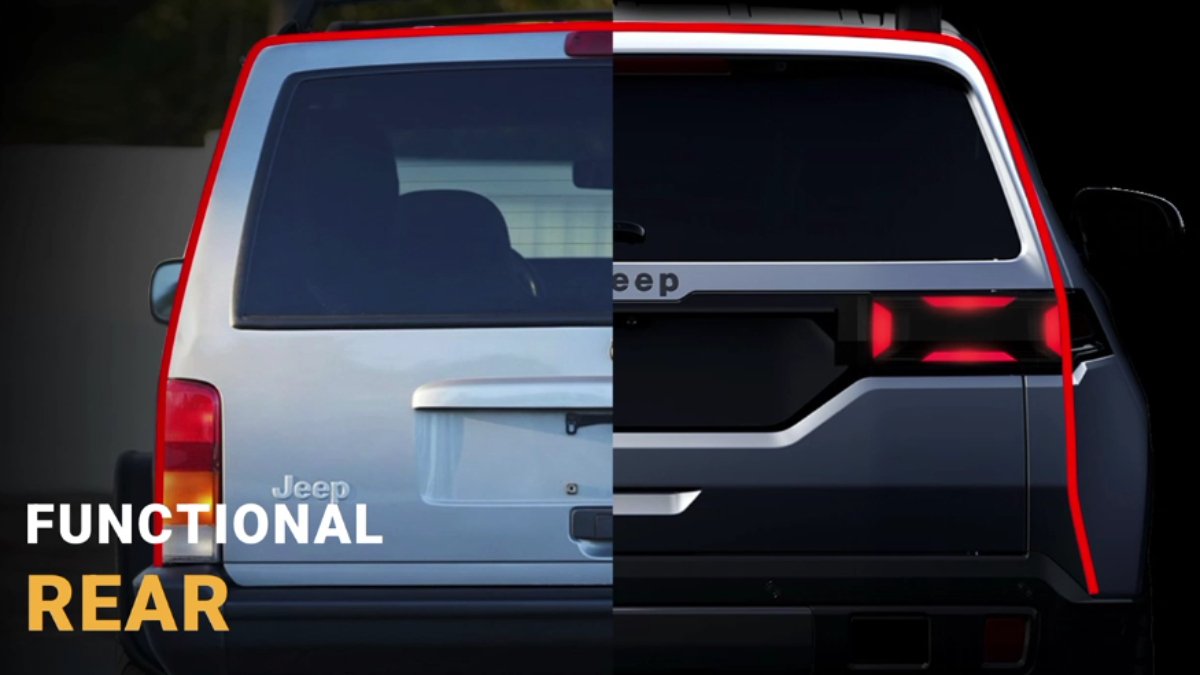
"And then in the back, I think if you guys have not seen a 2026 Jeep Cherokee on the road, that boxiness, that crisp line that runs around the back, that really was taken right off of that original Cherokee. I think it is pretty simple, but also pretty powerful on the road in combination with the taillights."
His answer was refreshingly candid. And if you are thinking about buying the 2026 Jeep Cherokee, or even if you are just someone who cares about where this iconic nameplate is headed, you want to hear what comes next.
The Tension Nobody Talks About
Galante did not hesitate. He said the biggest challenge was balancing the boxy look the team was pursuing with aerodynamics. That might sound like an engineering problem, not a design problem, but think again. Aerodynamics is one of the most powerful levers designers can pull to make a vehicle efficient, especially in a high-volume segment like the midsize crossover market where the Cherokee competes. Shave drag, save fuel. Simple in theory. Complicated in practice when your whole design language is built around edges, corners, and upright surfaces.
Jeep's design DNA is rugged and boxy by nature. That is what loyal buyers love. But physics pushes back hard against boxes. So you have a design team trying to honor a legacy while also delivering a vehicle that performs well for families watching their fuel budget. That is a real risk. The wrong call in either direction and you lose people. Galante acknowledged it plainly: it is a delicate balance, and there is a genuine risk factor in trying to reconcile rugged Jeep style with aerodynamic efficiency.
That kind of honesty from a senior VP at a major automaker is not something you hear every day. After 15 years covering the automotive industry, I can tell you that design leaders often speak in perfectly polished marketing language. Galante spoke like a guy who actually wrestled with the problem.
What They Got Right
So what did Jeep actually do to solve it? Galante pointed to three things. First, the front end. In a sea of CUVs where most vehicles are starting to look interchangeable, the 2026 Cherokee holds its ground with a very blocky, very distinctive face. He was particularly direct about the seven-slot grille, saying the team made a big deal of it on this generation. And he is right to. The seven-slot grille is Jeep's most recognizable visual cue, arguably one of the most recognized design signatures in the entire automotive world. Dialing it up rather than softening it was a statement of confidence.
If you want to understand why Jeep is putting so much emphasis on design identity right now, you should read our coverage of why Jeep is counting on the 2026 Cherokee hybrid to reinvigorate sales, a story that explains exactly how much pressure the brand is under to reclaim market share after years without a vehicle in this segment.
Second, there is the rear. Galante says if you have not seen the 2026 Cherokee on the road yet, the back of this vehicle is going to stop you. The boxiness, the crisp horizontal line that wraps around the tail, the relationship between that line and the taillights. He said it was taken directly from the original Cherokee. Simple, powerful, and unmistakable on the road. That is a bold creative decision, drawing from heritage rather than chasing the future.
Third, the overall proportions. The 2026 Cherokee is larger than its predecessor, with a bigger body that commands more road presence. That added volume also gives the designers more canvas to work with, and they used it to reinforce the hard edges and upright surfaces that define the Jeep look.
Why This Matters to You as a Buyer
Here is something worth thinking about when you are shopping for a new crossover. You are not just buying a machine. You are buying a design statement. And the 2026 Cherokee is making that statement by doubling down on heritage at a moment when most of its competitors are going softer, rounder, and more anonymous.
The 2026 Grand Cherokee recently went through its own design update, and our team covered how the refreshed 2026 Grand Cherokee debuted a more powerful and more fuel-efficient engine while maintaining its iconic seven-slot grille and visual identity. The pattern is consistent. Jeep is leaning into what it is rather than pretending to be something else.
The brand also recently celebrated its 85th anniversary with a special package that illustrates just how intentional the brand's design language has become. Our story on how Jeep launched 85th Anniversary Edition models for the Cherokee and Grand Cherokee with premium interior upgrades captures that confidence in action.
The Bigger Lesson Here
And here is where this story goes beyond cars. Galante and his team faced a choice that most of us face in some form at some point. Do you chase what is popular, or do you stay true to what you are? The likelier path to a safe career in corporate design is to follow the trend, smooth the edges, look like everything else. Nobody gets fired for designing a vehicle that looks like its competitors.
But Jeep took the harder road. They looked at the original Cherokee, studied what made it iconic, and built forward from that foundation rather than abandoning it. That takes conviction. It also takes humility, because honoring something you did not create requires respect for what came before you.
As you make your own decisions, whether about buying a vehicle or about something much more important in your professional or personal life, consider the value of staying true to what genuinely works rather than chasing what seems to be working for everyone else right now. The short term might look different, but the long term usually rewards authenticity.
Speaking of staying in that midsize Jeep family lineup, it is also worth noting that Jeep is betting hundreds of millions on the success of the 2026 Compass in America, another vehicle that has to walk a similar tightrope between distinctive identity and broad market appeal.
Stay With Me on This
We are just getting started on our coverage of the 2026 Cherokee design story. In the sessions that followed my first question, Ryan Nagode and La Shirl Turner took us deep into the interior and the color and materials strategy. There is a lot more to come. In fact, I asked two more questions on behalf of Torque News and will have it covered tomorrow and the next day. Return to Torque News if you would like to learn more about the 2026 Jeep Cherokee.
Now I want to hear from you. Have you seen the 2026 Jeep Cherokee in person or on the road yet, and did the exterior design catch your attention the way Vince Galante hoped it would? And as someone who may be shopping in the midsize crossover segment right now, does a bolder, boxier design actually make the Cherokee more or less appealing to you compared to softer-styled competitors? Let us know in the comments section below.
Images by Jeep Media presented during today's meeting.
About The Author
Armen Hareyan is the founder and Editor-in-Chief of Torque News and an automotive journalist with over 15 years of experience writing car reviews and industry news. Now based in the Charlotte region (Indian Land, SC, he founded Torque News in 2010, which since then has been publishing expert news and analysis about the automotive industry. He can be reached at Torque News on X, Linkedin, Facebook, and Youtube. Armen holds three Masters Degrees, including an MBA, and has become one of the known voices in the industry, specializing in the landscape of electric vehicles and real-world stories of actual car owners. Armen focuses on providing readers with transparent, data-backed analysis bridging the gap of complex engineering and car buyer practicality. Armen frequently participates in automotive events throughout the United States, national and local car reveals and personally test-drives new vehicles every week. Armen has also been published as an automotive expert in publications like the Transit Tomorrow, discussing how will autonomous vehicles reshape the supply chain, and emerging technologies in vehicle maintenance.
Set Torque News as Preferred Source on Google
Follow us today...



Comments
Long body like a grand…
Permalink
Long body like a grand Cherokee.
Not sure this feels very…
Permalink
Not sure this feels very bold at all. Other than the grille, the rest of the vehicle is rather boring and doesn’t stand out. Considering all of the amazing designs down by Chrysler Design, this one surprised me as rather dull in a sea of dull mid-size SUV/CUV offerings. The hybrid powertrain may appeal to more modern buyers but traditional Jeep (and Cherokee) folks won’t find that as appealing. I’m underwhelmed by the whole thing.
Jim, you are not alone in…
Permalink
In reply to Not sure this feels very… by Jim Bur (not verified)
Jim, you are not alone in that feeling, and it is actually one of the more honest reactions I have heard since this vehicle was revealed, which is why I appreciate you sharing it here. There is a real argument to be made that playing it safe in a segment already crowded with forgettable shapes is its own kind of risk, and Chrysler Design's history gives us plenty of reference points for what genuinely daring looks like. But I will say this. Sitting in that virtual briefing with Vince Galante, what came through clearly was that the restraint you are reading as dullness was a deliberate choice rooted in aerodynamic efficiency and long term design durability rather than a failure of imagination. Whether that trade off was worth it is exactly the kind of conversation this vehicle needs to spark, and your comment is a perfect example of why. What would you have wanted to see them do differently with the exterior that would have made you feel this Cherokee lived up to the Chrysler Design legacy you are describing?
Jim, you are not alone in…
Permalink
In reply to Not sure this feels very… by Jim Bur (not verified)
Jim, you are not alone in that feeling, and it is actually one of the more honest reactions I have heard since this vehicle was revealed, which is why I appreciate you sharing it here. There is a real argument to be made that playing it safe in a segment already crowded with forgettable shapes is its own kind of risk, and Chrysler Design's history gives us plenty of reference points for what genuinely daring looks like. But I will say this. Sitting in that virtual briefing with Vince Galante, what came through clearly was that the restraint you are reading as dullness was a deliberate choice rooted in aerodynamic efficiency and long term design durability rather than a failure of imagination. Whether that trade off was worth it is exactly the kind of conversation this vehicle needs to spark, and your comment is a perfect example of why. What would you have wanted to see them do differently with the exterior that would have made you feel this Cherokee lived up to the Chrysler Design legacy you are describing?
Jeep already crossed that…
Permalink
Jeep already crossed that bridge with the 2014 model. When new, I wasn't a fan, but the public loved the reiteration of the nameplate.
2 ton tall car (CUV) with a…
Permalink
2 ton tall car (CUV) with a 1.6L engine and CVT doesn’t scream longevity or rugged offroad. For the majority of CUV buyers I’m sure it will check their boxes since they’ll never actually offroad or tow.
There is a bigger issue…
Permalink
There is a bigger issue. Jeep has not been Jeep for a long time now (FIAT and now Craplantis) Reliability is trash, parts are stupid expensive, warranty coverage is hit or miss, pricing is stupid high.......... A visual redress is NOT how you get people to buy again. Longevity, reliability, cost and superb support are what win the customer. No one wants to buy a 70k vehicle only to have to spend 10k or more in the first year for piss poor quality control and "excluded" items that SHOULD be covered under warranty. Looks are not everything.