


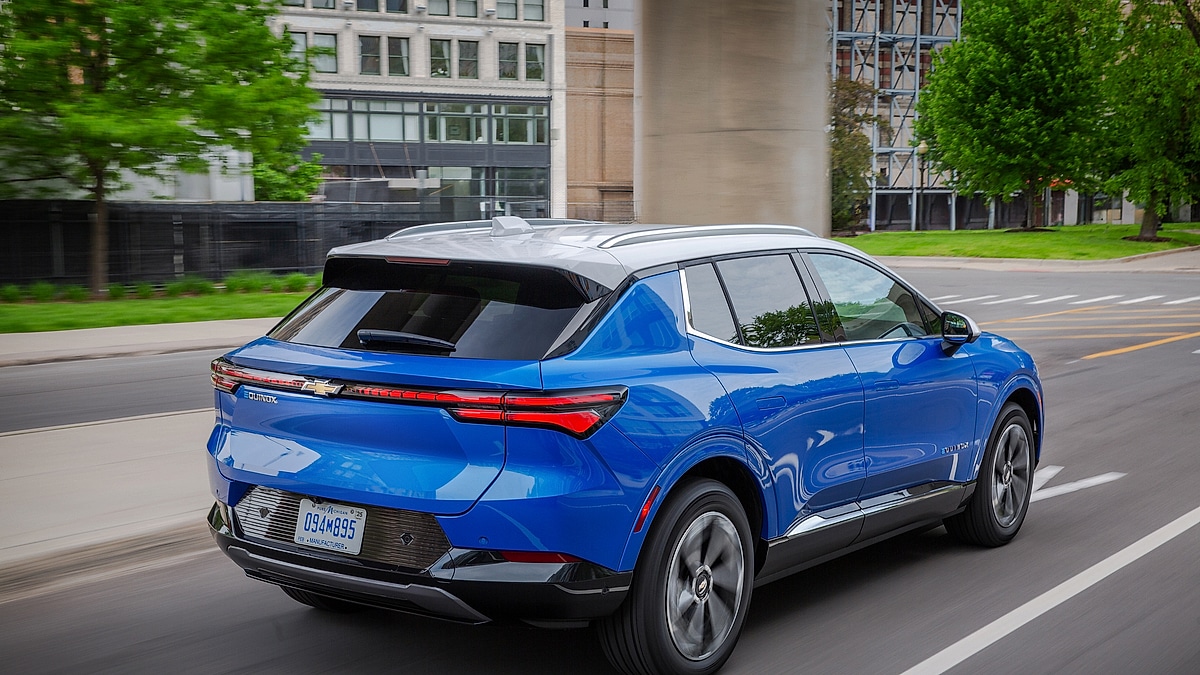
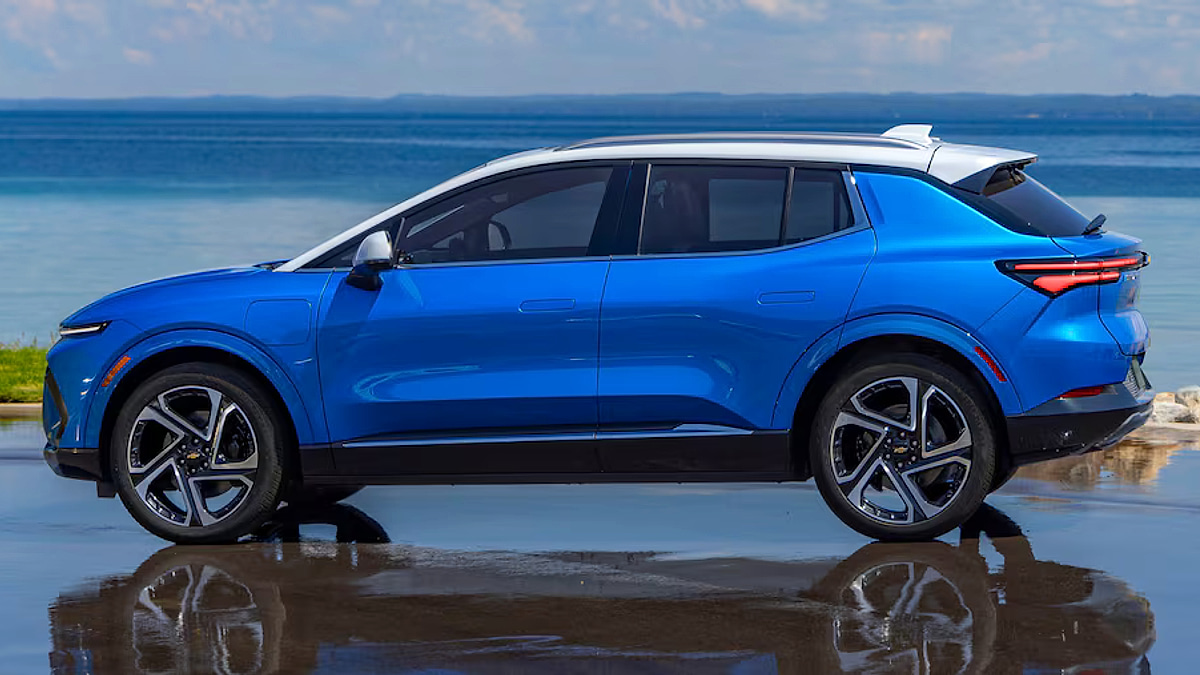
A recent incident involving a Chevy Equinox EV's self-sealing tire has exposed a fundamental disconnect between advanced automotive technology and the traditional service industry. When a bolt punctured the tire, the self-sealing compound performed exactly as advertised, preventing air loss. However, the tire shop, Belle Tire, found the sealant so effective that it resisted conventional repair methods, including grinding, leaving them unable to perform a standard patch. The tire was ultimately returned with the bolt simply removed, no charge, because the internal sealant could not be cleared for a proper patch.
This situation shows a growing tension as manufacturers integrate complex, non-standard components into vehicles without fully preparing the aftermarket for their unique service requirements. While the self-sealing tire offers a clear benefit to the owner in preventing roadside flats, it creates a new set of problems for the shops tasked with maintaining them. This gap in service protocol means owners may face unexpected challenges and potential costs when these tires inevitably need professional attention.
"So, this happened. I realize the tires are self-sealing, but I had no idea how self-sealing they are. I took the car to Belle Tire to get the bolt removed and the tire repaired. They ended up just taking the Bolt out. Apparently, the guy tried to take a grinder to the "material" inside to do a "normal" repair, but the stuff wouldn't come out with a grinder. So, they pulled the bolt, re-mounted it, and sent me on my way, no charge. Til the moment when they say self-sealing."
Steve Norman’s experience with his Equinox EV tire reveals a critical point: manufacturers are increasingly relying on proprietary solutions that, while effective in their primary function, complicate routine maintenance.
Chevrolet Equinox EV: Self-Sealing Tire Service Challenges
- The Chevrolet Equinox EV can be equipped with self-sealing tires, which feature an internal sealant layer designed to automatically close punctures up to 5 mm (approximately 0.2 inches) in diameter. This technology aims to prevent immediate air loss and keep the vehicle mobile after minor tread penetrations.
- Traditional tire repair methods, which often involve cleaning the internal surface of the tire before patching, are complicated by the sticky, viscous nature of the self-sealing compound. Mechanics may find it difficult and time-consuming to remove enough sealant to ensure proper adhesion for a patch.
- While manufacturers provide specific repair instructions for these tires, many independent tire shops and even some dealerships may decline repairs due to the increased labor, specialized procedures, or perceived risk. This can lead to owners being advised to replace an entire tire for a repairable puncture.
- The cost implications are significant, as replacing a specialized EV tire can be considerably more expensive than a standard repair, creating an unexpected burden for owners who assumed their tires were simply "self-healing."
The self-sealing compound, designed to prevent immediate deflation, creates a barrier to the very repair procedures tire shops have used for decades. When a mechanic resorts to a grinder to remove the internal sealant for a patch, it’s clear that the standard operating procedures are failing.
This is where the industry's communication breaks down. John Anderson, citing the Equinox EV Forum, provided a detailed explanation of "Self Seal Tires" in the comments, stating they "will not deflate if punctured by a nail, screw, etc." and that the "sticky, viscous sealant layer fixes tread damage up to 5 mm in diameter." Anderson further notes, "Self-seal tires can be repaired following the manufacturer's instructions, but some tire shops refuse because it's a bit messy and takes time to do it right.” This forum information, presumably from GM or the tire manufacturer, suggests a repair is possible, yet Norman's local Belle Tire could not or would not perform it. The discrepancy between manufacturer claims and real-world service capability is precisely where owner frustration escalates.
The issue is whether the average tire shop will repair it. The "messy" and "time-consuming" nature of these repairs, as described in the forum, often translates to a refusal at the service counter. Shops are incentivized by efficiency; a standard plug-and-patch takes minutes, while dealing with a self-sealing compound can take significantly longer, tying up a bay and technician. This economic reality means that even if a manufacturer provides repair instructions, the local shop may simply decline, pushing the customer towards an expensive tire replacement.
Bryant Williams, another commenter, shared a similar positive experience with self-sealing tires, noting, "I had an inch and a half long, half inch diameter bolt... fully embedded. Wouldn't pull out, had to get a ratchet and unscrew it. I hoped it would hold air till I got to the tire shop. That was a year and a half ago. It's still fine. I am impressed!" This shows the immediate benefit of the technology: it keeps the car on the road. However, Williams doesn't detail the repair process, only that the tire "is still fine." The real test comes when the tire needs a proper, long-term repair, not just the removal of the foreign object.
Victor Kan's comment describes a common scenario where punctures near the sidewall lead to tire replacement due to USTMA standards, revealing challenges shops face. He observed a Subaru owner at Costco struggling to get a screw removed from a self-sealing tire, suggesting that even simple foreign object removal can be problematic if the sealant is too effective. This broader industry trend shows tire technology evolving faster than service standards.
General Motors and other manufacturers adopting these technologies have a responsibility beyond simply installing them. They must ensure the service ecosystem is prepared to handle them.
This means clear, accessible repair protocols for technicians, training for independent shops, and potentially, specific tools or compounds that make these repairs economical and straightforward. Until then, owners of vehicles like the Equinox EV, while benefiting from puncture protection, risk being caught between advanced technology and a service industry ill-equipped to maintain it, potentially leading to unnecessary and costly tire replacements for otherwise repairable damage.
Are you excited about the direction tires are going?
Comment your thoughts about this down below.
Image Sources: Chevrolet Media Center
About The Author
Noah Washington is an automotive journalist based in Atlanta, Georgia, covering sports cars, luxury vehicles, and performance culture. His reporting focuses on explaining the engineering, design philosophy, and real-world ownership experience behind modern vehicles.
Noah has been immersed in the automotive world since his early teens, attending industry events and following the enthusiast communities that shape how cars are built and driven today. His work blends industry insight with enthusiastic storytelling, helping readers understand not just what a car is, but why it matters.
Noah is also a member of the Southeast Automotive Media Association (SAMA), a professional organization for automotive journalists and industry media in the Southeast.
His coverage regularly explores sports cars, luxury vehicles, and performance-driven segments of the automotive industry, including the evolving culture surrounding Formula Drift and enthusiast builds.
Read more of Noah's work on his author profile page or on his personal website.
You can also follow Noah here:
Set Torque News as Preferred Source on Google
Follow us today...







Comments
I drove the new Bolt this…
Permalink
I drove the new Bolt this week, and I was disappointed to see that the Self-Seal tires were not included in the new-gen Bolt. It was a good feature of the prior Bolts.