
According to ongoing Torque News tracking of manufacturing defects, a critical structural disconnect has emerged within General Motors' full-size truck powertrain segment. Long-term field monitoring reveals that modern EcoTec3 V8 platforms, specifically the 5.3-liter L84 and 6.2-liter L87 variants, are experiencing severe internal oil depletion well before conventional service thresholds dictate an oil change.
Torque News technical analysis by Denis Flierl identifies a critical gap between factory maintenance schedules and real-world component longevity. The primary culprit behind this issue is a devastating mechanical vulnerability where the truck's digital Oil Life Monitor algorithm fails to account for aggressive fluid vaporization and internal oil burning. Consequently, drivers remain completely unaware that their crankcase may be critically low on lubrication while the dashboard cheerfully displays a safe percentage.
This investigative piece uncovers how high-stress operating temperatures, narrow ring tensions, and active fuel management systems conspire to turn standard consumer trucks into oil-thirsty liabilities without triggering a single physical puddle or check engine light until severe starvation occurs.
The illusion of mechanical health in modern full-size trucks is dictated entirely by dashboard algorithms, but a real-world engine failure does not care about digital percentages. In our ongoing coverage of General Motors' reliability, Torque News Senior Reporter Denis Flierl has uncovered an unresolved dispute over severe internal oil consumption plaguing the 2019 through 2026 model-year Chevrolet Silverado and GMC Sierra half-ton trucks. The breaking point for consumer confidence occurs when lifelong brand advocates, who have owned multiple generations of these vehicles, realize that factory-approved operational metrics no longer shield them from complete top-end engine starvation.
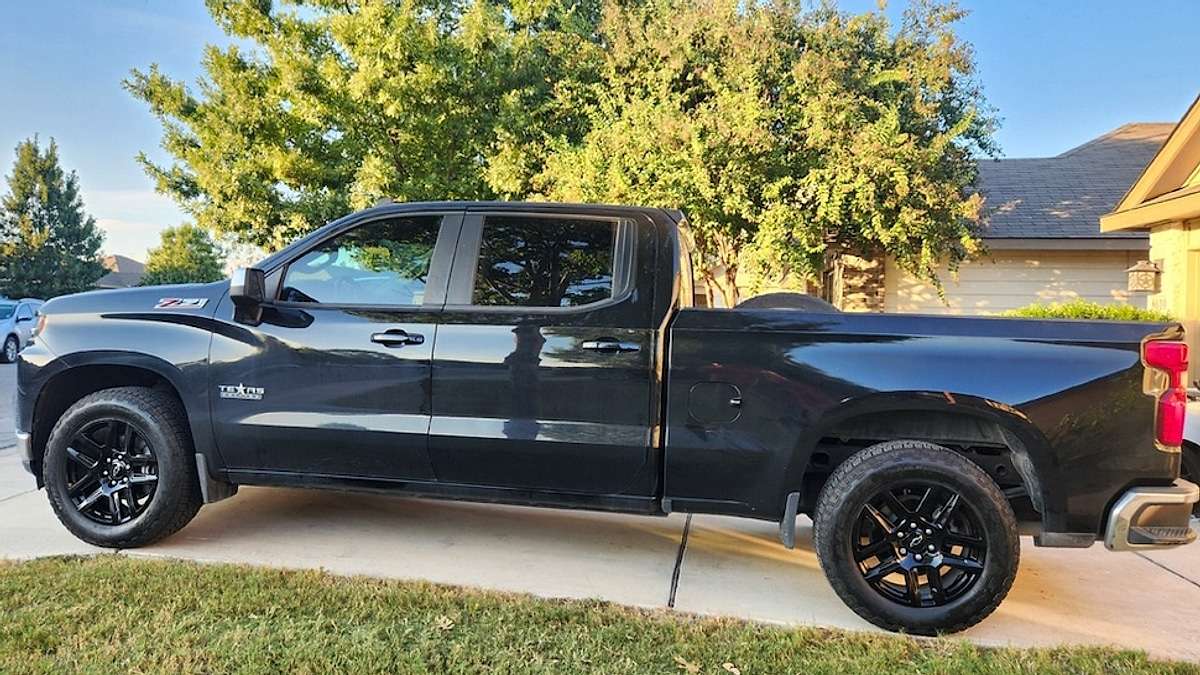
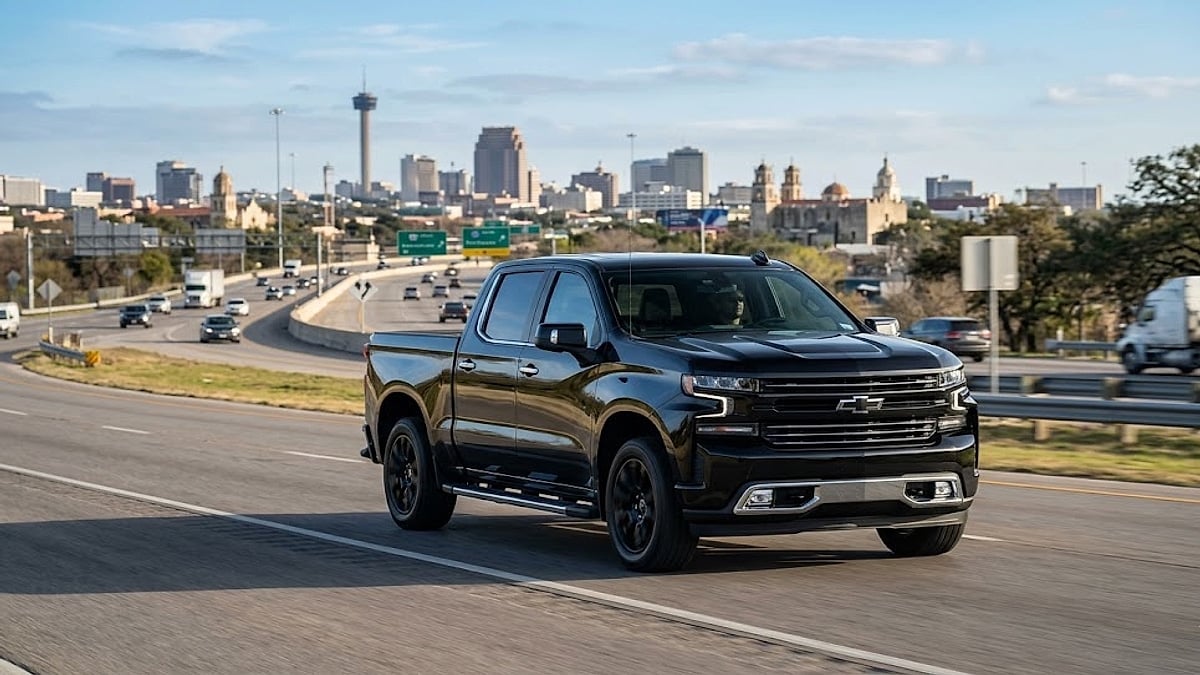
A vivid case study highlighting this issue comes from Ricardo Morales, a dedicated truck owner from San Antonio, Texas. Sharing his experience on the 2019 - 2026 Chevy Silverado & GMC Sierra Owners Facebook page, Morales detailed an alarming maintenance anomaly that challenges the safety protocols established by GM service manuals.
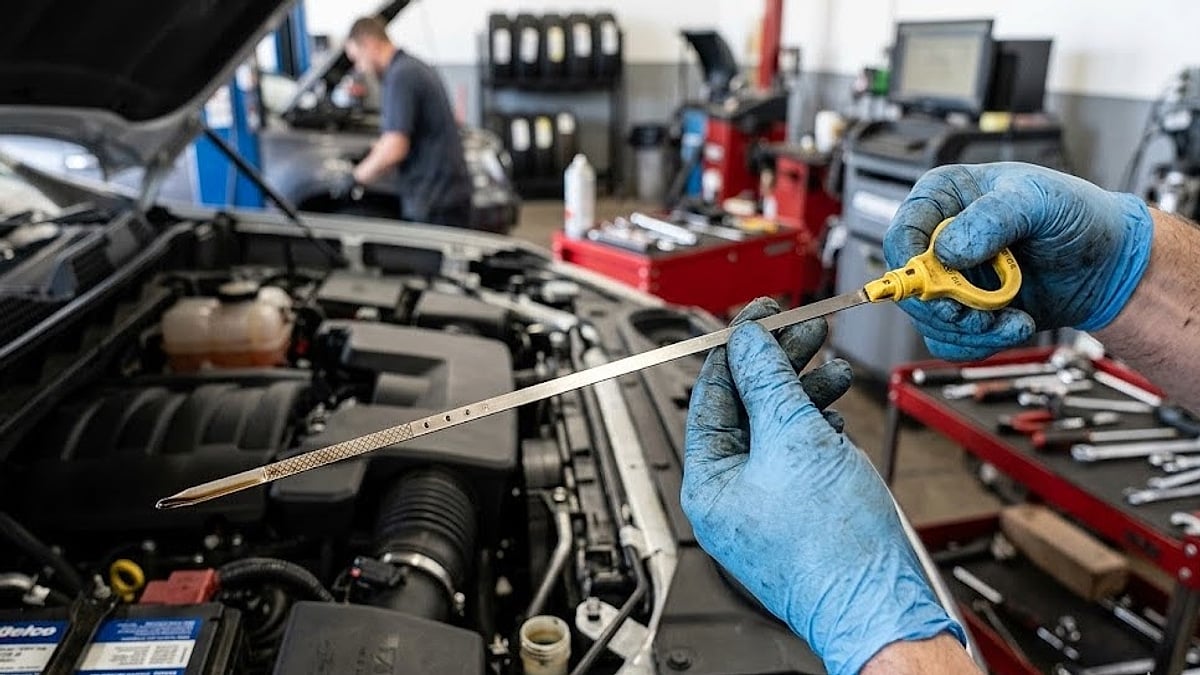
“I’ve had three Silverados, this is the first brand-new truck I've ever bought,” Morales stated. “It’s a 2021 Chevy Silverado LT Z71 Texas Edition, now with 75,000 miles. Having 37% oil life doesn't do any good if there's no oil. I have been checking at 30% because that is when it needs to be topped off with half a quart. Today, it got a low-oil warning, and after adding a quart, the oil barely reached the bottom of the dipstick. No leaks, just burns it.”

This specific owner profile represents the exact target market for the American full-size truck segment: a repeat customer who practices preventative vehicle maintenance. Yet, at just 75,000 miles, his truck is consuming oil at a rate that threatens to destroy the engine under normal highway conditions.
Corporate Standards and Owner Realities
According to the NHTSA GM Service Bulletin on Engine Oil Consumption Guidelines, a stark contrast exists between consumer expectations and corporate standards: General Motors rigidly defines acceptable rates of oil consumption based on workload, stating that losing one quart of oil per 100 gallons of fuel consumed is standard for many configurations.
For a standard half-ton truck on the highway, this official corporate tolerance translates to losing a full quart of motor oil roughly every 1,500 to 2,000 miles, meaning an engine can burn through its fluid supply midway through a routine commute without triggering warranty-authorized dealer repairs.
As highlighted in Pickup Truck + SUV Talk's comprehensive overview of 2021-2026 Chevy Silverado 1500 Known Problems, internal oil passage contamination and component anomalies remain a highly visible source of catastrophic powertrain failures within the enthusiast community, lulling owners into a false sense of security because there are no physical external oil leaks on the garage floor while the fluid secretly slips past the piston rings and exits unnoticed through the tailpipe.
Technical Analysis: The Mechanics of the Vanishing Fluid
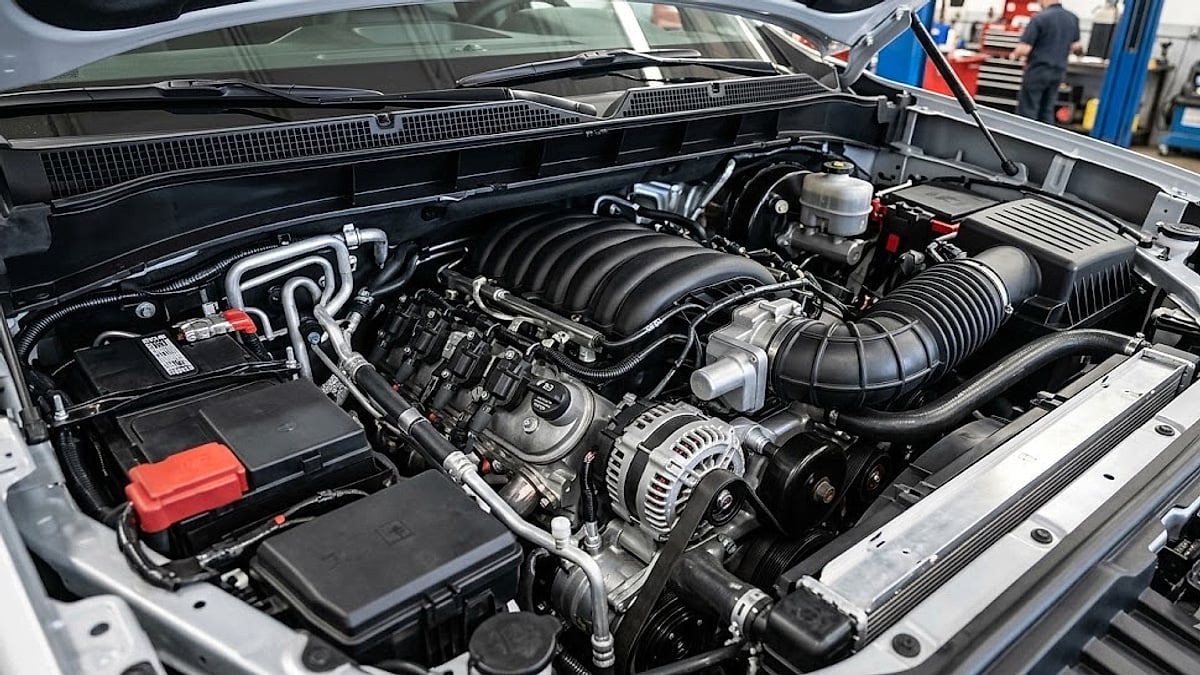
A previous technical analysis by Torque News reveals that 2019 through 2026 EcoTec3 small-block V8 engines utilize ultra-low-tension piston rings paired with 0W-20 engine oil to reduce mechanical drag and meet federal fuel economy targets, creating a vulnerability where accumulating carbon deposits stick inside narrow ring grooves, prevent rings from scraping cylinder walls, and leave an oil layer that burns instantly.
This oil control issue is compounded by Dynamic Fuel Management (DFM) cylinder deactivation technology, which deactivates up to seven cylinders under light loads, causing localized cooling that alters metal thermal expansion and allows additional oil to bypass the rings.
As documented by Denis Flierl in a previous Silverado 5.3L Lifter Failure Analysis, the specialized oil-control solenoids managing these collapsible lifters create continuous fluid pressure fluctuations over thousands of miles, leading to localized oil aeration that whips air bubbles into the fluid, lowers its boiling point, and turns the oil into a fine mist that gets sucked through the Positive Crankcase Ventilation (PCV) valve to burn in the intake manifold.
Explaining the Disconnect in Dashboard Technology
The core issue driving Ricardo Morales’ experience is that the 2021 Chevrolet Silverado's digital Oil Life Monitor relies on a computer algorithm that tracks engine revolutions, cold starts, operating temperatures, and driving hours rather than a physical sensor to measure oil level or clarity. Because this software erroneously assumes a full eight-quart crankcase, it can display a safe 37% remaining life even if the engine has burned half its volume and the dipstick is dry, creating a dangerous operational gap that can cause top-end oil starvation before triggering a system warning.
To combat this, a previous Torque News maintenance study by Denis Flierl details how owners can significantly reduce internal consumption by disabling factory cylinder management programs and shortening fluid service intervals to 5,000 miles, rather than relying strictly on the truck's built-in computer.
Field Observations from Owner Communities
The problem reported by Ricardo Morales is far from an isolated incident. Across popular truck forums and enthusiast communities, owners frequently share accounts of low-oil alerts catching them completely off guard.
On the popular online forum r/Silverado, a community member shared their real-world experience with unexplained fluid loss: "I usually top off every 1k miles as it'll reach the low mark on the dip stick," an owner noted in a technical conversation on the forum.
Another owner expressed clear frustration with standard dealership responses: "Normal driving can burn 1 qt every 2k miles. Per gm. Newer engines use more due to operating temps and clearances," a driver shared in the same r/Silverado maintenance discussion.
Drawing from my 30 years of automotive investigative experience, these community reports point to an underlying shift in modern engine design philosophy. Modern engine design philosophy prioritizes high internal operating temperatures to maximize fuel efficiency and includes built-in features that normalize a certain amount of oil consumption at a rate of 1 quart every 2,000 miles.
This shift transfers direct mechanical responsibility to the vehicle owner, who risks running the oil level nearly empty before the scheduled 6,000-mile service if they rely solely on digital dashboard alerts rather than manually checking the dipstick.
Key Takeaways for Silverado and Sierra Owners
- Check the physical dipstick every 1,000 miles: Do not rely on the digital dashboard percentage to determine your actual fluid levels.
- Shorten your service intervals to 5,000 miles: Disregard the factory's longer oil life estimates to prevent carbon from packing into your piston rings.
- Monitor the oil level closely when towing heavy loads: High thermal stress dramatically accelerates internal oil consumption and blow-by.
- Keep detailed records of every quart added: Accurate fluid tracking is essential if you ever need to pursue a factory warranty consumption test at a dealership.
The Ultimate Question: What Happens Next to Your Powertrain?
Running chronically low on oil accelerates component wear throughout the system because the reduced fluid volume passes through the hot engine blocks faster, causing rapid thermal breakdown of anti-wear additives and creating oil sludge and carbon. On platforms with Dynamic Fuel Management, this sludge plugs the microscopic fluid channels that feed the cylinder-deactivating lifters and deprives the locking pins of critical pressure.
This starvation causes lifters to jam mid-cycle and damage camshaft lobes, ultimately forcing an expensive top-end engine teardown costing upwards of $6,000 out of pocket. Additionally, oil traveling past the piston rings leaves heavy carbon deposits that clog the catalytic converters, triggering premature and costly emission equipment failures before the vehicle reaches old age.
How About You?
Have you checked the physical dipstick on your late-model Silverado or Sierra lately, or have you been trusting the dashboard's oil life percentage? Let us know if your truck is burning oil between changes by leaving a detailed message in the Add new comment link below. Your real-world data helps keep the truck community informed.
The Upcoming Deep Dive
This investigative report marks the initial installment of a comprehensive two-part consumer protection series from Torque News. In our upcoming follow-up report, we will shift our focus from owner field observations to explore the concrete mechanical solutions, legal pathways, and aftermarket modifications being used to permanently stop this problem.
Denis Flierl will analyze real-world testing data from independent fleet operations that successfully stopped rapid oil consumption by bypassing the factory cylinder deactivation systems. We will look closely at the mechanical impact of switching from ultra-thin 0W-20 factory oil to a heavier 5W-30 synthetic fluid, exploring how this change affects your engine's longevity and what it means for your active factory powertrain warranty. Check out the complete report here.
Don't miss part 3 of this investigative series: The Ultra-Thin Oil Dilemma: Why Modern Full-Size Truck Engines Are Failing Long Before 100K Miles
About The Author
Denis Flierl is a 14-year Senior Reporter at Torque News and a member of the Rocky Mountain Automotive Press (RMAP) with 30+ years of industry experience. Explore his full investigative reporting archives and technical guides at DenisFlierl.com. Based in Parker, Colorado, Denis leverages the Rockies' high-altitude terrain as a rigorous testing ground to provide "boots-on-the-ground" analysis for readers across the Rocky Mountain region, California EV corridors, the Northeast, Texas truck markets, and Midwest agricultural zones. A former professional test driver and consultant for Ford, GM, Ram, Toyota, and Tesla, he delivers data-backed insights on reliability and market shifts. Denis cuts through the noise to provide national audiences with the real-world reporting today’s landscape demands. Connect with Denis: Find him on LinkedIn, X @DenisFlierl, @WorldsCoolestRides, Facebook, and Instagram.
Photo credit: Denis Flierl via Ricardo Morales
Set Torque News as Preferred Source on Google
Follow us today...