
The Federal Safety Filing That Shattered GM's Marketing Narrative
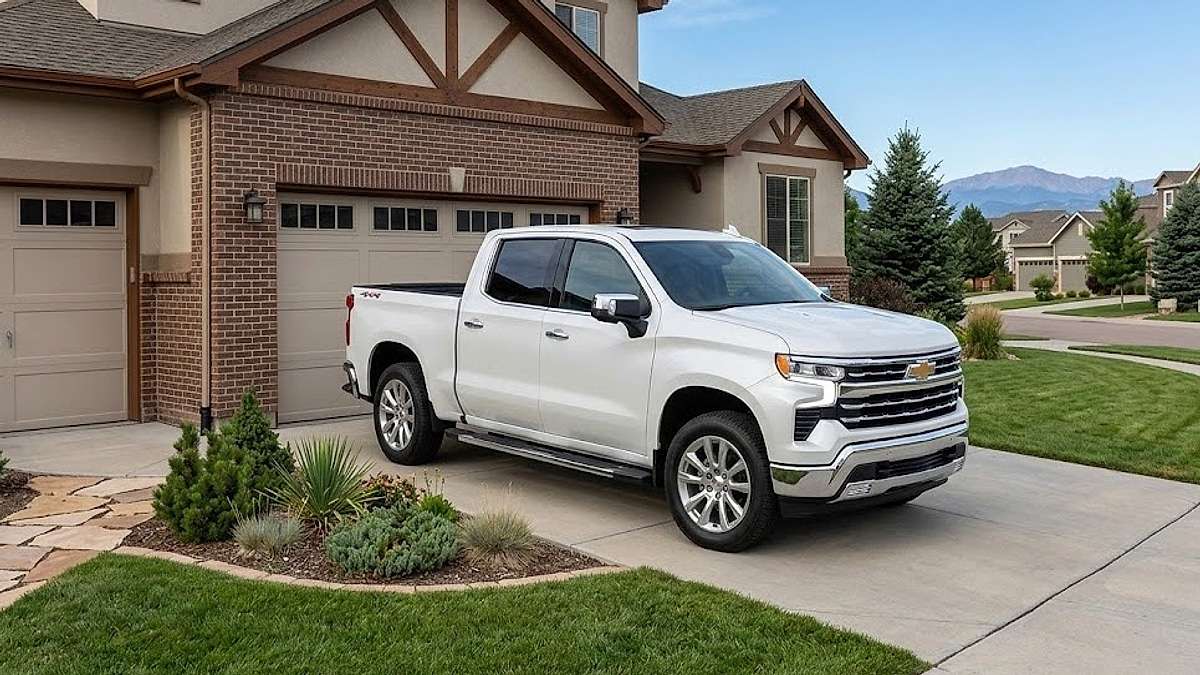
An administrative audit trail at the National Highway Traffic Safety Administration just exposed a mechanical reality that single-handedly vaporizes any generic marketing fluff surrounding General Motors' current production lineup. The official entry of NHTSA Campaign Number 26V289000 documents an emergency factory intervention detailing a terrifying hardware omission on the assembly line.
I have spent decades analyzing factory service bulletins, but seeing a specific batch of 2026 Chevrolet Silverado 1500 four-wheel-drive trucks leave the manufacturing facility with a totally empty void where an internal oil pickup tube should be is absolutely unprecedented.
The federal oversight agency has now formalized a critical "Do Not Drive" safety order for these vehicles due to an immediate wheel-lockup hazard. Investigation records show that the primary supplier failed to install the internal fluid conduit in a specific manufacturing run of four-wheel-drive transfer cases. The lack of proper fluid delivery leads to instantaneous bearing seizure and mechanical shaft welding at highway speeds.
I have traced this defective hardware run directly into the dealership service pipeline as replacement assemblies for older vehicles, which significantly broadens the consumer risk profile across our mountain states.
Shaking Floorboards and Shattered Aluminum Casing
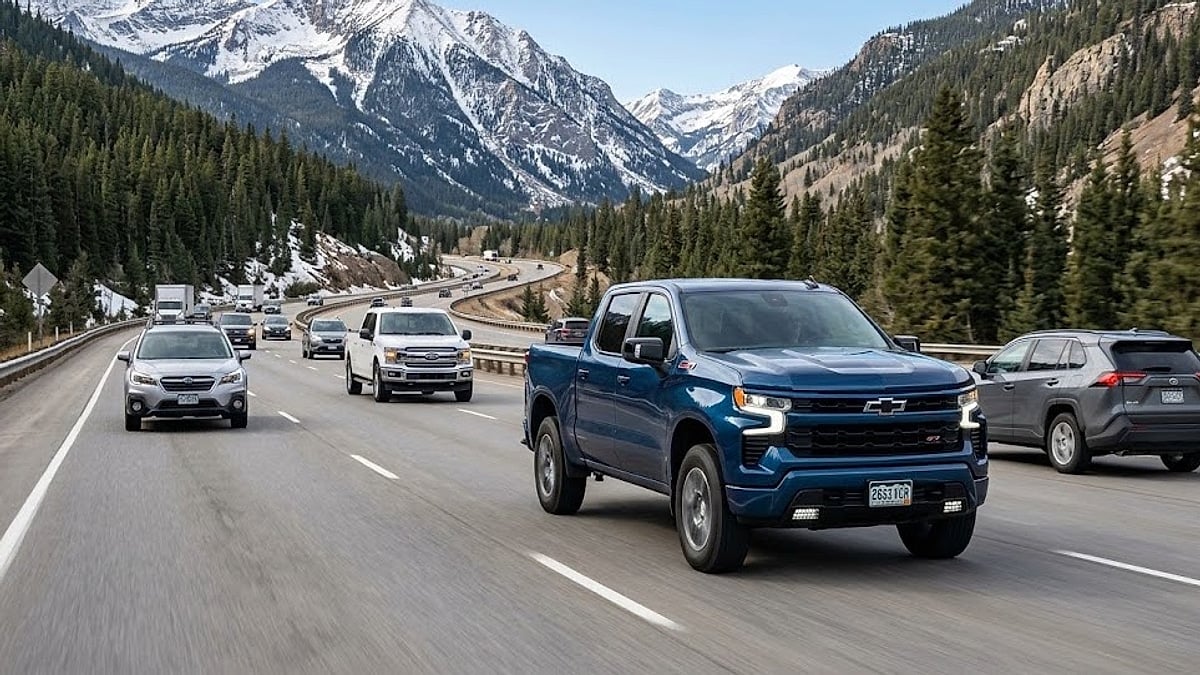
"I was driving down a local secondary road going about 45 miles per hour when the floorboards of my 2026 Silverado started vibrating like crazy, followed by a loud bang that physically skidded my front tires," posted one owner on a national Facebook registry for full-size truck defects just hours before the factory freeze went public. "The dealership technician checked the truck and told me that the entire transfer case housing was cracked wide open from the inside out."
My Take
My take on this situation comes from decades spent tracking how complex manufacturing chains fail under high output pressure. Mainstream automotive media outlets are reporting this story as a minor logistical misstep involving a small batch of 66 vehicles, completely ignoring the engineering reality of how replacement components travel through the logistics network.
The industry watchdog reporting at Autoblog notes that the missing oil pickup tube inside the transfer case was the main culprit for the recall, starving key bearings of the lubrication they need to survive. I have previously documented how factory production oversights can catch buyers completely off guard, as detailed in my analysis of the 2026 Chevy Silverado Hidden Steering Flaw.
Bypassing The Sensors At Magna Powertrain de México
The investigative file confirms that the supplier, Magna Powertrain de México, discovered the assembly failure after a brand-new 2026 Silverado suffered a complete wheel lock-up event during a post-production check. Engineers immediately launched an internal review, code-named GM Recall N262557620, revealing that assembly-line modifications had bypassed the validation sensors that ensure structural oil conduits are seated before the outer casings are bolted together.
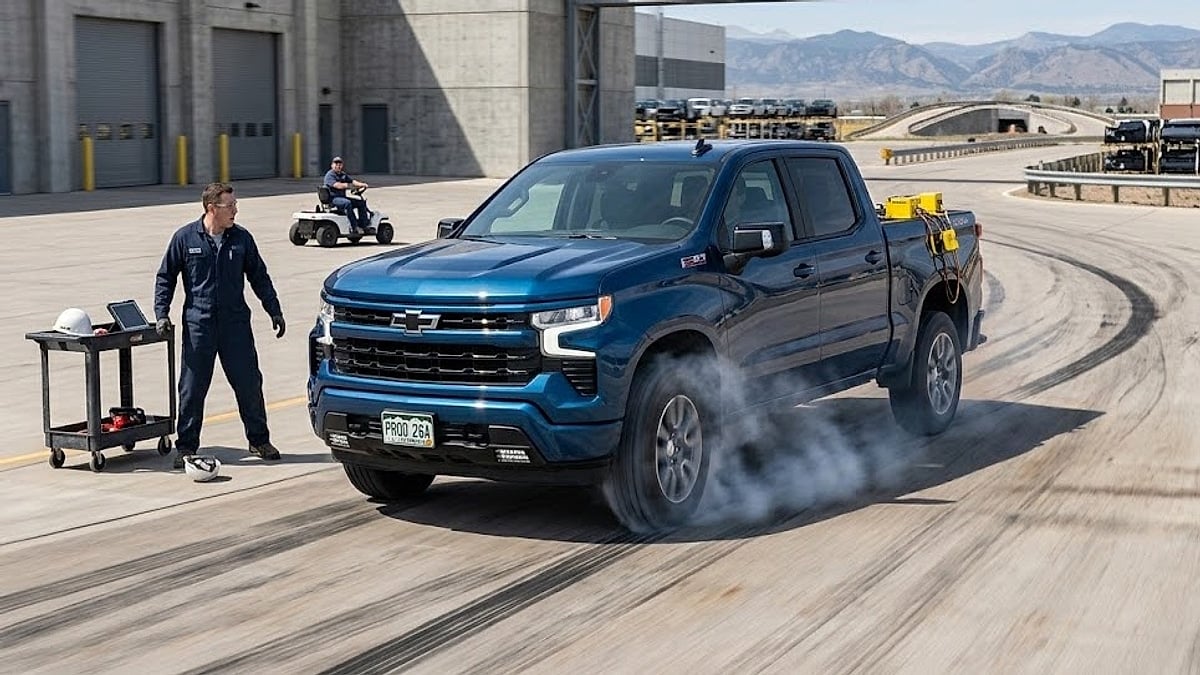
According to an investigative report by Carscoops, the supplier has already corrected its manufacturing process and added extra validation checks, but that does little to help the dangerous assemblies already out in the wild.
This pattern of assembly-line defects echoes my ongoing coverage of other recent drivetrain updates, such as the Chevy V8 Lifter Failures and Partial Dealership Fixes, where stopgap measures frequently fail to resolve structural core contamination.
The Replacement Part Trap For Older Generation Trucks
The true depth of the problem extends far beyond those 66 factory-fresh trucks because these exact same defective assemblies were shipped directly into the dealership regional network as service replacement parts.
This reality is what I call the Replacement Part Trap. Anyone driving a 2015 to 2020 model year Silverado who recently received a warranty transfer case replacement due to normal wear could have this exact same unlubricated component sitting underneath their cabin right now.
The Path To Instant Friction Welding at 70 MPH
To understand why this causes an instant safety crisis, we have to look closely at the forensic path to mechanical catastrophe. In a typical truck drivetrain, the transfer case relies on a continuous mechanical oil pump driven by the main output shaft to push lubrication up through the internal pickup tube directly into the needle bearings and planetaries.
Without that tube, the oil cannot reach the upper gear tracks, causing temperatures inside the spinning assembly to climb past 800 degrees Fahrenheit within minutes of highway travel. The bearing cages quickly distort, the rollers flatten out, and the internal main shaft heat-welds itself directly to the high-range gear sprocket.
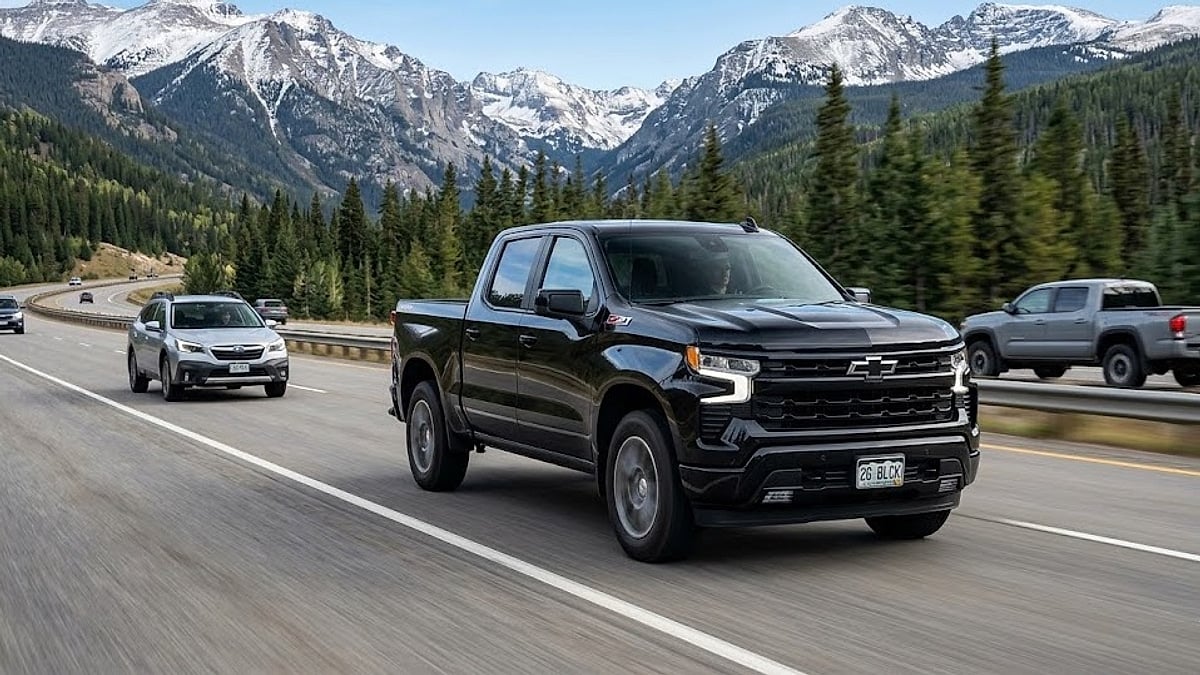
When that shaft seizes at 70 miles per hour, it mimics a mechanical parking brake dropped into the drivetrain at high speed. The momentum of a 5,000-pound truck cannot instantly dissipate, forcing the front or rear wheels to lock solid, which immediately overcomes tire adhesion and induces a violent, unrecoverable skid.
The Rocky Mountain Stress Test and Thermal Failure
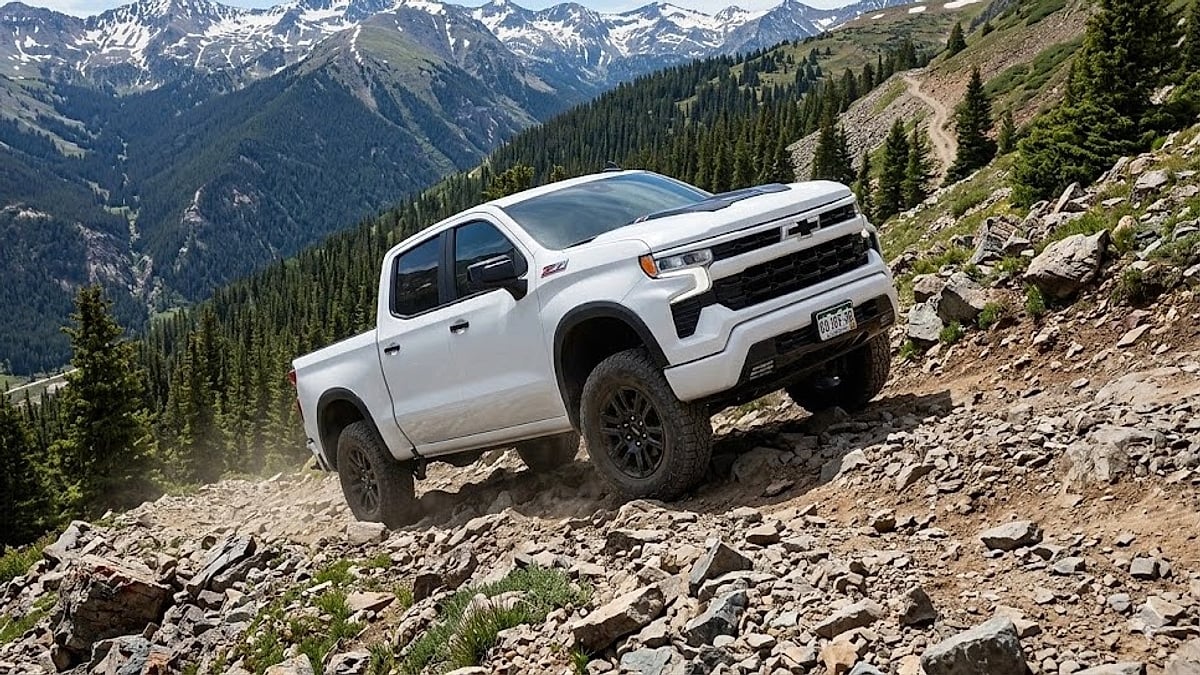
This mechanical vulnerability becomes exponentially more dangerous here in high-altitude environments like Colorado, where mountain grades put tremendous thermal loads on the entire mechanical layout. Dragging a heavy trailer up Vail Pass or descending the steep drops outside the Eisenhower Tunnel requires every ounce of lubrication efficiency your truck can muster.
The thinner air at 11,000 feet does not change internal oil pressure, but the extended high-torque climbing states generate sustained operating heat that accelerates metal expansion inside a dry bearing track. Under these severe mountain conditions, an unlubricated bearing assembly will reach its critical welding point in less than a third of the time it takes on flat sea-level highways.
Field Observations from Owner Communities
The technical reality of this component failure is resonating across specialized truck forums as fleet operators notice early warning signs before a total drivetrain failure occurs. In a recent technical discussion on the r/Silverado platform, an experienced drivetrain technician noted that the physical symptoms of fluid starvation mimic severe gear misalignment well before the case explodes.
"We had a 2026 unit come into our shop with a customer complaining of a deep humming noise between 50 and 65 miles per hour, and when we drained the fluid, it smelled scorched and was completely filled with fine silver metallic silt," the tech shared in the full online discussion thread. "The lack of an oil pickup tube means the upper bearings are just turning themselves into powder."
Another fleet truck owner highlighted the unique operational vulnerability of this design flaw when navigating mixed-traction environments.
"The transfer case on these modern trucks depends entirely on smooth internal shaft rotation to handle the differences in wheel speed when turning on high-traction pavement," explained a veteran fleet manager in a detailed r/Silverado technical sub-thread. "If those internal bearings start grabbing from heat expansion, the entire front axle binds up so hard it feels like the truck is trying to snap its own half-shafts."
Next Question
How can a vehicle owner verify if their specific truck contains the defective transfer case if the dealership service department claims the Vehicle Identification Number is clear?
You must demand a manual fluid clarity inspection at the service counter. Because this is a structural manufacturing oversight rather than an electronic sensor failure, the truck will not log a diagnostic fault code until after physical damage occurs. Have the technician pull the upper fill plug to look for signs of thermal off-gassing, or drop the drain plug into a clean pan to check for the telltale bright silver metallic slurry that proves the upper bearings are actively destroying themselves.
Critical Realities of the Drivetrain Crisis
- Identify your current risk by checking the 17-digit identification number on your dashboard via the official federal database portal before driving the truck on long mountain trips.
- Recognize that a total absence of warning lights on your instrument cluster does not mean your mechanical hardware is safe from catastrophic failure.
- Understand that recent drivetrain warranty work on an older generation vehicle could mean your truck was inadvertently equipped with one of these unlubricated service replacement units.
- Demand a physical endoscope inspection of the internal fluid channels if your truck exhibits a deep humming or physical drag through the floorboards at speed.
Final Thoughts From the Service Bay
This modern drivetrain crisis highlights why relying solely on computer diagnostics, rather than on old-school physical inspections, is a dangerous path for service departments. A missing oil tube cannot be fixed with an over-the-air update, and it takes an experienced eye to catch the physical evidence before a wheel locks solid on the interstate.
How About You? Have you noticed any strange vibrations or burning smells coming from the center console of your new truck during heavy hill climbs? Tell us what you think and share your dealership experiences by leaving a message in the red Add new comment link below.
Upcoming Technical Analysis
Think your safety worries end once your truck is safely towed to the dealership garage? Think again. In our next installment, we expose the escalating logistical nightmare sweeping through service bays, where backordered mechanical components are leaving owners stranded for months. I will give you the exact corporate playbook you need to fight line-level service counter resistance, leverage consumer warranty law, and force the factory to fully fund an equivalent commercial rental vehicle while your truck sits locked down on the backlot.
Stay tuned: Why The 2026 Chevrolet Silverado Drivetrain Shortage Leaves Owners Stranded, and How To Fight For A Free Rental Car
Come back later today… or check my Torque News Home Page for more of my informative automotive news articles.
About The Author
Denis Flierl is a 14-year Senior Reporter at Torque News and a member of the Rocky Mountain Automotive Press (RMAP) with 30+ years of industry experience. Explore his full investigative reporting archives and technical guides at DenisFlierl.com. Based in Parker, Colorado, Denis leverages the Rockies' high-altitude terrain as a rigorous testing ground to provide "boots-on-the-ground" analysis for readers across the Rocky Mountain region, California EV corridors, the Northeast, Texas truck markets, and Midwest agricultural zones. A former professional test driver and consultant for Ford, GM, Ram, Toyota, and Tesla, he delivers data-backed insights on reliability and market shifts. Denis cuts through the noise to provide national audiences with the real-world reporting today’s landscape demands. Connect with Denis: Find him on LinkedIn, X @DenisFlierl, @WorldsCoolestRides, Facebook, and Instagram.
Photo credit: Denis Flierl
Set Torque News as Preferred Source on Google
Follow us today...