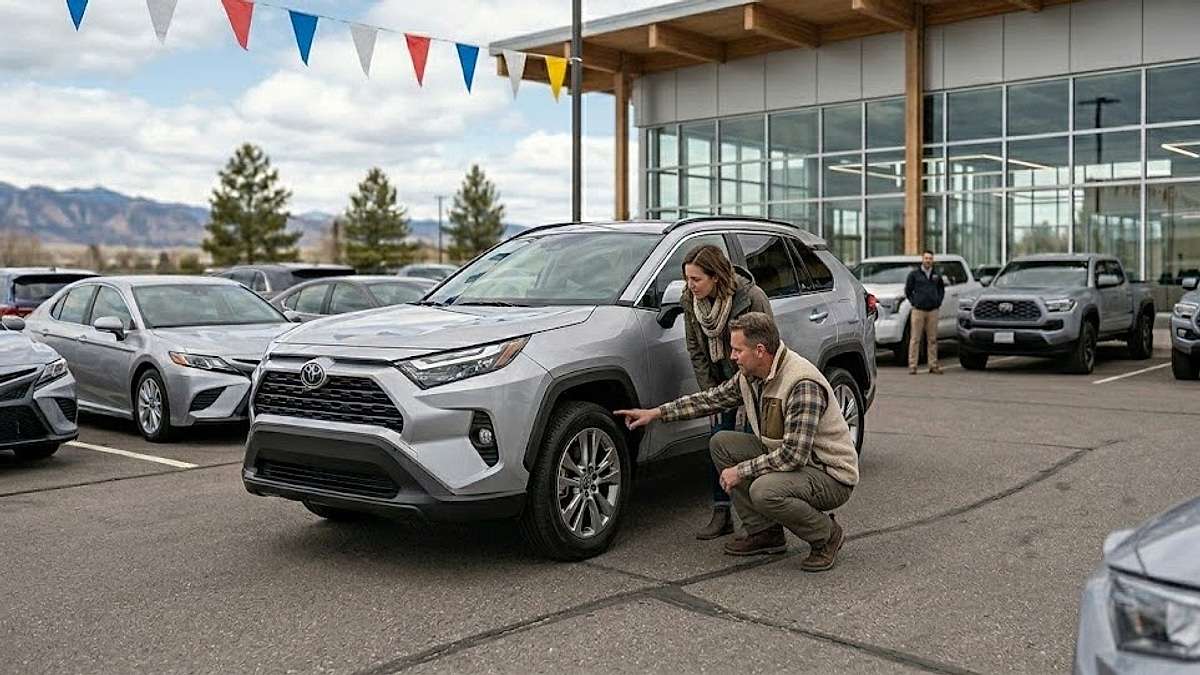

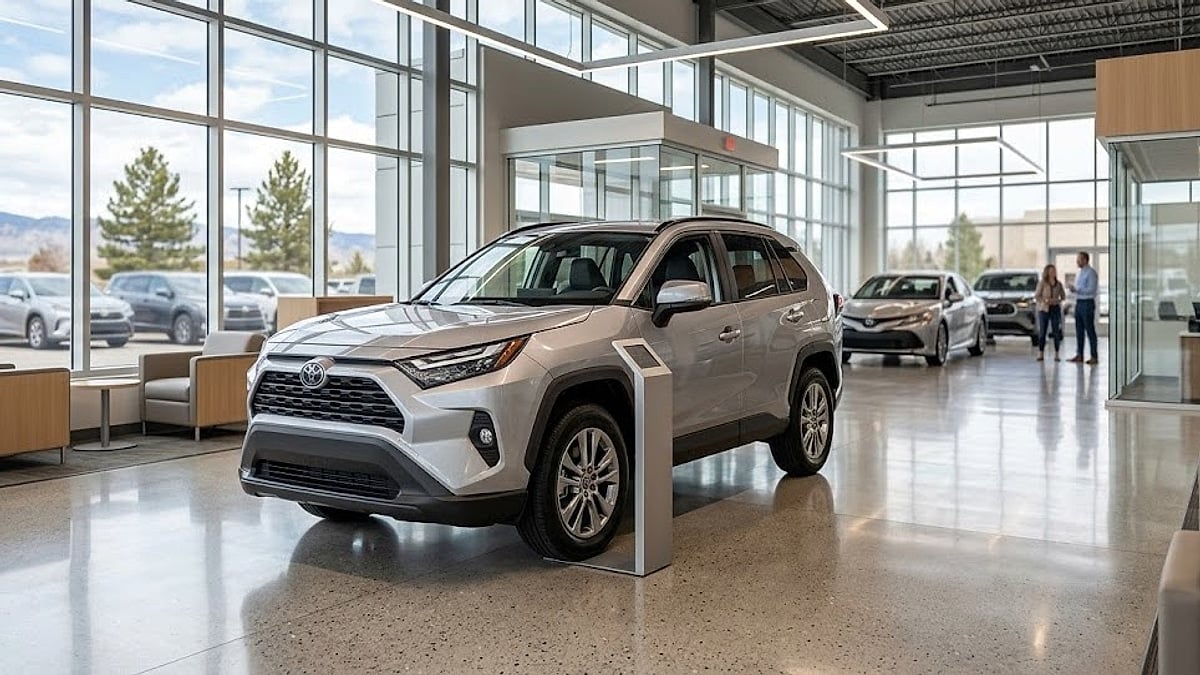
Showroom floor price optimization reports track early 2026 Toyota RAV4 transactional pricing at an average of $4,200 above standard manufacturer-suggested retail baselines. This premium market position exists despite consecutive national critique campaigns targeting the updated model's interior engineering.
While mainstream automotive columns call out the high concentration of rigid, unyielding polymers across the dashboard, field forensic durability metrics show these exact materials are precisely why the vehicle maintains its resale value over time.
This specific showroom pricing reality connects directly back to my recent investigative reporting on the Toyota 2025 RAV4 First Service Baseline Shows 4-Hour Wait Times At Dealership Service Centers, where I detailed how high operational demand is straining the physical layout of modern automotive dealership ecosystems.
When a platform commands this level of consumer traffic, retail networks capitalize on inventory scarcity by implementing steep market adjustments. Yet, the current controversy surrounding the vehicle has shifted from shop service bays to the cabin itself.
Mainstream editorial reviews, including recent multi-vehicle comparisons by automotive evaluation teams at Consumer Reports, criticize the entry-level configurations for possessing an overly utilitarian, truck-like layout that relies heavily on textured industrial plastics rather than premium soft-touch wraps. YouTubers and lifestyle reviewers have joined the chorus, labeling the physical switchgear as "meh" and dismissing the heavy-duty control knobs as outdated remnants of an older design era.
From My View
I look at this cabin completely differently after spending 30 years diagnosing structural squeaks, broken plastic retaining clips, and failed digital climate-control screens in dealership service bays. Those mainstream reviewers evaluate a vehicle based on how it feels for a single afternoon on a pristine test track, whereas I evaluate it based on how it will hold together after seven years of punishing real-world use.
Those heavily criticized hard plastic surfaces do not degrade under constant exposure to harsh solar radiation, they do not tear when subjected to utility gear, and they do not develop structural rattles when cold weather causes materials to shrink.
The analog-style, rubberized climate control dials are a massive win for actual long-term vehicle ownership because they operate on simple, isolated electrical circuits that bypass the central infotainment screen completely. When an automotive manufacturer forces you to adjust your standard defroster or fan speed via a secondary sub-menu on a massive glass touchscreen, they introduce a multi-layered failure point into your daily drive.
If that central screen experiences a microchip freeze or a software compliance error during a winter-morning start cycle, you lose complete control of your cabin comfort systems.
Navigating the Showroom Markup Environment
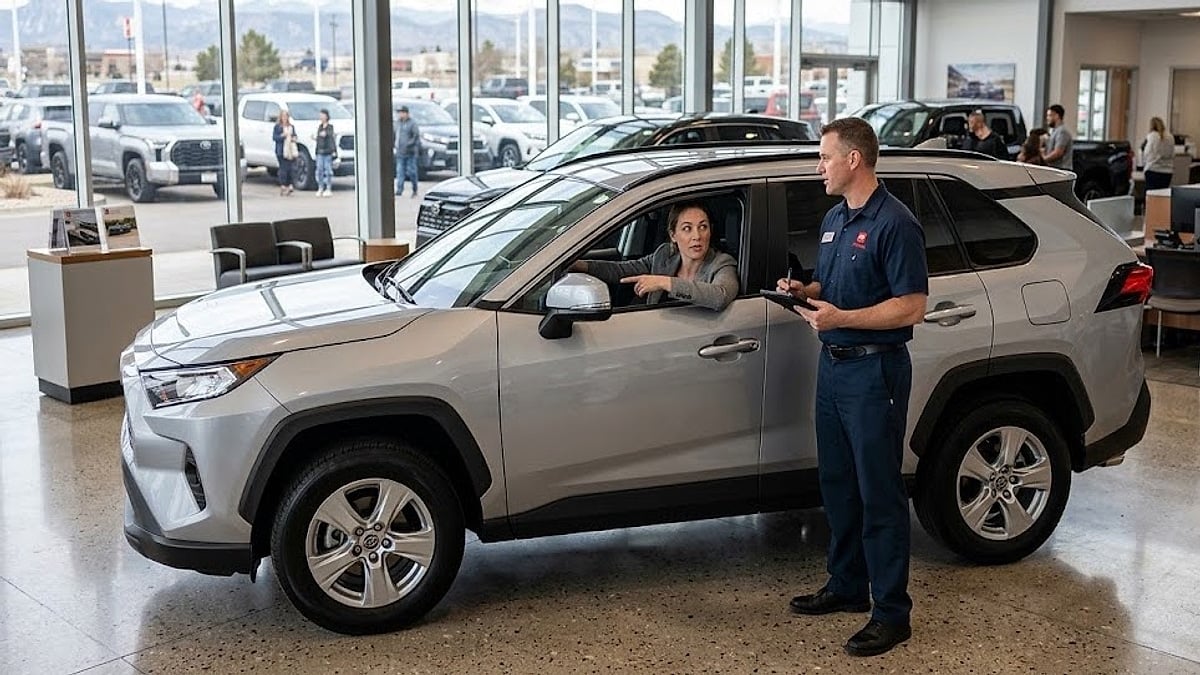
The primary issue for modern consumers is that dealership groups continue to command massive premiums for these cabins, despite ongoing public complaints about interior material quality. Market transaction data compiled across regional sales districts show that dealer groups add mandatory paint protection packages, interior fabric guarantees, and pure market adjustments directly to the window sticker for high-demand trims like the XLE Premium and Woodland Edition.
I have personally vetted sales agreements in which these forced add-ons inflated the final out-the-door transaction cost well beyond the price point of a luxury alternative.
This artificial price inflation is driven entirely by consistent vehicle allocation bottlenecks that limit supply to regional hubs. To understand how to protect your capital, we can look at historical pricing frameworks analyzed by retail market monitoring networks such as Cox Automotive, which document that unbundled dealer add-ons account for up to 12 percent of modern crossover purchase price variation.
If you are willing to look past the immediate local market, you can find dealerships operating on strict volume models that commit to transparent MSRP transactions without hidden backend fees.
My previous consumer protection reporting outlines these exact transactional dynamics, and as I established in my guide to RAV4 Vehicle Value Retention, finding a dealership that refuses to participate in predatory regional market adjustments is the single most effective way to insulate your vehicle investment from immediate depreciation.
When you pay a $4,000 markup upfront, you instantly enter your vehicle ownership cycle in negative equity, which takes years of standard payments to overcome.
High-Altitude Cabin Dynamics
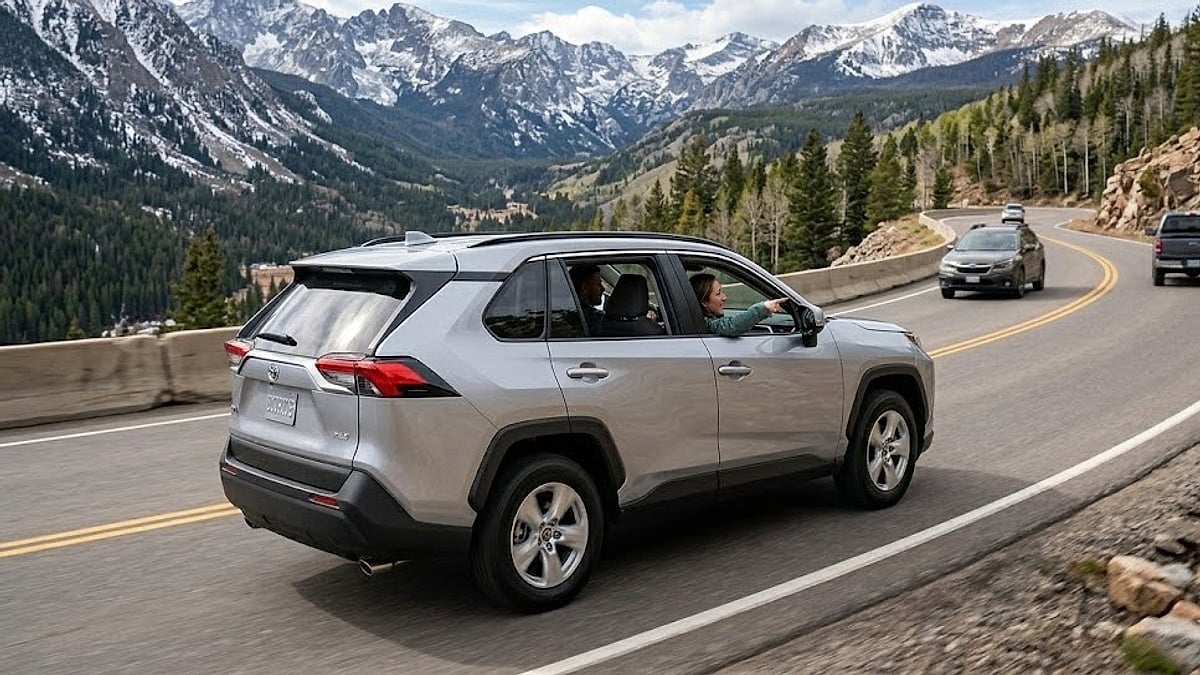
Operating a crossover utility vehicle in regional mountain environments, such as the Front Range of Colorado, presents clear challenges for interior cabin architecture. Rapid elevation changes between low-altitude plains and high passes like Vail Pass subject the interior cabin to dramatic atmospheric pressure swings and extreme temperature differentials. These sharp temperature swings cause standard soft-wrapped faux-leather dashboards to crack, expand, and separate from their foam backings over time.
The rigid, industrial polymers utilized in the updated platform handle these rapid environmental shifts seamlessly because their thermal expansion coefficients are highly uniform. Local drivers in high-altitude zones routinely report that complex luxury interiors develop permanent squeaks in interior panels after a single winter of deep-freeze cycles, while simplified industrial cabins remain completely quiet.
RAV4 Owner Feedback
Durable Performance: Long-term owners on r/rav4club report that utility-focused interiors hold up significantly better against mud, pets, and outdoor sports equipment than complex soft-touch cabins.
Tactile Reliability: Community feedback on r/Toyota confirms that physical dials allow drivers to adjust cabin settings while wearing winter gloves without taking their eyes off the road.
Scarcity Premium: Buying groups track active inventory and report that out-of-state purchasing strategies remain necessary to completely avoid mandatory $3,000 to $5,000 dealer accessory packages.
Consumer Purchase Blueprint
To secure a utility-focused crossover without falling victim to unfair retail markups, you must utilize an exact, step-by-step negotiation strategy.
- First, obtain a certified build sheet from the manufacturer's website detailing the precise factory MSRP, including destination fees, and use this document as your absolute baseline.
- Second, communicate with the internet fleet sales manager across multiple distinct geographic markets to request a transparent out-the-door purchase order in writing before ever setting foot into a physical showroom floor.
- Finally, explicitly decline any pre-printed dealership addendum items such as specialized window tints, interior coatings, or nitrogen tire fills, making it completely clear that you will walk away from the deal if these non-factory items are non-negotiable.
Next Question
The next logical question for buyers is whether choosing an independent vehicle interior protection kit can match the durability of factory-installed heavy-duty utility floor mats and seat covers. Aftermarket utility options from reputable manufacturers often offer superior physical coverage and thicker materials than basic factory options, allowing you to buy a lower trim level and upgrade the cabin's durability yourself for a fraction of the dealer package cost.
Final Showroom Strategy
Understanding the difference between short-term aesthetic luxury and long-term mechanical utility is the key to making an informed automotive purchase. By focusing your search on high-volume, transparent dealership networks and recognizing the inherent value of heavy-duty cabin materials, you can secure a highly reliable vehicle that holds its value for years to come.
How about you? Would you pay over MSRP for a highly functional, industrial vehicle interior? Tell us what you think and leave a comment in the red “Add new comment” link below.
Come back tomorrow… or check my Torque News Home Page for more of my informative automotive news articles.
About The Author
Denis Flierl is a 14-year Senior Reporter at Torque News and a member of the Rocky Mountain Automotive Press (RMAP) with 30+ years of industry experience. Explore his full investigative reporting archives and technical guides at DenisFlierl.com. Based in Parker, Colorado, Denis leverages the Rockies' high-altitude terrain as a rigorous testing ground to provide "boots-on-the-ground" analysis for readers across the Rocky Mountain region, California EV corridors, the Northeast, Texas truck markets, and Midwest agricultural zones. A former professional test driver and consultant for Ford, GM, Ram, Toyota, and Tesla, he delivers data-backed insights on reliability and market shifts. Denis cuts through the noise to provide national audiences with the real-world reporting today’s landscape demands. Connect with Denis: Find him on LinkedIn, X @DenisFlierl, @WorldsCoolestRides, Facebook, and Instagram.
Photo credit: Denis Flierl
Set Torque News as Preferred Source on Google
Follow us today...