
That is not a bad thing, at least for Lexus customers. Car enthusiasts may blanche, but the ES has always been about relaxed luxury, not pure performance. The newest model carries that torch forward.
Torque News Breaks Down What’s New
There are two ways to get your 2026 ES – electric or hybrid. The electric model is offered as the ES 350e or 500e, with Premium and Luxury trims. The hybrid is offered as the ES 350h Premium or Premium +. Front-wheel drive is standard, all-wheel drive is available on both vehicles - the EV, of course, uses front and rear electric motors to have all-wheel drive.
The lithium-ion batter on EV models is 74.69 kWh unit. Range varies, depending on equipment, from 276 miles to 307 miles, while horsepower varies from 221 to 338. Level 2 charging is available, and the 11 kWh onboard charger is North American Charging Standard (NACS) compatible.
The hybrid pairs a 2.5-liter four-cylinder engine with an electric motor for 244 total system horsepower, and it uses an electronically-controlled continuously variable automatic transmission.
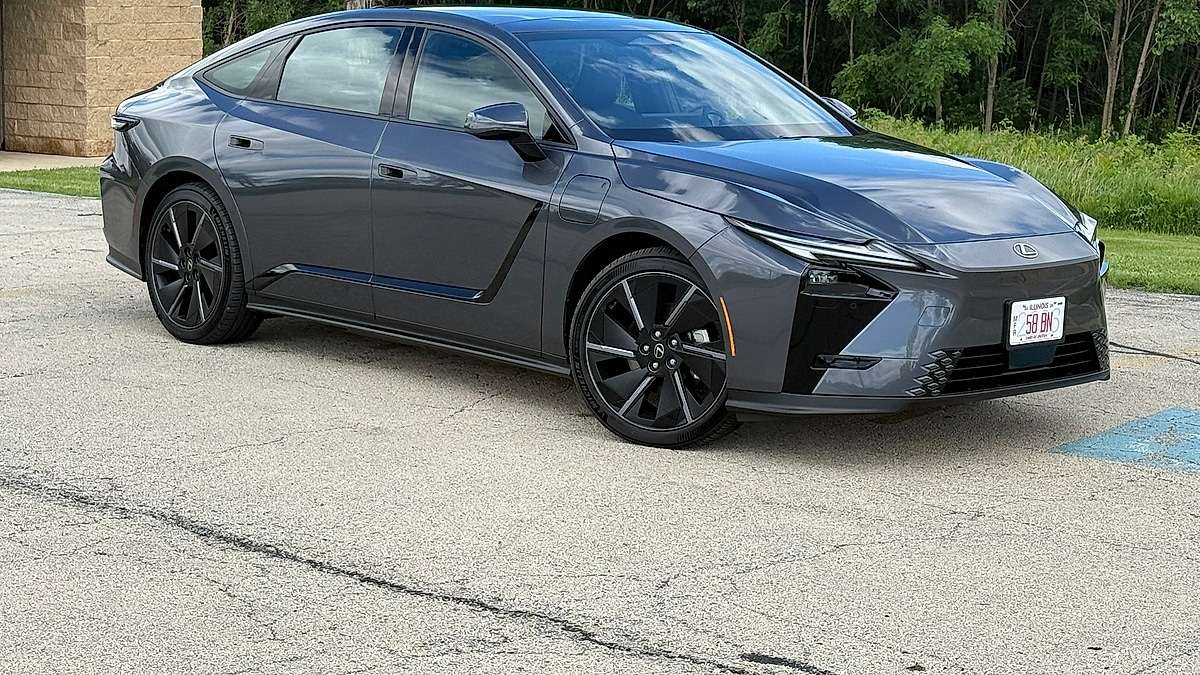
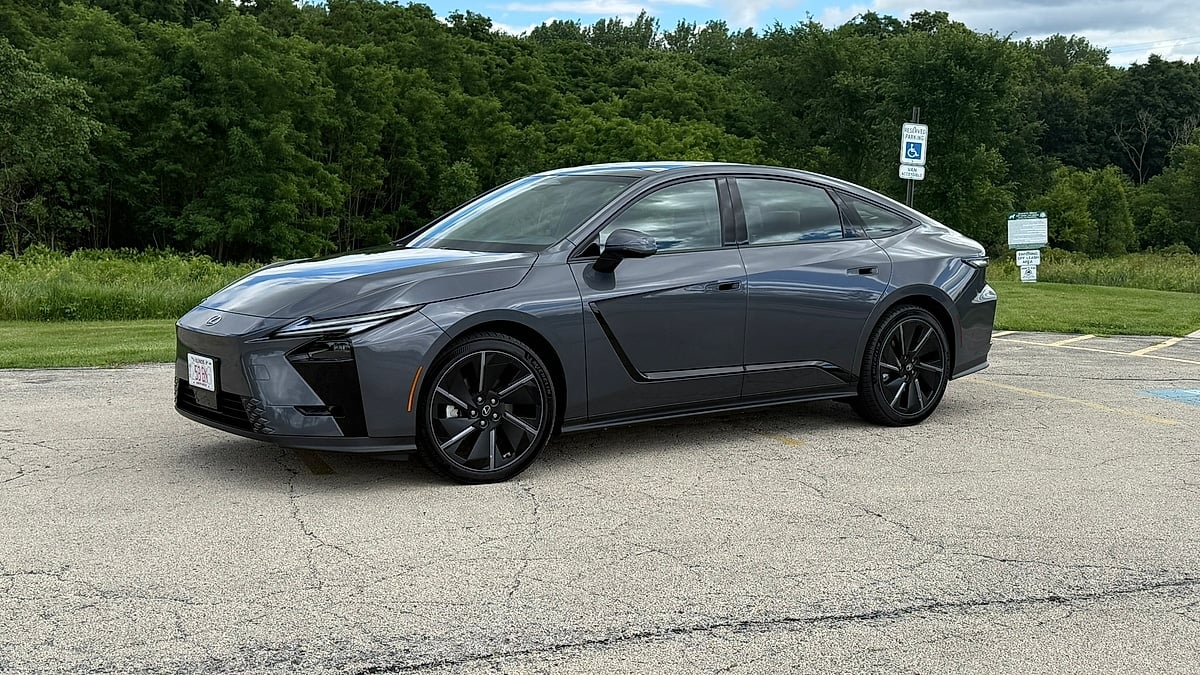
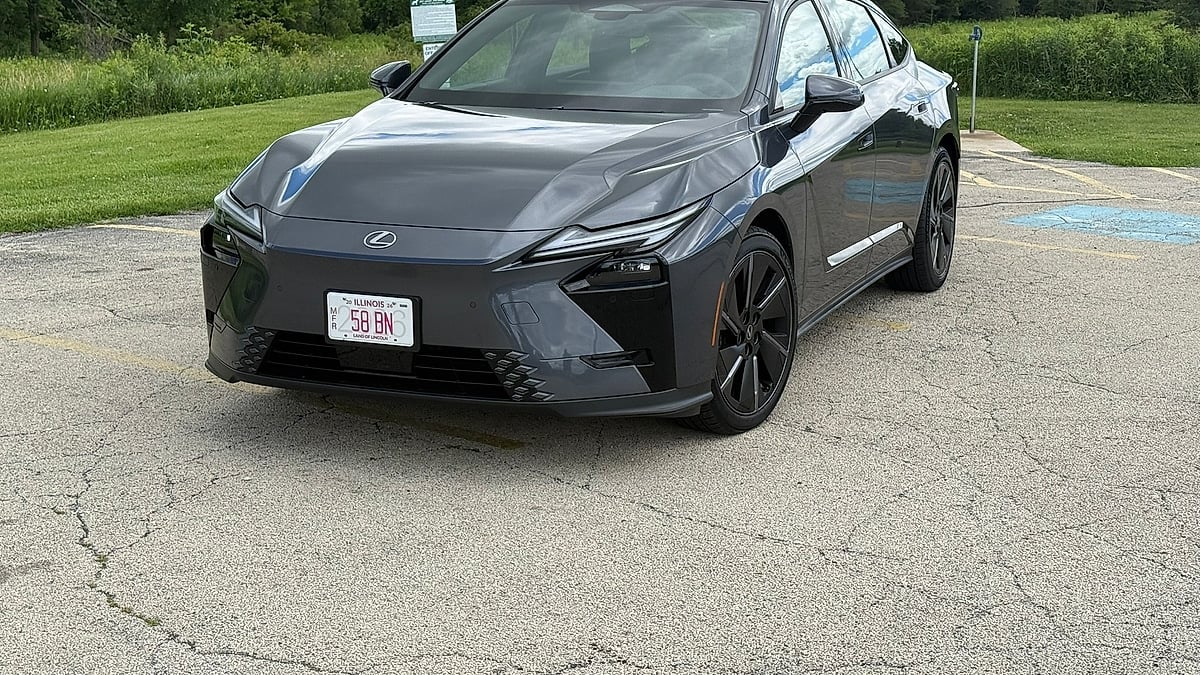
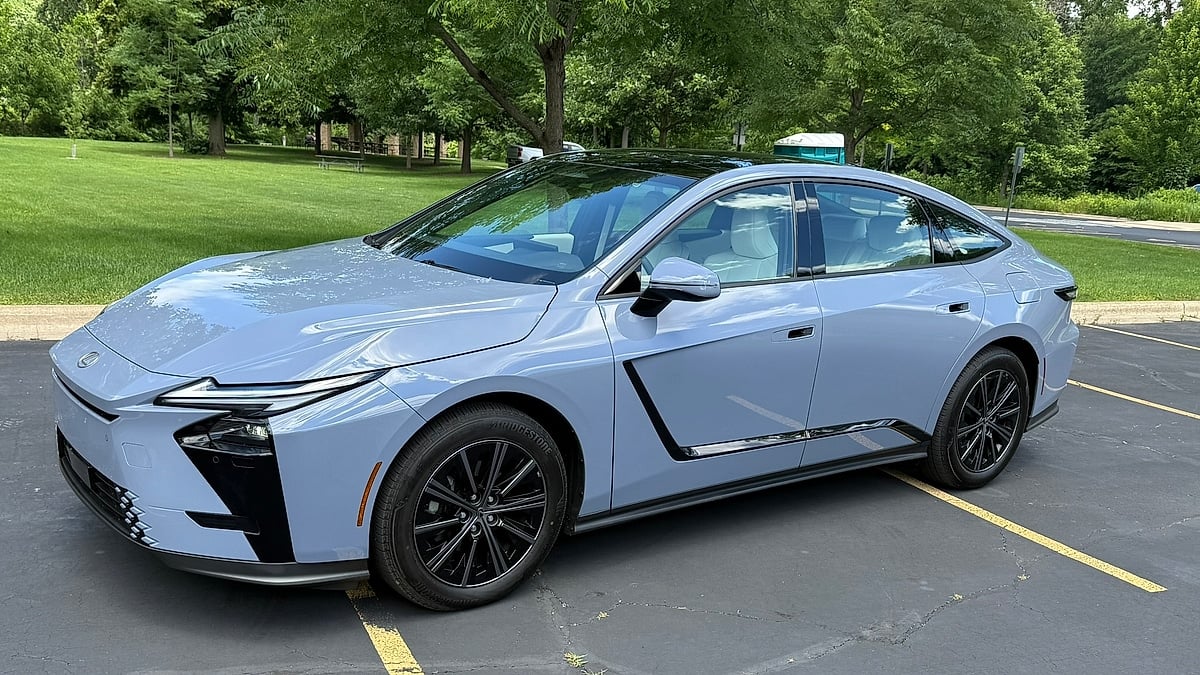
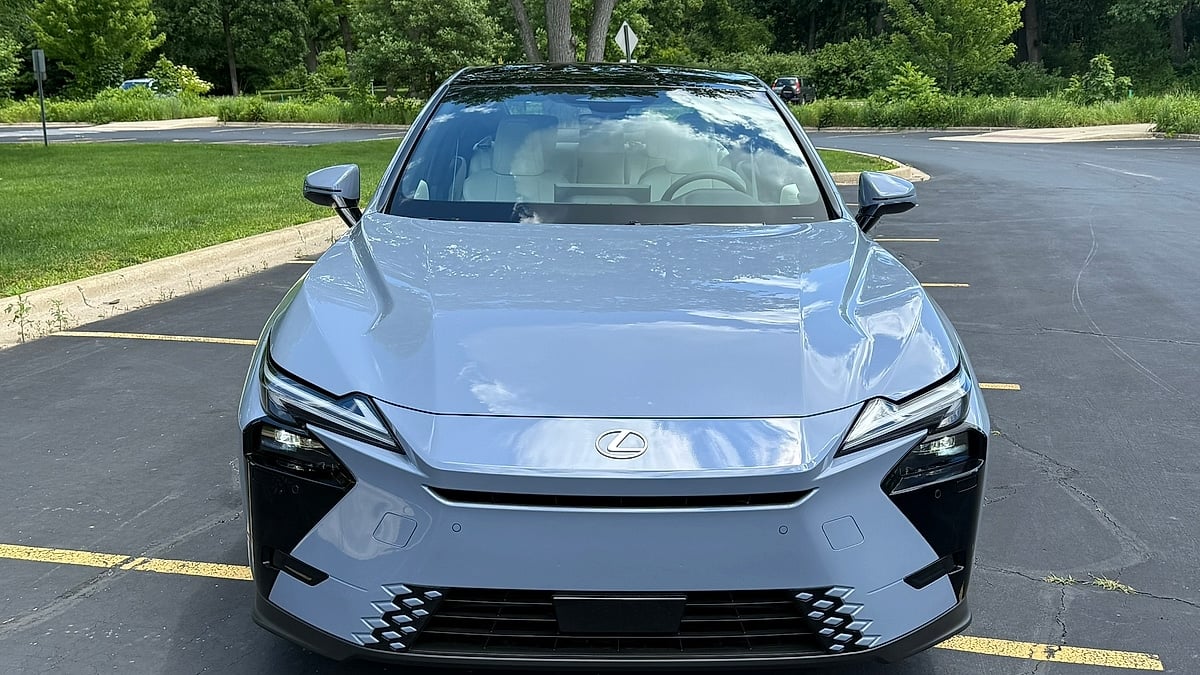
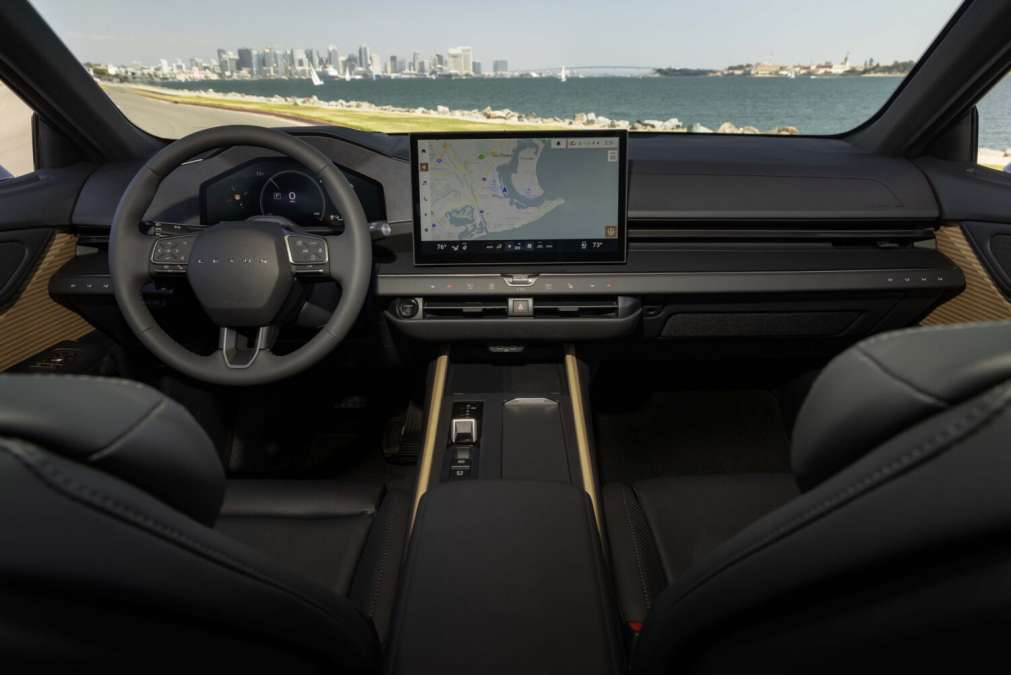
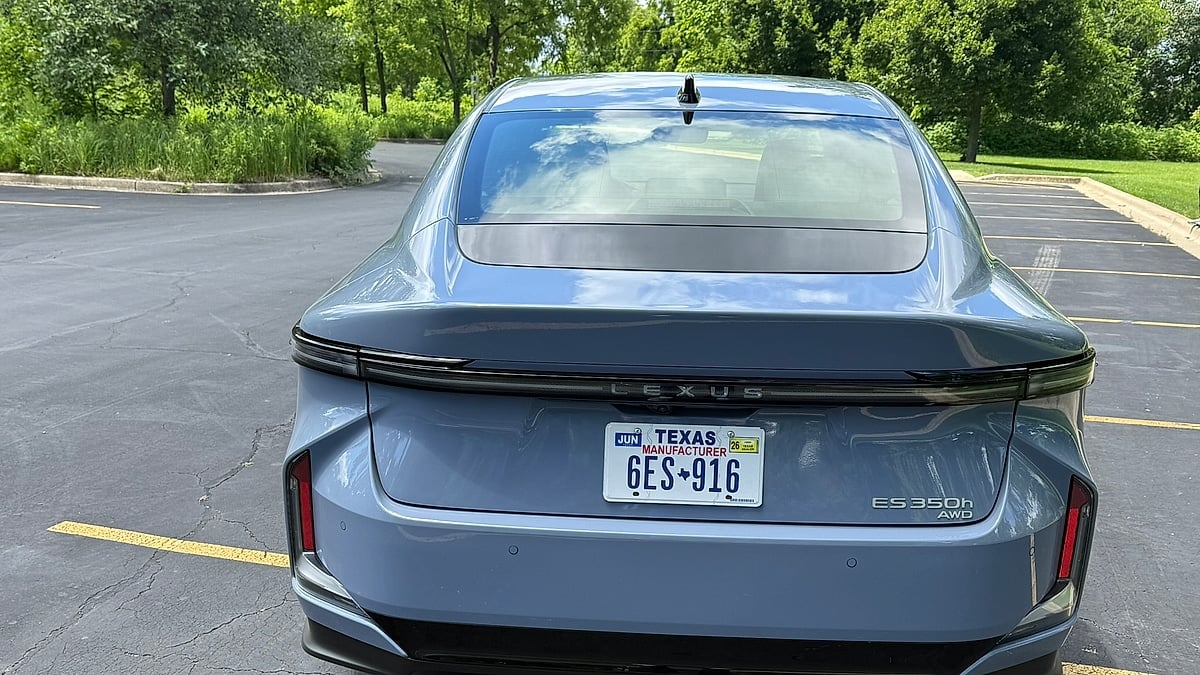
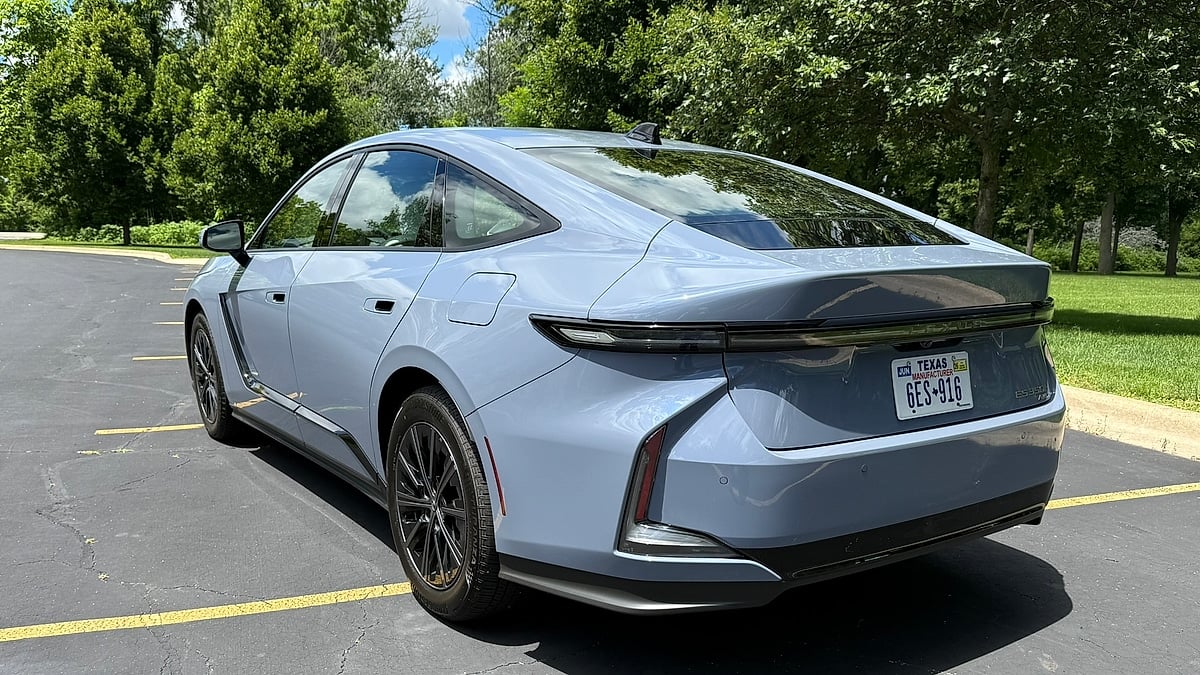
Design-wise, the car looks vastly different from before, inside and out. It’s angular, featuring sharp edges, and there’s one small change that might irk some Lexus loyalists - the famed Lexus logo is taken off of the steering wheel in favor of the word Lexus typed out.
It’s a more-aggressive look than we’re used to from the ES - it will turn heads, for sure, though whether that’s good or bad will be in the eye of the beholder.
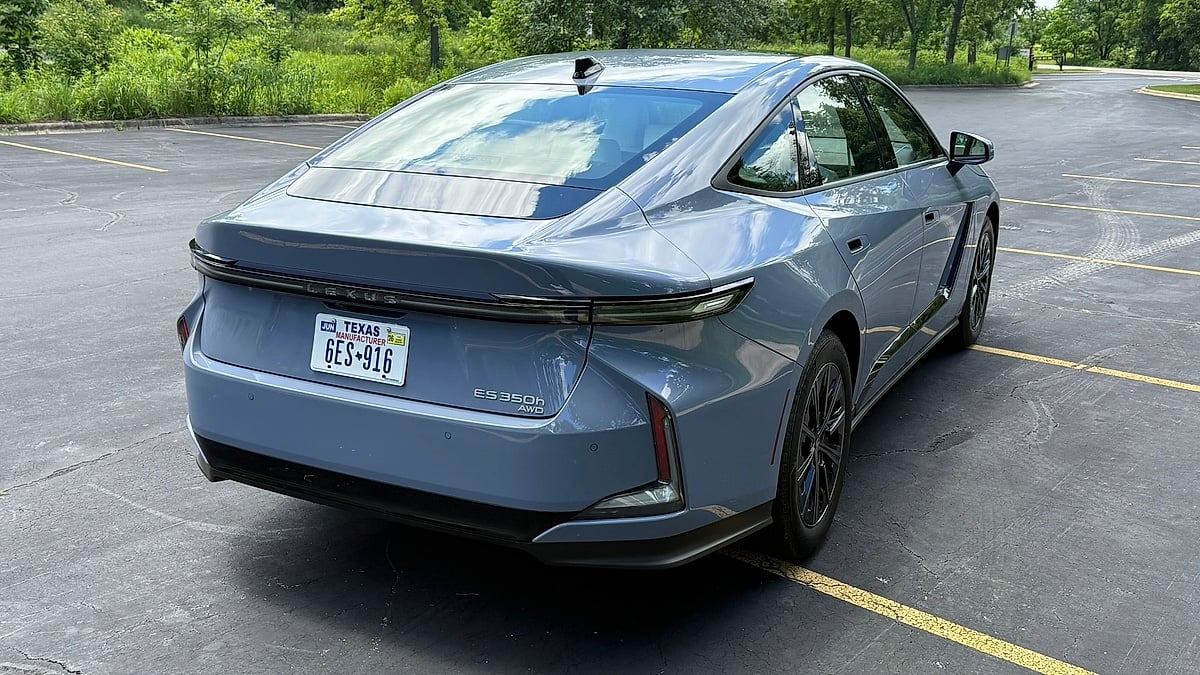
Out back, the car’s rear lighting takes a distinctive turn, with a thin strip that probably looks cool at night.
Other notable interior aspects include the large infotainment screen using the latest Toyota/Lexus system and a new shifter that tips forward and back.
Lexus has increased the height by 4.5 inches (headroom on the hybrid goes from 37.5 inches to 38.3 inches) and the length by 6.5 inches. The car is also 2.2 inches wider with a wheelbase that grows by 3.14 inches.
The available features list is dizzying, so to preserve my sanity - and yours - I will pick out the most notable standard and available features across both the 350e and 350h.
Those include heated and cooled front seats, MacPherson front and multilink rear suspension, dual-zone climate control, heated power tilt/telescope steering column, 19-inch wheels, summer tires, driver-seat memory, LED headlamps, digital door latches, premium audio, satellite radio, wireless Apple CarPlay and Android Auto, Spotify/streaming integration, wi-fi hotspot, USB-C ports, wireless phone charging, paddle shifters for regenerative braking, all-season tires, ambient lighting with bamboo layering, leather seats, knee heater for front seats, soft-close doors, rearview mirror, auto-leveling headlamps, and a head-up display.
That’s not all. Also available is a Mark Levinson sound system, cornering lamps, a second wireless phone charger, a rear-seat ottoman, heated and cooled rear seats, massaging rear seats, tri-zone climate control, and 21-inch wheels. Some of these features, such as the rear-seat ottoman, are accessible by paying for an option package.
Available advanced driver-assist systems include front cross-traffic alert, traffic-jam assist, blind-spot monitoring, rear cross-traffic alert, rear pedestrian detection, a panoramic view monitor, driver-monitoring camera, and lane-change assist.
Torque News Takes To The Road
Lexus gave me the keys to the hybrid and EV versions of the ES, and I took the streets of suburban Chicago. My drive in the EV was mostly on the freeway with a bit of rural two-lane and some surface streets, while the drive route for the hybrid was a mix of two-lane and in-town driving.
The EV felt swift in a straight line, as EVs are wont to do, thanks to the availability of low-end torque pretty much off “idle”. The hybrid, did, too, though neither car is a barnburner. When pushed, even in Sport mode, both exhibited body roll and the tire sang a little too early and easily. At least the steering was heavy, though a tad numb when not in Sport.
That sounds like a criticism, and it is if you care about high-performance, but few ES buyers are seeking this car out for its handling prowess. They want a smooth-riding quiet sedan that’s easy to live with. One that’s nice and comfy. And when it comes to ride, it’s mission-accomplished. It’s glass smooth while almost never feeling soft.
That’s where the ES shines. Drive it like a normal person, not an automotive journalist, and the car is no fuss, no muss. Lexus folks made a big deal about improving sound deadening since EVs don’t have engine noise and hybrids also don’t have engine noise when the gas engine is taking a pause. The company did a nice job here - wind, tire, and road noise are nonexistent. The hybrid’s transitions are smooth - I barely felt or heard the gas engine kick on, and when it was on, its sounds didn’t make it into the cabin.
I don’t love the new flipper shifter - it’s a bit tricky for parking maneuvers - but the interior is otherwise a nice place to do business. Materials look and feel price-point appropriate. Toyota’s updated infotainment system is worlds better than what it replaces but still trails the best systems, such as Stellantis’ UConnect. There’s an odd space behind the gauge screen that looks like a design quirk.
Pricing starts at $47,500 for a ES 350e Premium with front-wheel drive, and a top-end ES 500e Luxury all-wheel drive will cost you $58,900 before options.
The ES 350h, meanwhile, starts at $49,700 for front-wheel drive and $51,100 for all-wheel drive. The Premium+ is $54,500 for FWD and $55,900 for AWD. Fuel economy is listed at 114 MPGe for the EV with 19-inch wheels and 112 MPGe with 21-inch wheels. Meanwhile, the hybrid is at 48 mpg city/44 mpg highway/and 46 mpg combined with FWD and 47/42/44 with AWD. I saw a range number of over 510 miles at one point.
Lexus has reinvented the ES in someways - the design is strikingly different, there is no gas engine choice anymore, and the car is bigger. But its mission - provide entry-level luxury to the well-heeled remains the same, and the car continues to fulfill that mission exactly as ordered. There’s no need for sport here - this car is for those who want sedate, chill, calm luxury. And the ES delivers exactly that.
It’s quiet, it’s nicely appointed, and if you opt for the hybrid, you’ll have a bladder-busting road tripper.
The EV’s range is a tad disappointing, and nearly $60K for a loaded EV makes one blanche, even factoring in today’s average transaction price. The top-end hybrid is also priced a bit dearly.
Those issues aside, the ES will fulfill its mission just nicely.
Images: The Author, Lexus
About The Author
Tim Healey is an experienced automotive writer and editor from Chicago. He has covered automotive news at Consumer Guide Automotive, Web2Carz, AutoGuide, and was the managing editor at The Truth About Cars. Tim is a member of the Midwest Automotive Media Association. You can find him on Facebook, X/Twitter, and on LinkedIn.
Set Torque News as Preferred Source on Google
Follow us today...