

A Lexus GX 550 Overtrail+ owner who drove a lifted 2006 V8 4Runner for 16 years recently sold his new SUV after discovering the $80,000 truck rode worse than the old Toyota he was trading in. The 4Runner had more than 200,000 miles on the odometer, an aftermarket lift kit, roughly 100,000 miles of wear on its suspension components, and 33-inch mud tires that are notoriously noisy and harsh on pavement. He expected the GX 550 to be a clear upgrade in every measurable way, from ride quality to interior comfort. It was not. The ride quality was noticeably rougher than the vehicle he was leaving behind, the daily livability fell short of what a Lexus price tag promised, and the experience was bad enough that he walked away from a brand-new truck with low miles.
The GX 550 is positioned as the natural next step for Toyota body-on-frame loyalists who have outgrown their 4Runners and want more power, more space, and more refinement without switching brands. Dealerships are capitalizing on that demand by asking $10,000 to $20,000 over MSRP, pushing transaction prices toward $90,000 in a market where Toyota fans have historically paid sticker or below. At 15 miles per gallon in the city and 21 on the highway, according to EPA ratings, the GX 550 is also thirstier than many buyers expected, and the all-time four-wheel-drive system offers no two-wheel-drive mode to improve efficiency. The owner test drove the GX twice before buying, which suggests the problems do not surface in a 20-minute dealership loop on smooth roads. They emerge during real-world daily driving, when weak heated seats, awkward cup holders, and a lack of storage compartments become impossible to ignore.
The GX 550 won on looks but lost on daily comfort
There were things to like. The owner praised the exterior styling and called it the best-looking SUV on the market, a sentiment that has driven much of the GX 550's initial hype and social media attention. The twin-turbo V6 delivered more power than his old 4Runner, the seats were comfortable on first impression, and the cargo area offered usable space for gear and groceries. With a towing capacity of more than 9,000 pounds and genuine off-road hardware, the GX 550 is unquestionably capable when the pavement ends. The infotainment system worked well enough, and the overall presence of the vehicle turned heads in parking lots and at stoplights.
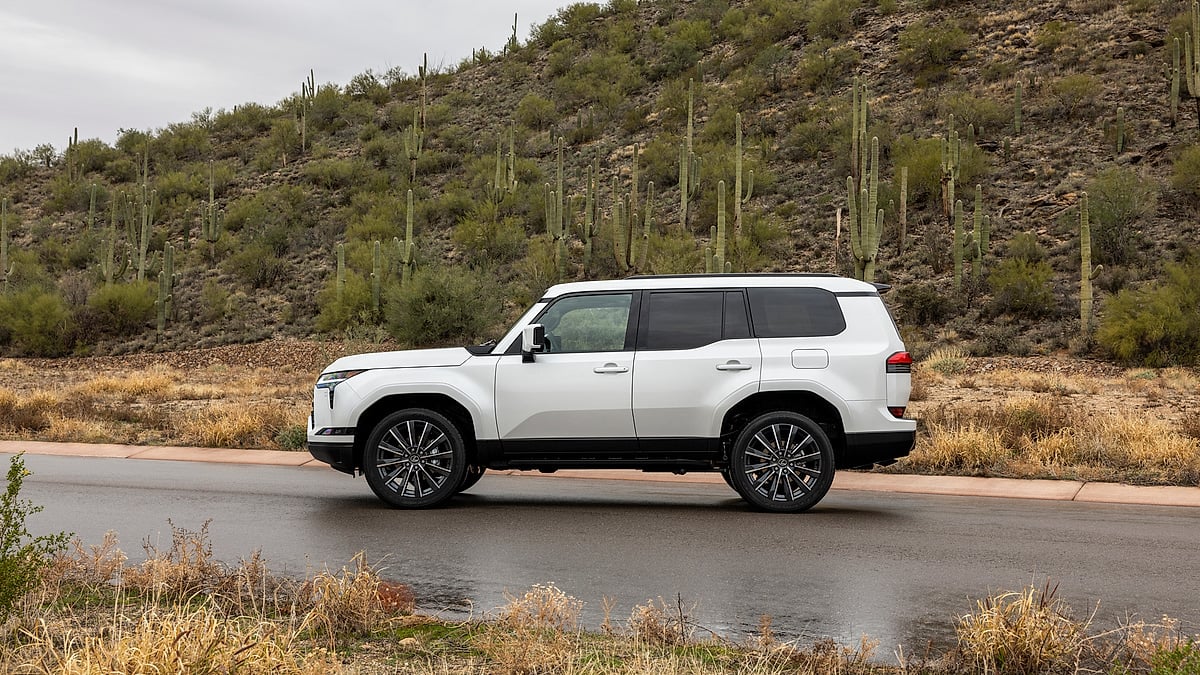
But the list of irritants grew longer with every commute. The heated steering wheel and heated seats were weaker than expected for a luxury vehicle in this price class; the cup holder layout could not accommodate larger tumblers, and the center console under the screen wasted space that could have held keys or a wallet. There were no physical buttons for climate control, the massaging seats were mediocre at best, and the Mark Levinson sound system did not live up to its reputation among audio enthusiasts. The panoramic sunroof is only available on the Luxury+ trim, and even then, it does not open, a decision that feels arbitrary for a vehicle competing with full-size luxury SUVs. For $80,000 to $90,000, these omissions feel less like trade-offs and more like corner-cutting.
Ride quality and Toyota loyalty are colliding
The breaking point was the suspension. The owner wrote that his 2006 4Runner with worn aftermarket lift components and 33-inch mud tires delivered a smoother, more composed ride than the brand-new GX 550, a claim that undermines the entire value proposition of trading up. Another owner with a 2020 Tundra TRD Pro agreed, noting that the Toyota truck rode and drove noticeably better while offering significantly warmer seats. ClubLexus forum members have noted that even the previous-generation GX 460 offered a smoother ride and more luxurious interior materials, suggesting the redesign moved the model in the wrong direction for daily comfort. These are not casual critics or brand switchers. They are Toyota loyalists who have spent years defending the brand in online forums and real-world conversations.
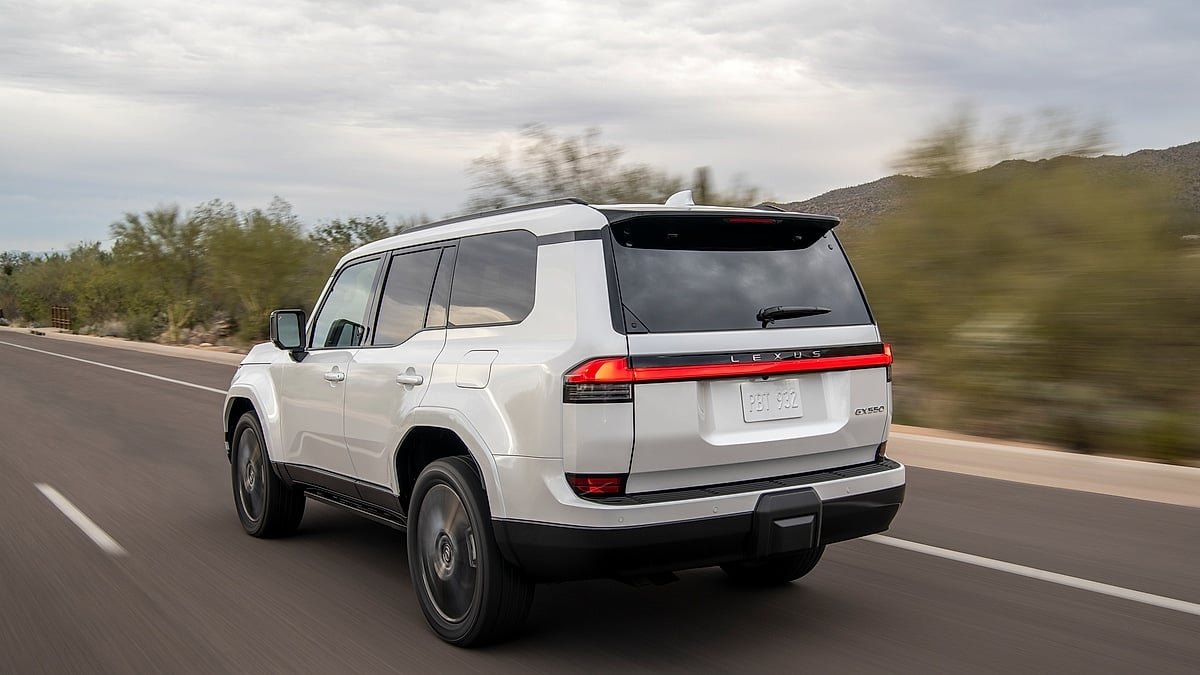
The GX 550 represents a fundamental design tension that Lexus has not resolved. The company built a vehicle that looks tougher and more capable than the outgoing GX 460, but in doing so, it may have sacrificed the daily refinement that justified the Lexus badge over a Toyota badge. Forum discussions across ClubLexus and GX owner groups show the same pattern: buyers who expected a luxury upgrade from their 4Runners are finding a truck that is more utilitarian and less comfortable than the vehicles they already own. The GX 550 OverTrail owner who drove 4,000 miles reported similar livability compromises, and what people think about the GX 550 continues to split between off-road praise and daily-driver frustration. For buyers crossing over from older Toyotas, the question is no longer whether the GX 550 can handle the trail or turn heads in a parking lot. It is whether it can handle the daily commute without making them miss the truck they already have.
About The Author
Noah Washington is an automotive journalist based in Atlanta, Georgia, covering sports cars, luxury vehicles, and performance culture. His reporting focuses on explaining the engineering, design philosophy, and real-world ownership experience behind modern vehicles.
Noah has been immersed in the automotive world since his early teens, attending industry events and following the enthusiast communities that shape how cars are built and driven today. His work blends industry insight with enthusiastic storytelling, helping readers understand not just what a car is, but why it matters.
Noah is also a member of the Southeast Automotive Media Association (SAMA), a professional organization for automotive journalists and industry media in the Southeast.
His coverage regularly explores sports cars, luxury vehicles, and performance-driven segments of the automotive industry, including the evolving culture surrounding Formula Drift and enthusiast builds.
Read more of Noah's work on his author profile page.
You can also follow Noah here:
Set Torque News as Preferred Source on Google
Follow us today...