
Having a strong presence in the US market (and North America in general) is a goal for most car companies. As it stands, the United States is the second-largest car market in the world, with China being the first, and India being the third-largest. In 2025, over 16 million vehicles were sold in the US. The Ford F-series continues to be the most sold vehicle in its home market, with 828,832 units, followed by the Chevrolet Silverado (580,368 units) and Toyota RAV4 (479,288 units).
It is no secret that Japanese vehicles are popular in the US, and have been since their arrival all the way back in the 1970s. Fast-forward to nowadays, and there are six major car companies with a strong presence in the US: Toyota, Honda, Mazda, Subaru, Nissan, and Mitsubishi. Then, there are the luxury arms - Lexus, Acura, and Infiniti. I am looking at the best-selling models in the US, from each of these brands, and while some are expected, others may surprise you for various reasons.
Toyota - RAV4
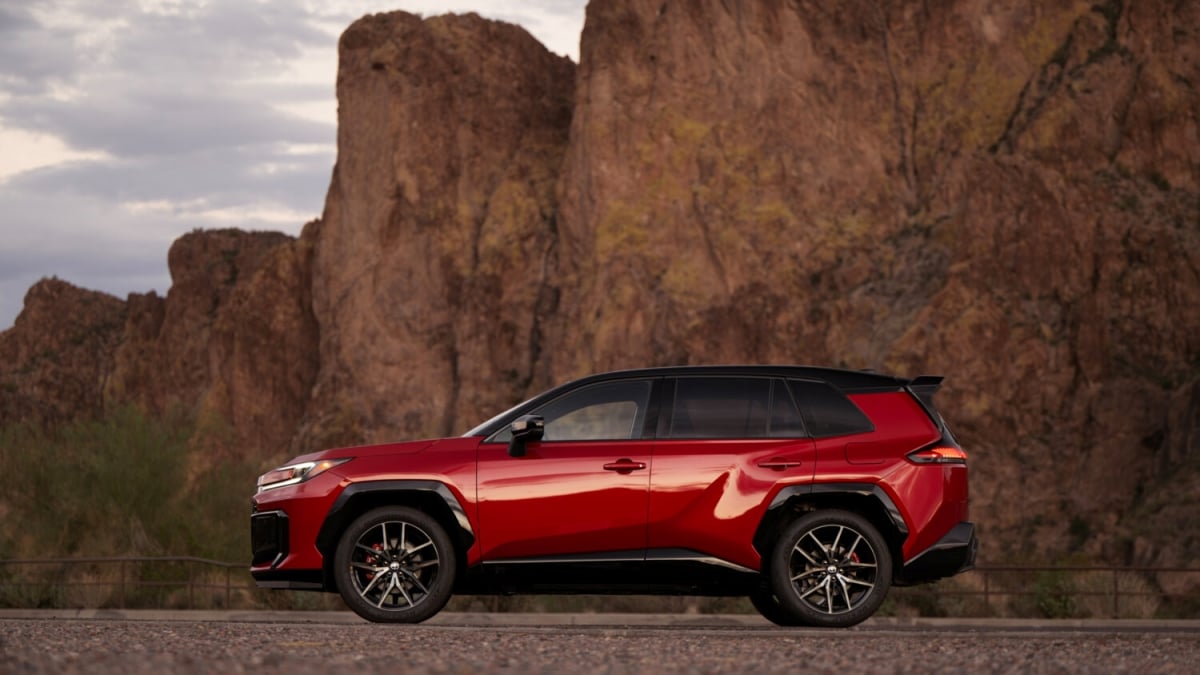
The compact SUV segment is booming at the moment, and the list largely reflects that. For many years the Corolla was the most popular Toyota model, not just in the US, but in the world. While the compact model still dominates in other markets, in 2020, the RAV4 overtook the Corolla in terms of US sales. This is impressive given that the Corolla is one of very few cars to have become more affordable over the years.
For 2026, the SUV got a redesign. It also became a hybrid-only model, with the most powerful one featuring 326 horsepower from its PHEV powertrain. All variants revolve around the brand’s tried-and-tested, 2.5-liter Dynamic Force engine. This makes the RAV4 PHEV not only surprisingly quick, but also makes it among the plug-in hybrids with the biggest electric range. The 2026 RAV4 starts at $33,350 (MSRP).
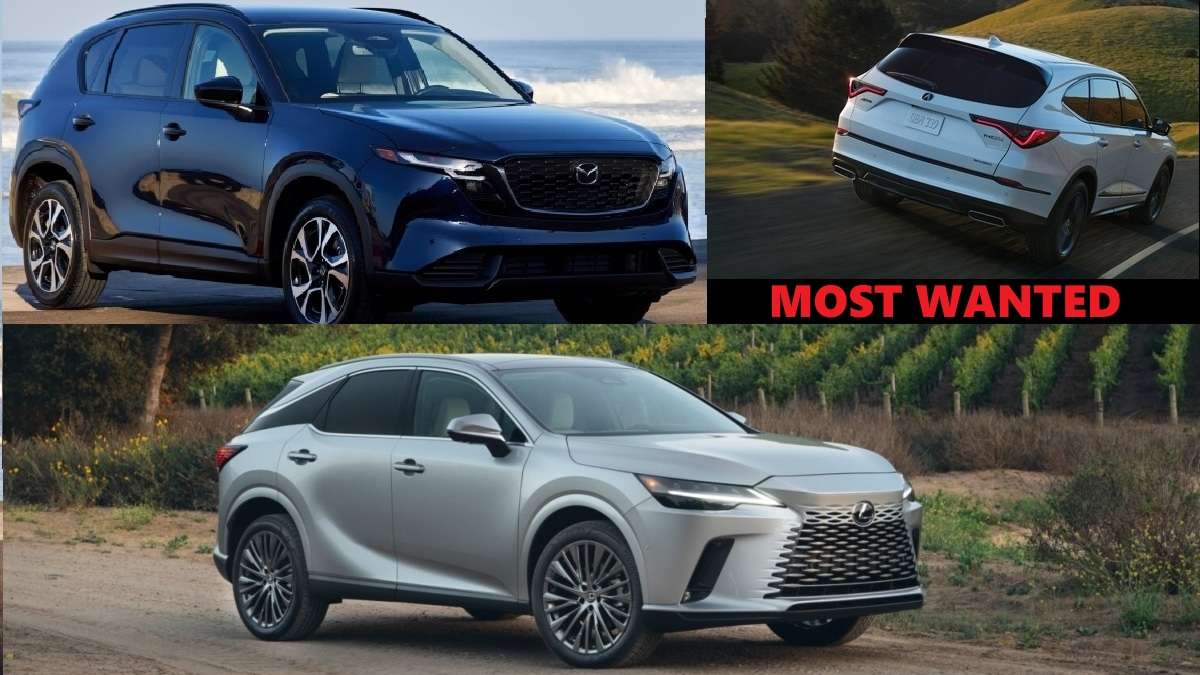
Lexus - RX
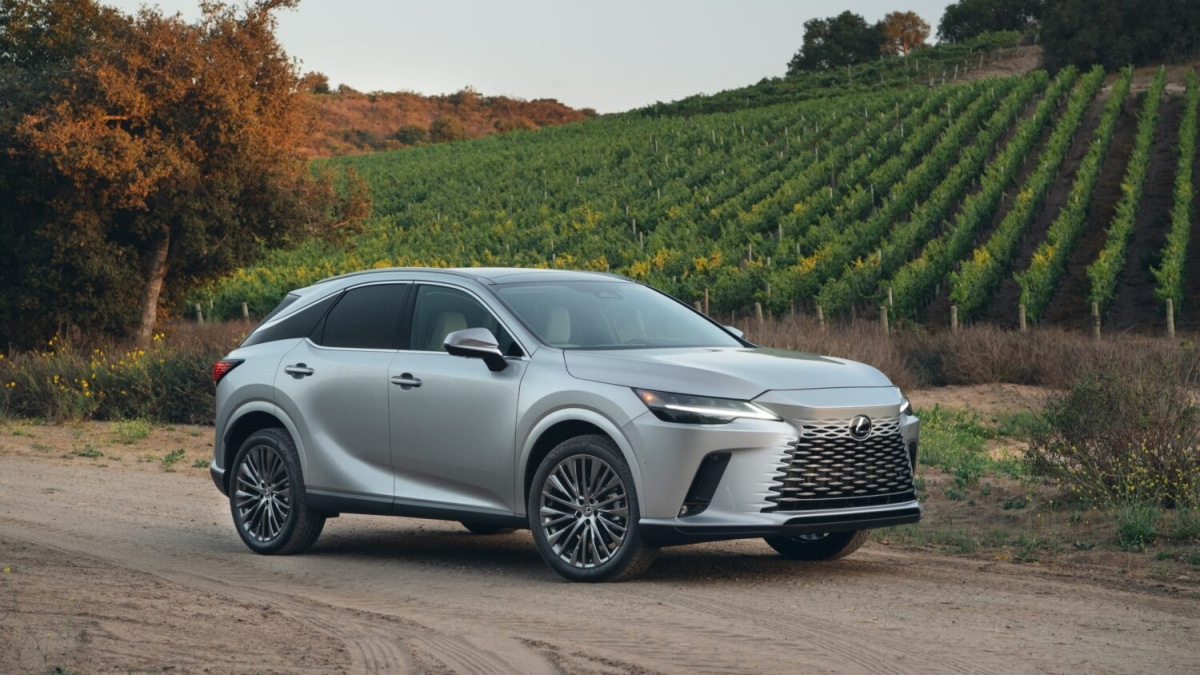
The Lexus RX has been the luxury brand’s best-selling model for over a decade, and for good reason. Toyota’s luxury arm has made continuous revisions over the years, and while the SUV can no longer be had with a 3.5-liter V-6 (you can still get it on the Lexus IS, in North America), a more fuel-efficient, 2.5-liter turbo-four is offered. There are also hybrid options, built around the 2.5-liter Atkinson-cycle engine, which are very frugal and still pack enough overtaking power. These include a 304-horsepower plug-in hybrid.
Honda - CR-V
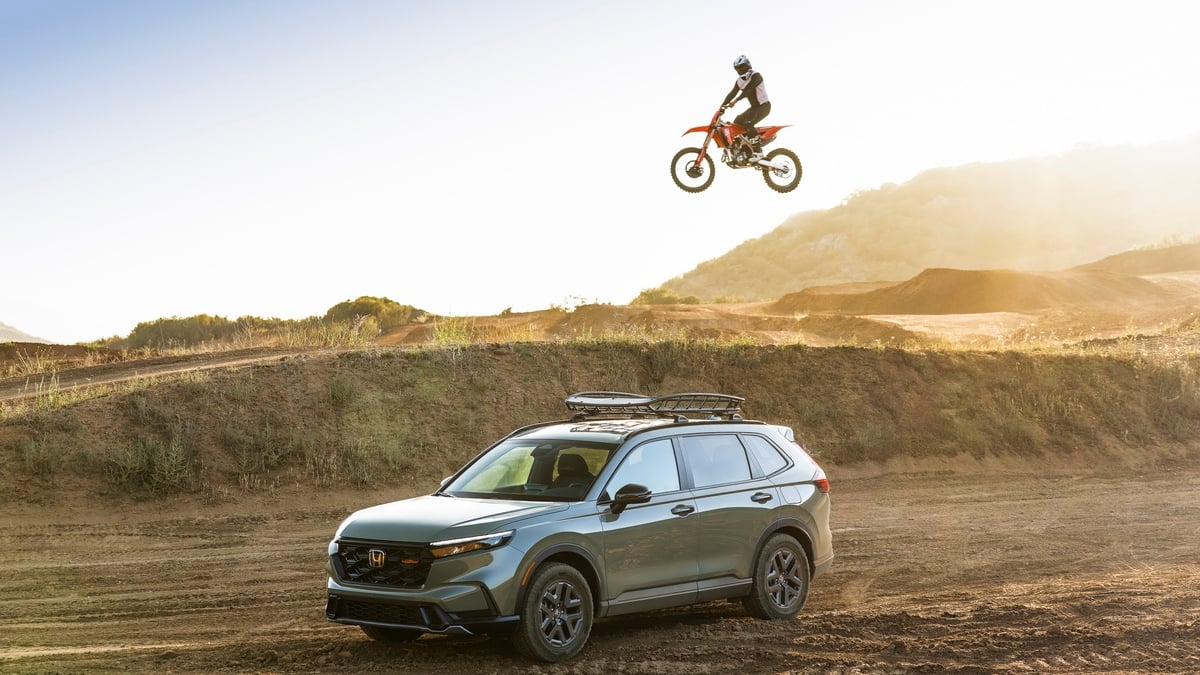
It is shaping up to be another great year for Honda’s compact SUV. In 2025, the popular model was sold in 403,768 units (nearly 1,000 more than in 2024), and for 2026, the trend continues. Another interesting trend is that over 50 percent of CR-Vs sold are hybrids, despite the non-hybrid model being roughly $5,000 more affordable. The reason being the hybrid model is peppier and substantially more fuel-efficient - up to 40 MPG combined versus the non-hybrid’s 30.
It also comes with a normally-aspirated variant of the K20 2.0-liter engine instead of the L15 1.5-liter turbo-four. The only transmission option is a CVT. Decent ride quality, spacious interior, and generous standard equipment, enhanced by the optional tech package, make the CR-V a solid choice.
Acura - MDX
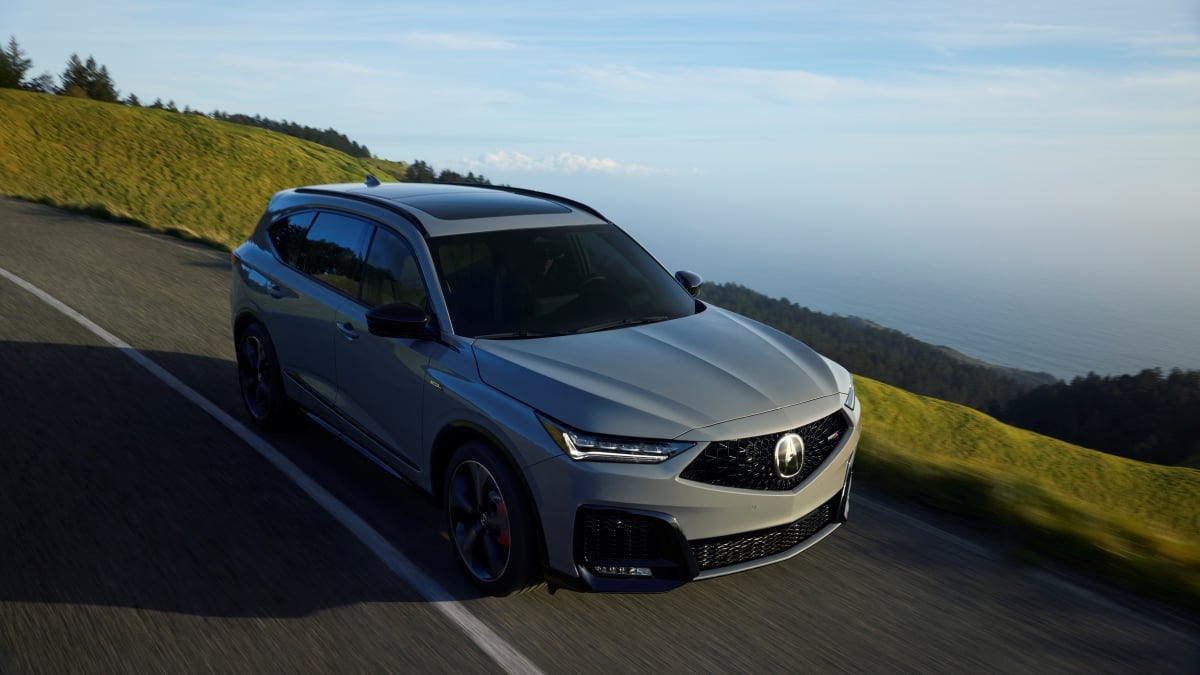
Honda’s luxury arm, Acura, may not enjoy as many sales as Lexus, but it offers fresh alternatives to hybridized four-cylinder models. The MDX is no exception. The three-row midsize SUV offers, not one, but two proven V-6 engines. The base unit is the well-known J35 3.5-liter V-6 with 290 horsepower - the same one featured in the Honda Pilot, Passport, Ridgeline, and Odyssey minivan.
The MDX’s strengths lie in its styling, luxurious interior, and sharp handling. The third-row seating is not the most user-friendly, fuel economy is, as expected, mediocre, and once you tick a few boxes, the price may become steep. What makes it worth it is the Type-S model, which comes with a turbocharged 3.0-liter V-6 - the same one found in the TLX Type-S - that makes 355 horsepower. The SUV starts at $53,250, but can easily creep up to over $70,000.
Related story: I Like The Toyota 4Runner, But Here's Why The Honda Passport Could Be The Better SUV
Mazda - CX-5
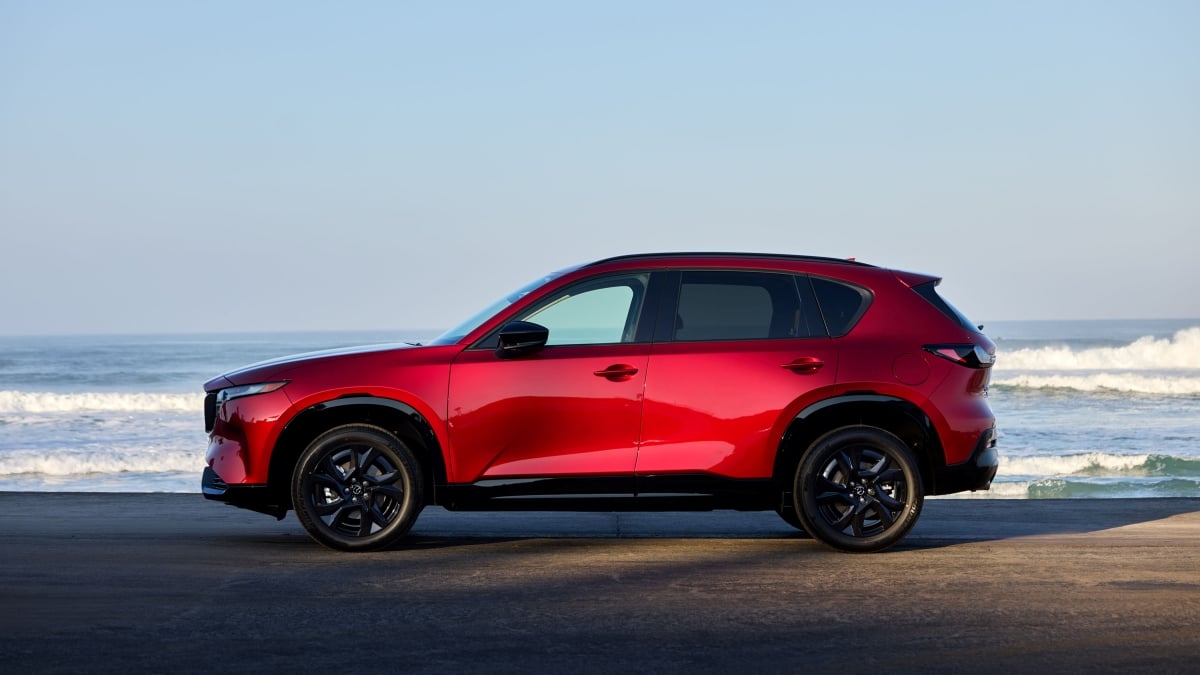
It is hardly a surprise that the CX-5 is Mazda’s most popular model. The compact SUV/crossover introduces an elegant design backed by proven Skyactiv engines and a traditional six-speed automatic, which has been around since 2013 and has a proven track record. The third generation debuted back in 2025 and introduced a more rigid chassis, although still a unibody design very similar to the 2013 original.
The interior is practical and feels premium, especially for the price point ($31,485 starting MSRP). For 2026, there is a new large touchscreen, but also no turbocharged engine. Still, the 2.5-liter normally-aspirated unit produces 187 horsepower, but Mazda claims it has been tuned for better response. All-wheel drive is now standard. Overall, it is a great all-rounder that offers sharp handling, a comfortable ride, reliability, and generous standard equipment.
Related story: They Tried To Sell Me A Mazda 6 Turbo That Turned Out To Have The Normally-Aspirated Engine, So I Backed Away
Nissan - Rogue
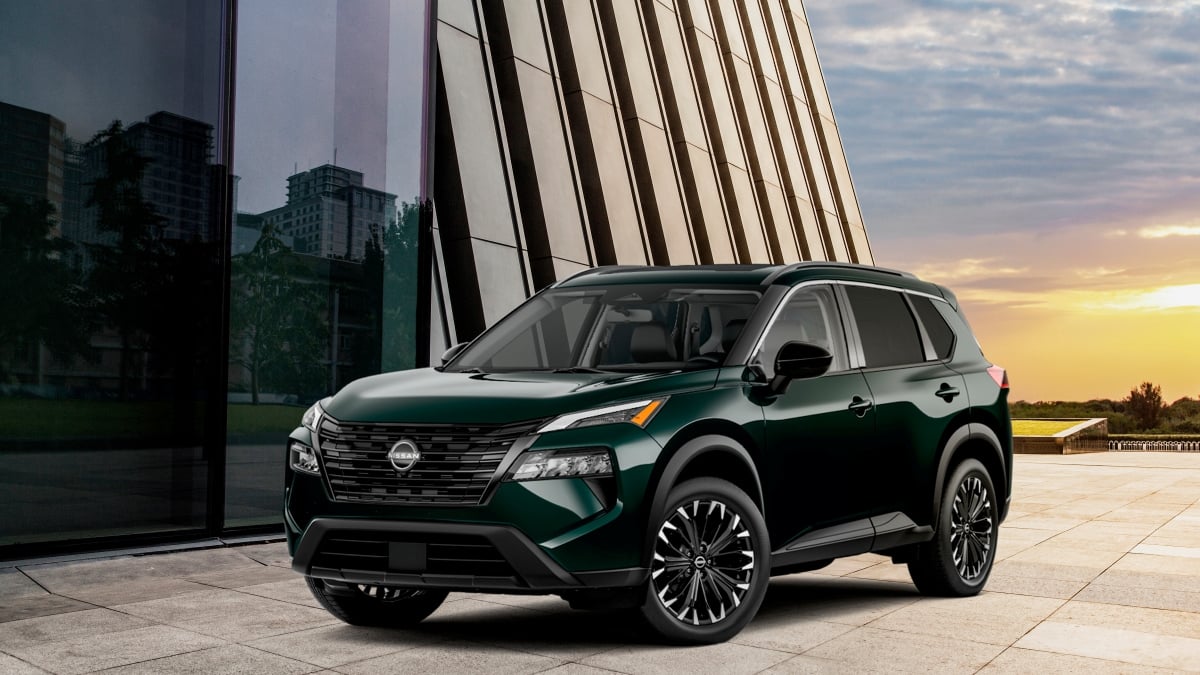
Nissan may be the Japanese auto industry’s laughing stock according to some, but the brand still makes models that sell extremely well. Its bestseller, the Rogue, is selling better than the majority of cars on this list, and there are a few reasons for that. It offers a well-built, near-premium interior, which is also more spacious than half of its competitors. In fact, you can equip the Nissan Rogue to near-Infiniti levels of luxury, which is great for a compact SUV that starts at $30,585. The ride quality is also one of the softest in the segment.
Unfortunately, this comes at the cost of handling, which is decent, but not as sharp as some of its competitors. The CVT only adds to the “meh” factor. One of the redeeming features is the 1.5-liter turbo-three-cylinder, which is surprisingly refined and packs 201 horsepower (more than the CX-5 and the non-hybrid CR-V). There is also a more powerful Nissan Rogue PHEV, which is actually a rebadged Mitsubishi Outlander PHEV.
Related story: 5 Reasons To Consider A Nissan Rogue Over A Toyota RAV4, And 2 Reasons Why You Shouldn't
Infiniti - QX60
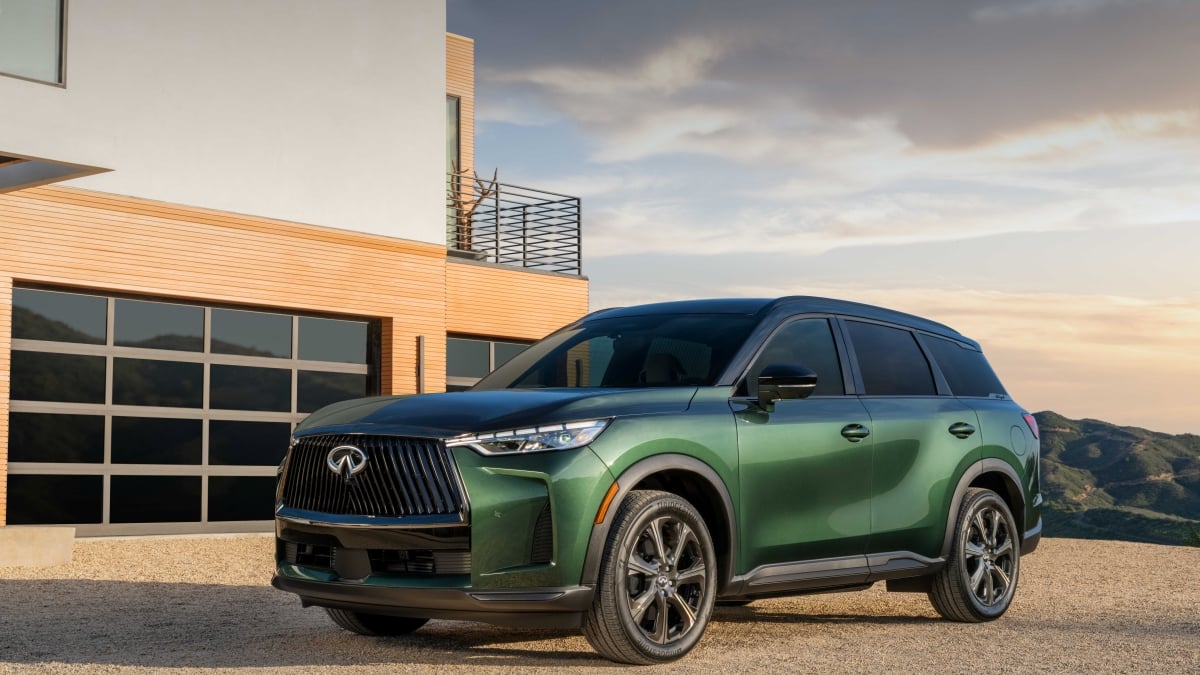
The midsize three-row SUV is Infiniti’s best-selling model. Unfortunately, that isn’t saying a lot. The brand’s offerings have been slow sellers of late, and it comes down to a combination of lackluster powertrain options and uninspiring handling. While Infiniti is planning to return to its roots with a sporty sedan that features a manual transmission, the QX60 remains a lackluster proposition. In 2025, a total of 30,537 Infiniti QX60 were sold in the US.
It starts at $53,085 and the only engine you get is a 2.0-liter VC turbo inline-four with 268 horsepower and 286 pound-feet. At least the engine is mated to a nine-speed automatic instead of a CVT. The 0 to 60 mph sprint happens in 7.5 seconds (as tested by Car & Driver)), which is 0.7 seconds slower than the Volvo XC90 B6, and that’s far from being a sporty SUV. The QX60’s strengths are the upscale and spacious interior, upscale design, and decent fuel economy. However, the performance is lackluster and the ride is firm.
Related story: Infiniti QX65 Prices Match The BMW X4, But One Important Feature Is Still Missing And It Should Have Included It From The Start
Subaru - Crosstrek
Subaru’s compact crossover has been around since 2012, and frankly, it is a brilliant concept for a versatile vehicle that’s easy on the wallet. The last significant redesign was in 2022, and for the first time, the name Crosstrek was used globally (instead of XV on some markets). This is one of the few vehicles that still offers a normally aspirated engine. In this case, it is a 2.5-liter, four-cylinder boxer putting out 180 horsepower and 178 pound-feet. There is also a hybrid variant with 194 horsepower and two electric motors, which gets you over 600 miles of total range.
One thing that continues to annoy me is that Subaru is only offering a CVT. At least, four-wheel drive continues to be a standard feature (except for some Japanese versions). The Crosstrek isn’t particularly quick, and the handling isn’t the sharpest, but it has a practical interior, generous standard equipment, and surprising off-road capabilities for a compact crossover. It also starts at $28,445. It is no surprise that Subaru managed to sell 191,724 units in 2025.
Mitsubishi - Outlander
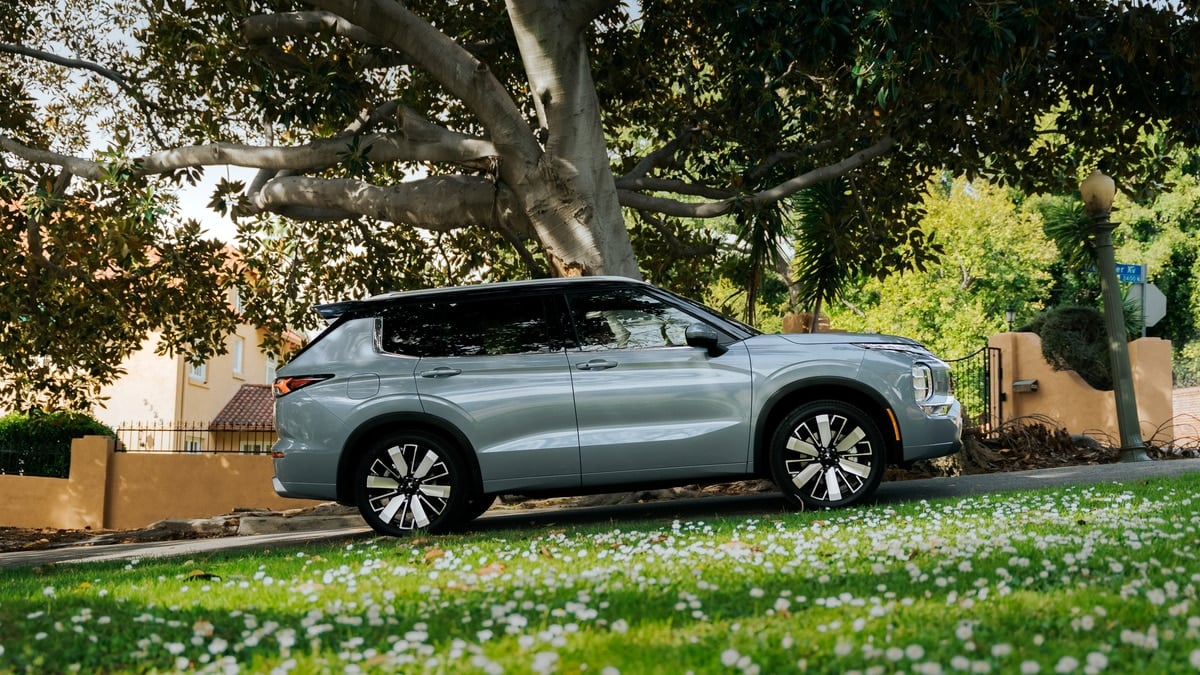
Mitsubishi Outlander is the company’s trusty unibody SUV and depending on which one you go for, you are getting very different vehicles. The non-hybrid variant features a 1.5-liter turbo-four with 174 horsepower and standard front-wheel drive. All-wheel drive is available. The only good thing about this one, compared to the hybrid model, is the starting price of $32,205. Now, the Outlander PHEV is the one to have. Its 2.4-liter plug-in hybrid powertrain packs 297 horsepower, which allows for a 0 to 60 mph in 6.6 seconds. Unfortunately, the price is much steeper, starting at $45,475.
What you get is an EV range of 45 miles (factory claimed), and a 10 to 80 percent charge in 38 minutes. All Otualander variants offer third-row seats, which are easy to access, but not the most comfortable. The Outlander’s interior is also far more upscale than you would expect for its price range. The non-hybrid Outlander is not particularly quick, and the handling isn’t great, but you do get a large amount of car for the money. The PHEV is a fair bit more expensive, and fuel economy is mediocre.
Which one of these is your choice? Share your thoughts in the comment section below.
About the author
Dimitar Angelov has been an automotive journalist since 2014. His passion for cars and motorcycles led him to take up classic car restoration at the Classic Car Museum in Malta. While living there, he also graduated with a Master's in Media and Communications. Aside from Torquenews, his work can also be seen on Topspeed.com, HotCars.com, Motorheads.com, Jalopnik.com, and his own website, Ridereverie.com, where he also includes motorcycle content.
Other relevant experiences in the automotive scene include working at a Toyota dealership, professional driving, and automotive insurance. Dim is happy to get behind the wheel of any car and share his impressions. You can follow Dimitar on X, LinkedIn, Instagram, and Facebook.
Experience
- 2012-2017 and 2025-Present: Insurance Advisor - ANG Univers and Generali Insurance Group
- 2016-2016: Car salesman at Toyota dealership
- 2014-Present: Automotive journalist, blogger, vlogger, test driver
Education
- Bachelor's degree in International Economic Relations
- Master's degree in Marketing
- Master's degree in Media and Communications
Dimitar Angelov's work has been quoted in the following publications:
- SM Breadvan – The Fastest Road Car in the 1970s
- 1968 Corvette S/C Is a One-Off Home-Built 650 HP Masterpiece
- Kia Stinger Proprietor Has To Pay The Automobile’s Worth In Engine Alternative, And At This Level, Individuals Are Going To Begin Placing V-8 Engines In
All images are sourced from official manufacturer press releases and/or reviews
Set Torque News as Preferred Source on Google
Follow us today...