
About ten years ago, exotic sportscars from the 1990’s were selling for about half what they cost today. For example, the prices of 1990’s Acura NSX cars have increased significantly over the last ten years. First-generation NSXs, which include 1991-1999 models, were once relatively affordable classics, with some examples selling for around $30,000–$40,000 in the mid-2010s and early 2020s, especially for cars needing work. Today comparable cars often sell for much higher figures, with many first-gen NSXs listing well over $80,000 and even surpassing $100,000 for desirable examples. Pristine low-mile cars can fetch prices north of $150,000 or more in the collector market.
When we saw Jason Powell’s post on a Facebook NSX group about buying a 1993 Acura NSX for $35,000, we had to reach out to him. Jason originally posted:
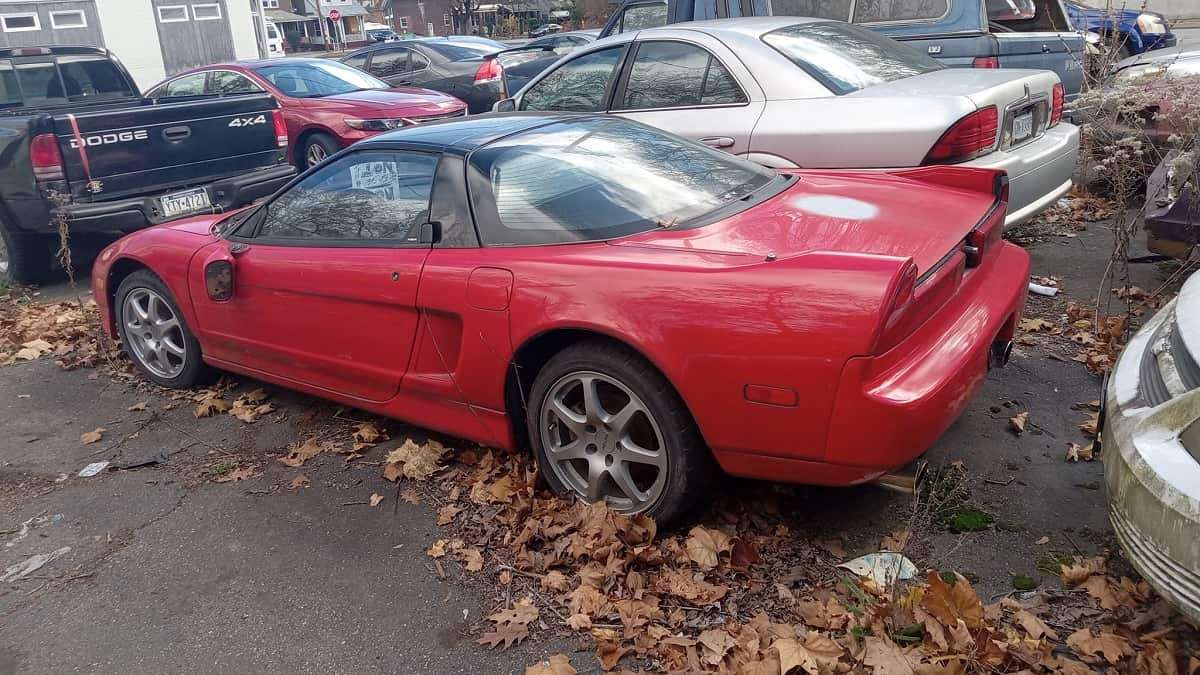
“I just bought this 1993 NSX with 92k miles. It hasnt been on the road in almost 10 years. It has an “R-title” due to a low speed impact on front and then spun and the rear kissed a barrier. I don’t care one bit because it runs and drives, and the body work seemed to have been done right (will explore further). It was mid restoration and was basically abandoned. I bought it as is for $35k, and plan on bringing her back to her former glory!
I've been on the hunt for a cheap NSX for a while, and this one was right under my nose the whole time, just miles from my house. I can't wait to get her home and start working on her.”
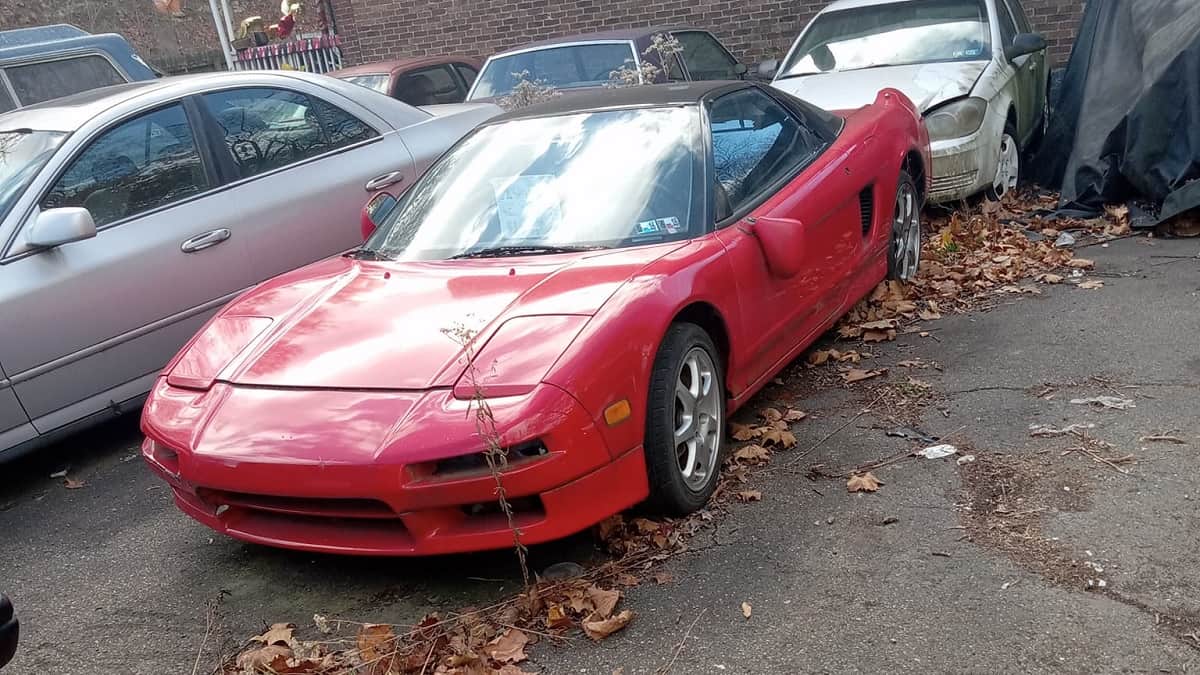
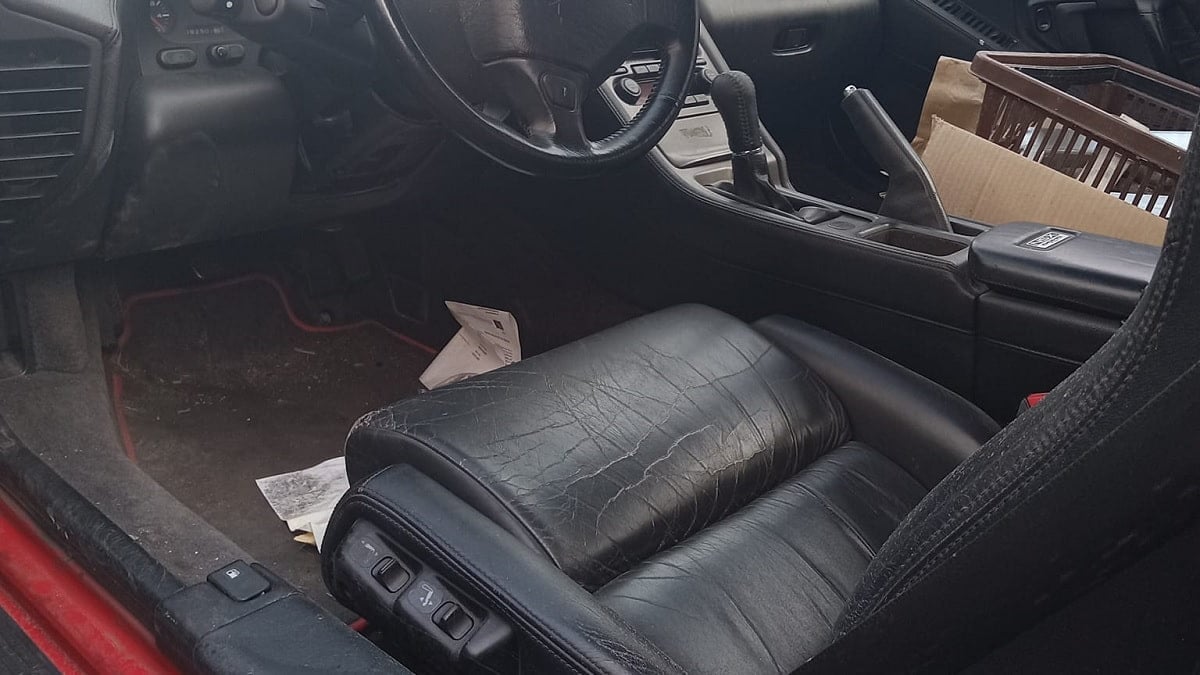
When we contacted Jason, he further explained that, “It was in decent shape, but it was wrecked at some point previously and was bought thru Copart [online auction platform] many years ago by the previous owner. It sat at a body repair shop (that's where I first spotted it about five years ago). After several inquiries, the body shop owner put me in touch with the car's owner and we made a deal. I basically bought it as-is mid restoration. It took a low-speed impact into a guard rail, and the passenger side front end was all mangled up. The body shop did some of the work, but it wasn’t done to my standards. I had it sent to a frame shop to make sure the frame was in spec, which it now is. I've been slowly finding the parts it needs to be finished, but it does run and drive. I drove it home from the original body shop and the mechanicals seemed great (although once the body work is done, I will be sending it off for timing belt, water pump, etc. as there's no maintenance history with it). All said, I paid $35k for it, I’ve probably got a few grand or so in parts now, and expect another few grand to finish it off. If all goes as planned, I "should" have a nice running and driving NSX for right around $45K.”
Why Have Prices Drastically Increased Over the Last Ten Years
Collectors have finally caught up to what the NSX really is. In the nineties it was seen as the sensible exotic, now it is viewed as a landmark car that changed how supercars should feel to drive. Nineties nostalgia is a big factor as well. Many buyers who had NSX posters on their walls are now in their forties and fifties with the income to buy the car they dreamed about as teenagers. The numbers produced also matter. Acura did not build the NSX in huge quantities, especially clean unmodified examples with low miles. Over time cars are crashed, heavily modified, or neglected, so truly nice survivors become rarer every year. Maintenance reputation plays a role as well. Compared with many European exotics, the NSX is known for Honda level reliability and reasonable running costs. Collectors like the idea of an exotic that starts every time and does not constantly need expensive repairs.
Here’s what it typically takes to restore a barn find.
Engine Service and Mechanical Restoration
The projects usually being with mechanical work because most barn finds are in rough shape after years of neglect. New owners need to replace seals, coolant lines, hardware, and other service items needed for a high mileage engine. They typically perform a 100,000-mile service, address long overdue maintenance, and ensure that the drivetrain runs reliably before moving on to cosmetic work.
Interior Repair and Parts Sourcing
The interiors are usually quite damaged, so a large portion of the effort can go into tracking down replacement pieces. Many parts came from online sellers and salvage sources. New owners find themselves replacing broken switches, refreshing worn surfaces, installing new Bride seats with rails, and replacing numerous small interior components that have deteriorated beyond repair. This work brings the cabin back to a clean and functional condition.
Body Reconstruction and Exterior Reassembly
Exteriors usually require attention because many panels can be damaged or missing. Owners install components like new bumpers, replacement taillights, added exterior aero pieces such as the hood and wing, and reinstalling carbon vents and side skirts. Hood adjustments are typically needed and reworked panel alignment.
Wheel, Brakes and Suspension Upgrades
Some new owners will take the restoration as an opportunity to performance and visual improvements. They can mount new wheels like mag blue TE37 wheels, which can then require upgrading from NA1 brakes to NA2 brakes to clear the deeper concave design. Suspension adjustments can be make like adding coil over shocks from SakeBomb Garage to correct ride height and improve stance once the car was back on the ground.
Bottom Line
A 1990’s NSC purchased in the thirty-thousand-dollar range, can require expensive restorations once the new owner gets into the project. Expect to spend about $3,500 on engine service parts. Seats and rails tend to cost about $2,500. Exterior aero body parts tend to run about $2,000. Budget about $1,000 for either new bumper and about $1,000 each for any new taillights. If the new owner opts for new wheels, budget about $4,000. That’s just for parts. When you add in labor, the typical restoration price tends to hover around $40,000. We’ve found that the typical restored 1990’s Acura NSC to be worth roughly eighty thousand to ninety thousand dollars, so it can make sense financially if you have the patience and determination to drive a restoration project over the finish line.
The Acura NSX
The 1993 Acura NSX is a beloved sports car that first launched in the early nineties and quickly earned a reputation for being smooth, balanced, and surprisingly easy to live with. It stands apart from modern EVs because it delivers a raw, mechanical driving feel that comes from its mid-engine V6 layout and lightweight aluminum construction, qualities that make it feel connected in a way electric cars simply cannot replicate. The NSX is known for its reliability, sharp handling, and everyday comfort, which helped it become a favorite among enthusiasts. Prices today vary widely depending on mileage and condition, though many clean examples sell in the range of one hundred thousand to one hundred fifty thousand dollars. The 1993 NSX was sold as a sleek two door coupe that highlighted Honda’s forward-thinking engineering and timeless design.
What Do You Think?
Have you ever come across a rare or undervalued car that you regret not buying when you had the chance?
Do you think Jason scored the deal of the decade at thirty five thousand dollars for his 1993 NSX, or do the restoration costs make it a risky buy?
Chris Johnston is the author of SAE’s comprehensive book on electric vehicles, "The Arrival of The Electric Car." His coverage on Torque News focuses on electric vehicles. Chris has decades of product management experience in telematics, mobile computing, and wireless communications. Chris has a B.S. in electrical engineering from Purdue University and an MBA. He lives in Seattle. When not working, Chris enjoys restoring classic wooden boats, open water swimming, cycling and flying (as a private pilot). You can connect with Chris on LinkedIn and follow his work on X at ChrisJohnstonEV.
Photo credit: Jason Powell (with permission)
Set Torque News as Preferred Source on Google
Follow us today...