
In recent times, Nissan has had a constant presence on news outlets for several reasons. Between the merger talks with Honda, financial struggles, and some unexpectedly decent models, Nissan has been the talk of the town. The Japanese brand is still here and is making some interesting moves to secure a future in the increasingly competitive automotive industry.
Following the 13th-generation Nissan Sentra, the brand’s best-selling SUV model is getting important new updates for 2026. What Nissan did with the Rogue is very peculiar, but hardly surprising at this point, given the brand is clinging for dear life. Regardless, there are a few reasons to go for the Nissan Rogue over rival models like Toyota’s RAV4, as well as a few reasons why you probably shouldn’t, which we looked into.
Why the Nissan Rogue is a good choice
- The car-per-dollar ratio
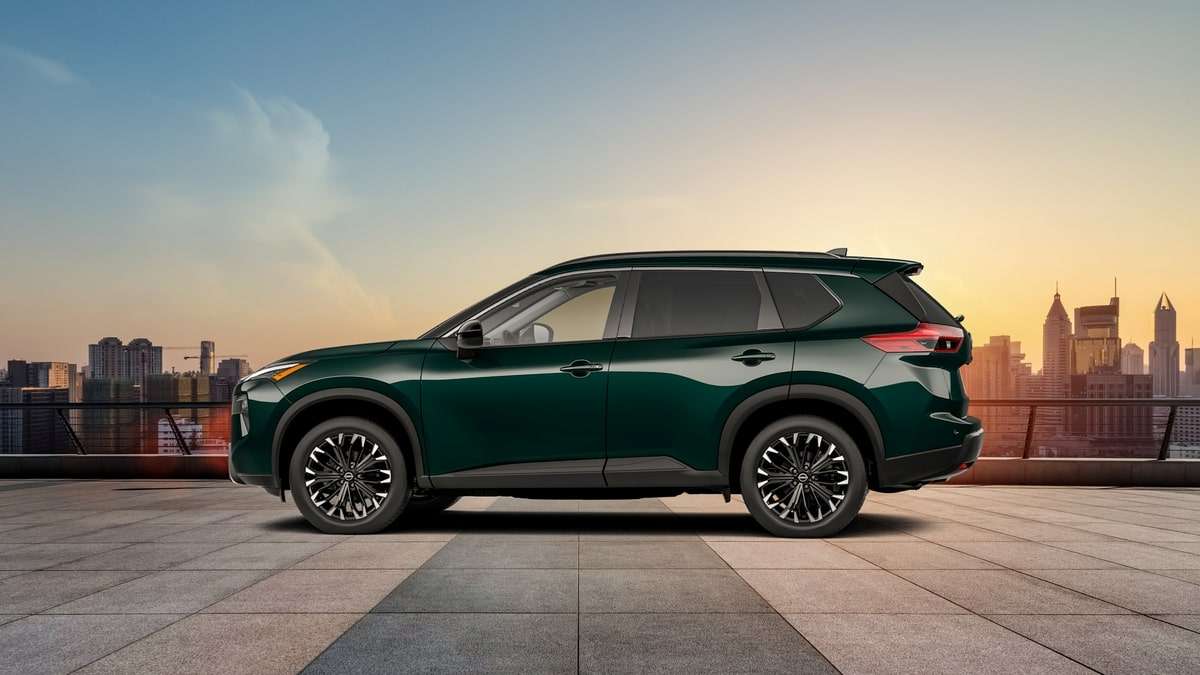
Nissan does one thing best - selling affordable cars. The 2026 Nissan Rogue starts at $29,090 MSRP, making it the most affordable compact SUV in its segment. For comparison, the most popular SUV in the segment, the Toyota RAV4, which by the way is getting a new generation for 2026, starts at $31,900. The Hyundai Tucson - another compact SUV that scores well across the board - starts at $29,200, which is a negligible difference, but currently, it is much easier to find a Nissan Rogue for under MSRP. It seems Nissan’s main trick is giving you a lot of cars for the money, even if it isn’t the best in all aspects.
2. The new PHEV variant packs more power than most competitors
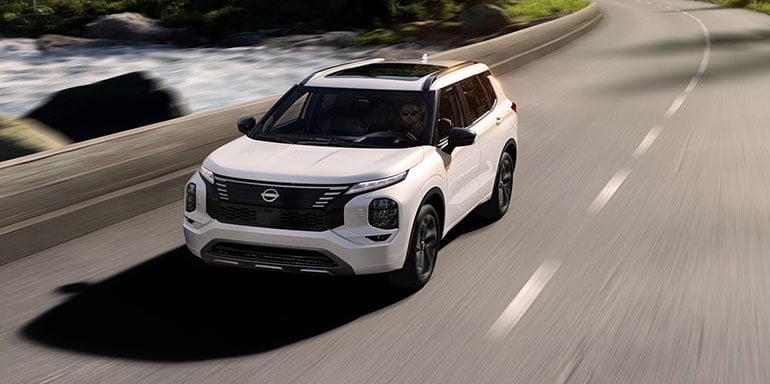
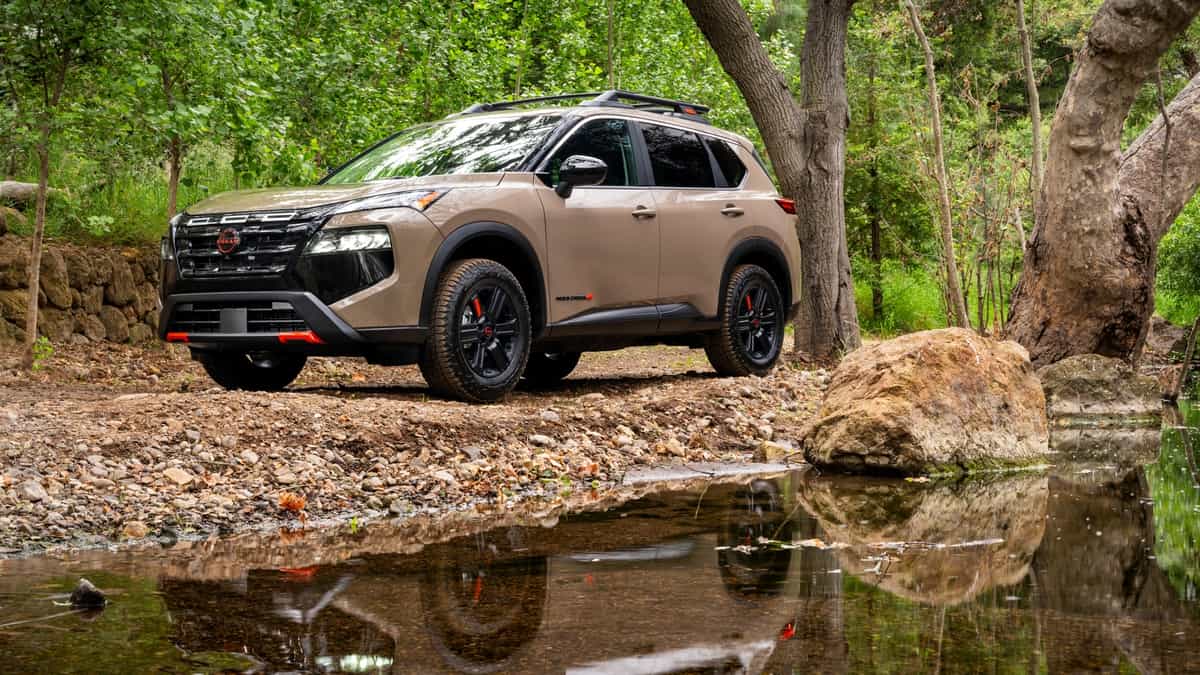
The Nissan Rogue’s driving experience may scream mediocre rather than engaging, but it serves well as a commuter. In November 2025, the Nissan SUV got a Plug-in hybrid variant for the first time, and it’s very different from the other Rogue variants. That’s because it’s not a Nissan, but actually a rebadged Mitsubishi Outlander.
In its current iterations, the Nissan Rogue and Mitsubishi Outlander share an identical platform but feature different design languages. For the Rogue PHEV, that’s not the case. It is literally an Outlander with a Nissan badge. It is Nissan’s way of jumping on the hybrid SUV bandwagon without spending big money.
What you are getting is a 2.4-liter, normally-aspirated inline-four combined with two electric motors - one per axle. Combined, this translates to 248 horsepower and 332 pound-feet, which is more than almost all RAV4 variants except for the GR Sport, which packs 324 horsepower - about 20 more than the outgoing RAV4 Prime. The 20-kWh battery provides almost 38 miles of range on electricity. It falls short of the RAV4’s PHEV variant, with its 47 miles of electric range.
3. Almost Infiniti-level of luxury
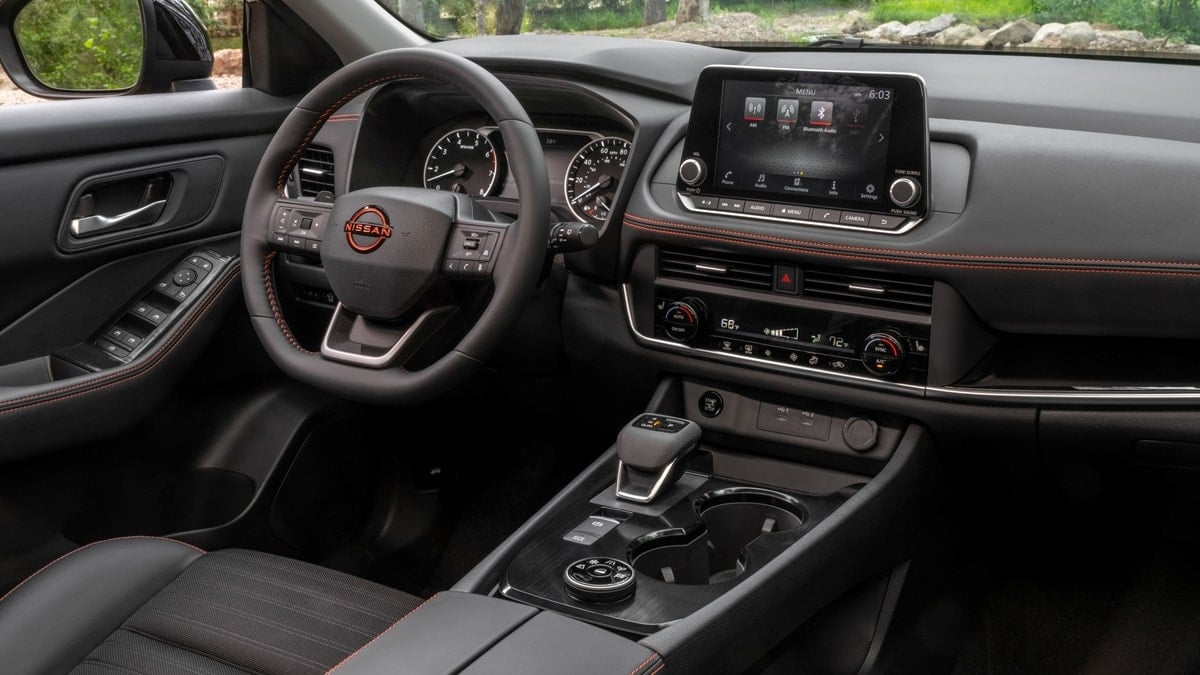
Nissan isn’t the first brand to think of when talking about luxury cars, but the Rogue’s cabin is a pleasant surprise on some levels. Soft-touch materials, zero-gravity seats, and generous standard equipment make you question whether you need to spend extra on an Infiniti.
The 12.3-inch touchscreen is available on the higher trims, instead of the base model’s 8.0-inch, and there is a 12.3-inch digital instrument cluster on the Platinum. For the PHEV model, the base touchscreen is a 9.0-inch with the option for a 12.3-inch on the SL and Platinum trims. Smartphone connectivity is wireless for both Android and Apple users.
You will hear every automotive journalist, myself included, rave about the Platinum trim, and for good reason. The seats are comfortable and feature high-grade quilted leather that feels superior to that on competing SUV models. Every contact point feels premium, including the upper sections of the door, which are soft plastic.
Nissan spared no leather when making the Rogue Platinum’s interior. The same thing can be said about the Rogue PHEV, which is essentially a PHEV model. It may seem like a half-assed effort to make a hybrid Nissan Rogue, but the Japanese company borrowed from a good place, as the interior befits a range-topping model, similar to the Rogue Platinum.
4. Seven-seater capabilities in a five-seater segment
With a total passenger volume of 105.4 cubic feet, the Nissan Rogue is one of the most spacious vehicles in the compact SUV segment. It ranks third behind the Hyundai Tucson’s 108.2 cubic feet and the Subaru Forester’s 110.8 cubic feet. A big ace up the Rogue’s sleeve is the availability of third-row seats, for a maximum passenger capacity of seven, which no other compact SUV offers. Technically, the Mitsubishi Outlander also offers seven-seater capabilities on higher trims, but they are pretty much the same vehicle (in PHEV form), aside from the base engine.
5. Class-leading fuel economy
It is worth clarifying that we are talking about non-hybrid variants. Models like the Toyota RAV4, which is all-hybrid for its current generation, can easily surpass the Rogue’s 32 combined MPG (EPA). That’s for the front-wheel-drive model, which I would skip in favor of the all-wheel-drive Rogue.
You only sacrifice one MPG (down to 31), but gain superior handling. To put things in perspective, the Hyundai Tucson gets 26 MPG combined with its base engine, while the CR-V gets 29 combined MPG with a similar, 1.5-liter turbocharged engine, albeit four-cylinder instead of three.
Why you probably want to skip the Nissan Rogue
- Three-cylinder engine
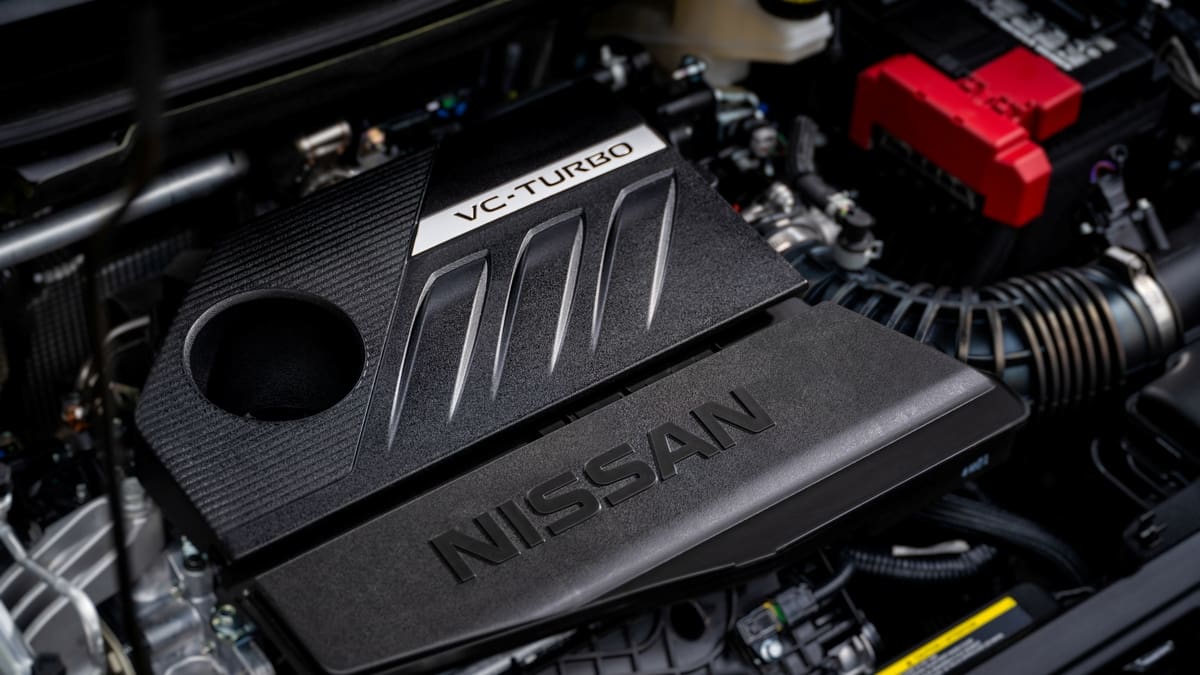
The Nissan Rogue’s base engine is a 1.5-liter turbocharged unit that produces 201 horsepower at 5,600 RPM and 225 pound-feet of torque from 2,800 to 4,000 RPM. On paper, Nissan’s compact SUV has the punchiest internal combustion engine (granted, the RAV4’s base model has a higher combined power from its hybrid powertrain). Inline-three engines are generally considered less balanced and produce more vibrations, thus considered less refined than their inline-four counterparts.
While Nissan Rogue owners report mostly positive impressions regarding the way the engine builds power, this the company’s variable-compression (VC) engine, which was known for massive recalls due to metal debris. It is worth noting that this concerns vehicles manufactured between 2021 and 2024, and newer models may be exempt. Time will tell. This, however, is not the worst potential downside of the third-generation Nissan Rogue and it’s something many of the company’s models suffer from.
2. Only one transmission option. and it's not the most beloved
You probably guessed it. It’s the XTronic CVT. It is the only transmission available on the Nissan Rogue, and it is the same situation on almost all of the brand’s more affordable models. While there is at least one Nissan Rogue owner there who is happy with his CVT even after 265,000 trouble-free miles, the continuously variable transmissions manufactured by Jatco are widely regarded as the most unreliable in the business. Is the bad reputation justified or is it a question of maintenance is another subject entirely, but Nissan is synonymous with CVT issues.
Final thoughts
I keep thinking that if a car is so bad, no one would buy it, and yet, the Nissan Rogue is the brand’s most popular model. Another example is the Nissan Sentra, which recently got a complete refresh and did many things right. I am curious to hear what you think. Would you spend your money on a Nissan Rogue or would you go for one of the competitors from Toyota, Hyundai, Honda, or Volkswagen (to name a few)? Drop a comment in the section below and let’s discuss.
Related Car Stories:
A Nissan Dealer Goes Above And Beyond To Tailor To Enthusiasts Looking For The Most Driver-Focused Z
The Japanese SUV That Offers Better Value For Money Than A Toyota Land Cruiser
These 6 Nissan And Infiniti Models Should Be Your Top Picks In 2025
Image source: 2026 Nissan Rogue, 2026 Nissan Rogue PHEV
Dimitar Angelov's automotive interests made him an expert in a wide variety of vehicles. Japanese brands like Toyota and Nissan are closest to his heart, although performance cars in general are his favorite segment, which is why he is constantly on the lookout for the best deals on the market. Dimitar Angelov's car passion and knack for the written word led him to complete a Master of Arts in Media and Communications, and classic car restoration. Dim is happy to get behind the wheel of any car and share his impressions. You can follow Dimitar on X, Linked-in, Instagram, and Facebook.
Set Torque News as Preferred Source on Google
Follow us today...