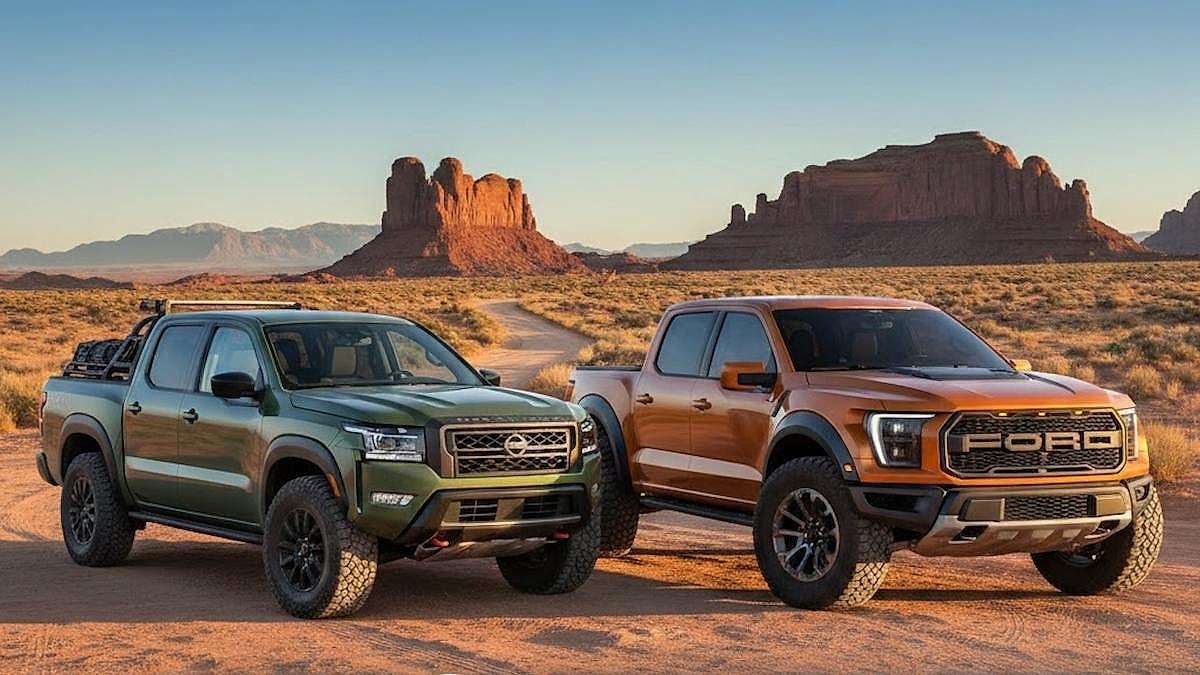

Why does a Nissan Frontier owner switch to a Ford Raptor? When a border trade war makes your favorite truck "extinct," the only choice left is a total brand defection.
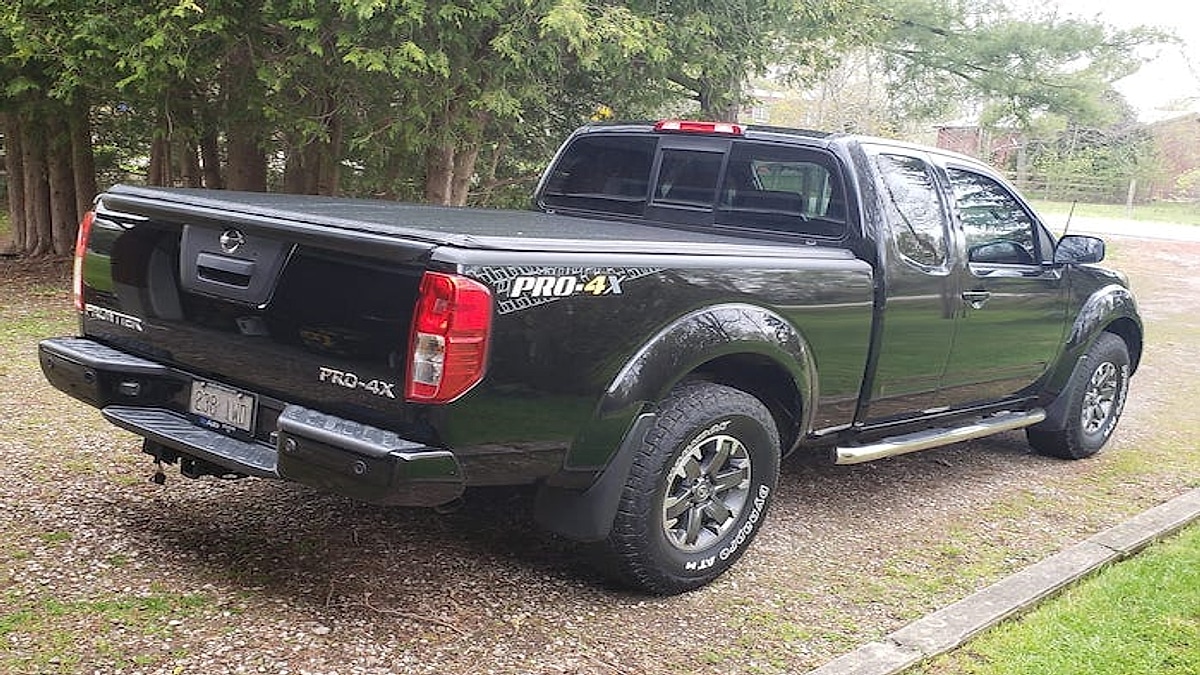
As 2026 trade tariffs and shifting production priorities effectively kill off specialized trims like the Nissan Frontier King Cab PRO-4X in Canada, one frustrated owner reached his breaking point and decided to "defect" to a high-performance rival.
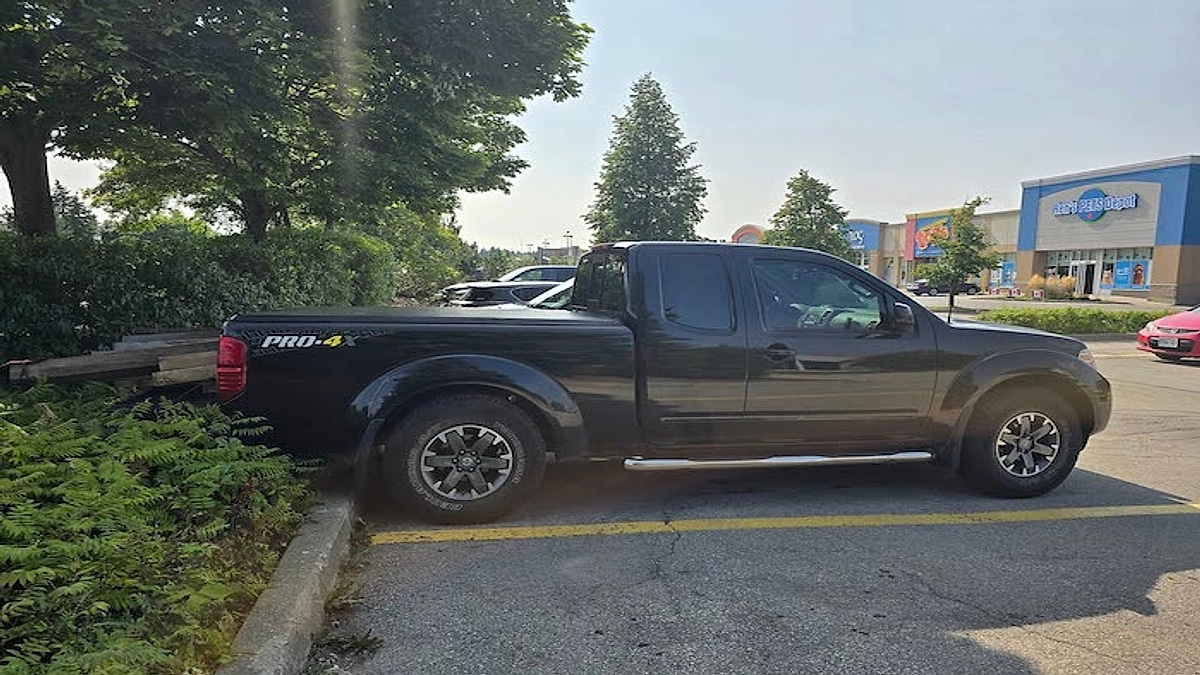
In my research on the ripple effects of the current 2026 auto trade war, I found a recent post shared in a Facebook community of Nissan truck enthusiasts (which was removed due to backlash from Frontier owners). Jim Skelton from Canada highlighted growing concerns about the extinction of preferred truck models and the radical, high-cost measures owners are taking just to stay on the road:
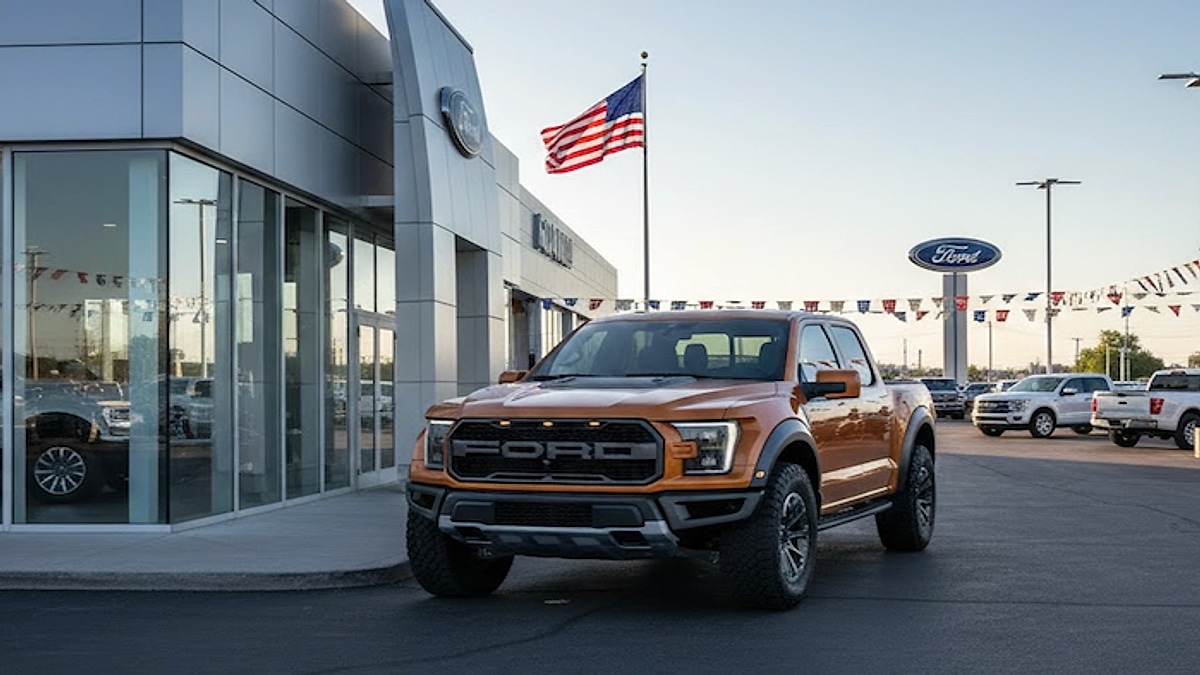
Jim says, “I can't get Nissan Frontier or Titan King Cab PRO-4X in Canada anymore due to the tariff situation, which isn't going away until our communist government is voted out. I hope Trump comes up to save us. Anyway. I had to switch brands. I defected to Ford, and I just bought a 2026 Ford F-150 Raptor. I'll be moving on. Happy trucking.”
Who Is Affected and How Did We Get Here?
The "Who" in this story is not just Jim; it is every Canadian buyer looking for a U.S.-built truck that no longer meets the North American trade standards under the CUSMA agreement. The "How" is a complex web of reciprocal 25% tariffs. When the U.S. government imposed tariffs on Canadian auto exports, Canada retaliated with its own surcharges on U.S.-built vehicles that do not contain enough North American-made components. According to a recent industry report from Rendez-Vous Nissan, the Canadian government now charges extra on vehicles that don't meet these strict requirements, which "affects several gasoline, diesel, and hybrid pickups assembled in the U.S." and leads dealerships to reduce inventory of affected models to avoid stocking overpriced vehicles.
Key Takeaways for Truck Buyers
1. The King Cab is Dead: Nissan Canada has officially dropped the King Cab for 2026, offering only the Double Cab (Crew Cab) configuration.
2. Pricing Shock: The 2026 Nissan Frontier PRO-4X now starts at $56,498 Canadian, a significant jump from previous years due to $3,000 MSRP hikes and secondary tariff pressures.
3. The Raptor Alternative: While the Ford F-150 Raptor offers unmatched performance, it comes with a price tag exceeding $110,000, representing a massive financial "forced migration."
From My View: The Forced Migration to Ford
The "Why" behind this defection is simple: availability. Nissan has temporarily stopped U.S. production of the Frontier for the Canadian market to navigate these trade waters, according to reports from The Car Guide, where they note that "imports of the Nissan Frontier came to a halt in mid-2025 due to tariffs on U.S.-made vehicles." This leaves buyers with a choice: wait for a diminished 2026 lineup or jump ship to a brand that currently has units on the ground.
However, moving from a Frontier to a Raptor is not a lateral move. It is a leap into a completely different class of vehicle, and one that comes with its own set of "big truck" headaches. I have spent a lot of time documenting the growing pains of the modern F-150 platform. For instance, in my analysis of recent Ford F-150 engine failures, I found that even the most powerful rigs are not immune to quality-control lapses. If you are making the jump to Ford like Jim, you need to be aware of the mechanical trade-offs.
My Take: The Hidden Risks of the "Defection"
While the Raptor is the undisputed king of the desert, my 30 years in this industry tell me that "bigger" does not always mean "better" when it comes to long-term reliability. Ford has been grappling with significant issues in its electronics and transmission systems. In a previous report on Ford F-150 transmission shuddering and shifting issues, I noted that the 10-speed automatic can sometimes feel indecisive under heavy load.
Furthermore, the 2026 model year has brought about some frustrating tech glitches. I recently covered the F-150 dashboard blackout recalls that have left some owners staring at blank screens while traveling at highway speeds. It is a jarring experience, especially when you have just dropped six figures on a "dream truck." Even the smaller components are seeing issues; I have also documented Ford F-150 rear axle bolt shearing, which has led to multiple recalls spanning the 2021-2026 production years.
The Price of Defection:
To understand Jim’s "defection," look at the cold, hard numbers. In the 2026 Canadian market, this is a total financial recalibration, one of the steepest "forced upgrades" I have seen in 30 years.
2026 Nissan Frontier PRO-4X: With the King Cab dead, the Crew Cab starts at $56,498 CAD. Factoring in surcharges and fees, owners face an out-the-door price of roughly $62,000 CAD.
2026 Ford F-150 Raptor: This is a different atmosphere. Starting at $108,500 CAD, adding the essential 802A package and Canada’s luxury tax on $100k+ vehicles brings the total to about $122,000 CAD.
The Breakdown: A $57,000 Premium Jim paid a $57,000 CAD premium just to stay in a capable off-road rig. For the price of one Raptor, he could have nearly purchased two Frontiers. This isn't just a power upgrade; it is an "Availability Tax." When trade wars eliminate the $60,000 middle ground, enthusiasts are forced to either settle for a basic commuter or double their debt.
Community Technical Feedback
The sentiment on the ground is a mix of frustration and begrudging acceptance. One user on Reddit noted the severity of the situation for those staying with older Nissan models, stating, "Replace radiator or end up replacing tranny like me... had a small leak. Unnoticed. Then boom tranny went out on highway," which you can read in the full discussion here. This highlights that even if you can find an older Frontier, maintenance is more critical than ever.
On the Ford side, the transition isn't always smooth sailing. Another owner highlighted the vulnerability of the new design in a different context, saying, "The radiator on these models has an isolated portion for cooling automatic transmission fluid... if it's not cooling it, bad things happen," as noted in this F150 owners group. Whether it is a Nissan or a Ford, the message from the community is clear: modern trucks are complex, expensive, and currently caught in a political crossfire.
Recommendations For Truck Buyers
If you find yourself in Jim’s shoes, here is my advice:
- Check CUSMA Compliance: Before buying any U.S.-built truck in Canada, verify the "Certificate of Origin" to see if a 25% tariff is baked into your out-the-door price.
- Look for 2025 "Leftovers": Since Nissan is only bringing three specific Double Cab trims for 2026, any 2025 King Cabs still on the lot are now "gold."
- Audit the Raptor's Service History: If you are "defecting" to Ford, ensure the 2026 software updates for the digital instrument cluster and the 10-speed transmission have been applied before you drive off the lot.
Brand Enthusiasts Will Vote With Their Wallets
Things are shifting from a battle of horsepower to a battle of trade permits, and as loyalists like Jim Skelton prove, enthusiasts will eventually vote with their wallets by switching brands entirely.
Next Step: Would you like me to create a comparison chart showing the 2026 maintenance schedules for the Nissan Frontier versus the Ford Raptor to help you plan your next service visit?
Tell Us What You Think
This owner’s story highlights a massive shift in the 2026 truck market, where political trade wars are now deciding what sits in your driveway. Moving from a mid-size Nissan to a six-figure Ford Raptor is a radical move, but for many, it is becoming the only way to stay in a capable off-road rig. I want to hear from you: would you ever consider "defecting" to a rival brand if your preferred model or configuration was discontinued due to government tariffs, or would you simply hold onto your current truck longer?
Leave a comment in the red “Add new comment” link below and share your thoughts on the 2026 trade war's impact on your next truck purchase.
About The Author
Denis Flierl is a 14-year Senior Reporter at Torque News and a member of the Rocky Mountain Automotive Press (RMAP) with 30+ years of industry experience. Based in Parker, Colorado, Denis leverages the Rockies' high-altitude terrain as a rigorous testing ground to provide "boots-on-the-ground" analysis for readers across the Rocky Mountain region, California EV corridors, the Northeast, Texas truck markets, and Midwest agricultural zones. A former professional test driver and consultant for Ford, GM, Ram, Toyota, and Tesla, he delivers data-backed insights on reliability and market shifts. Denis cuts through the noise to provide national audiences with the real-world reporting today’s landscape demands. Connect with Denis: Find him on LinkedIn, X @DenisFlierl, @WorldsCoolestRides, Facebook, and Instagram.
Photo credit: Denis Flierl via Jim Skelton
Set Torque News as Preferred Source on Google
Follow us today...