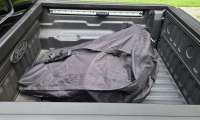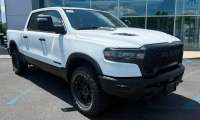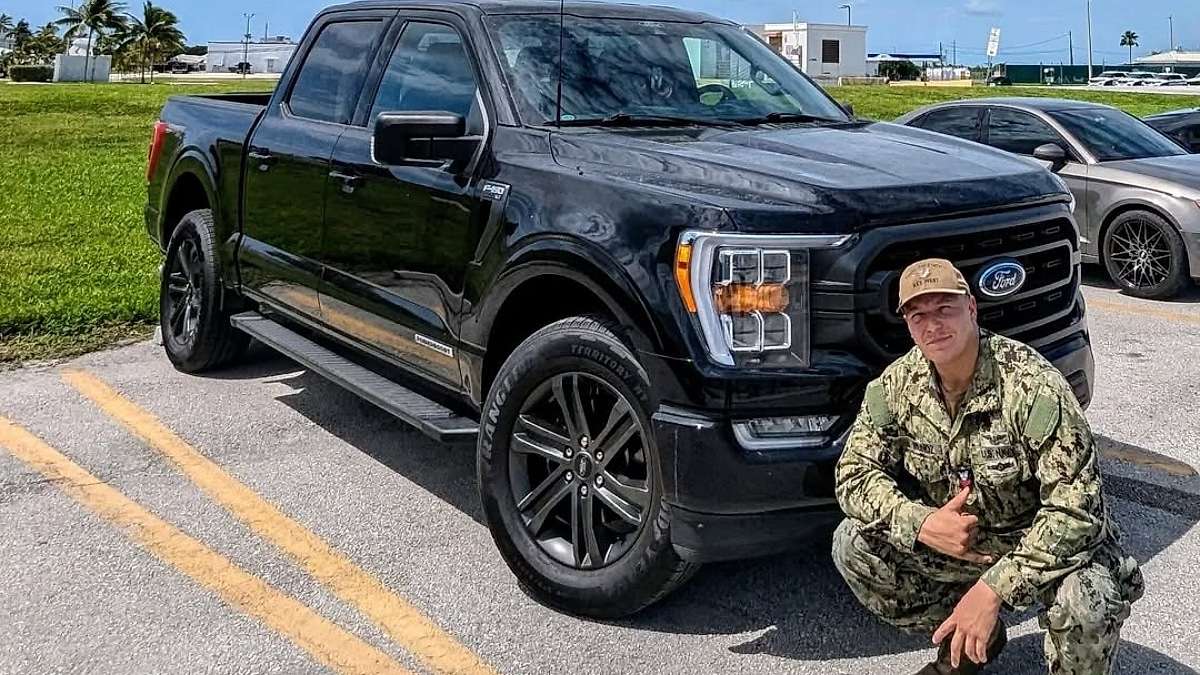

Buying a certified pre-owned truck is supposed to remove some of the anxiety that comes with purchasing a used vehicle. When buyers see Ford’s “Gold Certified” label attached to an F-150, most naturally assume the truck has already been heavily inspected and backed by warranty protection strong enough to prevent major ownership nightmares.
Contrary to what many buyers would probably expect though, Rj Muñoz recently shared an experience in the “Ford F150 PowerBoost Owners 21+” Facebook group where his 2022 Ford F-150 PowerBoost overheated on the very first drive home from the dealership. Now nearly two years later, he's facing a denied engine warranty claim tied to what Ford says is a stop leak contamination.
Here's how he described it: “Hey everyone, I'm getting desperate. I linked a post from 2 years ago from my initial problem.
I bought a Gold Certified Pre-Owned 2022 F-150 PowerBoost from Sarasota Ford. On Day 1, it overheated on the drive home. It went straight to a Ford dealer in Key West. They had it for a month and returned it to me ‘fixed,’ but it was covered in dust, the A/C was broken, and there were literally extra screws and bolts left in my cup holder instead of being reinstalled in the dash.
Sarasota Ford eventually took it back to ‘fix’ the botched repair, keeping it from Dec 18 to Jan 10 through the holidays. I thought we were good.
10 months later, the engine light came back. At the time, my wife was giving birth to our daughter and I was in the middle of a PCS move from Key West to the Hampton Roads Virginia area. I had no choice but to prioritize my family’s move. On the drive up I heard popping noises inside the dash and watched the coolant temp rise whenever I was in city traffic.
Since I had to report to my new unit, I bought a ‘98 Accord to make the commute. My wife and 7-month-old joined me 2 weeks ago. I’m currently living in a friend's guest bedroom because this truck repair is an anchor preventing us from buying a home. For the last 3 months, I’ve paid $2,300+ in payments for a truck I haven't driven a single mile.
After sitting at the dealer for 90+ days, the service manager called yesterday. He claims they found stop leak residue in the engine. He says the engine needs to be replaced, it’s NOT covered under warranty, and told me I should ‘call my insurance and let their lawyers figure it out.’
I have never put an additive in this truck. I am the second owner of a Ford Gold Certified vehicle! If there is stop leak in there, it was there when they certified it or it was put in during one of the previous Ford-authorized cooling system repairs and not by me at all!
I called Ford Corporate for a buyback, but they denied it based on FL state guidelines and told me to call back on the 14th to talk to my customer experience specialist.
My Questions for the group: Has anyone ever dealt with Ford trying to pin stop leak on a CPO owner to avoid a powertrain warranty claim? How can a truck be ‘Gold Certified’ if it has foreign residue in the engine? Ford technicians, is it even possible for stop leak to sit dormant for 10 months before causing an issue, or is the dealer just trying to get out of a $20k engine swap?
I’m a sole provider just trying to get my family into a house. I’m seriously at the end of my rope. If you read all of this thanks. Enjoy your Mother's Day weekend.”
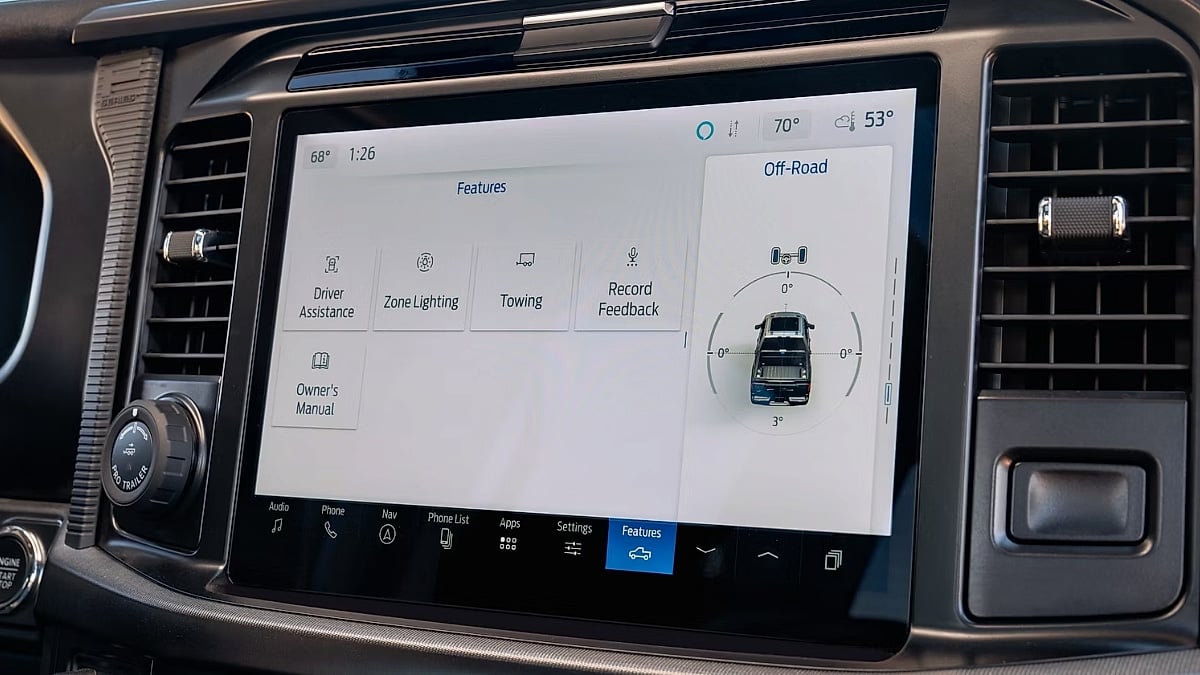
A Certified Truck That Failed Immediately
What makes this story particularly concerning is not just the cooling system issue itself but how quickly everything allegedly started going wrong. The truck overheating on the very first drive home after being sold as a Gold Certified vehicle immediately raises the kind of question most buyers would probably ask themselves: if a certified truck allegedly develops a serious cooling issue within hours of purchase, what exactly did the inspection process catch beforehand?
To be fair, no manufacturer or dealership can predict every future failure, as modern trucks are incredibly complicated machines filled with electronics, hybrid systems, sensors, cooling circuits, and software integration. Problems can still happen even on vehicles that pass inspections. But something like this is difficult to ignore because certified pre-owned programs are marketed around confidence and peace of mind.
The Ford F-150 PowerBoost itself has actually earned strong praise from many owners because of how versatile it can be. Earlier this year, I reported on how one Ford F-150 PowerBoost owner used his truck to power his house for eleven straight days after a major ice storm knocked out electricity, which perfectly highlights why so many truck buyers have embraced Ford’s hybrid pickup concept.
But hybrid systems also introduce additional complexity. When a modern hybrid truck develops cooling system issues, especially ones tied to warranty disputes and alleged contamination, repair situations can escalate very quickly.
The “Stop Leak” Claim Changed Everything
The turning point in Rj’s story came when the dealership allegedly claimed they discovered stop leak residue in the engine cooling system. For readers unfamiliar with it, stop leak is generally used as a temporary fix to help seal leaks inside cooling systems or radiators. While some drivers use it on older vehicles as a short-term solution, many technicians dislike these products because they can potentially clog cooling passages or create new issues later.
That's why this allegation matters so much. If a dealership believes an owner added a foreign substance that damaged the cooling system or engine, warranty coverage can become much more complicated. Rj is strongly disputing that claim though, arguing he never added anything to the truck himself.
Because he says the truck overheated from Day 1 and later went through multiple Ford-authorized repairs, he believes any contamination would have either existed before he purchased the truck or been introduced during one of the earlier repair attempts.
That timeline is exactly why many commenters under the post started questioning how the vehicle could have been sold as Gold Certified in the first place. And to be fair, we have seen plenty of situations here at Torque News where people don't trust dealerships, whether it's because of aggressive upsells, questionable recommendations, or repair situations that leave customers feeling stuck.
A Ford Technician Says the Situation Sounds Unusual
One of the most detailed comments came from Brian Knapp, who says he has worked as a Ford technician for nearly 15 years.
“As a Ford tech working for Ford for almost 15 years, I have never seen anything like this. I don’t know what is up with that dealership because it’s easier for them to just take care of the claim with Ford and they get paid for a large repair. This sounds like a lazy service department or manager not wanting to deal with it. I’ve never seen Ford use a cooling system sealer ever. They don’t even suggest additives be put in any fluid besides what they supply for fuel systems or whatever. I would keep going higher at Ford until they handle this issue or charge it back to the dealer who CPO’d the truck. If the sealer was there it couldn’t have been a CPO vehicle.”
Brian’s comment stood out because it came from someone claiming direct Ford dealership experience. I think his point about certification is especially important. Buyers are not simply purchasing a random used truck when they buy a Gold Certified vehicle, as they're paying extra for the idea that the truck was already thoroughly evaluated before sale. Whether Ford ultimately sides with the dealer or the owner here remains unclear, but stories like this show how quickly trust can disappear once a warranty dispute begins.
Lemon Law Protections Can Completely Change the Outcome
Another commenter, Greg Lamb, shared his own difficult PowerBoost ownership experience.
“I live in CA and everyone gives me crap for it, but when my ‘23 PowerBoost turned its transmission into glitter, the CA laws actually had my back with a full buyback minus mileage. I got a check from Ford for $36k and took that to the Chevy dealer. These PowerBoosts are a joke.”
Greg’s comment introduces another major part of this discussion that many buyers overlook. State laws do matter. Rj says Ford denied his buyback request based on Florida guidelines, while Greg claims California protections helped him secure a full buyback after his own truck failure.
That difference can dramatically shape the ownership experience. Two owners can have similarly serious mechanical problems yet end up with completely different outcomes depending on where the vehicle was purchased, registered, and repaired.
This also is not the first time the PowerBoost platform has generated concerning owner reports. We have previously analyzed here at Torque News how one 2022 Ford F-150 PowerBoost owner described a frightening uncontrolled acceleration and braking incident, which further shows how emotionally intense these ownership experiences can become when drivers lose confidence in the vehicle.
Not every comment under the post focused specifically on Ford. Instead, Travis Grisham focused on the dealership experience itself.
“I think the key thing you need to take away from this is not to buy a vehicle from the dealership.”
That's obviously a broad statement, and I personally don't think every dealership deserves to be grouped together. There are excellent dealers that genuinely advocate for customers and work hard to resolve difficult repairs, but I also think Travis’ frustration reflects a growing problem within the modern automotive industry.
As vehicles become more expensive and technologically advanced, buyers are relying more heavily on dealer networks after the sale. When major repair disputes happen, many owners no longer know whether the dealership, manufacturer, or warranty administrator is truly on their side.
For Rj, this is no longer simply about a warning light or repair inconvenience since he's paying monthly payments on a truck he cannot drive while temporarily living with family and friends during a major move. That kind of pressure changes how owners view both the vehicle and the brand behind it.
Hybrid Truck Ownership Is Entering a New Phase
The F-150 PowerBoost remains one of the most interesting trucks on the market because it blends traditional truck capability with hybrid efficiency and backup power functionality.
But stories like this also show how modern truck ownership is changing. Years ago, many truck repairs were mechanical enough that owners or local shops could diagnose them fairly quickly. Today, hybrid trucks involve cooling systems, software integration, electrical systems, battery management, turbocharging, and advanced diagnostics all working together.
This complexity can become especially important once warranty questions arise. Torque News has also previously covered how another 2022 Ford F-150 PowerBoost owner began facing hybrid battery issues shortly after the 100,000-mile warranty expired, showing that long-term ownership costs remain one of the biggest unanswered questions surrounding hybrid trucks overall.
That doesn't mean the PowerBoost is a bad truck, because many owners still love them. It's just that stories like these remind buyers that modern hybrid trucks require strong dealer support systems once problems begin.
I think what makes Rj’s story resonate with so many readers is that it touches multiple fears buyers already have about modern vehicle ownership. People can accept that machines sometimes break, but what becomes much harder to accept is when a supposedly certified vehicle allegedly develops issues immediately, spends months at dealerships, and eventually turns into a dispute over who is financially responsible.
The PowerBoost itself is genuinely innovative, but stories like this show that trust in the support system behind the truck may matter just as much as the engineering itself.
Key Takeaways for Readers
- Certified pre-owned does not mean guaranteed problem-free. Buyers should still ask for service history, repair documentation, and inspection records before purchasing any used vehicle.
- Overheating issues should never be ignored on modern hybrid trucks. Cooling systems now play a major role in overall vehicle operation, especially on hybrid platforms like the PowerBoost.
- Documentation becomes critical during warranty disputes. Owners should keep every repair order, dealership communication, diagnostic report, and service invoice from the very beginning.
- State lemon law and buyback protections can dramatically affect the outcome. Two owners with similar vehicle problems may end up with completely different results depending on local consumer protection laws.
Join the Conversation
Do you think Ford should cover a repair like this if the owner truly never added stop leak to the cooling system himself?
And have you ever bought a certified pre-owned vehicle that developed major problems shortly after purchase, and did the dealership actually stand behind it when things went wrong?
We'd love to hear from you in our comments below.
About The Author
Aram Krajekian is a young automotive journalist bringing a fresh and analytical perspective to the evolving automotive landscape by reporting on real-world ownership experiences and providing industry analysis. Based in North Carolina, he covers electric vehicles, trucks, and broader automotive trends with a focus on contributing a balanced evaluation. His reporting cuts through brand bias to provide readers with grounded insight into how vehicles perform for everyday drivers beyond marketing narratives.
Aram can be reached on X and LinkedIn for ongoing automotive coverage.
Image Credits
The “Ford F150 PowerBoost Owners 21+” Facebook group and Ford’s gallery, respectively.
Set Torque News as Preferred Source on Google
Follow us today...