

Winter weather can be extremely harsh and can expose how much we rely on the operation of our electric grid to keep many aspects of modern society functioning. A lack of electricity leaves us with refrigeration that cannot function, heating that will no longer heat our homes, and loss of Internet connectivity and communication services. Furthermore, ice storms tend to leave communities without electricity for extended periods of time while also creating hazardous road conditions and reducing access to fuel. As such, it's often during these times that residents will discover if they have realistic plans or simply theoretical ones for when the grid fails.
That reality set in quickly for Robert Ott after a major ice storm swept through the majority of the Southeast recently. He shared his experience in the “Ford F150 PowerBoost Owners 21+” Facebook group, explaining how his home lost power early in the morning and stayed dark for more than a week.
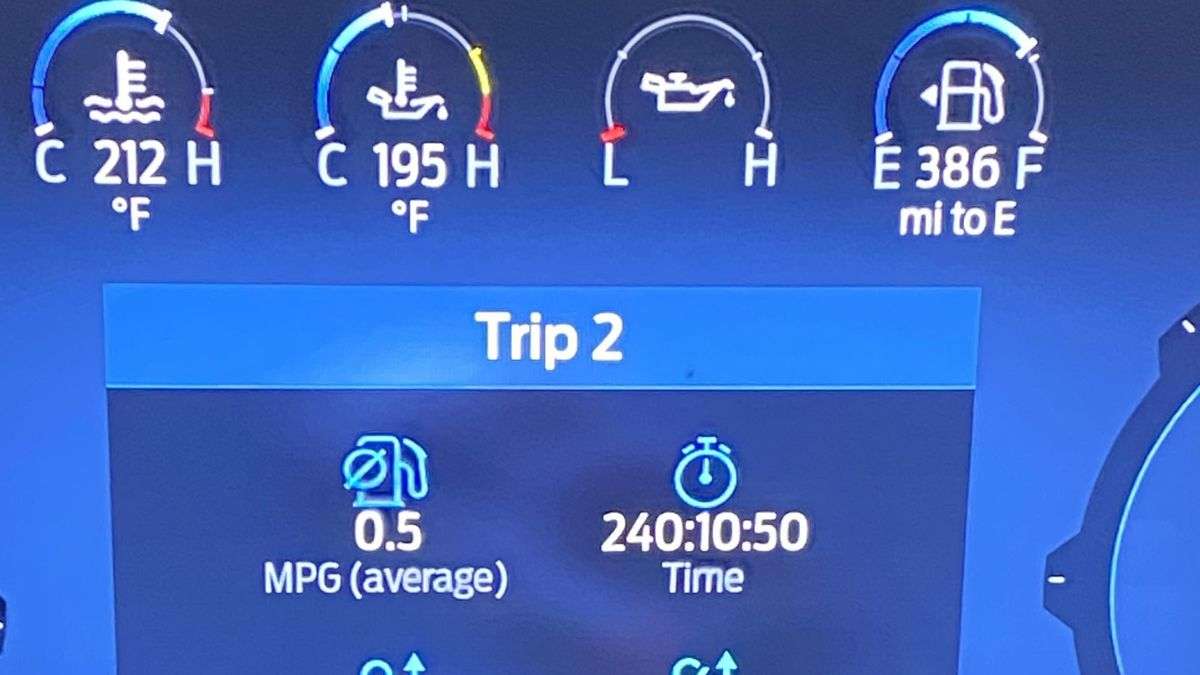
Here is how Robert described it in his own words: “Nashville had a big ice storm ten days ago. We lost power at about 5:30 a.m. on 1/25. Ten days ago, around 10:00 a.m. I plugged in a bunch of extension cords and put my F-150 in Generator Mode. For eleven days, I ran two full-size refrigerator/freezers, tankless water heater, Wi-Fi and internet, TV, and a space heater. We finally got power back today.”
What distinguished Robert's experience was that it wasn't simply the duration of the power outage. In addition, his Ford F-150 rapidly evolved into the most important piece of equipment supporting his home's function as a residence, helping to preserve perishable food items, prevent pipe damage from frozen water, and provide some level of comfort until the electric utility restored service to the community at large.
A Truck Becomes Emergency Equipment
Many truck buyers are familiar with specs such as towing capacity, payload ratings, and horsepower. These specifications are important, but this story also tells us about another type of capability that isn't seen on your window sticker. The ability to operate a generator for extended periods makes a truck a lot more useful in an emergency than most other vehicles.
Ford’s approach to onboard power has been gaining attention as more owners experience real-world scenarios where it is not just convenient but essential. That broader reputation is part of why the F-150 continues to dominate conversations about full-size trucks, including debates around why a well-respected publication calls the Ford F-150 the best truck for the money. Moments like Robert’s ice storm experience help explain why those claims resonate with so many owners.
Real World Load, Real World Results
Running two full size refrigerator/freezer units alone during a power outage is quite a chore. Now add in a tankless water heater, your internet equipment, TV, and a space heater to get an idea of how much electrical load you're talking about. This wasn't a short test or even a controlled test for that matter. It was a near eleven days straight run under unknown conditions, which makes it all the more impressive.
Plus, that level of consistent load is an area in which most backup systems fail. A portable generator requires continuous maintenance with regular refueling, proper load management, and regular check-ups for general maintenance. As opposed to a portable generator, a truck-based system combines the elements of fuel storage, power generation, and mobility together as one unit. It's also important to note, many vehicle owners have a history of trusting their vehicles to withstand the demands of mechanical stress (i.e., hauling equipment) and/or long-term use on a daily basis, so it's a logical extension of their vehicle's normal operational duties to rely upon it during emergency situations.
What Other Owners Had to Say
Robert’s post quickly drew responses from other owners who had relied on their trucks during similar outages, adding depth and perspective to the conversation.
Nathan Edwards shared a particularly demanding scenario from Northern Michigan: “I did 13 days straight here in Northern Michigan last April when we had a 3-day ice storm that knocked out power to almost the top half of the Mitten state. No gas was available for over 100 miles and several days. I powered my entire house’s main panel with my 7.2 kw Power Boost and have a manual mechanical interlock and 30-amp breaker set up. I had 2 sump pumps running under my house also and the truck handled it great. Used 7-8 gallons a day in gas because of the high load with a 1/2 HP and 1/3 HP pump starting and stopping every 50 seconds or so. I love this truck! This is my 2nd PowerBoost. I had one of the first ones in 2021 and it was nearly flawless except for the max tow rear axle bolt break issues.”
Nathan’s post is useful to readers as he includes a few important practical considerations. Specifically, the interlock setup and dedicated breaker allow owners to safely power additional appliances beyond a couple, while his example of actual fuel consumption illustrates what might occur during heavy load use, where pumps are continuously cycling.
Robert Freeman offered a shorter but telling comparison from north Louisiana: “I did the same in north Louisiana for 6 days. I burned less than a 1/4 tank per 24 hours.”
That is the kind of detail that helps readers picture what this looks like day to day. Not every home load is the same, but the takeaway is clear. For many owners, this is not a five-minute novelty, but it's something that can be sustained.
Not everyone was immediately convinced. Adamm Jarvis questioned the takeaway: “Not enough information posted to determine if this is good or bad.”
Ryan Squire responded with some clarifying commentary: "Temperature was sub zero, so it saved his life or at least saved him $300 a night for a hotel room plus damage to the plumbing in the house. Definitely not bad.”
That conversation exemplifies a lot of things you'll see with owner communities as well. The narrative itself may sound like a bragging point, but it's easy to forget what an actual winter outage means. Avoiding frozen pipes and maintaining the house as a living space distinguishes a somewhat stressful week from a total disaster.
Why These Stories Matter Beyond Emergencies
Extreme examples of ice storms and prolonged power outages reveal an even harsher reality when it comes to owning vehicles in real-life conditions. Vehicles that consistently operate during those extreme events generally build the trust with their owners that will ultimately influence a decision to purchase based on performance and reliability over time.
At the same time, real-world ownership stories are never one-directional. Some experiences build trust, while others chip away at it, like cases that raise questions about durability and cost when people dig into why a 245,000 mile F-150 owner was done with Ford after repeated engine failures. Put together, these stories create a fuller picture for shoppers who are trying to separate internet noise from patterns that actually matter.
Performance impressions also shape how confident someone feels with a truck long before a storm ever hits. You see that mindset in posts where an owner gets surprised by how a truck behaves under throttle, such as when a 2025 Ford F-150 STX test drive completely changed one buyer’s expectations. Those are different kinds of moments, but they share the same core theme. Trust builds when the truck consistently does what the owner expects.
That's why I believe Robert's story is a reminder that capability isn't necessarily defined by the largest number of specifications on a spec sheet. The most meaningful features can be those you never anticipated using until a storm actually happens. A "nice to have" feature during a normal day could potentially be the factor in keeping your family comfortable and/or preventing your home from being damaged if the power grid went out.
To me, that is where the F-150’s appeal keeps expanding. The F-150 will continue to be a vehicle people purchase for their job, towing needs, and daily driving. However, more owners see that the F-150 may also provide a quiet secondary source of energy support during times of uncertainty in life. That is not a sales pitch, but a legitimate value proposition that was made apparent by this eleven-day power outage.
Key Takeaways for Readers
• Preparation: Long outages are rarely convenient and often become far more expensive than people anticipate.
• Real-world load handling: Powering a single refrigerator is one thing, but supporting multiple household essentials for days is a completely different challenge.
• Fuel planning: Access can disappear quickly when roads are iced over, stations are closed, and deliveries are delayed.
• Context: The value of backup power becomes much clearer once you factor in frozen pipes, hotel costs, and overall safety.
• Ownership stories: Real experiences help buyers understand what capability looks like outside of marketing language.
What Do You Think?
If you have been through a long winter power outage, what did you rely on to keep your home running, and what would you do differently next time?
And if you have used your truck’s onboard power during a storm, did it change how you think about what a pickup is actually worth to live with day to day?
Let us know of your experiences in the comments below.
Aram Krajekian is a young automotive journalist bringing a fresh perspective to his coverage of the evolving automotive landscape. Follow Aram on X and LinkedIn for daily news coverage about cars.
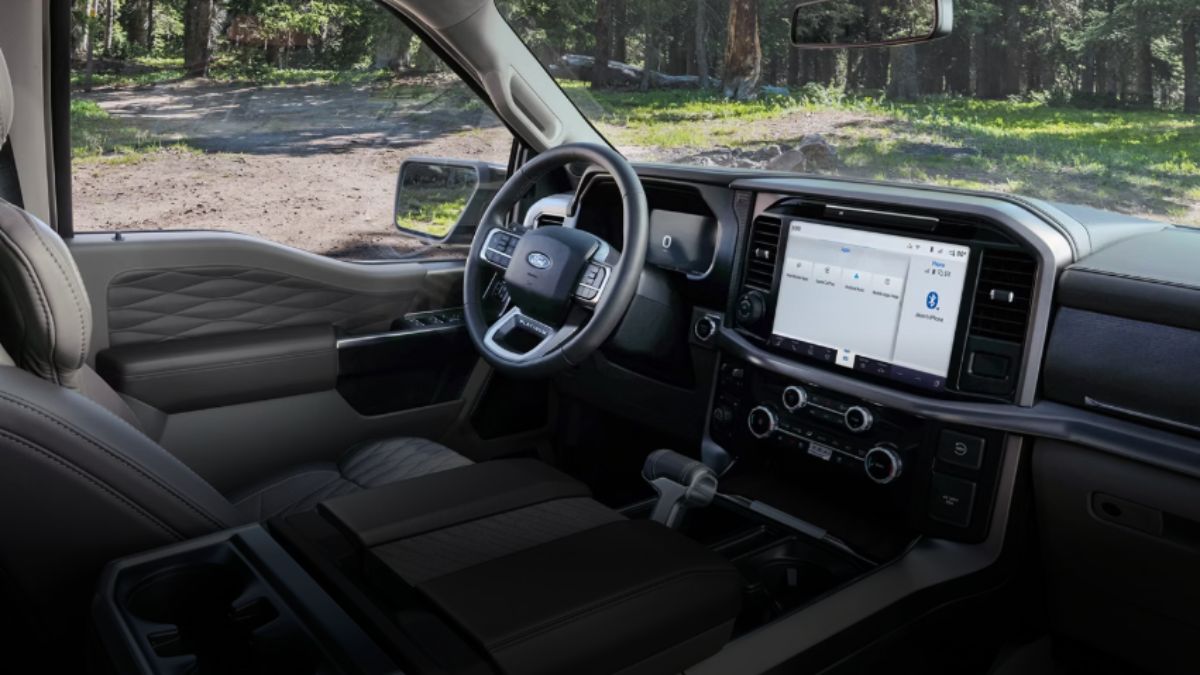
Image sources: The “Ford F150 PowerBoost Owners 21+” Facebook group and Ford’s gallery, respectively.
Set Torque News as Preferred Source on Google
Follow us today...




Comments
My father-in-law did the…
Permalink
My father-in-law did the exact same thing...with a nine-hundred dollar emergency generator. How much did the truck cost?