
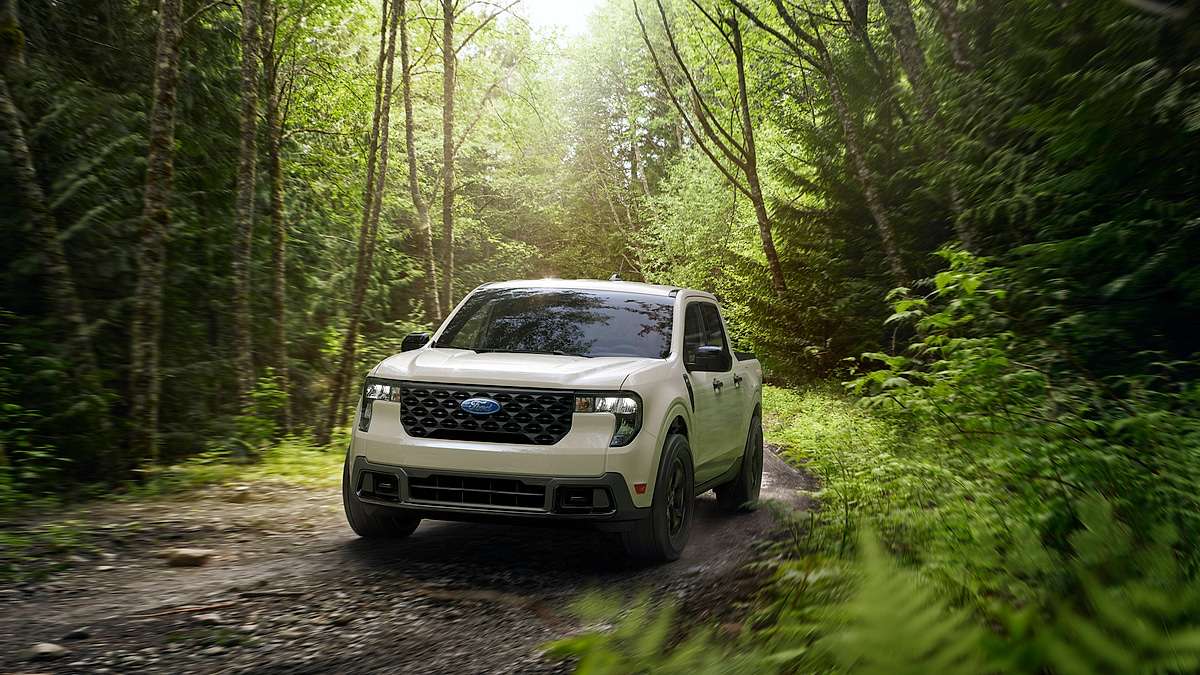

Rick Goldberg, a new 2025 Ford Maverick Hybrid XLT FWD owner, recently completed a 2,500-mile round trip from Michigan to Florida, reporting highway fuel economy figures of 32 MPG southbound and 34 MPG northbound. While he found the ride "surprisingly comfortable" and city driving in Florida yielded a more respectable 39 MPG, the highway numbers fall short of the 37 MPG combined EPA estimate for the FWD hybrid Maverick, especially considering the 40 MPG highway rating. This discrepancy points to a persistent gap between laboratory testing and real-world long-haul performance.
This road trip highlights fundamental expectations buyers have for hybrid vehicles, particularly those marketed on efficiency. When a hybrid pickup, even a compact one, struggles to consistently hit its EPA highway rating under normal driving conditions, it forces a re-evaluation of what "hybrid efficiency" truly means for consumers planning long journeys. The promise of hybrid technology often implies significant gains across all driving cycles, but for many Maverick owners, sustained highway speeds appear to be the Achilles' heel.
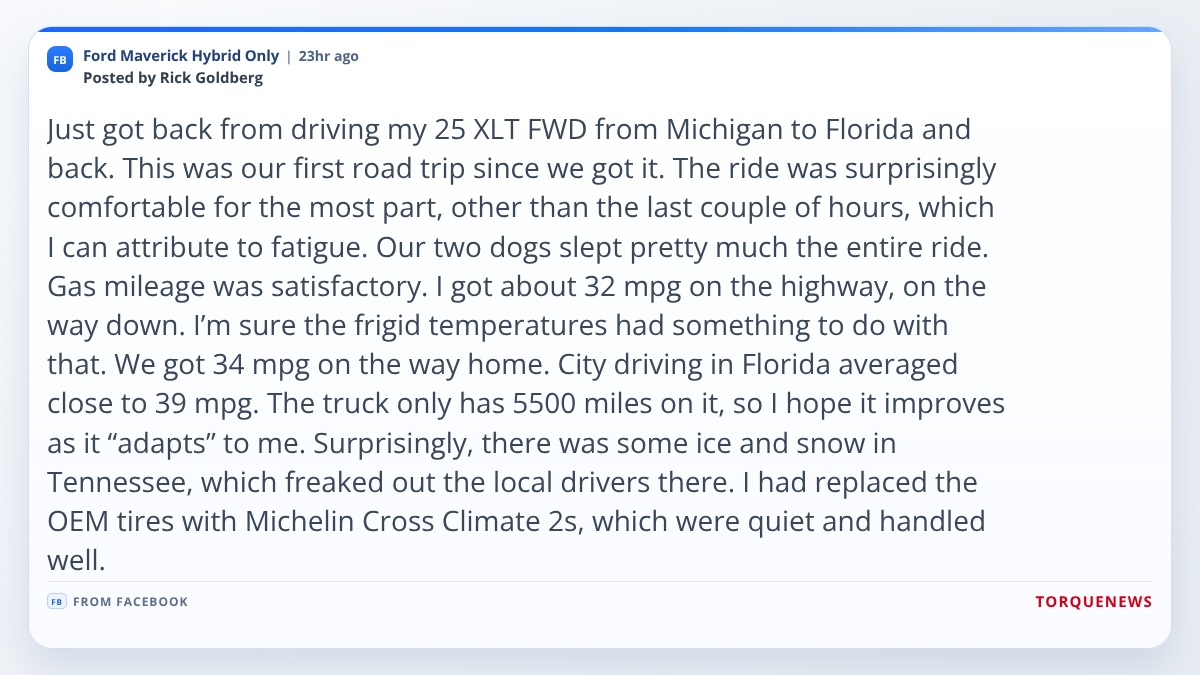
"Just got back from driving my 25 XLT FWD from Michigan to Florida and back. This was our first road trip since we got it. The ride was surprisingly comfortable for the most part, other than the last couple of hours, which I can attribute to fatigue. Our two dogs slept pretty much the entire ride. Gas mileage was satisfactory. I got about 32 mpg on the highway, on the way down. I’m sure the frigid temperatures had something to do with that. We got 34 mpg on the way home. City driving in Florida averaged close to 39 mpg. The truck only has 5500 miles on it, so I hope it improves as it “adapts” to me. Surprisingly, there was some ice and snow in Tennessee, which freaked out the local drivers there. I had replaced the OEM tires with Michelin Cross Climate 2s, which were quiet and handled well."
The Maverick Hybrid's highway efficiency is critically sensitive to the driver's willingness to sacrifice speed to achieve advertised economy. The Maverick Hybrid's powertrain, which excels in stop-and-go city traffic by maximizing electric assist and regenerative braking, loses much of its advantage when the engine is running continuously at higher speeds. The "frigid temperatures" Goldberg mentions for his southbound trip certainly play a role, as cold weather negatively impacts battery performance and engine efficiency, but even the 34 MPG northbound figure remains below the advertised 40 MPG highway.
Ford Maverick Hybrid: Real-World Highway Efficiency Challenges
- The 2025 Ford Maverick Hybrid XLT FWD carries an EPA rating of 40 MPG highway, 33 MPG city, and 37 MPG combined. Maverick owners report real-world highway fuel economy often falls into the 32-34 MPG range during long trips.
- This discrepancy is primarily attributed to the hybrid powertrain's reduced efficiency at sustained higher speeds, where the internal combustion engine operates more continuously, and the electric motor's contribution is less pronounced. Cold weather and higher average speeds further exacerbate this effect.
- The Maverick Hybrid's 2.5-liter Atkinson-cycle four-cylinder engine combined with an electric motor produces a total of 191 horsepower, routing power through a continuously variable transmission (CVT). This setup is optimized for city driving, where it can maximize regenerative braking and electric-only propulsion.
- While city driving often sees owners exceeding EPA estimates, with some reporting 50+ MPG, the challenge lies in matching the 40 MPG highway figure without significantly reducing cruising speeds or encountering ideal environmental conditions.
This isn't a new phenomenon. The physics of hybrid powertrains dictate that their efficiency gains diminish significantly at sustained highway speeds, where the internal combustion engine is the primary power source and the electric motor provides less frequent assistance. The question isn't whether the Maverick can achieve 40 MPG highway, but rather under what conditions it can, and if those conditions are representative of how most owners actually drive on long trips.
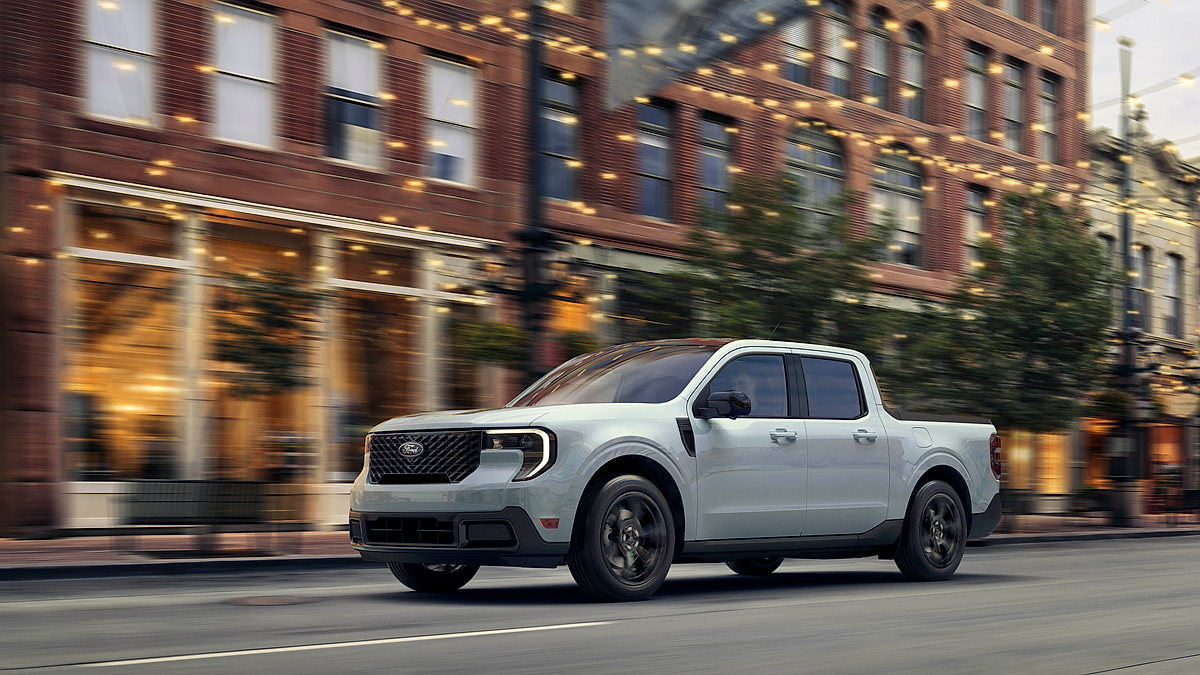
The comments section confirms that Goldberg's experience is not an outlier, but rather a consistent pattern for Maverick Hybrid owners. Dean Craig, who owns a 2025 XLT AWD with the 4K towing package and has put 15,000 miles on his truck with two Michigan-Florida round trips, echoes the sentiment: "Highway really depends on how fast you want to go. It's really hard to go as fast as everyone else and get much above 32." This observation cuts directly to the core of the issue. Goldberg's 32-34 MPG highway figures, while not disastrous, show the EPA cycle is a laboratory test, not a real-world simulation of interstate cruising.
Craig's 38 MPG average, boosted by "50+" MPG in Florida city driving, shows the hybrid system's strength where it matters most: low-speed urban environments. However, the concession that drivers must make to stay "much above 32" MPG on the highway suggests that maintaining typical interstate speeds, often 75-80 MPH in many states, pushes the Maverick Hybrid out of its optimal efficiency window. This creates a disconnect between the expectation of a 40 MPG highway vehicle and the reality of needing to drive below the flow of traffic to achieve it.
Beyond the core fuel economy discussion, Goldberg's additional comments on his aftermarket tonneau cover and dash mat offer practical insights for other Maverick owners. His tonneau cover, while not perfectly watertight in a "heaviest downpour," provided sufficient security and dryness for most conditions. This is a common trade-off with aftermarket covers, where perfect sealing is often elusive. The "Mabett silicone dash cover" also proved its worth by reducing glare and potentially protecting the vinyl dash from sun exposure, despite a minor fitment issue. These are the small, real-world details that often go unaddressed in official reviews but matter immensely to owners living with these vehicles daily.
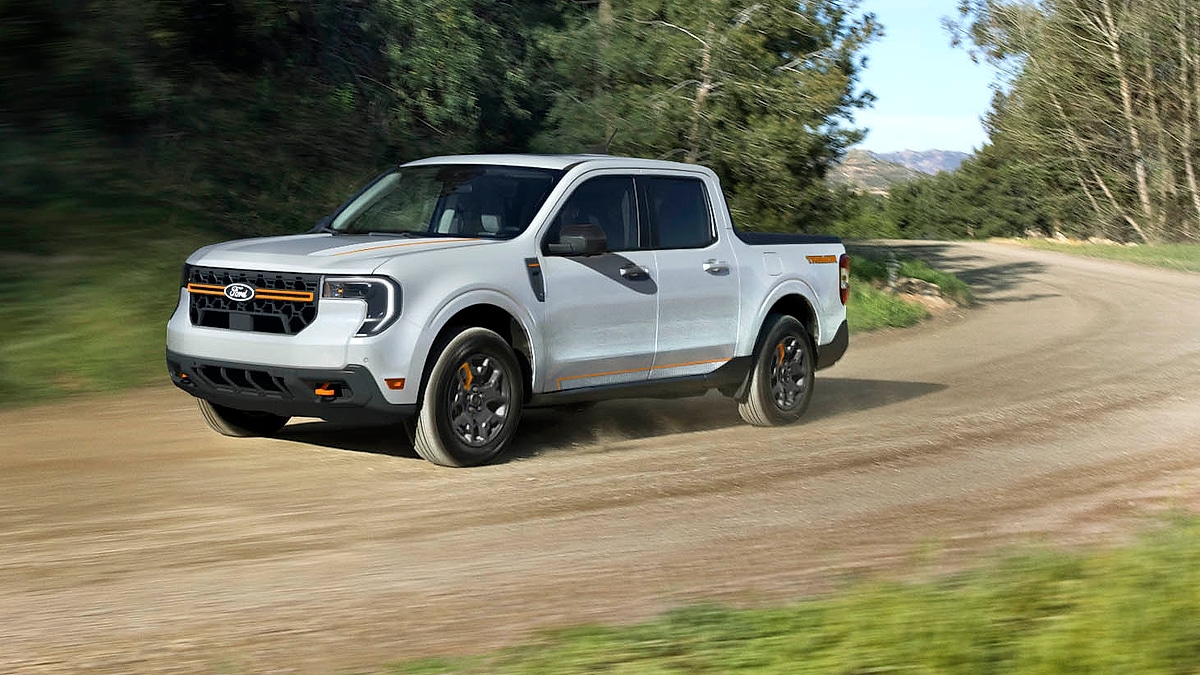
The Ford Maverick Hybrid remains a compelling package for its size, utility, and urban fuel economy. However, owners must understand that its EPA highway rating of 40 MPG is an aspirational figure, heavily dependent on driving conditions and, crucially, driving speed. For those contemplating long highway hauls at typical interstate speeds, the real-world expectation should be closer to the 32-34 MPG range reported by owners like Rick Goldberg and Dean Craig. Ford markets the Maverick Hybrid as a versatile, efficient truck, and it largely delivers, but buyers should temper their expectations for its long-distance highway performance, especially if they plan to keep pace with traffic.
Is the Ford Maverick one of the best-value vehicles on the market, or are there better small pickup trucks buyers should consider?
Share your thoughts in the comments below.
Image Sources: Ford Media Center
About The Author
Noah Washington is an automotive journalist based in Atlanta, Georgia, covering sports cars, luxury vehicles, and performance culture. His reporting focuses on explaining the engineering, design philosophy, and real-world ownership experience behind modern vehicles.
Noah has been immersed in the automotive world since his early teens, attending industry events and following the enthusiast communities that shape how cars are built and driven today. His work blends industry insight with enthusiastic storytelling, helping readers understand not just what a car is, but why it matters.
Noah is also a member of the Southeast Automotive Media Association (SAMA), a professional organization for automotive journalists and industry media in the Southeast.
His coverage regularly explores sports cars, luxury vehicles, and performance-driven segments of the automotive industry, including the evolving culture surrounding Formula Drift and enthusiast builds.
Read more of Noah's work on his author profile page.
You can also follow Noah here:
Set Torque News as Preferred Source on Google
Follow us today...




Comments
The author of this article…
Permalink
The author of this article has a basic fact exactly backwards. While he correctly acknowledges that hybrids get better city than highway EPA ratings, he repeatedly says the Maverick’s EPA highway rating is 40mpg. That’s actually the Maverick’s city rating. The EPA’s highway rating for the Maverick is 34mpg, which means the Florida drive was right on par for a new truck. Mavs tend to get slightly better mileage after the first 4000 miles.