
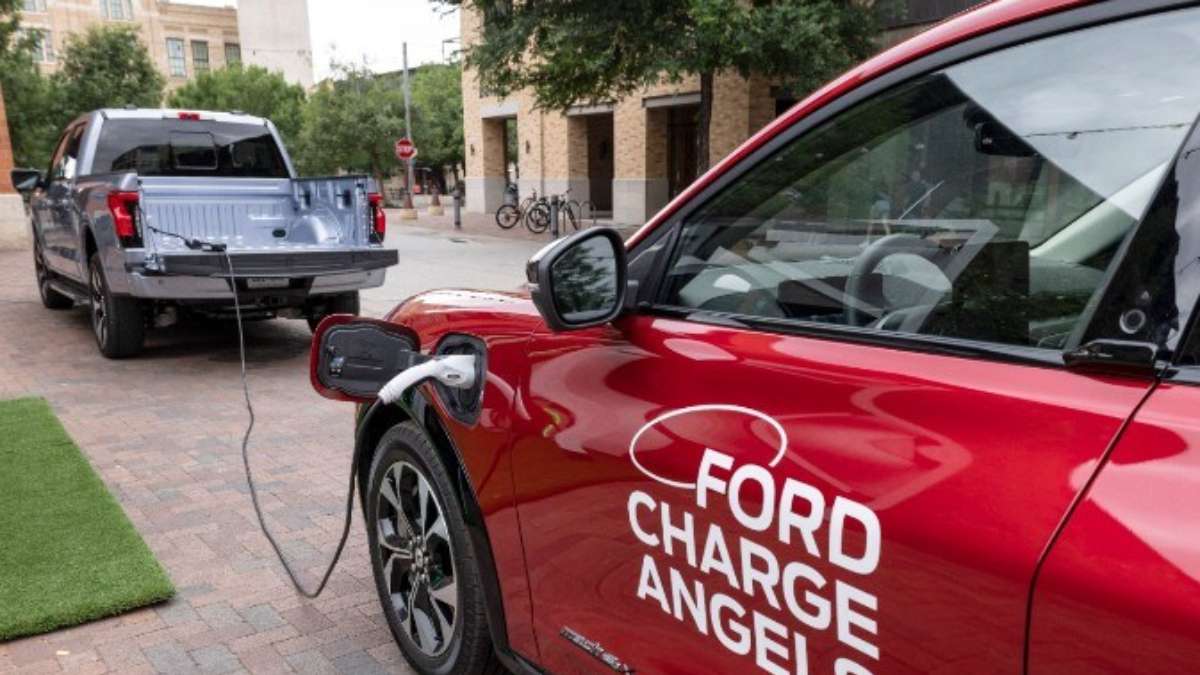

A Ford F-150 Lightning Standard Range owner, who has put 30,000 miles on his truck since April 2023, recently detailed a 110-mile drive that left him with just 12% battery from an 80% start.
This 68% battery depletion for a relatively short distance, combined with a previous 220-mile round trip through Idaho that induced "major range anxiety," points directly to the inherent limitations of the Standard Range battery when pushed beyond daily commuting. The core problem is that Ford sells a truck designed for heavy use with a battery pack that struggles to meet even moderate demands outside of ideal conditions.
The issue extends beyond one owner's experience; it is a fundamental mismatch between consumer expectations for a full-size pickup and the real-world capabilities of the F-150 Lightning's smaller battery option. Manufacturers are quick to tout the benefits of EV ownership, such as lower operating costs and instant torque.
However, they often downplay the compromises in range, especially when towing or operating in challenging environments. This particular owner’s experience shows the tightrope many EV truck buyers walk, balancing daily convenience against the realities of long-distance or heavy-duty use.
“Did a thousand-mile round trip last month, all EA chargers with the Ea plan. Added a couple of hours to the trip, whereas the same trip with kids would've been an hour longer than driving straight through, which is not possible for 500 miles. So overall not much wasted time, plus we weremore relaxed when we arrived. It was nice stopping often.
I wish I had the ER through, now that it's my primary vehicle. Last night drove 110 miles from an EA charger to home, left at 80%, and arrived with 12%. It's a little nerve-racking having such a small range to travel with. But as I said, it's manageable.
I have a Jayco camping trailer. 2023 and 2024 took it out a handful of times. Always seem to get 1mi/kWh. So I plan to get about 80 miles between stops. One time, I hit headwind and got 0.6mi/kWh. That was never racking thinking I couldn't make 80 miles. Luckily, there was a stop before home.
Advertising
I'm in Idaho, and there are some places in the middle of the state with literally no charging, kind of a bummer that those are off limits. Tried it once, 220-mile round trip. 100-110 miles between charging stops, closest one available. That was major range anxiety. Don't think I'll test my luck again with that.
Overall, very happy with my F-150 Lightning, it's comfortable and quiet and well refined. No squeaks or rattles, build quality is great. Frunk is super handy and used all the time. And most of all, it's cheap to operate. Not going to a gas station over the past three years has been amazing. I never thought going to a gas station was cumbersome. Only takes a few minutes to fill up, but now not having to go to one at all. Over the course of several years. It feels really good. Not having to do any oil changes has been great as well. The only maintenance I've done is I put new tires on it this year. Made it to about 27,000 mi. It could have made it to 30,000.”
The owner, jturkish, shows a critical point: the Standard Range Lightning, while adequate for daily driving and local errands, quickly becomes a liability when pressed into service as a primary vehicle for longer trips or towing. The 110-mile drive consuming 68% of the battery demonstrates that EPA estimates are often best-case scenarios, and real-world conditions, even without towing, can severely impact usable range. This isn't a flaw in the truck's engineering as much as it is a fundamental limitation of battery chemistry and the sheer energy required to move a full-size pickup.
Ford F-150 Lightning: Standard Range Realities
- The F-150 Lightning Standard Range (SR) features a 98 kWh usable battery pack, providing an EPA-estimated range of 240 miles, a figure rarely achieved in real-world driving conditions, especially with cargo or in adverse weather.
- Towing a camping trailer, as reported by the owner, can reduce efficiency to 1 mi/kWh or less, translating to an effective towing range of under 100 miles, requiring frequent and often inconvenient charging stops.
- The Extended Range (ER) model offers a 131 kWh usable battery, increasing EPA range to 320 miles, a 33% improvement that still faces significant reductions under heavy load or in cold climates.
- Owners like jturkish shows critical gaps in charging infrastructure, particularly in rural states like Idaho, where long stretches between fast chargers can render certain routes "off limits" for EV trucks.
The situation becomes even more precarious when towing. jturkish's consistent 1 mi/kWh towing a Jayco camping trailer means a full 98 kWh Standard Range battery (gross, not usable) translates to roughly 98 miles of towing range. A headwind dropping that to 0.6 mi/kWh slashes the effective range to under 60 miles. This isn't "manageable" for a truck designed to haul; it's a severe restriction that forces owners into constant charger hunting and route planning, turning what should be a relaxing trip into a stressful exercise in battery management.
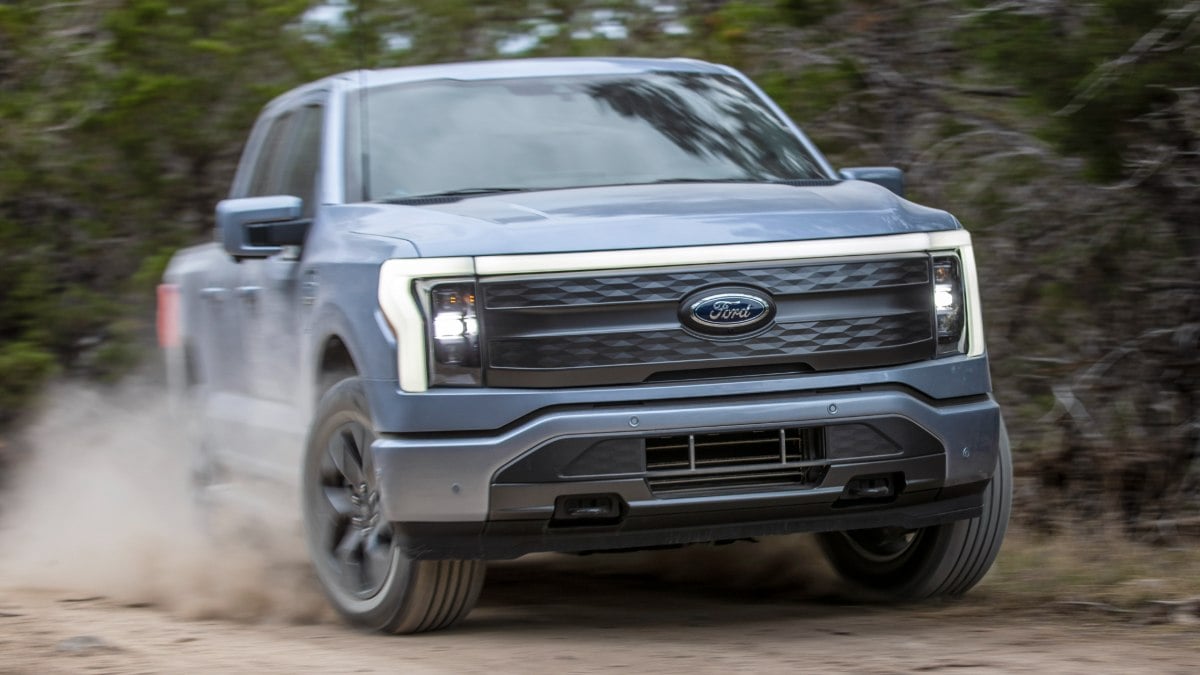
This is where the industry's marketing often diverges from reality. While the "cheap to operate" and "no gas station" benefits are tangible, they come with significant caveats for specific use cases. The convenience of home charging for daily commutes is undeniable, but it doesn't solve the problem of a sparse charging infrastructure in places like rural Idaho or the rapid depletion rates when towing a substantial load.
Reddit user u/The_Brightness, who owns a 2024 Flash model, responded to jturkish's post, offering a perspective that reveals the Standard Range's limitations:
"When ICE owners talk about range, and I tell them I've wasted less time charging than they have fueling, I certainly get a strange look. We road trip 2-3 times a year, but I drive to work every day and charge at home. However, an SR would be a tough road tripper. Even with an ER, if I had a trailer to tow occasionally, I'd probably have an ICE truck for that and an electric car for the other times."
u/The_Brightness correctly identifies that the Standard Range is a tough road tripper, and even an Extended Range model might not be sufficient for frequent towing. His suggestion of owning an ICE truck specifically for towing, alongside an electric car for daily use, is a practical but expensive admission that current EV truck technology, even with the larger battery, isn't a one-size-fits-all solution for traditional truck buyers. This dual-vehicle approach negates much of the "cheap to operate" argument for those who genuinely need a truck for diverse tasks.
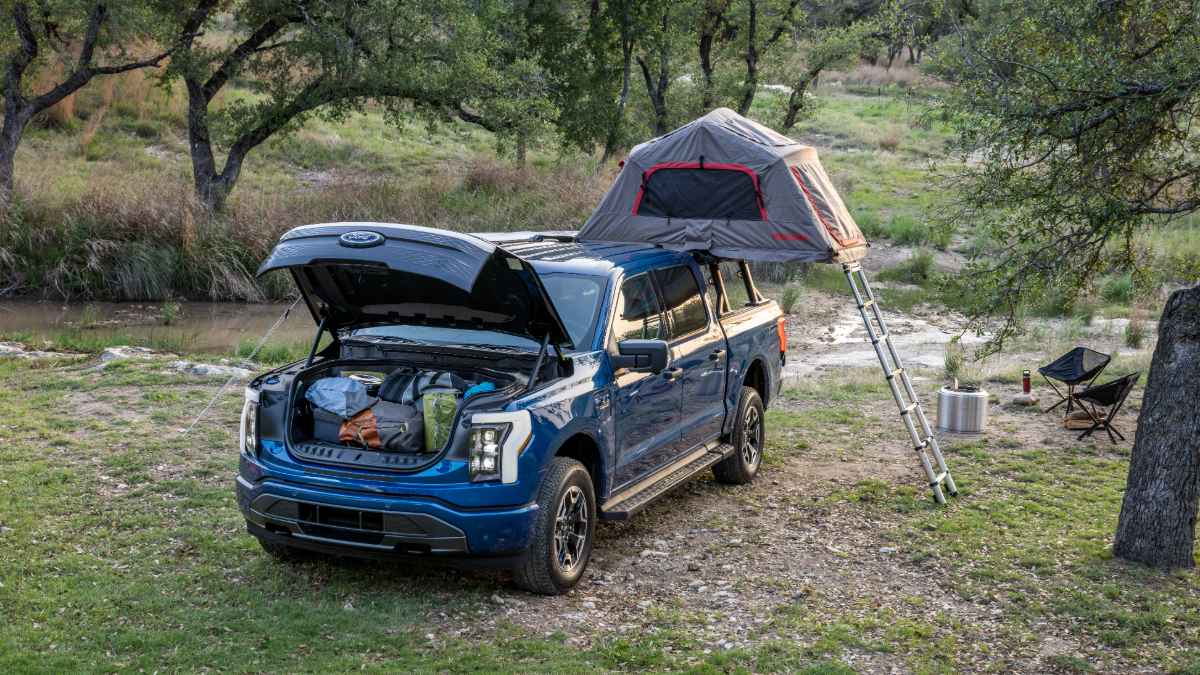
The fact that Jturkish is "very happy" with the Lightning for its comfort, quietness, build quality, and frunk utility, while simultaneously lamenting the range and charging infrastructure, paints a clear picture. Ford has built a competent electric truck for specific scenarios, but it falls short of the versatility expected from an F-150. The low operating costs are a significant draw, but they cannot compensate for the anxiety and logistical challenges imposed by inadequate range and charging availability for anything beyond local, untaxing duties.
The F-150 Lightning Standard Range, despite its merits as a daily driver, is not a true replacement for a conventional full-size pickup for anyone who regularly tows, takes long road trips, or lives in areas with limited charging infrastructure. Ford knows this, and the existence of the Extended Range option is proof. But by offering a Standard Range model that struggles with fundamental truck tasks, Ford risks alienating buyers who expect more from the F-150 badge. The "cheap to operate" mantra rings hollow when the truck can't reliably perform the duties it was ostensibly built for, forcing owners to either limit their usage or consider a second, gasoline-powered vehicle.
Image Sources: Ford Media Center.
About The Author
Noah Washington is an automotive journalist based in Atlanta, Georgia. He enjoys covering the latest news in the automotive industry and conducting reviews on the latest cars. He has been in the automotive industry since 15 years old and has been featured in prominent automotive news sites. You can reach him on X and LinkedIn for tips and to follow his automotive coverage.
Set Torque News as Preferred Source on Google
Follow us today...




Comments
Wow. What a hatchet piece. …
Permalink
Wow. What a hatchet piece. I own a Lightning and I've never had range anxiety, and it actually out classes it's gas counterpart.Weird huh? I guess now you can write another article based on one mans experience.