
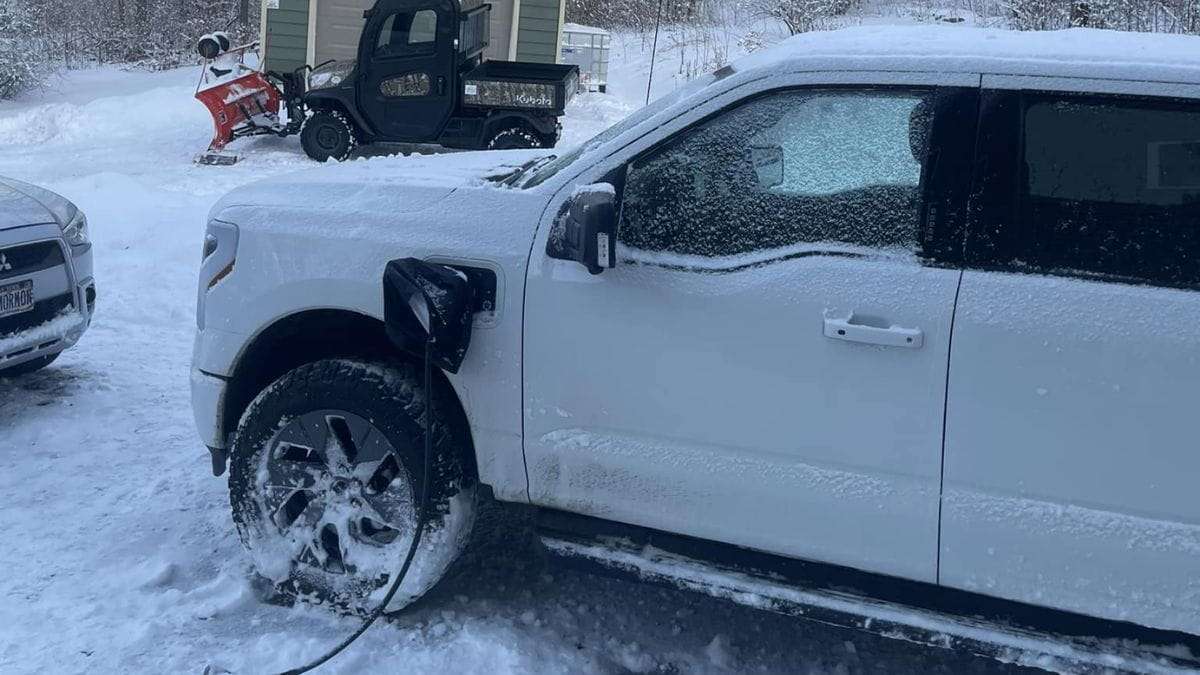

There is no shortage of debate when it comes to electric trucks and winter driving. Cold weather tends to magnify every concern skeptics already have from reduced range to longer charging times and overall usability once temperatures drop. Online discussions often frame winter as the ultimate stress test for EV ownership, especially for full-size pickups expected to handle harsh conditions without compromise. But as more owners rack up real-world experience, a more balanced story is starting to emerge.
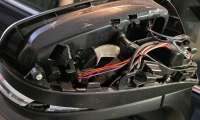
That perspective came into focus after I came across a post in the “Ford F150 Lightning EV Enthusiasts” Facebook group shared by WJ Perry. Instead of highlighting a flaw or frustration, WJ offered a grounded, lifestyle-based take on Ford F-150 winter ownership that cuts through a lot of the noise. His experience does not deny that cold weather affects range. Instead, it reframes the conversation around how the truck is actually used day to day.
“I see people complaining about range in the winter, but if you drive within 100-mile radius of your house as I do, the Ford F-150 Lightning is bulletproof in the winter. The cabin heats faster than any truck I’ve ever had, and it’s excellent in any kind of rain, snow, or ice. Yes, the range suffers in the winter, but it’s all about your lifestyle. This is the most comfortable vehicle I’ve ever had in the winter. I run everything in it including the heated seats and heated steering wheel and whatever I can, but I also plug in every time I come home. For me, it works!”
What stands out in WJ’s comment is not blind enthusiasm, but clarity. He acknowledges the tradeoff, then explains why it does not matter for his routine. That honesty is important because it mirrors how most vehicles are actually evaluated once the novelty wears off. A truck does not need to excel in every imaginable scenario. It needs to work well in the scenarios its owner lives in most often.
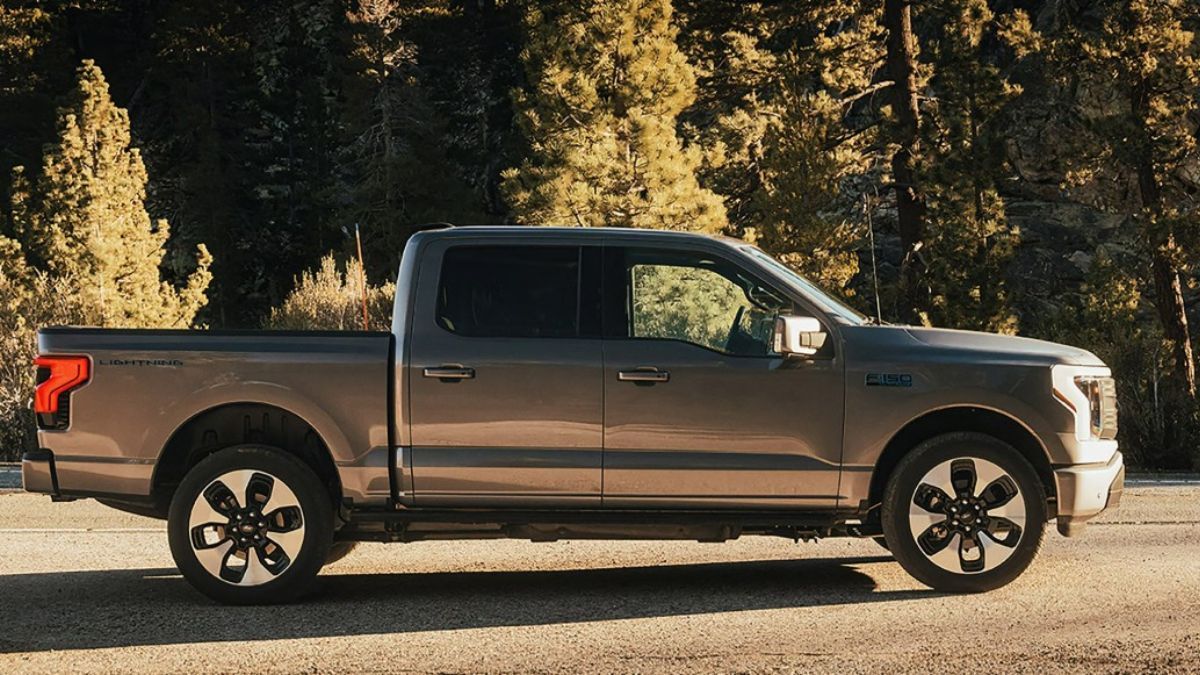
Comfort Changes the Winter Conversation
One theme that keeps coming up among Lightning owners is comfort. Cold starts in gas trucks often mean waiting for engines to warm up, dealing with sluggish heaters, and burning fuel just to make the cabin livable. WJ’s comment about how quickly the Lightning heats up is not a throwaway detail. For many drivers, that immediate warmth fundamentally changes the winter driving experience.
Heated seats, a heated steering wheel, and instant cabin heat allow owners to use the truck exactly as intended without rationing comfort features out of fear. The idea that you can run everything, plug in at home, and wake up to a fully charged and warm vehicle the next morning is something that does not translate well on paper but becomes obvious in daily use.
That comfort advantage is something other owners have echoed, including those who came from other EVs. One former owner explained in detail why they left a Kia EV6 for a Ford F-150 Lightning even though they were still happy overall, noting that the Lightning’s size, ride quality, and charging routine ultimately fit their real-world needs better once winter entered the picture. Stories like that help explain why winter ownership is not just about range loss, but about how livable the vehicle feels when conditions are at their worst.
Lifestyle and Home Charging Have to Add Up
WJ’s experience also highlights an important truth that often gets lost in EV debates. Electric vehicles are not automatically better or worse than gas vehicles. They simply demand alignment between lifestyle and infrastructure.
Driving mostly within a 100-mile radius and plugging in every time you get home dramatically reduces winter anxiety. Range loss becomes a known variable instead of a looming threat. That does not mean EV ownership will work for everyone, and that is okay. Someone who drives long distances daily without reliable home charging is not wrong to hesitate. In fact, being honest about those limitations helps make the broader conversation more credible.
This is where winter EV criticism often goes off the rails. It assumes that every owner needs maximum range every day, when in reality most Americans drive far less. For those whose routines fit within that envelope, winter becomes an adjustment, not a deal breaker.
What Other Owners Are Saying
The comments under WJ’s post help reinforce that his experience is not an outlier, but part of a broader pattern.
Derrick Martin summed it up succinctly, writing, “This is so hard for people to get. If you are traveling less than 200 miles/day, as the vast majority of Americans are, then this truck's use case is nearly unmatched.”
That observation cuts straight to the heart of the issue. Much like how some business owners have replaced entire gas fleets with Ford F-150 Lightnings and reduced their operating costs to nearly zero by switching to electric trucks, the Lightning’s strengths show up most clearly when usage patterns are predictable. When charging can happen at home or at a depot, winter range becomes a planning factor rather than a daily concern.
Leo Macdonald added a perspective that pushes back on the idea that winter and towing are deal breakers. “I live in the Northeast, and I tow in the winter and just stop and charge when needed. It's not hard. People are just full of complaints, but our Ford Lightning is the best EV we've owned and one of the best cars ever!”
His comment introduces a key point often ignored in online debates. Adaptation matters. Once drivers adjust expectations and habits, many of the perceived challenges shrink quickly.
Then there was Jimmy Gallichio Jr., whose comment took the conversation in a different direction. “It’s a shame that Ford ended production on the Lightning because I read all these posts and it seems like everyone that owns one absolutely loves them! I guess I’ll have to grab a used one!”
Why Ford Slowed Lightning Production
Jimmy’s comment opens the door to a broader industry reality. Ford’s decision to scale back Lightning production was not a reflection of owner dissatisfaction. Instead, it was largely driven by market timing, pricing pressure, and the rapid shift in EV demand following aggressive early adoption.
Rising interest rates, changing incentives, and increased competition forced automakers to recalibrate output across the board. Even vehicles with strong owner satisfaction were not immune. That reality has created an interesting dynamic where used Lightnings are becoming increasingly attractive to buyers who see the value but want to avoid early pricing premiums.
Owners who have lived with multiple electric trucks have echoed this sentiment, including one driver who owned Rivian and GMC Sierra EV models before concluding that the Ford F-150 Lightning was the truck they ultimately wanted to keep after experiencing a wide range of electric pickups. Those long-term, cross-brand comparisons carry weight because they come from experience rather than speculation.
Winter EV Ownership Is About Fit, Not Perfection
Winter performance is often reduced to a single number on a dashboard, but real ownership tends to be more nuanced than that. Stories like WJ’s show that when an electric truck fits a driver’s daily routine, cold weather becomes something to work with rather than something to fear.
From my perspective, stories like WJ’s are important because they slow the conversation down. They remind us that vehicles are not just products, but tools that either fit into someone’s life or do not. Winter range loss is real, and pretending otherwise does not help anyone. But neither does treating it as a universal failure.
What I find most compelling about the Lightning is not that it avoids winter compromises, but that it replaces them with different ones that many owners find easier to live with. Quiet operation, instant heat, confident traction, and the habit of charging at home reshape how winter driving feels. For the right owner, those benefits outweigh the tradeoffs.
Key Takeaways
- Winter range loss is real but manageable when driving habits and charging routines are predictable.
- Comfort matters more than numbers during cold weather, and instant cabin heat changes daily usability.
- Home charging is a defining factor in whether winter EV ownership feels stressful or seamless.
- EVs do not need to work for everyone to be the right choice for some drivers.
What Do You Think?
If you own a Ford F-150 Lightning or another electric truck, how has winter driving changed your expectations compared to gas vehicles?
And for those still on the fence, do lifestyle-based ownership stories like this make winter EV concerns feel more manageable? Or do they reinforce why EVs may not fit your routine?
I'd love to hear your personal experiences in our comments below.
Aram Krajekian is a young automotive journalist bringing a fresh perspective to his coverage of the evolving automotive landscape. Follow Aram on X and LinkedIn for daily news coverage about cars.
Image Sources: The “Ford F150 Lightning EV Enthusiasts” public Facebook group and Ford’s gallery, respectively.
Set Torque News as Preferred Source on Google
Follow us today...


Comments
Everything's fine. Didn't…
Permalink
Everything's fine. Didn't you hear? Ford dumped this silly vehicle. No more will be produced. Anyone surprised?
I live in Alaska and I own a…
Permalink
In reply to Everything's fine. Didn't… by Buzz Wired (not verified)
I live in Alaska and I own a 2014 F150 4x4.
It has been one of the most reliable vehicles I’ve owned. It starts remotely every time. We are in the snow capital of the USA. We average about 30 feet of snow a year! I plan on hanging onto this truck!!
It is not surprising how…
Permalink
In reply to Everything's fine. Didn't… by Buzz Wired (not verified)
It is not surprising how many people are still uneducated about EVs.
The Ford 150 Lightning…
Permalink
The Ford 150 Lightning Lariat is my first EV. I heard and read about all the pros and lots of posted warnings prior to purchasing my 2023. Prior I owned a GMC Sierra and a Canyon AT4. The Lightning is, hands down, the best truck and best vehicle I have ever owned. It drives like a dream over snow and ice; is incredibly comfortable to drive; super responsive; fast to charge. Its multiple electric connections, the all around cameras and lights, and high tech console are just added benes. I drive about 60 miles average a day and just charge up every other days for a few hours. This truck is a dream people!!!
Solid article that addresses…
Permalink
Solid article that addresses the constant whining of people who don’t understand how EV’s work.
If EV’s work for 90% of what you want, you can certainly tolerate charging delays if you need to make a longer trip MAYBE six times a year. Something that wasn’t addressed was the incredible real savings that result from no longer needing gasoline.
Hell, I have solar panels and regardless of how well I KNOW they work, people keep arguing with me that they don’t make sense because they’re working off of 10 or 15-year-old data. Meanwhile, on hot days, the energy excess generated by solar energy contributors are keeping the region from having to go into brownout when everyone kicks on their air conditioners.
These problems aren't…
Permalink
These problems aren't happening any longer. Ford ended production of this silly vehicle.