
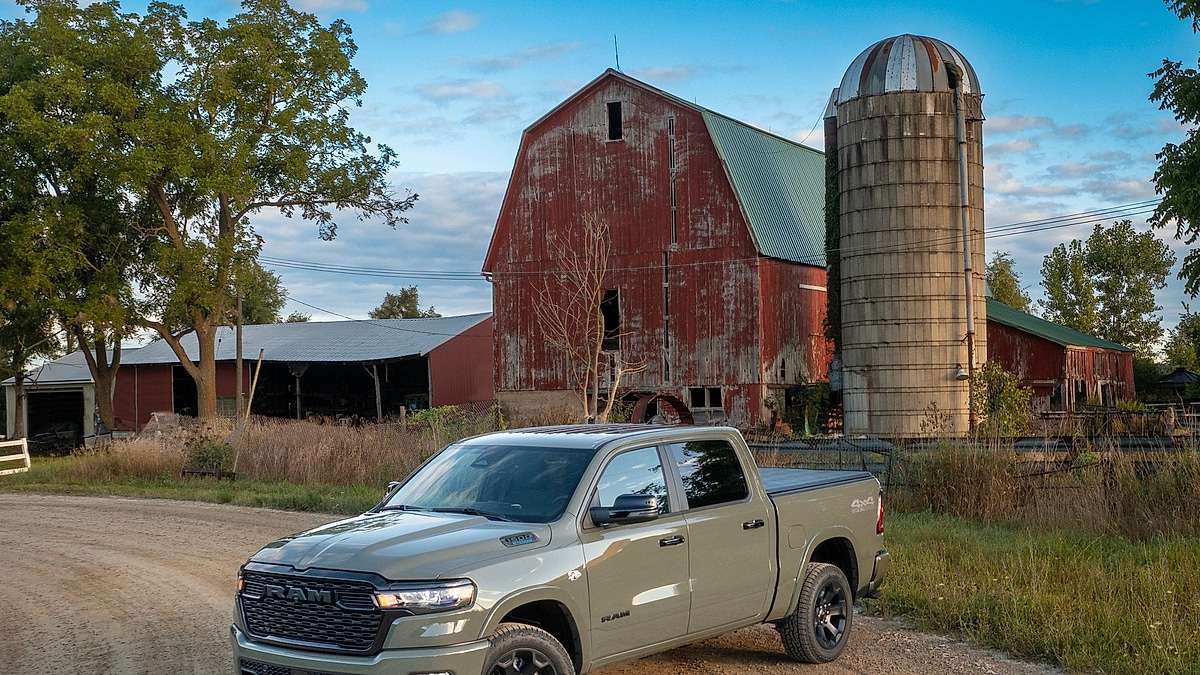

It all started with a poster in a Ram 1500 Facebook group who was taken aback by some "kids" who derided the 5.7-liter V8 as slow.
Here's the post, lightly edited for grammar and clarity:
Was on a post with a bunch of kids calling the 5.7 slow. How did we get to this stage in life where anything that’s not doing 0-60 in 4 seconds is “slow”? 95% of us aren’t racing anything, so why do we care so much? Lol.
It leads to an interesting philosophical debate that goes well beyond Ram or one's feelings about the 5.7-liter V8 available in the 1500.
Torque News Wonders If 0-60 Times Matter
Automakers have, as long as this author can remember, been touting 0-60 times -- and not just with sports cars or performance versions of otherwise mainstream automobiles. Not only that, but some automotive-media outlets performance independent testing, providing their own measurements of a vehicle's 0-60 mph time.
The question is, does this matter outside of specific contexts?
For performance cars, it absolutely matters. And in some cases, it matters for bragging rights -- fans of some brands love to use these numbers to prove that cars produced by their favorite company are faster than cars produced by the competition.
Where it's harder to judge is in terms of sales. Even with sports cars like the Ford Mustang, do buyers care? Do buyers care if the Ford Mustang is faster 0-60 than a Chevrolet Camaro? Or do factors like price, looks, features, fuel economy, and safety matter more?
How many car buyers, even those who buy performance cars, are taking their vehicles to the track?
I suspect 0-60 times still matter to a small percentage of car buyers, and I don't think car magazines will stop doing independent testing any time soon -- nor should they. But most buyers have other things in mind.
Torque News Says Slow Is Relative
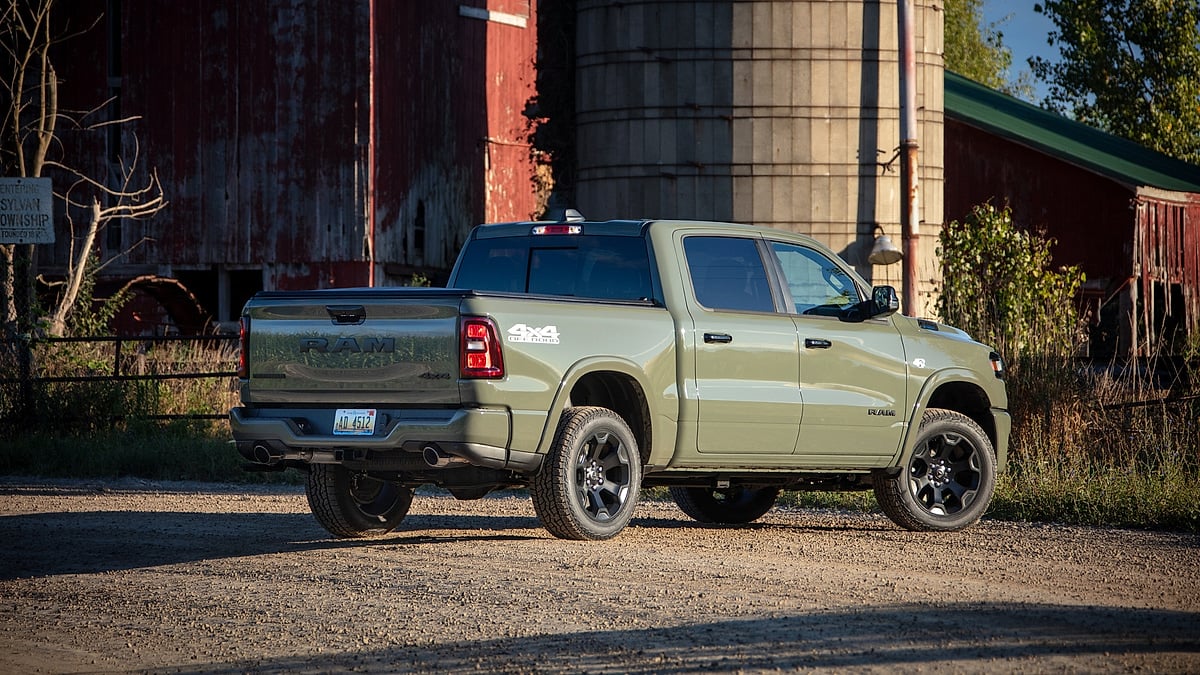
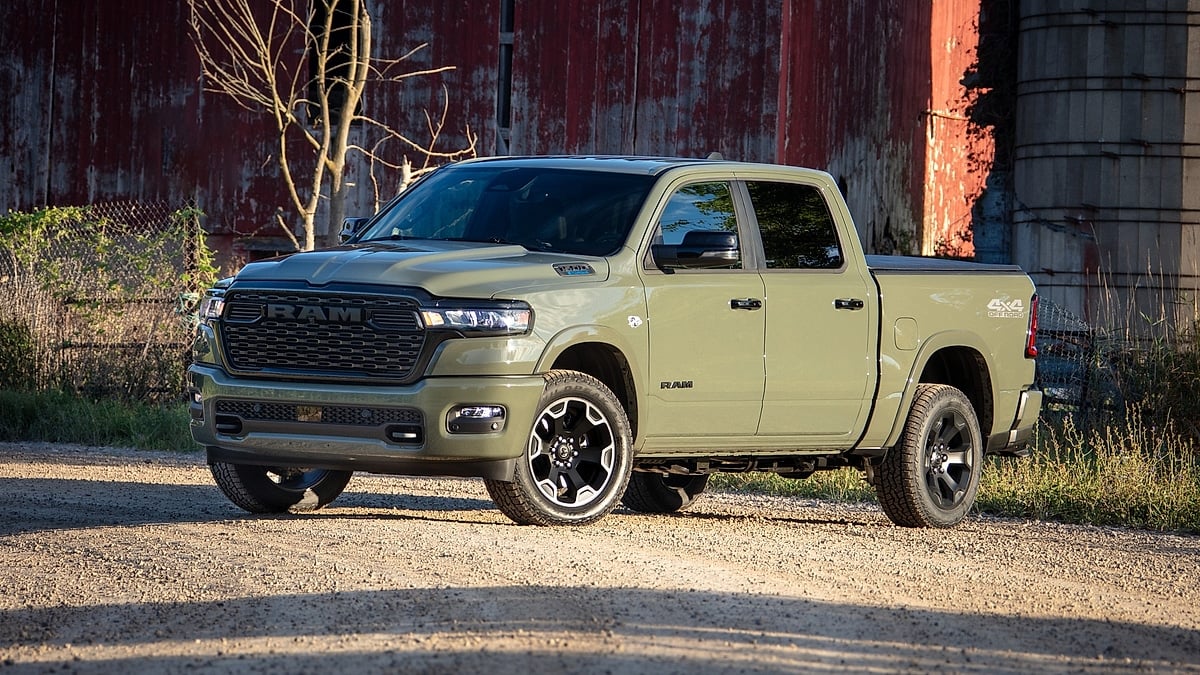
The other thing that the Facebook poster brought up is this: What counts as "slow" these days? Car and Driver tested the 2026 Ram 1500 Big Horn Crew Cab as running 0-60 in six seconds flat.
That's much, much faster than the vehicles your author grew up with. That's because technology, including performance technology, has advanced. Today's vehicles are bigger and heavier than those of years past, thanks to the addition of safety tech, advanced-driver assist systems, and comfort and convenience features, yet they're also faster, as well.
So, perhaps due to shrinking acceleration times across the board, some car enthusiasts have unrealistic standards -- or, in the other words, disdain anything that comes in over a certain time as "slow", even if objectively speaking, the car is fast. Faster than those of yesteryear, to be sure.
It seems that perhaps car enthusiasts who are too young to remember the 1980s, 1990s, and even the Aughts don't realize that even today's "slow" vehicles are pretty fast. And it also seems that only some percentage of enthusiasts even cares -- the rest aren't too interested in how fast they blitz to sixty, since they aren't racing and aren't looking for bragging rights over their buddies.
The bigger question I have is this: How much faster can today's cars get? Even if it doesn't matter much to buyers, automakers will still tout it. And there will always be a race among performance models to be the best on the market.
Then again, perhaps today's youth are so spoiled -- seriously, a six-second Ram 1500 is pretty impressive, given how much that truck weighs (the one C/D tested weight 5,584 pounds). Is today's young car enthusiast so jaded as to not understand that feat?
It doesn't matter that much in the grand scheme of things, but it's fun to discuss.
Maybe today's kids are spoiled. Maybe not. But it's definitely true that even with general weight gains across the board, today's vehicles are definitely faster sprinters than what those of us with gray hair grew up with.
About The Author
Tim Healey is an experienced automotive writer and editor from Chicago. He has covered automotive news at Consumer Guide Automotive, Web2Carz, AutoGuide, and was the managing editor at The Truth About Cars. Tim is a member of the Midwest Automotive Media Association. You can find him on Facebook, X/Twitter, and on LinkedIn.
Set Torque News as Preferred Source on Google
Follow us today...



Comments
For the 5% of people who…
Permalink
For the 5% of people who still believe performance is important, or at least to them, I suggest that they look at the Facebook page of "Moe's Performance". Moe's unquestionably builds most of the fastest Ram Hemi trucks in the country and has a huge following. I am happy to report that, yes, there are still a large number of guys who believe that 0-60 times are important.
Sounds like a fun site!
Permalink
In reply to For the 5% of people who… by Jay Spencer (not verified)
Sounds like a fun site!