
The Facebook Paradox and the Plug-In Myth
Your $50,000 Chevy truck is playing Russian roulette with its own engine valves.
Plugging a plastic gadget into your dashboard will not stop a ticking time bomb made of spinning steel.
If you think a software trick can outsmart a physical hardware defect, you are setting yourself up for a $4,000 repair bill.
Saige Tait from Fountain Hills, Arizona, recently sparked an explosive debate on the 2019 - 2026 Chevy Silverado & GMC Sierra Owners Facebook page by asking: “Does an AFM disabler really make a difference? I have a 2025 Chevy Silverado 1500 5.3L.”
It is the definitive $200 question that millions of modern EcoTec3 V8 truck owners are desperately trying to solve.
The immediate, cold mechanical truth is that plugging an electronic module into your dashboard will not save your engine from a catastrophic structural teardown. While these aftermarket devices successfully trick your truck's computer into staying in full V8 mode, they completely fail to alter the physical engineering vulnerabilities hiding beneath your valve covers.
What the Mainstream Automotive Media Is Leaving Out
The hidden story that major automotive outlets continue to ignore is the brutal reality of modern metallurgical fatigue and narrow oil-control tolerances.
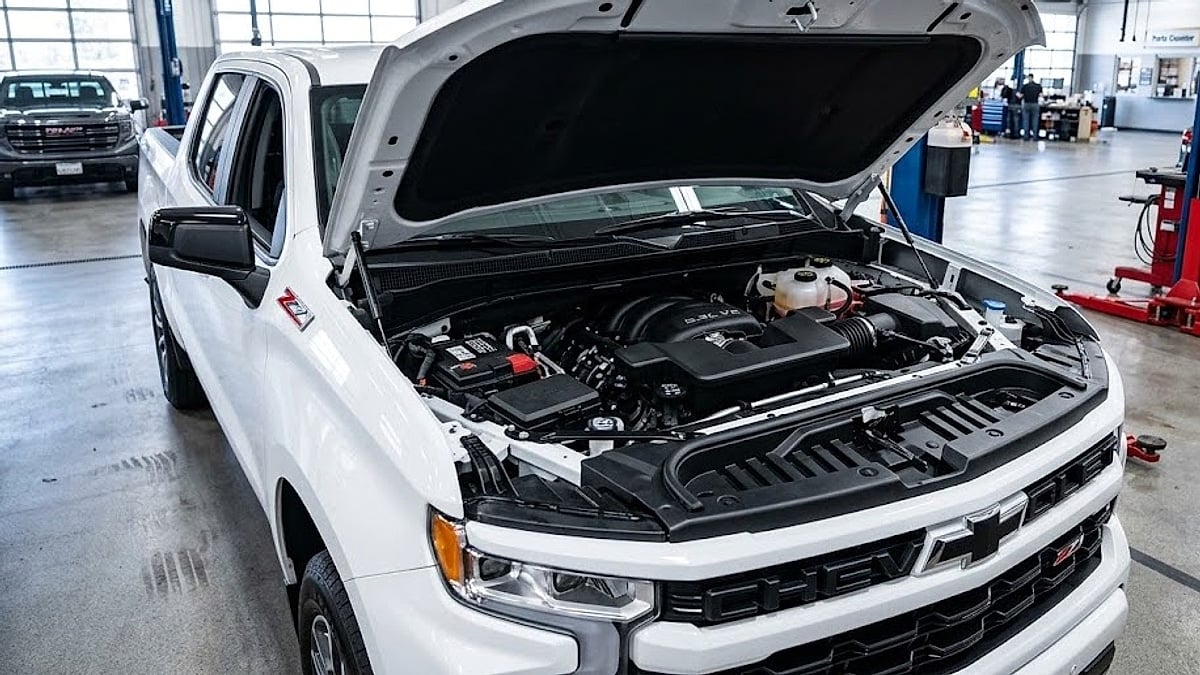
In official regulatory filings, the National Highway Traffic Safety Administration published a manufacturer service bulletin explicitly confirming that a fault may be caused by an "internal locking pin damage in the lifter, due to oil aeration" or a lifter that is mechanically collapsed and stuck.
Furthermore, legal battles have brought these engineering shortcuts straight into federal court documentation handled by Capstone Law APC via The GM Lifter Lawsuit Project. In those filings, automotive legal experts contend that General Motors failed to disclose that these vehicles have defective AFM and/or DFM valve-train systems that cause the vehicle to lose power while being driven, to hesitate, and for the engine to experience catastrophic internal failure.
The Difference Between Software Commands and Spinning Steel
To understand why a software disabler is merely an expensive band-aid, you have to look at how GM's Dynamic Fuel Management (DFM) operates on your 2019 through 2026 model year trucks.
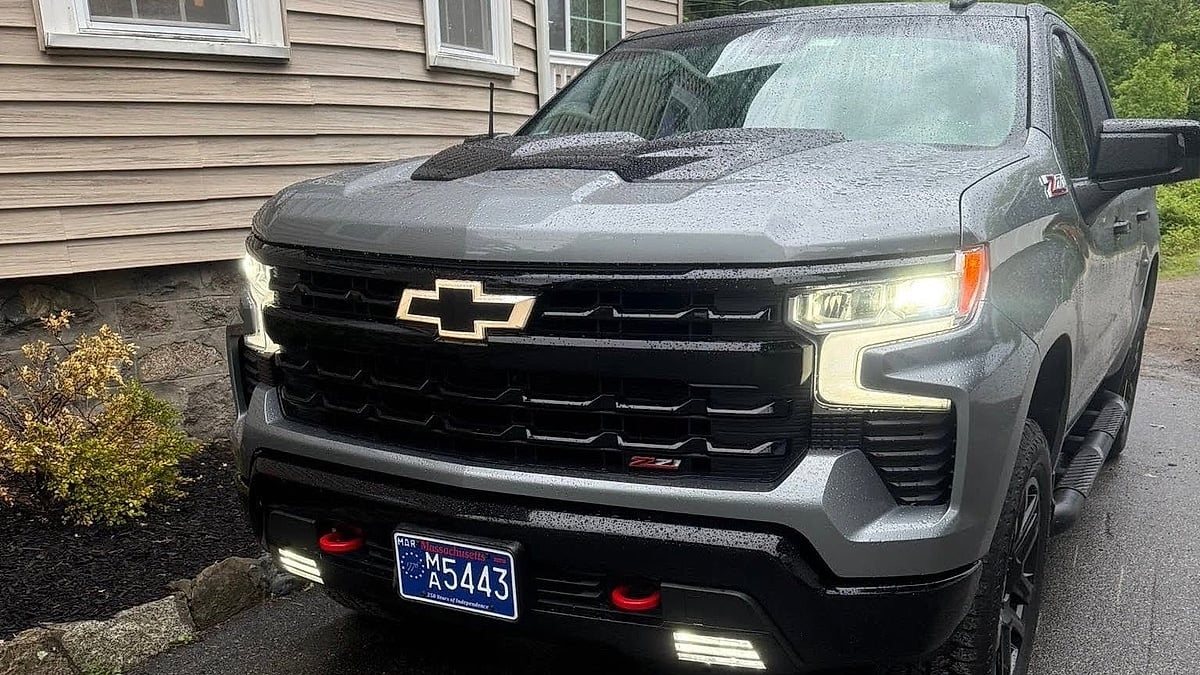
Unlike older Active Fuel Management (AFM) systems that simply shut off the same four cylinders, modern DFM continuously switches among 17 cylinder-firing patterns.
This means your engine utilizes complex, spring-loaded switching lifters equipped with tiny hydraulic locking pins that engage and disengage hundreds of times per minute. When you plug in an aftermarket disabler, it simply stops the Engine Control Module from sending the electronic command to drop those cylinders.
However, those heavy, multi-piece switching lifters are still physically sitting inside the engine block, riding on the spinning camshaft lobes.
Because the fragile internal springs and locking pins are still subjected to extreme mechanical vibrations and high-stress duty cycles, they remain completely prone to structural fatigue.
Why Mountain Driving and Thin Fluids Create an Oiling Crisis
As I previously documented, a primary catalyst for this valvetrain destruction is partial lifter replacement, which can cause total engine lockup and oil starvation because root contamination is rarely fully flushed from the tiny oil galleries by dealership service departments. This oiling disparity is greatly amplified when a truck is operated at high altitudes and on steep mountain terrain.
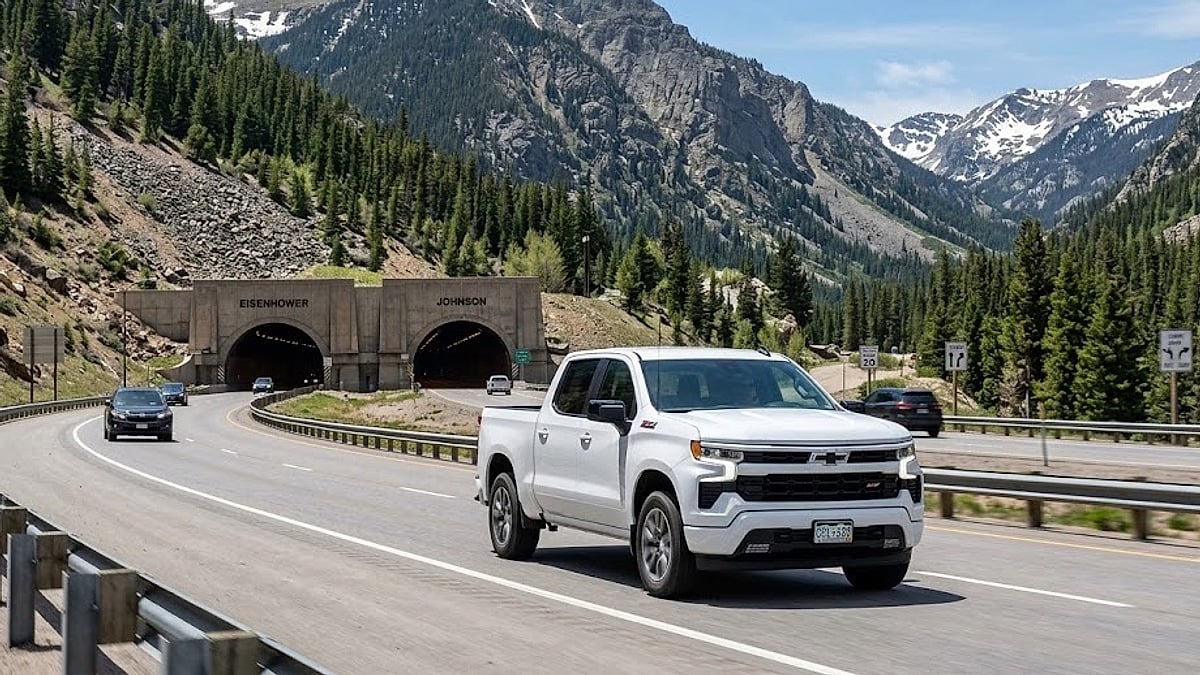
Testing vehicles along Colorado’s high-altitude passes, including the Eisenhower Tunnel and the punishing Vail Pass, reveals exactly how extreme thermal cycling destroys these systems. When a Silverado 5.3L pulls heavy loads up these high-altitude passes, internal engine temperatures skyrocket, causing the factory-recommended 0W-20 oil to thin out to a watery consistency.
The variable-displacement oil pump often drops pressure during low-load transitions, resulting in aerated, overheated oil that fails to fully pressurize the switching lifter housings. As I noted when analyzing market sentiments, many 2020+ trucks are arriving from the factory with lifter issues within the first 20,000 miles, proving that high operating temperatures and thin lubricants create an absolute mechanical gamble for owners.
The Real Solution: Bypassing the Factory Maintenance Trap
If you truly want to prevent your 5.3L EcoTec3 engine from swallowing a valve, you must look past aftermarket electronic plugs and modify your physical maintenance habits. The factory-recommended 7,500-mile to 10,000-mile oil change interval is designed to appease environmental regulators, not to preserve the life of delicate hydraulic locking pins.
To maximize the life expectancy of your valvetrain, independent mechanical consensus recommends reducing your oil change intervals to a strict 3,000 to 5,000 miles. Using a premium, high-moly full-synthetic oil keeps the internal passages of the Lifter Oil Manifold Assembly completely clear of performance-robbing varnish and carbon buildup.
For truck owners who are completely past their factory warranty period and facing an impending failure, the only definitive cure is a physical "lifter delete" project. This heavy-duty mechanical procedure requires removing the cylinder heads, discarding the factory DFM hardware entirely, and installing traditional, solid, non-switching lifters along with a standard-performance camshaft.
The Next Shift in Truck Longevity
What is the ultimate future of the small-block V8 if these electronic fixes fail to deliver?
Behind closed doors, the industry is already shifting away from these overly complex variable-displacement systems due to mounting warranty expenses and collapsing brand loyalty. Behind the scenes, manufacturing reports indicate that engineering teams are quietly redesigning the next generation of powertrain architectures to entirely eliminate high-frequency switching hardware in favor of baseline structural reliability.
The Final Diagnosis
An aftermarket electronic disabler may provide temporary peace of mind by keeping your truck running on all eight cylinders, but it cannot fundamentally alter a metallurgical deficit. True engine longevity requires aggressive preventative maintenance, clean oil, and a clear understanding of the mechanical hardware spinning beneath your hood.
It's Your Turn: Have you experienced a sudden lifter collapse on your modern Chevy Silverado, or have you had success running an aftermarket plug-in module? Please leave your comments and real-world ownership stories in the red "Add new comment" link down below!
Come back tomorrow… or check my Torque News Home Page for more of my informative Chevy Silverado news articles.
About The Author
Denis Flierl is a 14-year Senior Reporter at Torque News and a member of the Rocky Mountain Automotive Press (RMAP) with 30+ years of industry experience. Explore his full investigative reporting archives and technical guides at DenisFlierl.com.
Based in Parker, Colorado, Denis leverages the Rockies' high-altitude terrain as a rigorous testing ground to provide "boots-on-the-ground" analysis for readers across the Rocky Mountain region, California EV corridors, the Northeast, Texas truck markets, and Midwest agricultural zones.
A former professional test driver and consultant for Ford, GM, Ram, Toyota, and Tesla, he delivers data-backed insights on reliability and market shifts. Denis cuts through the noise to provide national audiences with the real-world reporting today’s landscape demands.
Connect with Denis: Find him on LinkedIn, X @DenisFlierl, @WorldsCoolestRides, Facebook, and Instagram.
Photo credit: Denis Flierl via Saige Tait
Set Torque News as Preferred Source on Google
Follow us today...