
Imagine this. You pull up to a used car lot on a sunny Saturday. A sleek electric vehicle catches your eye. The price is thousands less than a similar gas car. Then doubt creeps in. What if the battery dies soon? Will you face a huge repair bill? You are not alone in that worry. Plenty of shoppers still hesitate, the same way one owner explained when he decided battery cost alone was keeping him away from an EV purchase. But the newest data tells a different story, one closer to what a recent Cambridge battery degradation breakthrough predicted years ago.
For years, stories of fading range and expensive fixes scared families away from used EVs. In 2026, real world data from thousands of cars tells a calmer story. Modern EV batteries are tougher than expected. They often outlast the rest of the vehicle. Still, like any car, some models carry quirks worth watching.
Why EV Batteries Are Beating the Odds in 2026
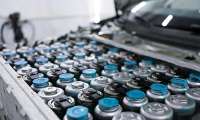
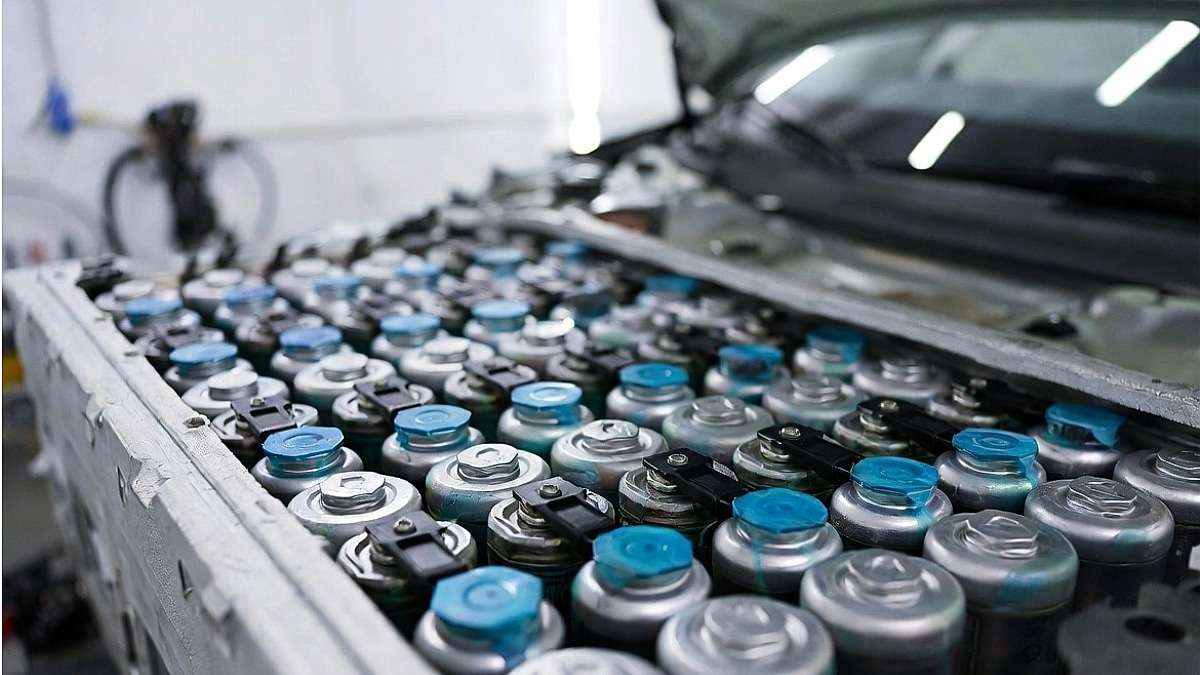
Think of a battery pack as the heart of your EV. Not long ago, people worried it would fade like an old phone battery after a few years. Today, science and real driving data say otherwise, echoing what analysts found in the 20 year battery study on EV longevity reshaping how automakers think about ownership.
A massive study by telematics firm Geotab looked at over 22,700 electric vehicles across 21 different models. The average battery still holds about 81.6 percent of its original capacity after eight years. That works out to roughly 2.3 percent degradation per year.
Another large dataset from Recurrent, tracking more than 30,000 EVs, shows battery replacement rates for 2022 and newer models sitting at just 0.3 percent. That is rarer than major engine problems in gas cars. Tesla's own high mileage reports back this up, and one owner's account of putting over 200,000 miles on a Tesla Model 3 with minimal battery loss shows what that looks like in daily life.
Why the big improvement? Better chemistry, smarter software, and excellent temperature control in newer designs all play a part. Batteries hate extreme heat and cold, and modern EVs manage that well. According to The Weekly Driver, the fear surrounding used EV batteries has simply not kept pace with the numbers. As the outlet put it, "the data has now caught up with the fear, and the fear lost."
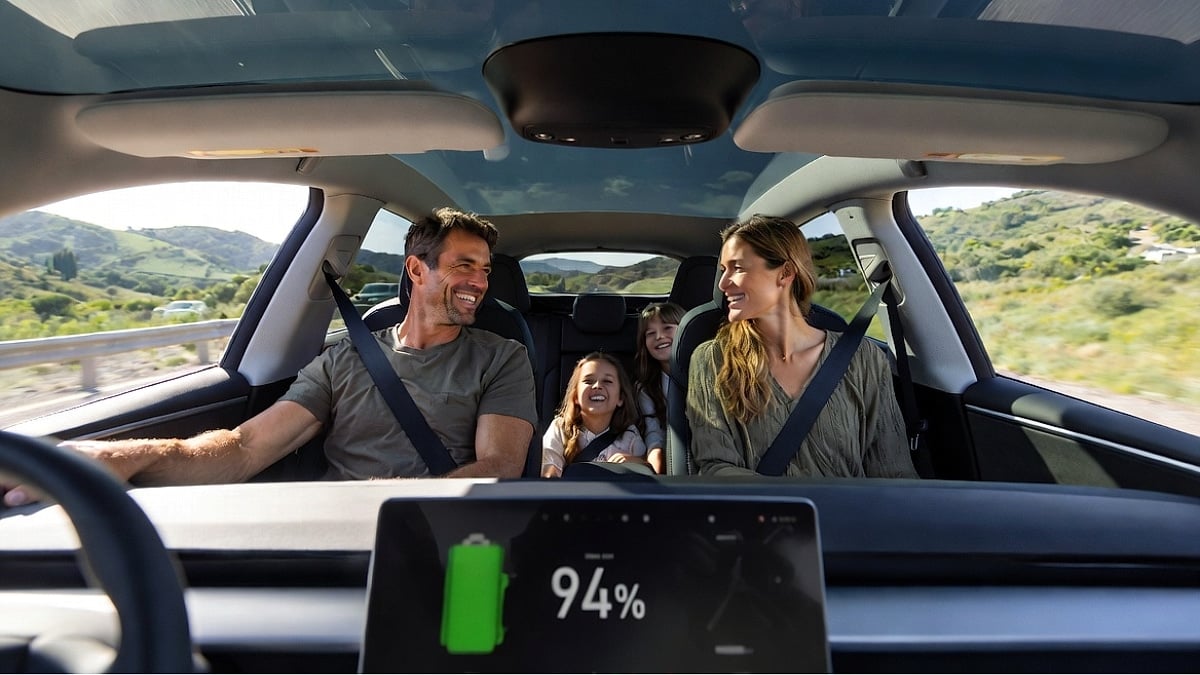
This news matters for families and budget buyers. Used EVs now offer real value, lower running costs, and a smoother ride for daily commutes or road trips with the kids.
Real Stories: Batteries That Go the Distance
Meet Sarah, a mom from California who bought a used 2022 Tesla Model Y with 45,000 miles. She was nervous about the battery, but a quick health check showed 94 percent capacity. Two years later, it is still going strong on family vacations.
Or consider Mike in the Midwest, who picked up a Hyundai Ioniq 5. The dealer showed him a battery report, and it has stayed solid even through hot summers. These are not cherry picked stories. One Chevrolet Bolt EV owner shared a similar experience after checking his 91,000 mile Bolt EV and finding surprisingly little battery capacity loss, which lines up with what fleet data keeps showing.
Kia and Hyundai often shine in owner surveys, with minimal loss reported even after years of use. Tesla fleets prove high mileage durability, and Ford owners have reported similar results, including one F-150 Lightning owner whose truck showed just 1.5 percent battery loss after 38,000 miles of hard Florida use. Not every model is identical, but smart shopping makes the difference.
Model Specific Red Flags: What to Watch For
The overall picture is bright, but every brand has its own personality and a few quirks. Here is a straightforward breakdown based on 2026 data.
Tesla, Model 3, Model Y, and more. Teslas remain strong for longevity, thanks to liquid cooling and advanced software. Many hold up well past 200,000 miles. Watch for early models or high use fleet cars that saw a lot of fast charging, since that can speed up wear slightly. Suspension or heat pump issues on some used examples are not battery related, but they add repair costs. Always request a full battery health scan, or State of Health report, and aim for 90 percent or higher on lower mileage cars, similar to what one long term Chevy Bolt owner tracked across 100,000 miles of driving to understand true capacity loss.
Nissan, especially older Leaf models. The Nissan Leaf was a pioneer, but many used examples rely on passive air cooling. That leads to faster degradation, up to 4.2 percent per year in some studies, especially in hot climates. Newer Ariya models and the 2026 Leaf bring much better cooling systems, a shift Nissan itself pointed to when it addressed long term EV drivetrain durability in a statement to Torque News. Red flags include heavy DC fast charging history and very early models without battery upgrades. Nissan offers solid warranties, but test the range on a full charge before buying.
Hyundai and Kia, Ioniq 5, EV6, and others. These Korean models often top reliability charts, with strong battery retention in many reports thanks to liquid cooling. The bigger issue has not been the main battery pack at all. Some earlier Ioniq 5 and EV6 models had Integrated Charging Control Unit problems, which could drain the 12 volt battery or cause charging trouble. One owner documented exactly that after putting over 81,000 miles on a 2022 Ioniq 5 before an ICCU failure stranded him in a winter storm. Hyundai has since responded, and Torque News reported exclusively on Hyundai's decision to extend ICCU coverage to 15 years for affected owners. Look for completed software updates, and remember that warranty coverage on the actual drive battery remains strong, often 8 years or 100,000 miles to 70 percent capacity.
Across every brand, non battery faults top many used EV problem lists. Charging port issues, suspension wear, and electronics glitches can be pricier to fix than expected. The battery itself is rarely the main culprit anymore, a pattern This Is Money has also highlighted when ranking the most common used EV faults.
How to Check a Used EV Battery Like a Pro
Do not rely on the odometer alone. Mileage matters less than care history. Follow these steps before you buy.
Demand a battery health report using tools or apps that show State of Health. A good used EV usually sits at 90 percent or better for moderate mileage. Test drive smartly, charging fully and driving mixed highways and city routes to compare real range against the original spec. Review charging history where possible, since occasional road trip fast charging is fine but daily heavy use is worth negotiating over. Consider the climate the car came from, since cars from hot states tend to show more wear. Pay for a professional EV specialist inspection before you buy, and review remaining warranty coverage carefully.
Owners who want to actively protect their pack can also learn from simple daily habits, something one popular breakdown of common charging mistakes that quietly shorten EV battery life covers well. Charging only to about 75 percent for daily use, rather than always topping off to 100 percent, remains one of the simplest ways to protect long term capacity.
Have you ever pulled a battery health report before buying a used EV, or did you buy on faith?
Cost Comparisons: EVs vs Gas Cars Over Time
Let's talk money, the fun part for families. A used EV can save you on fuel, maintenance, and in some cases insurance. Fewer oil changes and less brake wear thanks to regenerative braking add up over time.
Battery replacement, on the rare occasion it is needed, has dropped to around 100 to 150 dollars per kWh installed in many cases, a steep drop from years past. For a typical 60 to 80 kWh pack that still totals thousands of dollars, but warranties and refurbished options soften the blow considerably. Over 5 to 10 years, many owners report total ownership costs below gas equivalents, especially with home charging in the mix.
Common Questions: Answering Your Top Searches
How long do EV batteries really last in 2026? Most modern packs are on track for 150,000 to 300,000 plus miles, or 10 to 15 plus years, before dropping below 80 percent capacity, often matching or beating gas cars.
Are used EVs a good buy right now? Yes. With strong data and falling prices, they suit commuters, families, and eco conscious drivers. Just inspect carefully first.
What about Tesla, Nissan, or Hyundai and Kia specifically? Teslas excel in high mileage durability. Older Nissan Leafs need extra battery checks. Hyundai and Kia offer strong value, but verify ICCU related fixes.
Any other red flags beyond batteries? Yes, watch for charger faults, body electronics, and wear items like tires and suspension. Budget for those the same way you would with any used car.
Drive Into the Future with Eyes Wide Open
EV batteries in 2026 are a success story years in the making. They are defying old fears, delivering reliable performance for everyday life, and helping families save money while reducing emissions. Smart buyers know the details still matter. Model differences, service history, and simple checks separate a great purchase from a headache.
The lesson here is simple. Trust the data, but still verify it yourself before you sign anything. Next time you walk onto that lot, walk in informed. Test the car, ask direct questions, and picture the quiet, smooth drives ahead for your family.
Are you leaning toward a used EV this year, or does the model specific research change your plan? And which brand's battery story surprised you the most? Share your thoughts in the comments below. At Torque News, we cover all your automotive needs, new, used, gas, hybrid, or electric. Drive safe.
Return tomorrow, or check our Torque News Home Page for more interesting automotive news articles.
About The Author
Armen Hareyan is the founder and Editor-in-Chief of Torque News and an automotive journalist with over 15 years of experience writing car reviews and industry news. Now based in the Charlotte region (Indian Land, SC, he founded Torque News in 2010, which since then has been publishing expert news and analysis about the automotive industry. He can be reached at Torque News on X, Linkedin, Facebook, and Youtube. Armen holds three Masters Degrees, including an MBA, and has become one of the known voices in the industry, specializing in the landscape of electric vehicles and real-world stories of actual car owners. Armen focuses on providing readers with transparent, data-backed analysis bridging the gap of complex engineering and car buyer practicality. Armen frequently participates in automotive events throughout the United States, national and local car reveals and personally test-drives new vehicles every week. Armen has also been published as an automotive expert in publications like the Transit Tomorrow, discussing how will autonomous vehicles reshape the supply chain, and emerging technologies in vehicle maintenance.
Set Torque News as Preferred Source on Google
Follow us today...