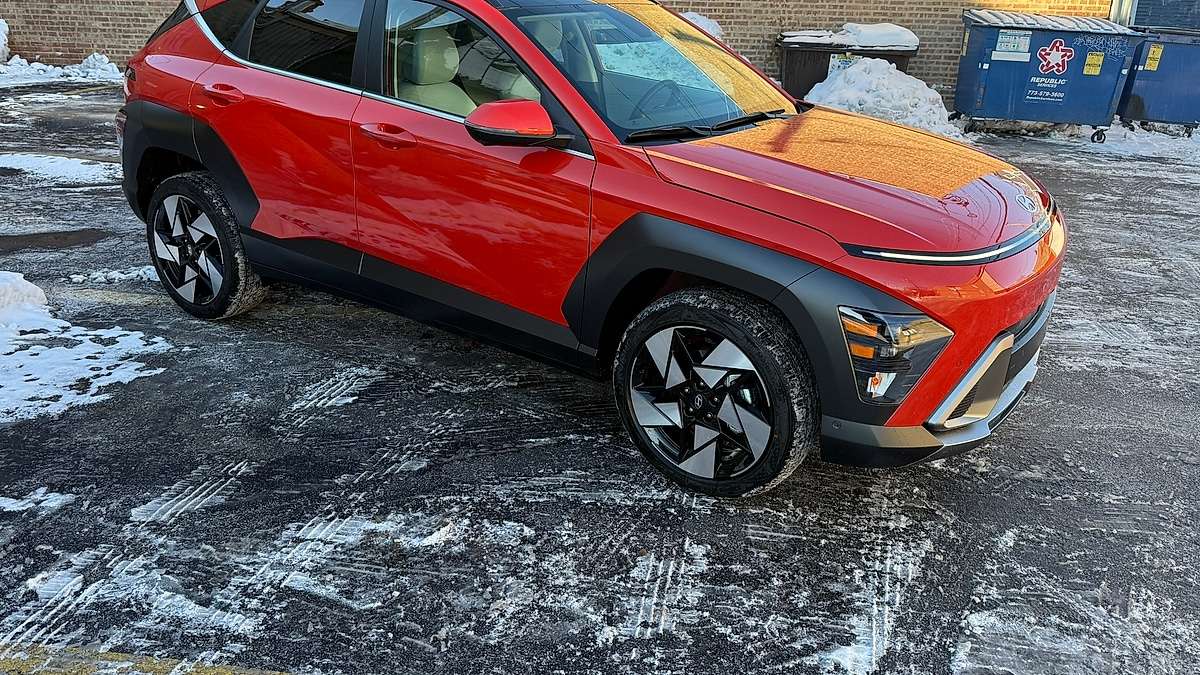

The changes in 2024 included new infotainment and instrument screens, a new infotainment system, and the availability of over-the-air updates.
I hadn’t spent much time with the Kona between the launch drive in Maryland the time one arrived at my house last winter, so I was eager to give it a long second look. That long second look seemed to confirm what I learned during my first drive - the second-generation Kona takes the best of the first, makes mild changes, and carries on nicely.
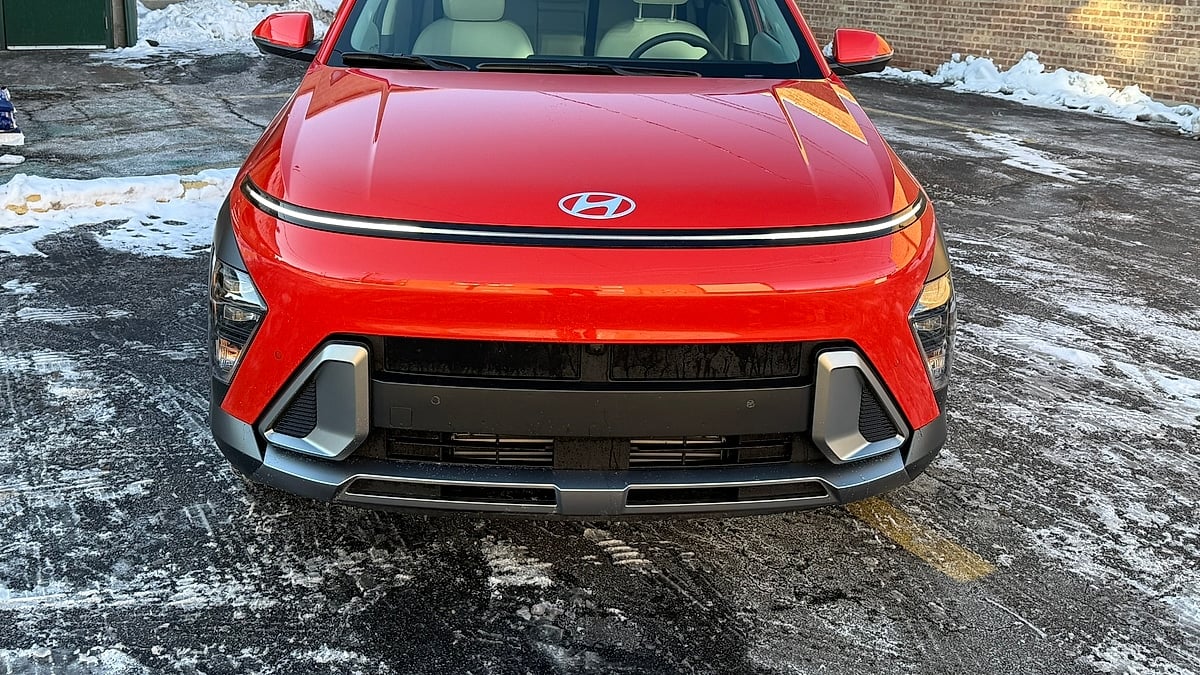
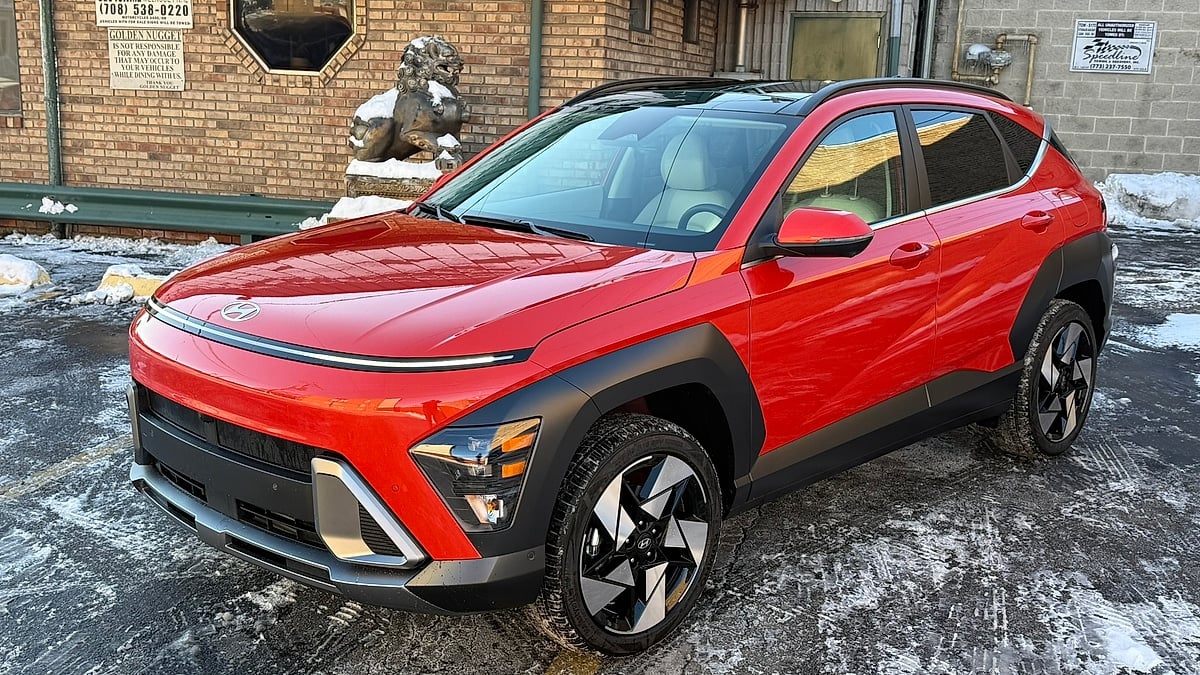
Torque News Takes To The Road
The Kona is a small SUV meant for urban duty - place it among the Chevrolet Trax, Honda HR-V, and Toyota Corolla Cross. It’s in this area that the Kona shines - it’s small and nimble. Not a sports car, or even close, really, but it has the kind of maneuvering ability you need in traffic. It’s not nearly as comfortable when pushed, but really, few Kona buyers will be pushing hard.
The best way to equip a gas-engined Kona is to opt for the SEL Premium or the Limited trim - I tested the latter. That’s because you get the more-powerful 1.6-liter turbocharged four-cylinder engine that makes 190 horsepower and 195 lb-ft of torque. You’ll need to wring this one out a bit to get max power, and it’s never gonna push you down in your seat, but there’s enough pep in the step for around-town work. I’d stay away from the weaker 2.0-liter naturally-aspirated four-cylinder.
The transmission here is an eight-speed automatic with paddle shifters, and my test unit had available all-wheel drive.
Refinement isn’t often expected in this segment, even on a top-trim Kona that’s priced north of $35K. But this little runabout does fairly well in this area. There’s some engine noise and outside noise that makes its way in, but it’s not too bad, and certainly not worse than one would expect for this class.
Interior materials are a mixed bag - some things look (and feel) upscale, but some bits and pieces feel downmarket. Hyundai has given the Kona’s cabin a nice layout, though. Everything is easy to reach and works well. The two large screens for gauges and infotainment blend well, and there is little in the way of annoying haptic touch.
There’s also plenty of storage in the center-console area.
Head- and legroom are adequate upfront, though the rear seat is a little tight, especially if you’re a taller or larger adult. Cargo room was unremarkable - there is space for your groceries and a regular amount of luggage for an airport run.
The ride is a tad stiff, though never annoying.
If fun-to-drive matters to you, the Kona Limited will do just fine, though it has limits that fall short of true sporting. Buy a Kona N used if you need something with more zoot. Otherwise you will do well enough here.
As a compact commuter vehicle, the Kona is well-rounded enough to satisfy.
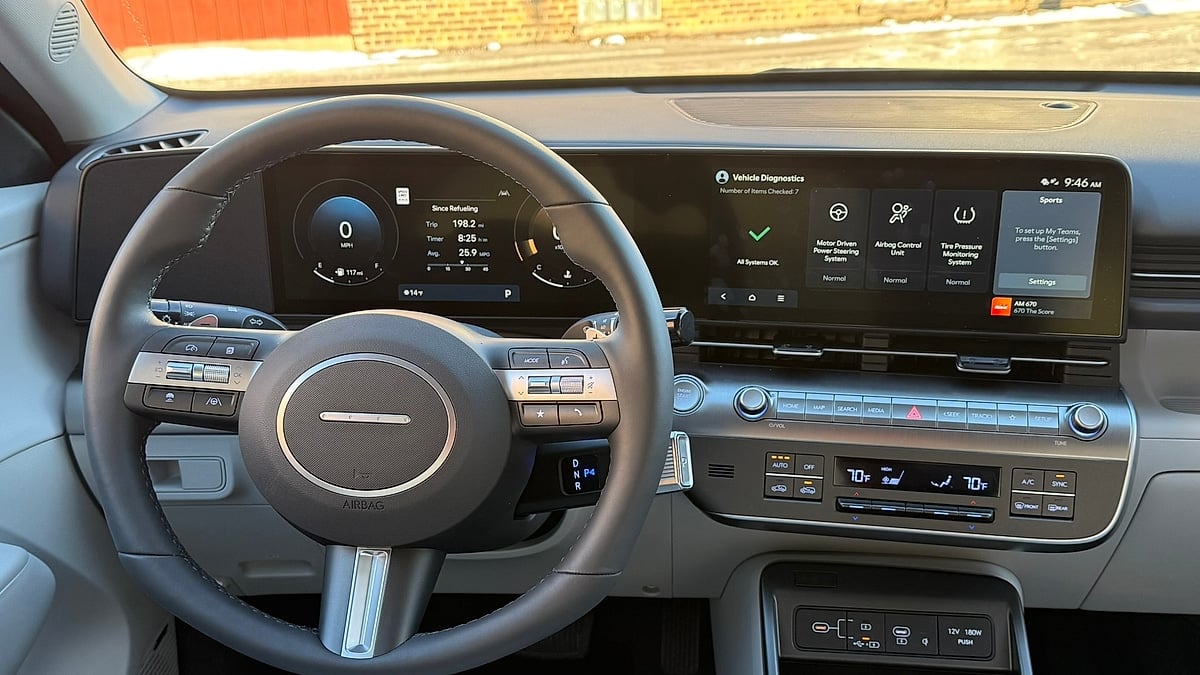
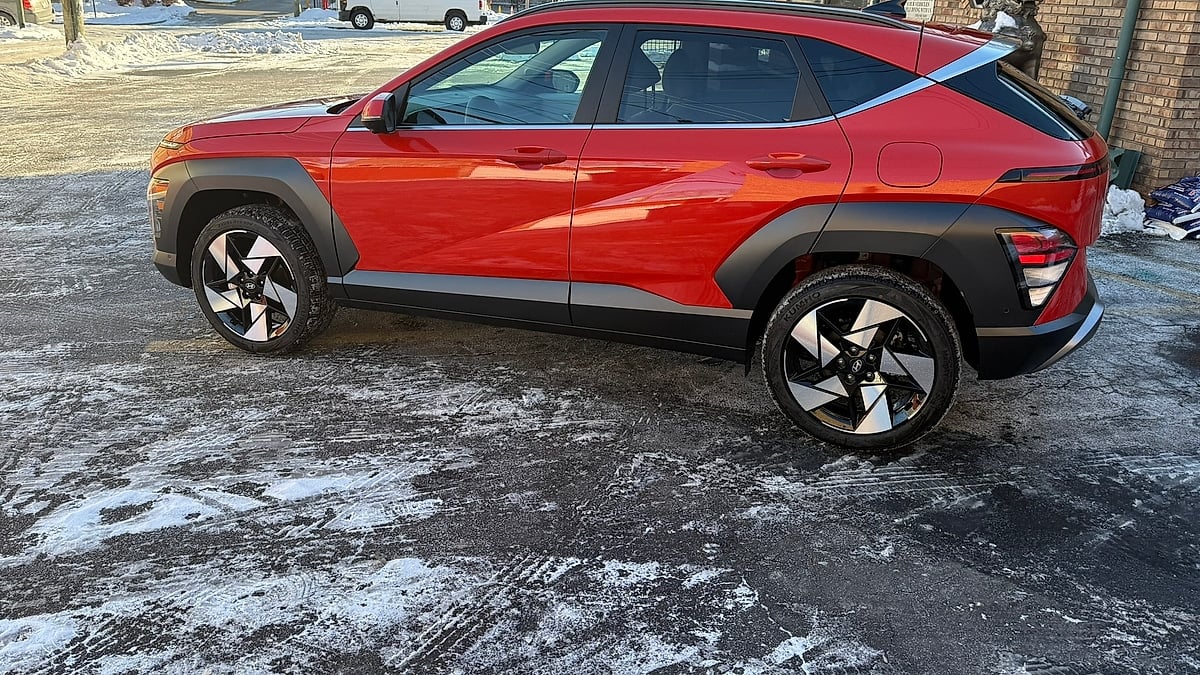
Torque News Breaks Down the 2026 Hyundai Kona’s Features
Hyundai offers the Kona in four trims – SE, SEL Sport, SEL Premium, and Limited. My Limited tester started at $34,150 and included 19-inch wheels, LED lighting, power sunroof, roof rails, hands-free smart liftgate, keyless entry and starting, smart cruise control, 360-degree monitoring, smart parking assist, dual-zone climate control, ambient lighting, power driver’s seat, heated and cooled front seats, heated steering wheel, front and rear USB ports, cargo cover, wireless Android Auto and Apple CarPlay, digital key, Bose audio, wireless phone charging, satellite radio, and wi-fi hotspot.
Available advanced driver-assist system forward collision-avoidance assist, lane-keeping assist, lane-following assist, driver-attention warning, blind-spot collision warning, blind-spot view monitor, rear cross-traffic collision-avoidance assist, park distance warning, rearview camera, and safe-exit warning.
Options included carpeted floor mats and the orange paint, for a total of $36,385 with D and D fees.
Fuel economy is 25 mpg city/28 mpg highway/26 mpg combined. That seems a tick low for a four-banger, even one that’s turbocharged.
Hyundai has a nice all-around commuter here, even if it does check in at a high price when loaded in Limited trim. You can probably get a deal on the slightly sportier Trax, and the Kona is more fun than the Corolla Cross or Honda HR-V.
It kinda stinks that you have to pony up for the better features - and better engine - on the top-end Kona, but it’s worth it. The Kona is all about packaging - and the lower trims are probably best avoided. The higher trims offer much better packaging, it’s just a matter of if the price is right.
About The Author
Tim Healey is an experienced automotive writer and editor from Chicago. He has covered automotive news at Consumer Guide Automotive, Web2Carz, AutoGuide, and was the managing editor at The Truth About Cars. Tim is a member of the Midwest Automotive Media Association. You can find him on Facebook, X/Twitter, and on LinkedIn.
Set Torque News as Preferred Source on Google
Follow us today...