
Every few decades, an industrial pivot occurs that fundamentally redefines an entire market segment. In the automotive world, we are currently living through the painful but exhilarating transition from legacy mechanical platforms to software-defined, fully electric architectures. For years, premium legacy manufacturers treated electric vehicles (EVs) as a compliance exercise or a side project, often stuffing batteries into modified internal combustion engine (ICE) chassis. This compromise approach inevitably added unnecessary weight, reduced interior volume, and introduced severe packaging inefficiencies.
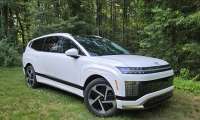
Volvo Cars has taken a radically different approach. Rather than clinging to hybrid transitions indefinitely, the Swedish automaker is aggressively rebuilding its portfolio around computational platforms. The flagship vehicle spearheading this vision is the new three-row SUV showcased on the official Volvo EX90 Electric portal. This vehicle represents far more than just a quiet alternative to the long-serving gas-powered XC90; it is a declaration of independence from internal combustion technology.
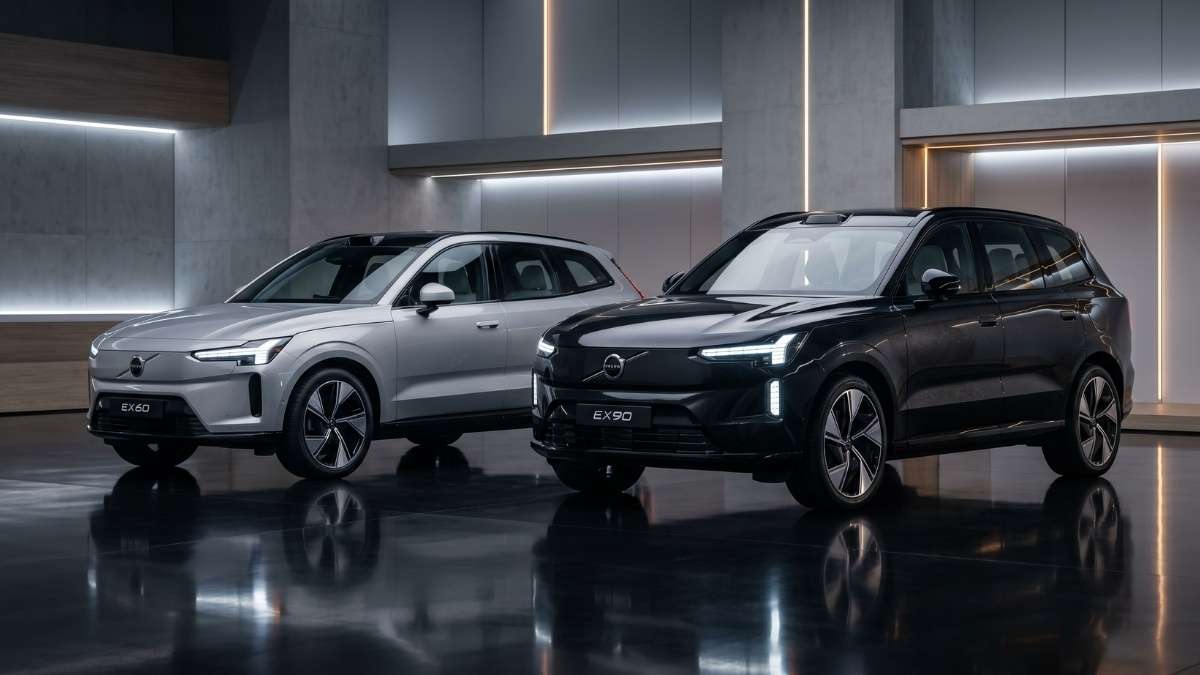
At the same time, this rapid development cycle creates an interesting dilemma for buyers. While the flagship EX90 showcases what is possible at the high end of scale and luxury right now, the smaller, upcoming EX60 is preparing to debut an even more advanced underlying architecture. Understanding how these platforms interact, perform, and compete is essential for any forward-looking tech enthusiast or premium car buyer.
The EX90 Twin Motor Performance Sets a New Benchmark
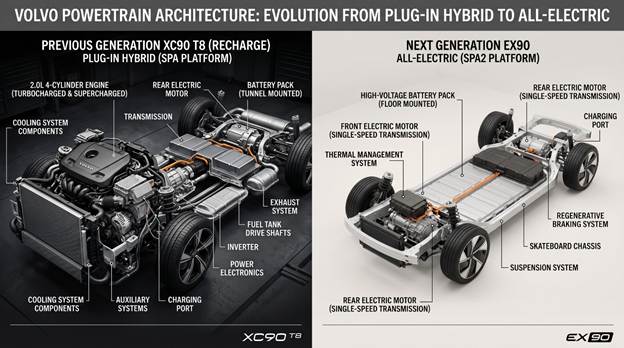
To fully grasp how far Volvo has traveled, you have to look at the raw specifications of the EX90 Twin Motor Performance variant. In the old world of the gas-powered XC90, a top-tier T8 plug-in hybrid setup delivered a respectable but complex combination of supercharging, turbocharging, and electric motor assist to achieve roughly 455 horsepower. The EX90 completely obliterates that mechanical complexity.
By utilizing a dual-motor, all-wheel-drive configuration paired with a massive 106-kWh usable battery pack, the EX90 Twin Motor Performance trim generates an astonishing 670 horsepower and 642 lb-ft of instant torque. This massive power output launches a seven-passenger luxury vehicle from 0 to 60 mph in a scant 4.0 seconds. This level of acceleration was once reserved exclusively for elite supercars, yet it is delivered here with the serene, vibration-free quietness unique to high-output electric powertrains.
Beyond sheer straight-line speed, the most critical upgrade lies within the vehicle's electrical system. The EX90 incorporates a highly optimized high-voltage architecture capable of accepting DC fast charging at up to 250 kW. This translates to an incredibly flat charging curve that can replenish the battery from 10% to 80% capacity in just 22 minutes under optimal conditions. For a vehicle with an EPA-estimated range of up to 305 miles, a 22-minute stop makes long-distance road tripping genuinely practical. This fast recovery time eliminates the prolonged charging delays that have historically plagued early adoption of large electric sport utility vehicles.
Evaluating the EX90 Against Its Premium Class Peers
When you look at the broader luxury EV landscape, the EX90 positions itself in a fiercely contested territory, going head-to-head with established premium heavyweights such as the BMW iX, the Audi Q6 e-tron, and its close corporate cousin, the Polestar 3.
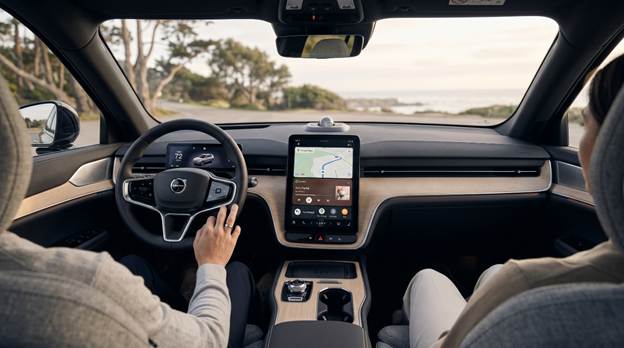
From a pure design philosophy, Volvo has doubled down on understated, functional Scandinavian minimalism. While the BMW iX opts for an aggressively polarizing exterior design with massive vertical faux-grilles and an avant-garde cabin layout, the EX90 remains classic, handsome, and recognizable. It maintains the commanding presence of a traditional luxury SUV but cleans up the aerodynamics significantly, achieving a remarkably slick drag coefficient. Inside, the EX90 feels like an upscale Nordic living room, utilizing sustainable, premium textiles and open-pore wood elements rather than flashy chrome or overly complex ambient lighting setups. Crucially, the EX90 retains standard three-row seating for up to seven passengers, a feature that immediately distinguishes it from the two-row-only configurations found in the BMW iX and Polestar 3.
In terms of pricing and financial strategy, the EX90 enters the market with a highly competitive posture. With well-equipped Twin Motor Performance trims hovering in the $85,000 to $95,000 range depending on packages, it provides a compelling alternative to more expensive luxury haulers. Performance-wise, while the Polestar 3 shares a baseline platform lineage, it is tuned to be a much stiffer, more aggressive five-passenger performance crossover. The EX90, particularly when equipped with its available active dual-chamber air suspension system, prioritizes isolated comfort, supreme ride quality, and vault-like cabin quietness. It behaves like a luxury cruiser that just happens to possess enough raw torque to surprise almost anything next to it at a stoplight.
Comparing the Tech: EX90 Versus the Upcoming EX60
For buyers currently attempting to order the upcoming mid-size Volvo EX60 (like me), the technological comparison against the flagship EX90 is where things get truly fascinating. This comparison highlights a classic tech industry phenomenon: the fast-following mid-tier product frequently benefits from rapid architectural iterations developed right after the flagship launches.
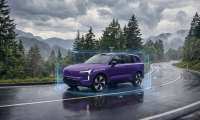
The EX90 is built upon Volvo's SPA2 (Scalable Product Architecture 2) platform. It is a highly capable, software-defined system that utilizes a centralized core computing architecture powered by NVIDIA DRIVE AI platforms to manage safety, infotainment, and battery management systems as a unified whole. This approach allows the EX90 to deploy an advanced suite of active sensors, including a roof-mounted LiDAR unit, ensuring the vehicle is fully hardware-ready for next-generation autonomous driving updates.
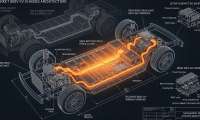
However, the upcoming EX60 represents the global debut of Volvo's brand-new SPA3 platform. While SPA2 was a monumental step forward, it still carried a few evolutionary design ties to previous platform concepts. The SPA3 platform, by contrast, is a pure, clean-sheet electric architecture developed without a single compromise required for internal combustion or hybrid layouts.
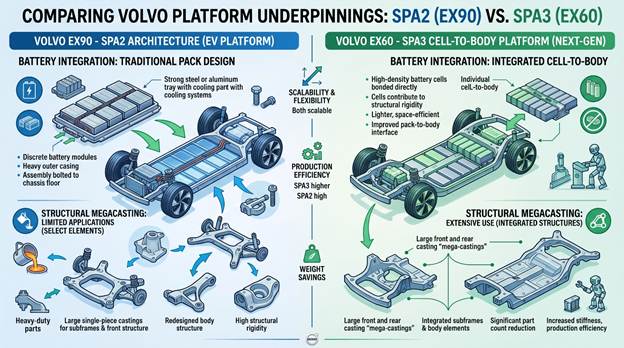
The structural differences between these two generations are profound:
- Cell-to-Body Structural Battery Integration: Unlike the EX90, which uses a traditional modular battery pack bolted inside a structural cage under the floor, the EX60's SPA3 architecture integrates the battery cells directly into the vehicle's floor structure. This cell-to-body approach removes redundant structural layers, substantially reducing overall vehicle weight while simultaneously increasing chassis rigidity and maximizing passenger legroom.
- Advanced Megacasting Production: The EX60 introduces large-scale aluminum megacasting for its rear underbody structure. By casting massive sections of the frame as a single piece rather than welding dozens of individual stamped metal components, Volvo reduces weight, lowers production complexity, and significantly improves energy efficiency and real-world handling dynamics.
- The HuginCore Compute Ecosystem: While the EX90 relies on an excellent centralized core computer, the EX60 introduces an updated central nervous system called HuginCore. Developed in tight collaboration with NVIDIA and Qualcomm, this updated computing platform offers faster processing speeds and a more responsive, intuitive user interface on its 15.0-inch OLED display. It is designed specifically to address early software feedback from the EX30 and EX90 launches, promising even tighter software-hardware integration.
- 800-Volt Electrical Infrastructure: While the EX90 features an optimized charging curve on its high-voltage system, the EX60 leverages a full 800-volt architecture across its model lineup. This allows the dual-motor EX60 P10 AWD variant to accept blazing fast DC charging speeds up to 370 kW, meaning it can recover massive amounts of range in even tighter windows than its larger sibling.
For a consumer looking to place an order, this creates an interesting calculation. The EX90 gives you unmatched physical presence, premium three-row utility, and massive 670-horsepower performance right now. The EX60 will deliver a slightly smaller, more agile two-row footprint, but it brings a highly optimized manufacturing paradigm, an upgraded charging speed ceiling, and a slightly more advanced computing architecture at a more accessible baseline price point.
Wrapping Up
The Volvo EX90 Twin Motor Performance is a towering achievement for an automaker transitioning into a pure-play electric future. It successfully sheds the mechanical constraints of the older XC90 generation, delivering a massive 670-horsepower platform that reframes what a premium family SUV can be. To cross-reference specific baseline metrics, buyers can explore layout dimensions, cargo capacities, and localized option packages directly on the Volvo Cars EV Specifications Overview breakdown. Its elegant Scandinavian design, practical three-row layout, and rapid 22-minute fast-charging performance make it an incredibly strong competitor against premium rivals from Germany and domestic EV builders.
Yet, the parallel development of the upcoming EX60 proves that Volvo's technological trajectory is moving at an exponential pace. For those who require maximum cargo space, seven seats, and immediate top-tier luxury capability, the EX90 remains the definitive flagship choice. But for buyers who favor cutting-edge platform efficiency, structural cell-to-body engineering, and the absolute latest in core computing design, waiting on an EX60 order represents a highly strategic, future-proof move. Ultimately, both vehicles confirm that Volvo is no longer just playing catch-up in the EV race—they are actively rewriting the rules of engagement.
Disclosure: Images rendered by Artlist.io
Rob Enderle is a technology analyst at Torque News who covers automotive technology and battery developments. You can learn more about Rob on Wikipedia and follow his articles on TechNewsWord, TGDaily, and TechSpective.
Set Torque News as Preferred Source on Google
Follow us today...