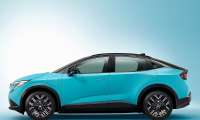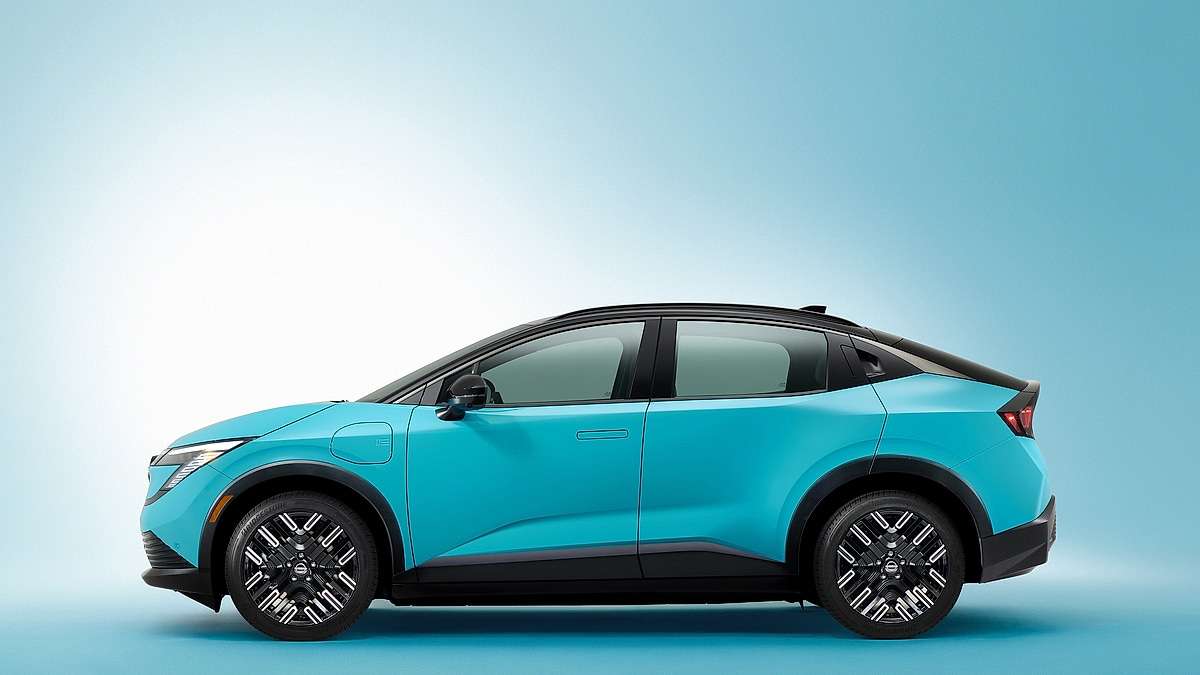

I have been intrigued with the idea that electric vehicle drive trains can last indefinitely and much longer than gas-powered vehicles. As battery packs achieve longer service lives, become cheaper, and more easily replaceable, the true lifespan of an EV will be determined by its body, electronics, motor and gearbox. In an exclusive dialog, Nissan provided some evidence that supports this notion. When I asked Nissan USA if there is a mileage point at which motor efficiency measurably declines, a representative responded with, “There is no characteristic trend of motor efficiency deteriorating as mileage increases.”
One of the most persistent objections to electric vehicles is also one of the oldest. Critics have long questioned how long they will last. Batteries degrade. Technology changes rapidly. Replacement costs can be significant. Many consumers assume that an electric vehicle is little more than a giant smartphone on wheels, destined to become obsolete after a decade.
Evidence increasingly suggests the opposite.
A growing body of research indicates that electric vehicles are proving to be more durable than their gasoline powered counterparts. The discussion is no longer focused on whether an EV can survive 100,000 miles. Increasingly, engineers, researchers, and high mileage owners are discussing a real possibility: the arrival of the million-mile vehicle.
The argument rests on a simple observation. Modern electric vehicles are mechanically simpler than gas-powered vehicles. A gasoline engine contains thousands of components operating under high temperatures, pressure, and friction. Pistons slam up and down thousands of times per minute. Valves open and close continuously. Oil circulates through a complex network of passages. Transmissions contain numerous gears, clutches, pumps, and hydraulic systems.
An electric drivetrain looks remarkably different. Most consist of one or more motors, power electronics, and a single speed reduction gearbox. The number of moving parts is dramatically lower. Fewer moving parts generally mean fewer opportunities for wear, failure, and expensive repairs.
That simplicity is beginning to show up in real world data.
Researchers recently analyzed hundreds of millions of vehicle inspection records to estimate the lifespan of different vehicle types. Their findings suggest that modern battery electric vehicles are now exceeding the longevity of conventional cars. The typical EV was found to have an expected lifespan of approximately 18 years and an average lifetime mileage exceeding 124,000 miles, slightly higher than comparable gasoline vehicles.
Such findings challenge a long-held assumption that battery powered transportation inevitably means shorter vehicle life.
The economics are equally important. While EVs often cost slightly more to manufacture, their operating expenses are significantly lower. Owners avoid oil changes, spark plugs, timing belts, exhaust systems, fuel injectors, and many of the routine maintenance items associated with internal combustion engines. If vehicles remain on the road longer while requiring fewer repairs, their lifetime ownership costs become increasingly attractive.
Battery durability remains the most closely watched variable.
Like every rechargeable battery, EV batteries gradually lose capacity over time. Most modern packs lose roughly 1% to 2% of their capacity annually, though actual results vary according to climate, charging habits, and usage patterns. A vehicle that originally traveled 300 miles on a charge may eventually provide closer to 210 or 240 miles after many years of service.
That decline sounds dramatic until viewed through the lens of everyday transportation. Most Americans drive fewer than 40 miles per day. Even a substantially degraded battery may still provide more range than many drivers routinely need.
Battery technology is also improving rapidly. Several studies have found that many modern EV batteries retain approximately 90% of their original capacity after 100,000 miles. Fleet operators have reported degradation rates that are often lower than early industry forecasts. Some batteries are already projected to remain useful for 300,000 to 500,000 miles before reaching commonly accepted replacement thresholds.
Researchers continue pushing those limits further. Battery manufacturers have discussed designs capable of approaching one million miles of service. Experimental chemistries under development could potentially extend useful battery life far beyond that figure. The notion of replacing a battery every decade may ultimately prove as outdated as replacing a television tube.
Real world examples are already beginning to emerge.
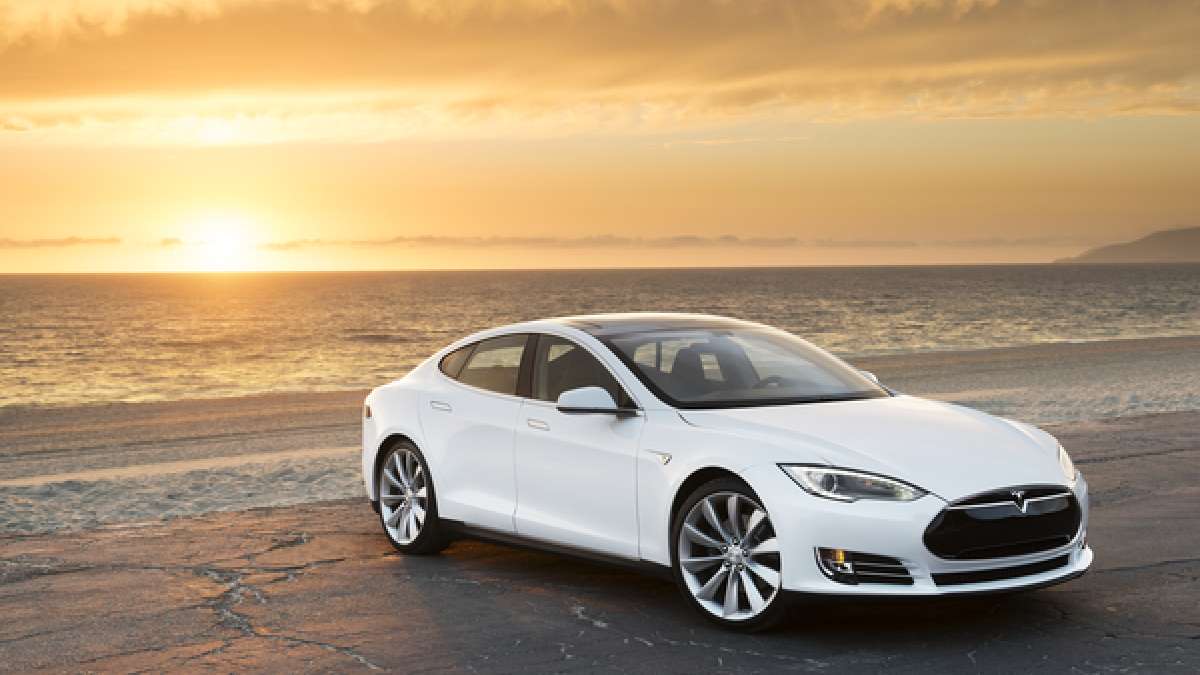
A German Tesla owner recently surpassed 1.2 million miles in a Model S. The vehicle required multiple battery and motor replacements along the way, which demonstrates both the promise and limitations of current technology. The achievement does not mean every component lasted 1.2 million miles. It does suggest that the vehicle itself remained economically repairable long after many conventional automobiles would have been retired.
Other Tesla and Nissan owners have reported vehicles exceeding 300,000 or 400,000 miles while retaining their original drivetrains. Such examples remain unusual, though they are becoming increasingly common. What once seemed extraordinary is gradually becoming plausible.
The implications extend beyond individual ownership.
One of the environmental criticisms of electric vehicles is that battery production generates substantial emissions. Manufacturing an EV often produces more carbon dioxide than manufacturing a comparable gasoline vehicle. Longevity changes that equation.
A vehicle that remains operational for twenty years spreads its manufacturing footprint across a much larger period of service. Fewer replacement vehicles need to be built. Fewer raw materials must be extracted. Less energy is consumed in manufacturing. Longer lifespans improve the environmental case for electrification even before accounting for the emissions savings associated with driving.
Second and third owners stand to benefit as well.
Historically, new vehicle technology has often been reserved for wealthier buyers. Used vehicles eventually democratize innovation. If electric cars remain reliable for decades, they can pass through multiple ownership cycles while continuing to provide affordable transportation.
This dynamic may prove particularly important as used EV prices continue to fall. Vehicles that once sold for premium prices are increasingly available for the cost of an ordinary used sedan. A durable used EV with low operating costs could become one of the most economical forms of transportation available.
Longevity, however, creates an unusual challenge for automakers.
The traditional automotive business model depends on selling replacement vehicles. A customer who buys a new car every six or seven years generates significantly more revenue than one who keeps a vehicle for twenty years. The possibility of exceptionally durable EVs raises uncomfortable questions about future demand.
Automakers may find themselves confronting a challenge familiar to consumer electronics companies. When hardware improvements become incremental, manufacturers often rely on software, ecosystems, and services to drive upgrades.
The automotive industry already appears to be moving in that direction. Modern vehicles increasingly rely on software updates, subscription services, connected features, and advanced driver assistance systems. New models frequently offer enhanced sensors, computing power, charging capabilities, and entertainment systems.
Some consumers will undoubtedly continue upgrading to access those features. Others may conclude that their existing vehicle remains more than adequate.
A decade old EV capable of traveling 250 or 300 miles on a charge may satisfy most transportation needs. Incremental improvements in charging speed or infotainment technology may not justify replacing an otherwise functional vehicle. That reality could shift competitive priorities across the industry.
The greater threat to long term ownership may not be battery degradation or motor wear. It may be software compatibility.
Technology companies have long demonstrated the power of digital ecosystems. Devices remain physically functional while gradually losing access to new features and services. The same risk exists in transportation. Future software updates may require newer hardware. Advanced driver assistance systems may depend on sensors unavailable in older vehicles. Connectivity features could eventually become unsupported. A vehicle capable of mechanically operating for decades may still face digital aging.
Another critical issue involves repairability.
Although electric vehicles require less maintenance, they are not maintenance free. Independent repair networks remain relatively limited compared with those supporting conventional vehicles. Specialized training, proprietary diagnostic tools, and restricted access to components can increase repair costs and reduce consumer choice.
The emerging debate over right to repair may therefore become one of the defining issues of the electric era. A million-mile vehicle has little value if owners cannot obtain affordable repairs or replacement components.
Manufacturers face a choice. They can embrace long term serviceability and support independent repair ecosystems, or they can pursue tightly controlled maintenance models that resemble consumer electronics. The path they choose may determine whether exceptional vehicle longevity becomes a widespread reality or remains a technical possibility.
The broader significance extends beyond transportation economics.
Long lasting vehicles reduce waste. They lower demand for raw materials. They create opportunities for secondary markets. They improve affordability. They maximize the value extracted from every ton of steel, aluminum, copper, lithium, and nickel that enters the supply chain.
For decades, automotive progress was measured by horsepower, acceleration, and styling. The next chapter may be defined by durability.
Electric vehicles were initially promoted as cleaner alternatives to gasoline cars. Increasingly, their greatest advantage may prove to be something far simpler. They may last much longer. The million-mile vehicle is no longer a speculative engineering exercise. Pieces of the puzzle already exist. Batteries continue improving. Motors routinely demonstrate remarkable durability. Maintenance requirements remain comparatively modest. High mileage examples are steadily accumulating evidence.
Whether consumers ultimately keep a single vehicle for several decades remains uncertain. Human preferences evolve, technology advances, and newer products will always tempt buyers. Yet for the first time in automotive history, the limiting factor may no longer be mechanical durability.
The automobile industry spent more than a century learning how to build cars that could travel great distances. It may now be entering an era in which the challenge is figuring out what to do when they refuse to wear out.
What Do You Think?
If an EV could realistically last 30 years or more, would you keep it that long or replace it for newer technology?
If battery replacements become affordable, would there be any reason to buy a brand-new car every few years?
Chris Johnston is the author of SAE’s comprehensive book on electric vehicles, "The Arrival of The Electric Car." His coverage on Torque News focuses on electric vehicles. Chris has decades of product management experience in telematics, mobile computing, and wireless communications. Chris has a B.S. in electrical engineering from Purdue University and an MBA. He lives in Seattle. When not working, Chris enjoys restoring classic wooden boats, open water swimming, cycling and flying (as a private pilot). You can connect with Chris on LinkedIn and follow his work on X at ChrisJohnstonEV.
Photo credit: Nissan media kit, Tesla media kit
Set Torque News as Preferred Source on Google
Follow us today...