
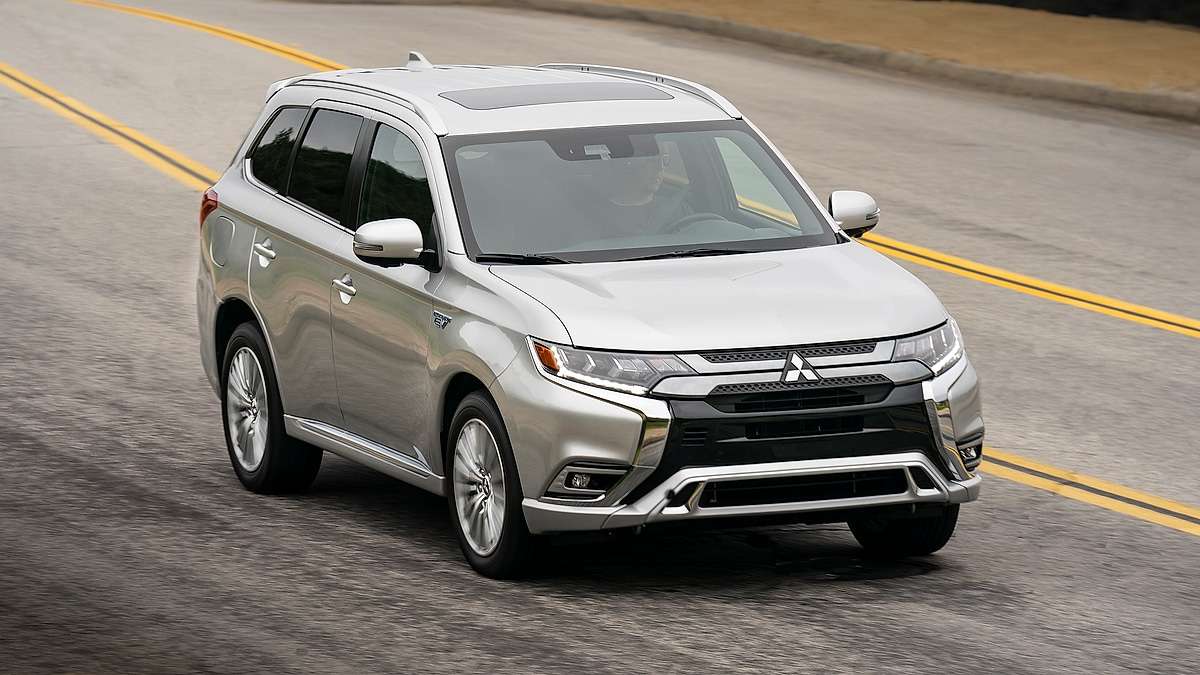

Plug-in hybrids were sold as the compromise that would make everyone happy, the bridge between gasoline past and electric future, but J.D. Power's 2025 Vehicle Dependability Study just proved they are the worst powertrain you can buy after three years of ownership. PHEVs scored 242 problems per 100 vehicles, dead last behind diesel at 233, full EVs at 223, gas at 200, and even conventional hybrids at 199. The gap between PHEVs and battery electrics widened by 59 problems in a single year because PHEVs declined by 26 while EVs improved by 33. That is not a rounding error. That is a powertrain in freefall while its supposedly more complicated rival climbs the reliability ladder in the opposite direction. The problem is not that plug-in hybrids are too complex, though they absolutely are. The problem is that owners use them in ways the engineering team never imagined, and the result is a car hauling around 400 pounds of dead battery while its gasoline engine cold-starts under full load every single morning. Nobody designed this machine to be a heavy hybrid that never plugs in. That is what it has become.
The engineering reality nobody wants to talk about
A PHEV is two complete cars stuffed into one body, and that body pays for every compromise. It carries a full internal combustion engine with all its attendant fluids, belts, and wear items, plus a battery pack, electric motor, and the software bridge that decides which powertrain does what and when.

That software integration is where the real misery lives. The powertrain control module has to manage handoffs between electric and combustion modes, predict driver behavior, and optimize for efficiency across two fundamentally different systems. When the battery is charged, the car runs as a quiet, smooth EV. But when owners stop plugging in, and many do, that battery becomes 400-plus pounds of structural dead weight. The engine then has to cold-start under load to move a car that was never designed to run solely on gasoline. The thermal cycling is brutal. The software gets confused. The warning lights multiply. The owner wonders why they paid a premium for a car that acts as if it hates them. The flaw is not in the components. It is assumed that owners would behave the way engineers predicted.
That 242-problem score puts PHEVs in a category all their own, and the direction of travel makes it worse. While full EVs improved by 33 problems year over year, PHEVs declined by 26. That 59-point swing in a single year is unprecedented in recent Vehicle Dependability history. New 2022 model year vehicles scored 241 problems while carryover models managed 196, suggesting that fresh complexity, not age, is the primary driver of PHEV failure. The most reported problem across the entire industry was Android Auto and Apple CarPlay connectivity at 8.4 problems, up from 6.3 the year before. For PHEVs specifically, that connectivity frustration compounds with powertrain confusion, creating a vehicle that frustrates its owner on multiple fronts simultaneously.
Why the bridge-to-electric pitch is looking shaky
The bridge-to-electric pitch has always been seductive: drive electric for your commute, burn gas for road trips, never worry about range anxiety. The reliability data says that the story only works if the owner actually plugs the car in every night, and ownership surveys suggest a significant portion do not.
The result is a vehicle that was sold as the best of both worlds and is delivering the worst. Full EVs improved because their software matured, charging infrastructure expanded, and owners learned how to live with them. PHEVs deteriorated because they sit at the intersection of every automotive headache: internal combustion maintenance, battery degradation anxiety, software glitches, and now connectivity failures that outrank every mechanical complaint in the study.
The over-the-air update story adds another layer of futility. Only 36 percent of vehicles received an over-the-air update at all, 30 percent of those owners reported any improvement, and 56 percent saw no change whatsoever. For PHEV owners already dealing with dual-powertrain complexity, a software fix that never arrives is not a comfort. It is a reminder that the manufacturer sold them a beta test wrapped in leather seats. The 45-point gap between new 2022 MY models and carryover models should terrify anyone considering a first-year PHEV. Fresh platforms are where automakers work out the kinks, and PHEV kinks appear to be particularly expensive and persistent.
For buyers standing at a dealership, the math is brutal and getting worse by the year. A conventional hybrid at 199 problems offers nearly identical real-world fuel economy without the plugging requirement, the software labyrinth, or the cold-start penalty. A full EV at 223 problems and improving fast eliminates the internal combustion component entirely. The PHEV at 242 problems and declining offers neither the simplicity of a hybrid nor the forward momentum of an EV. It offers complexity without the payoff, two powertrains that fight each other, and a reliability trajectory that confirms the format is still searching for an identity it will never find. The bridge to electricity is burning. And the people who bought tickets are still stuck in traffic.
About The Author
Noah Washington is an automotive journalist based in Atlanta, Georgia, covering sports cars, luxury vehicles, and performance culture. His reporting focuses on explaining the engineering, design philosophy, and real-world ownership experience behind modern vehicles.
Noah has been immersed in the automotive world since his early teens, attending industry events and following the enthusiast communities that shape how cars are built and driven today. His work blends industry insight with enthusiastic storytelling, helping readers understand not just what a car is, but why it matters.
Noah is also a member of the Southeast Automotive Media Association (SAMA), a professional organization for automotive journalists and industry media in the Southeast.
His coverage regularly explores sports cars, luxury vehicles, and performance-driven segments of the automotive industry, including the evolving culture surrounding Formula Drift and enthusiast builds.
Read more of Noah's work on his author profile page.
You can also follow Noah here:
Set Torque News as Preferred Source on Google
Follow us today...







Comments
JD Power's data for the 2023…
Permalink
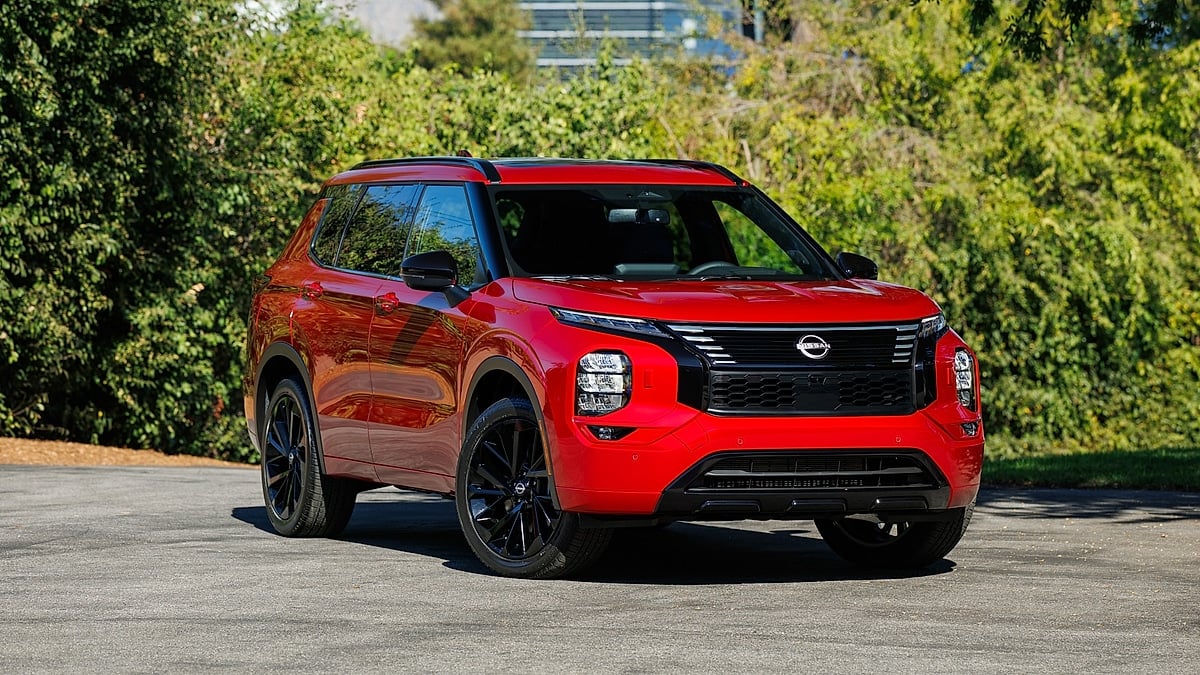
JD Power's data for the 2023 model year PHEVs studied by this year's most recent report is valid, but there's a twist. The 2023 MY PHEV models that dragged the score down so badly were primarily from Jeep and Chrysler, brands that have struggled with reliability in all powertrain types. The PHEV models that dragged that study average down are no longer produced by Jeep and Chrysler, having been canceled in the US market. For example, the 2023 Jeep Grand Cherokee PHEV had a crazy-low score of just 8/100 at Consumer Reports. By contrast, the 2023 Toyota RAV4 Prime (PHEV) produced during the JDP study period earned a 78/100 reliability score at Consumer Reports. That's a score that is hard to beat with any powertrain type. Your story shows a Nissan vehicle image, but there was no PHEV from Nissan on sale in America in 2023, the model year the JDP study examined. Personally, I prefer hybrids without plugs, not PHEVs, but the ones Toyota makes earn outstanding owner satisfaction scores and reliability ratings that are higher than almost any vehicle made at any price.
Not me, I prefer PHEV (and…
Permalink
In reply to JD Power's data for the 2023… by John Goreham
Not me, I prefer PHEV (and EREV) over regular hybrid, but am I the only one who love the 2026 Mitsubishi Outlander PHEV?
The Outlander PHEV has…
Permalink
In reply to Not me, I prefer PHEV (and… by Richard Joash Tan (not verified)
The Outlander PHEV has always made more sense than it gets credit for. It is not the flashiest option, but for a lot of families the mix of electric commuting and gas backup is exactly the practical middle ground.