
A few years ago, an Ioniq 5 owner could leave home knowing exactly which charging cable belonged where. Then the industry changed the plug, the adapters changed jobs, and a routine road trip turned into the kind of moment that makes even experienced EV drivers wonder if they've missed something obvious.
Denise Lionetti changed model years and inherited a new charging rulebook.
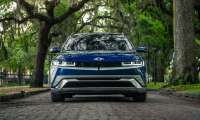
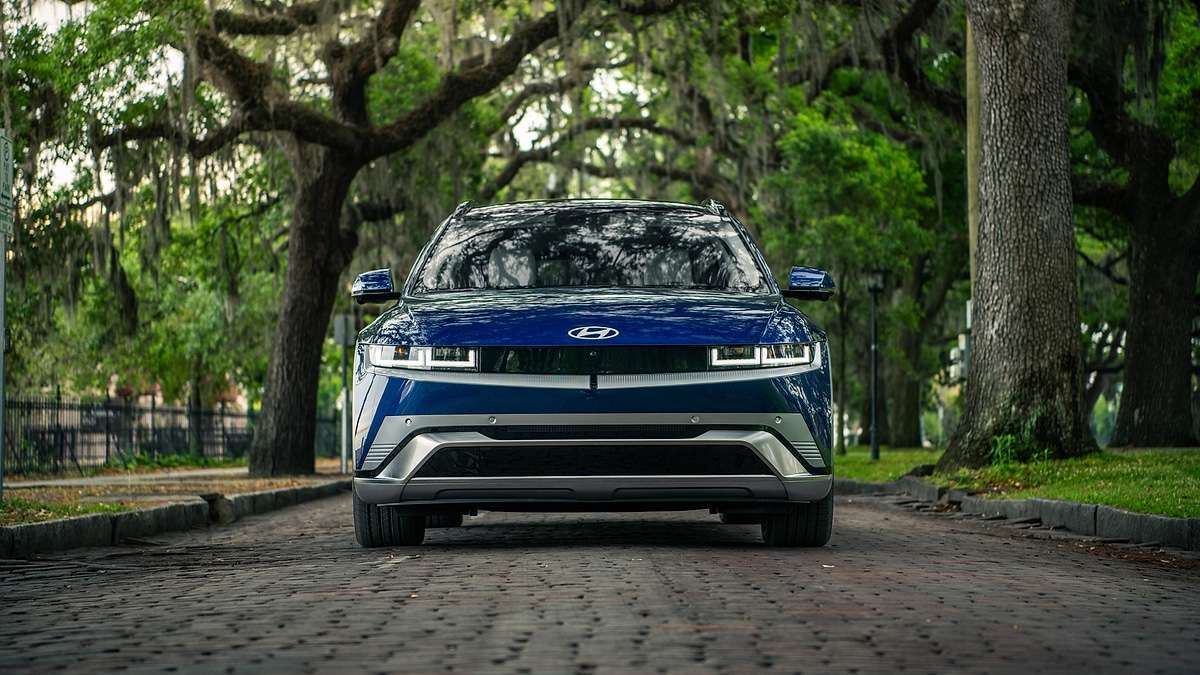
Her 2024 Hyundai Ioniq 5 used a CCS1 fast-charging port. The 2026 sitting in her driveway accepts Tesla’s smaller NACS connector directly. Somewhere among the cables and adapters delivered with the new lease was the hardware required to use older CCS stations, but she had never identified it before leaving New Jersey on a road trip.
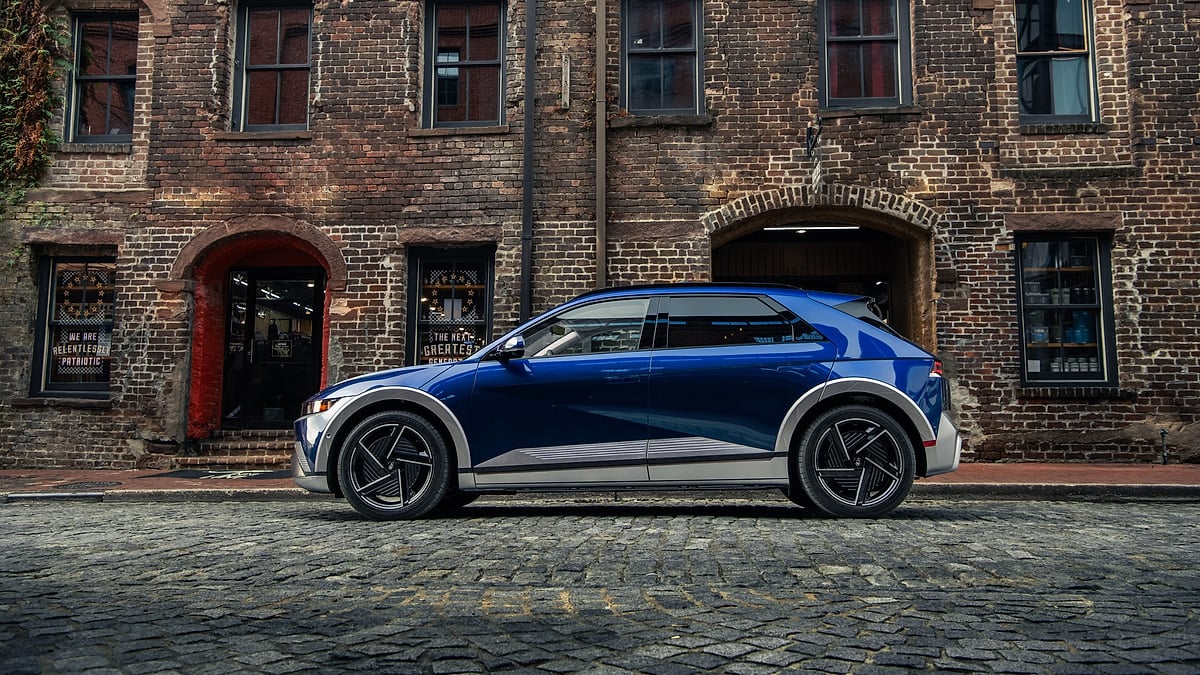
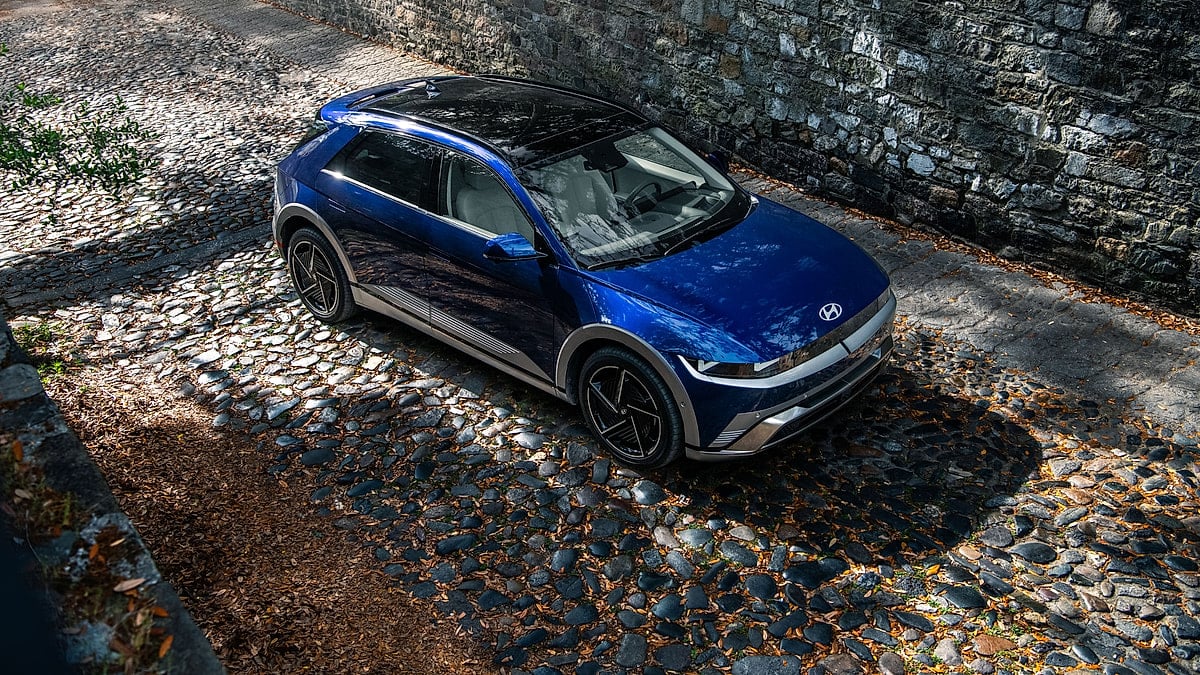
Ioniq 5 Native Charging Port:
- The 2026 Hyundai Ioniq 5 is one of the first mainstream EVs sold in America with a native NACS charging port, allowing direct access to compatible Tesla Superchargers without an adapter.
- Hyundai's 800-volt E-GMP architecture remains a standout feature, enabling DC fast charging from 10% to 80% in as little as 20 minutes when connected to a compatible 350-kW CCS charger.
- Depending on trim, the 2026 Ioniq 5 offers up to 318 miles of EPA-estimated range and includes both CCS and J1772 adapters to maintain compatibility with older charging networks.
Why The 2026 Ioniq 5 Is Confusing Even Experienced EV Owners
Then a charging app displayed an error while the car appeared to be charging.
That is enough to turn an ordinary travel stop into a small electrical panic. The vehicle says energy is flowing. The phone says something has failed. The owner stands beside two tons of unfamiliar high-voltage machinery and wonders which screen is lying.
Lionetti opened her post by asking people to spare her the lecture. She believed she had made a huge mistake.
I think Hyundai handed her a transition problem and left her to discover it on the road.
The Same Ioniq 5 Now Speaks The Opposite Plug Language
A 2024 Ioniq 5 has a CCS1 inlet. It plugs directly into Electrify America, EVgo, and other CCS fast chargers. Reaching a compatible Tesla Supercharger requires a Hyundai-approved NACS-to-CCS1 adapter.
A 2026 Ioniq 5 has a native NACS inlet. It plugs directly into compatible Tesla Superchargers. Using a CCS fast charger requires the large CCS-to-NACS adapter included with the vehicle.
Same model name. Same basic EV architecture. Reversed adapter logic.
Owners often call either device “the Tesla adapter,” which makes the language worse. One adapter allows an older CCS-equipped Hyundai to accept a Tesla-shaped cable. The other allows a newer NACS-equipped Hyundai to accept the large CCS plug hanging from an Electrify America or EVgo cabinet.
The direction counts.
Lionetti had already spent two years learning one version of Ioniq 5 ownership. Her new lease quietly invalidated part of that knowledge. Experience became a trap because the industry changed the physical standard during the same model’s production run.
That deserves more sympathy than ridicule.
The Car’s Charging Screen Carries More Weight Than A Stray App Error
Several commenters focused on the immediate concern: could continuing the session damage the car?
If the Ioniq 5 displayed active charging, showed incoming kilowatts, and increased its state of charge, the vehicle and station had completed the high-voltage handshake. The charger did not simply begin throwing electricity at the battery because somebody plugged in a cable.
Before DC charging starts, the vehicle and charger communicate. They establish compatibility, voltage, current limits, isolation status, connector lock, and payment authorization. The Ioniq 5 controls how much power it accepts. The station supplies power within that request.
An app can lose track of the transaction without interrupting the electrical session.
A weak cellular connection may delay the status. The wrong stall may have been selected in the app. The station may already have started the session through another payment channel. The app may have timed out while the charger and car continued talking directly.
Plug & Charge adds another possible explanation. Hyundai introduced the feature through an over-the-air update for native-NACS Ioniq 5 vehicles. Once the owner enrolls through Bluelink and Hyundai Pay, plugging into a participating station can identify the vehicle and authorize payment without a separate start command.
If Plug & Charge started first, a later attempt through the Tesla app could return an error because the stall was already active.
That explanation fits the symptoms. It remains a theory until the session record confirms which account paid.
The safest hierarchy is simple. Check the vehicle display first. Confirm that charging power and battery percentage are rising. Check the charger screen second. Use the app to monitor billing and session control. A warning inside the car, repeated charging interruptions, visible connector damage, unusual heat, smoke, or a burning smell changes the situation immediately. Stop the session and call support.
A lonely phone error beside a steadily charging car belongs in a less frightening category.
The Bulky Adapter Is The One That Unlocks The Ioniq 5’s Best Speed
The strangest part of Hyundai’s switch to NACS is that the adapter may deliver the faster road-trip charge.
The 2026 Ioniq 5 carries an 800V battery architecture. At a suitable 350-kW CCS station, Hyundai says the long-range battery can move from 10 to 80 percent in about 20 minutes using the factory-supplied CCS adapter.
A Tesla V3 Supercharger generally operates as 400V equipment. Hyundai lists native-NACS charging around 95 to 125 kW at those sites, with the long-range battery taking about 30 minutes from 10 to 80 percent under favorable conditions.
The Tesla-shaped port expands access. The big CCS adapter unlocks the battery’s fastest charging environment.
That feels backward because adapters usually carry the stink of compromise. This one acts more like a passport to the Ioniq 5’s home turf. The adapter allows the 800V car to use a compatible 800V CCS cabinet, where the vehicle can lean into the charging performance that made Hyundai’s E-GMP platform famous.
Owners should plan around that distinction.
Tesla Superchargers offer excellent coverage, dependable hardware, and a small connector that is pleasant to handle. CCS sites with proper 800V equipment can shorten the stop. A smart route may use both, choosing reliability and location at one stop, then outright speed at the next.
The logo on the charger tells less than the cabinet voltage, site condition, and recent owner reports.
Three Connectors Should Never Arrive As A Mystery Bag
A native-NACS Ioniq 5 owner may encounter three common pieces of charging hardware.
The Tesla Supercharger cable uses NACS and enters the vehicle directly at compatible sites. No adapter belongs between them.
A CCS1 fast-charging cable uses the large factory DC adapter. The station cable locks into the adapter, and the adapter locks into the Ioniq 5.
A J1772 Level 2 cable uses a smaller AC adapter for slower workplace, hotel, school, and home charging.
The CCS fast-charge adapter and J1772 Level 2 adapter cannot substitute for each other. Hyundai specifically warns owners against trying to use its high-voltage CCS adapter with an AC J1772 connector. The company also warns that damage caused by non-Hyundai accessories may fall outside warranty coverage. Tesla prohibits unsupported third-party DC adapters at its Superchargers.
This should have been covered before Lionetti left the dealership.
Every native-NACS Hyundai delivery should include a ten-minute hardware inventory. Lay the adapters on a table. Name each one. Show the owner how it locks. Explain which networks use it. Place a simple card in the cargo compartment with photographs and arrows.
The car costs tens of thousands of dollars. The adapter lesson costs less time than pairing a phone.
Instead, owners receive several black objects, multiple apps, inconsistent network terminology, and enough confidence to get into trouble hundreds of miles later.
The NACS Transition Has Created Experienced Beginners
Lionetti’s situation reveals a problem larger than one owner or one app.
The charging transition has created a class of experienced beginners.
Drivers who already understand EV range, home charging, regeneration, battery preconditioning, and public-network etiquette now have to relearn the connector itself. Their old habits remain credible enough to feel safe. That makes the inversion more dangerous than a completely unfamiliar system.
A first-time EV buyer expects a learning curve.
A returning Ioniq 5 lessee expects continuity.
Hyundai changed the port for good reasons. Native NACS provides direct access to more than 25,000 compatible Tesla Superchargers and removes a bulky adapter from many road-trip stops. The included CCS hardware preserves access to established networks and the Ioniq 5’s best fast-charging speeds.
The engineering solution is flexible.
The handoff to the customer remains sloppy.
Automakers speak about “charging access” as a number on a slide. Owners experience charging as a sequence of physical and digital decisions. Which site works with the car? Which plug goes where? Which app starts the session? Which account pays? Why does the car say charging while the phone says error? Which adapter supports 350 kW? Can the cable be removed safely?
A network can be technically available and practically confusing at the same time.
A Better Road-Trip Ritual
Before taking a native-NACS Ioniq 5 on a long trip, I would spend an hour close to home.
Find the large CCS adapter under the cargo floor, in the frunk, or wherever the dealer placed it. Photograph it. Label the storage bag “CCS FAST CHARGING.” Label the smaller AC piece “J1772 LEVEL 2.”
Complete one short session at a compatible Tesla Supercharger. Add the vehicle and payment method to the Tesla app beforehand. Check whether Plug & Charge is enabled through Hyundai Pay. Learn which system starts and bills the session.
Complete another short session at a CCS station using the factory adapter. Practice connecting and removing it without a nearly empty battery or a line of impatient drivers watching.
Confirm that Hyundai’s navigation and the Tesla app show the same compatible Supercharger sites. Tesla still operates locations reserved for its own vehicles, and older V1 or V2 equipment will not suddenly work because the plug fits somewhere else. A site missing from the non-Tesla map should stay out of the route plan.
That hour is cheap insurance.
It replaces a bag of anonymous hardware with two familiar tools. It also reveals app, account, or payment problems while home remains within reach.
Native-NACS Ioniq 5 Owners, How Was Your Delivery?
Did your dealer identify the CCS and J1772 adapters, demonstrate both, and explain Plug & Charge, or did you discover the new charging rules on your own?
Let us know in the comments below.
About The Author
Noah Washington is an automotive journalist based in Atlanta, Georgia, covering sports cars, luxury vehicles, and performance culture. His reporting focuses on explaining the engineering, design philosophy, and real-world ownership experience behind modern vehicles.
Noah has been immersed in the automotive world since his early teens, attending industry events and following the enthusiast communities that shape how cars are built and driven today. His work blends industry insight with enthusiastic storytelling, helping readers understand not just what a car is, but why it matters.
Noah is also a member of the Southeast Automotive Media Association (SAMA), a professional organization for automotive journalists and industry media in the Southeast.
His coverage regularly explores sports cars, luxury vehicles, and performance-driven segments of the automotive industry, including the evolving culture surrounding Formula Drift and enthusiast builds.
Read more of Noah's work on his author profile page.
You can also follow Noah here:
Set Torque News as Preferred Source on Google
Follow us today...