
Spending $70,000 on a brand-new truck should buy you ultimate reliability, not a permanent parking spot in a dealership service bay.
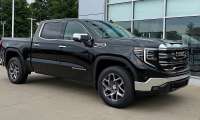
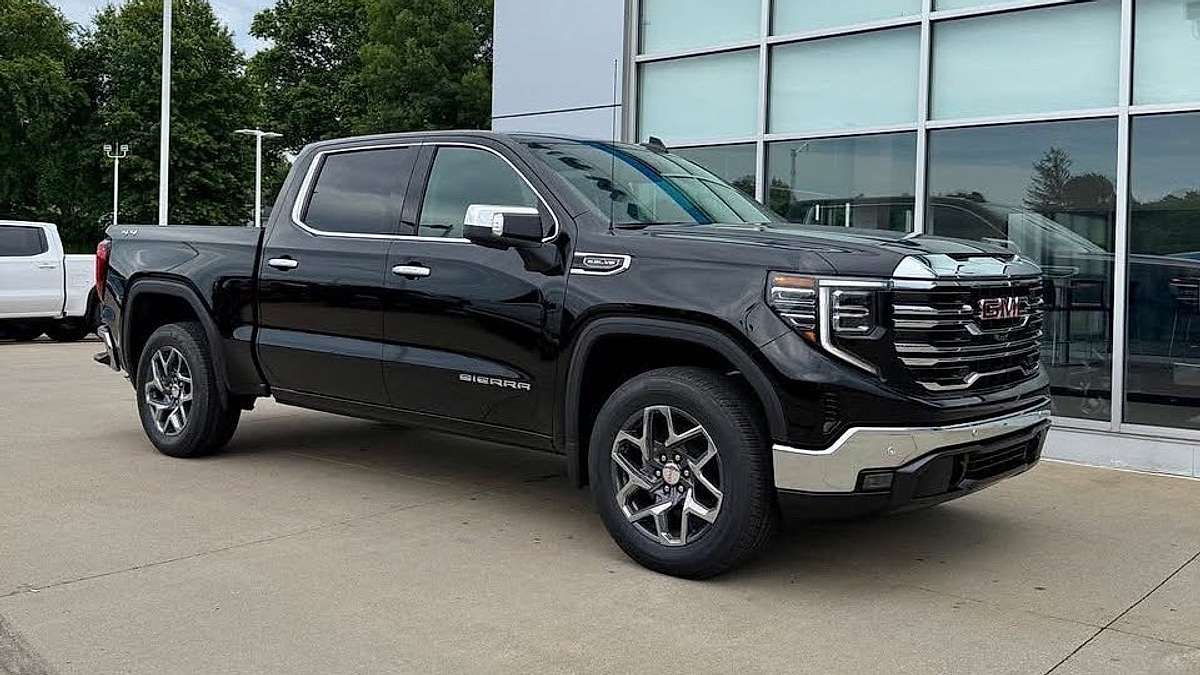
But after a nightmare run of relentless quality control meltdowns and factory warranty visits, one frustrated 2025 Ram 1500 Hurricane owner officially threw in the towel and walked away with a fully loaded 2026 GMC Sierra for a jaw-dropping $10,000 under MSRP.
The transition from traditional, naturally aspirated V8 engines to highly complex, twin-turbocharged configurations is creating unexpected friction at the dealership level.
According to my ongoing tracking of real-world owner data, premium light-duty truck buyers are facing unique quality control and diagnostic challenges as manufacturers push the limits of small-displacement, high-boost engineering.
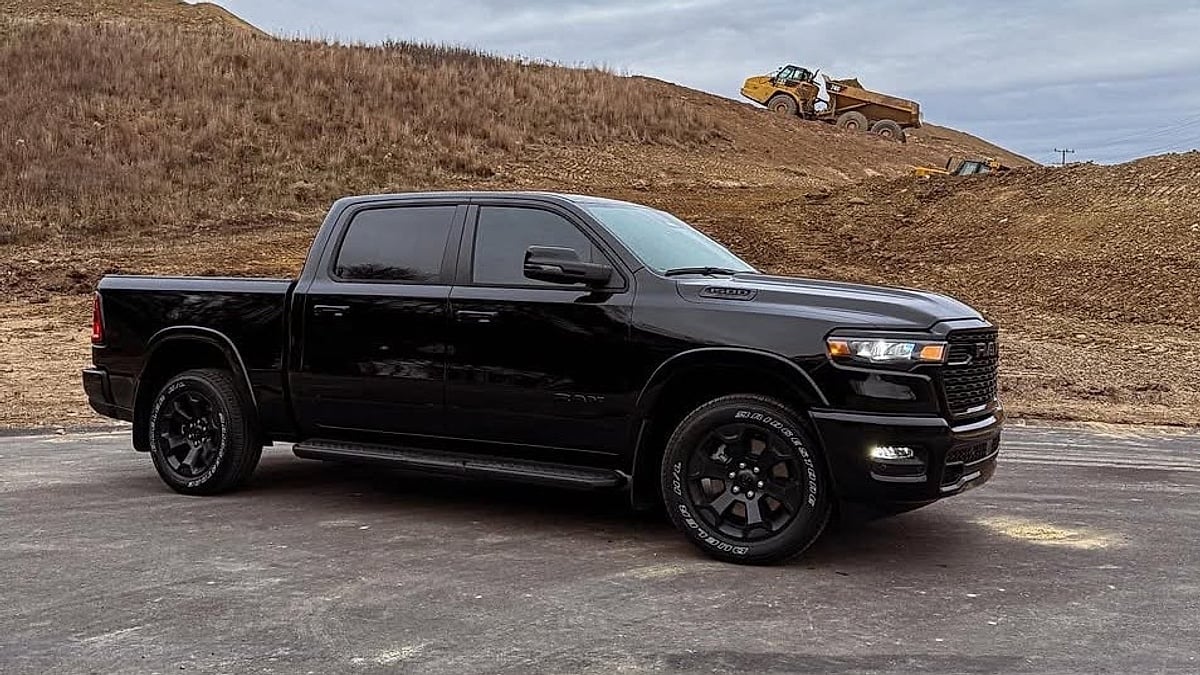
A striking case study emerged when long-time truck owner Michael Lynch shared his experience on a Chevy Silverado & GMC Sierra Owners Facebook forum, detailing his sudden departure from a brand-new platform. After owning four consecutive General Motors trucks, he chose to transition to a 2025 Ram 1500 equipped with the newly introduced 3.0-liter Hurricane inline-six twin-turbo engine.
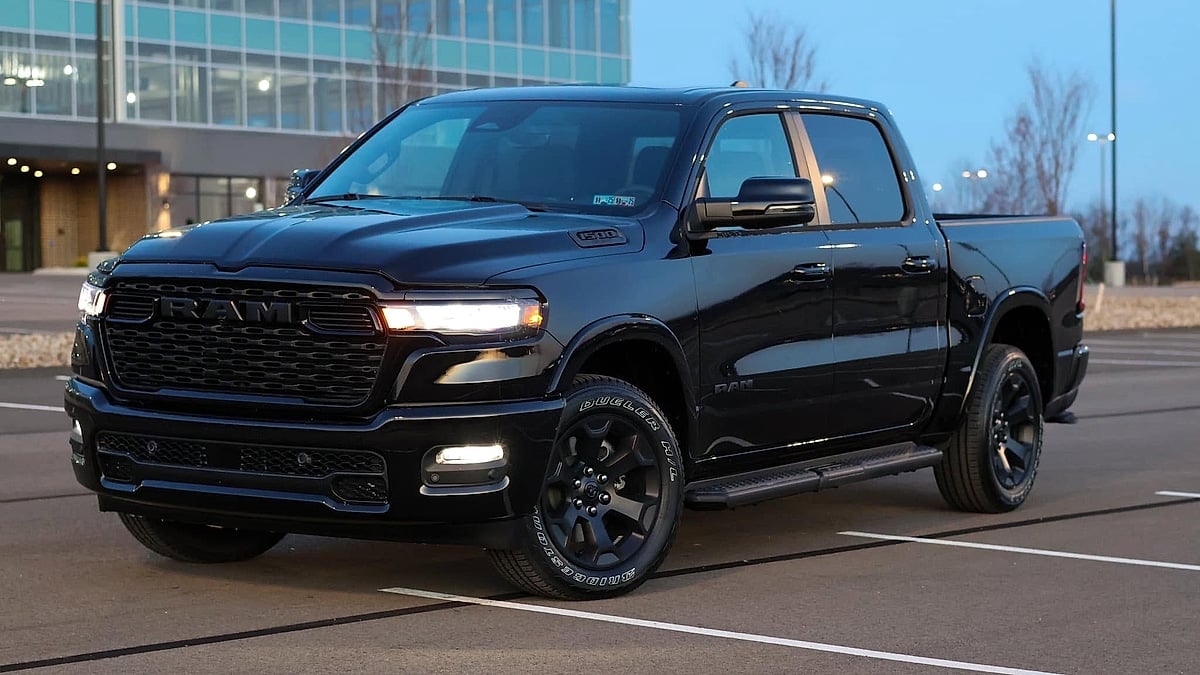
The honeymoon period was cut short by a barrage of quality-control disruptions, assembly flaws, and repeated dealer service visits for warranty repairs.
Disillusioned by what he described as a fundamentally compromised build quality, Lynch successfully negotiated his exit from the Ram platform.
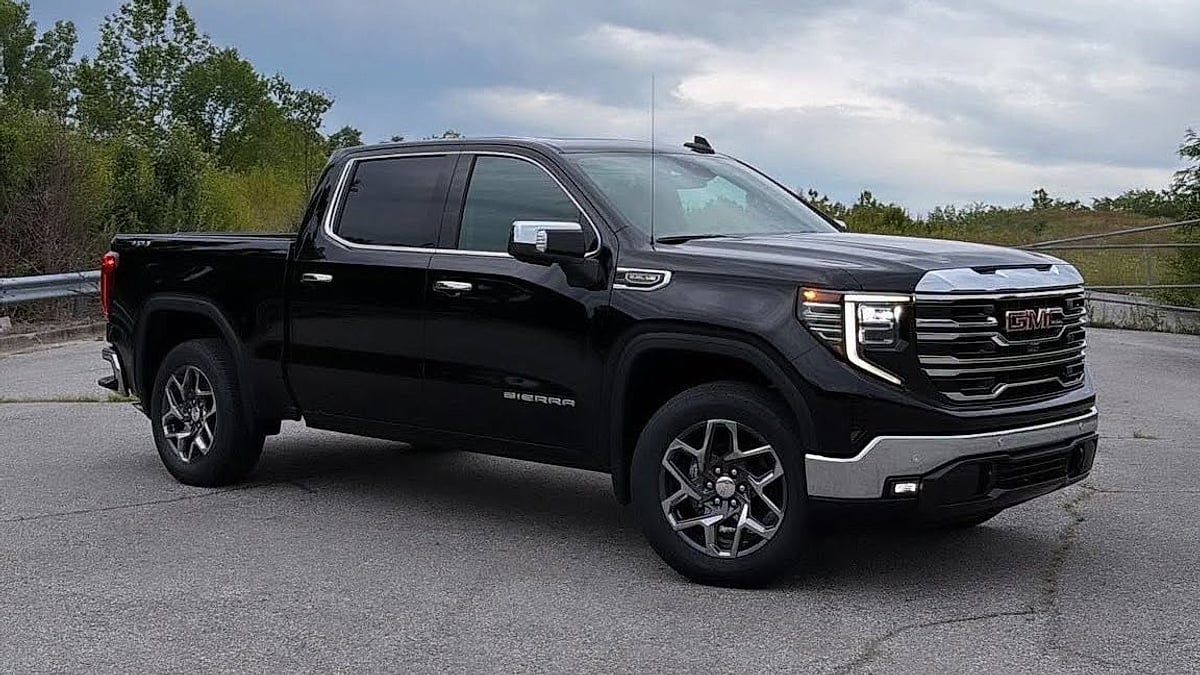
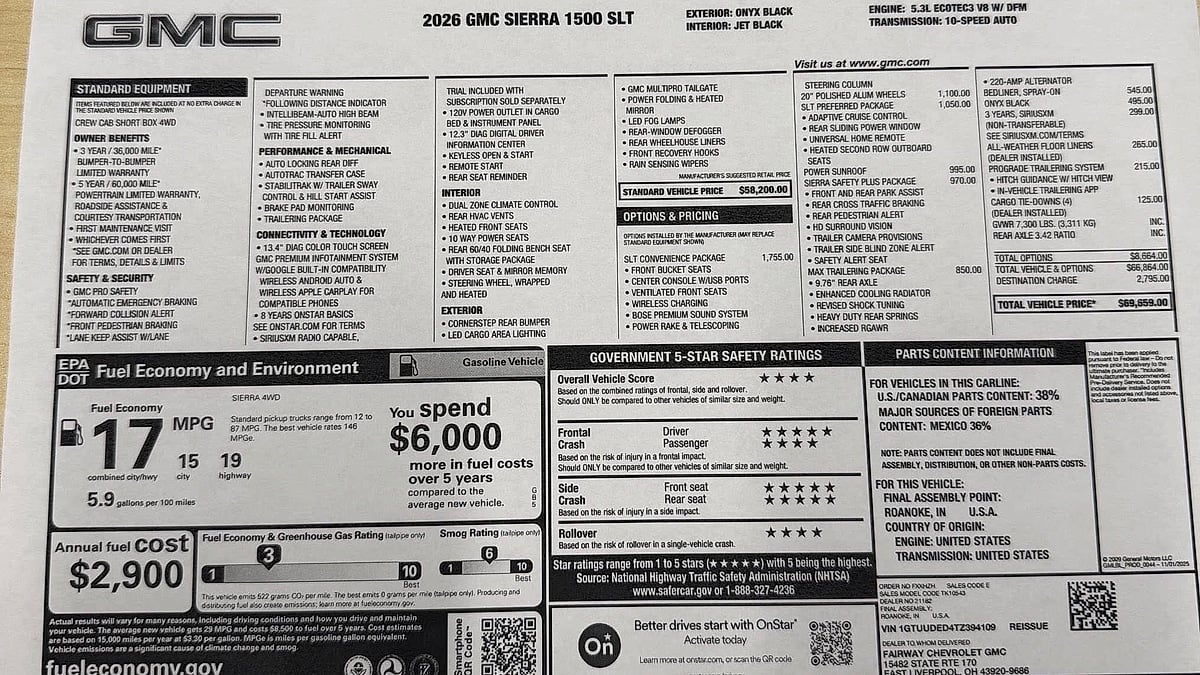
He ultimately returned to General Motors, capitalizing on aggressive summer dealership incentives to secure a fully loaded 2026 GMC Sierra for an astonishing $10,000 under the manufacturer's suggested retail price (MSRP).
The Hidden Mechanics Behind The Owner's Decision
The core catalyst behind this dramatic truck swap centers directly on the rapid engineering shifts sweeping through the light-duty pickup market. While automotive media outlets heavily praise the Hurricane inline-six engine for its blistering acceleration and sports-car-rivaling torque curves, the reality facing daily drivers tells a vastly different story.
The hidden narrative is not a failure of the internal engine blocks themselves, but rather the severe vulnerability of the complex auxiliary systems that support high-boost, dual-turbocharged setups.
According to a detailed technical breakdown from Easy Lemon’s Ram Hurricane Engine Problem Analysis, many early-production cooling components are struggling with thermal cycles, noting that "the plastic thermostat can fail after repeated heating and cooling, causing it to stick closed and overheat the engine."
Because this specialized rotary ball-valve thermostat is buried directly beneath the twin turbochargers and flanked by tight plumbing, a simple component failure turns into a highly labor-intensive, dealer-backlogged nightmare.
Further compounding consumer frustration is the intense electrical infrastructure required to manage these Ram Hurricane high-output drivetrains.
Legal analysts at Lemberg Law's 2025 Ram 1500 Complaint Data Report have documented systemic grid vulnerabilities and explicitly tracked formal consumer actions regarding complete, unexpected digital display blackouts across thousands of newer models.
When an electrical architecture is pushed to its absolute limits by continuous cooling cycles and high-amperage sub-systems, a minor factory ground-strap deviation can cause the entire digital instrument cluster to go dark
Shifting From High-Boost Complexity Back To Proven Foundations
For truck buyers who rely on their vehicles for uninterrupted daily utility, these overlapping diagnostic hurdles regularly shatter brand loyalty. In a recent forensic reliability report detailing why a 5-Time Ram 1500 Owner Quits His 2025 Hurricane Platform, I observed that "the sophisticated architecture of the Hurricane engine requires rapid communication between control units, meaning a single backordered module can completely disable the vehicle for months at a time."
When factory software patches fail to resolve underlying physical network disconnects, owners are left stranded with high-priced driveway ornaments while parts sit on national backorder lists.
This exact lack of mechanical confidence is what drove Michael Lynch back to the GM family, where the powertrain options rely on predictable, deeply established engineering foundations.
In a broader industry assessment tracking why veteran truck buyers are avoiding unproven twin-turbo platforms, I noted in my 30-Year Truck Testing Analysis that "while the Hurricane is quicker, the naturally aspirated engine setup is for buyers who value tried-and-true power delivery and long-term mechanical confidence."
By walking away from high-pressure turbo plumbing and volatile multi-module electrical configurations, everyday drivers are prioritizing immediate uptime and long-term durability over paper-thin efficiency metrics.
From The Forum: The Owner's Real-World Take
"Boy, it feels good to be back! I owned four Chevy Silverados: a 2013 LT, 2016 LT, 2021 RST, and a 2023 RST, but I wanted to try something different, so I got a 2025 Ram with the new Hurricane Inline-6 twin-turbo. The Ram had so many quality-control issues and required constant dealer visits for warranty work; it just felt junky and poorly built. Today, I picked up this 2026 GMC Sierra with over $10,000 off MSRP, and I never thought I’d be driving around a fully loaded Sierra - I couldn't be happier!"
The Perfect Storm: Capitalizing On Record-High Dealership Inventory
While the mechanical vulnerabilities of the Ram platform provided the initial push, the massive financial incentive on the GMC showroom floor is what finalized the transition. The broader automotive market is currently navigating a severe inventory correction, with full-size truck lots seeing some of the highest supply backlogs since the pre-pandemic era.
Dealers are quietly authorized to slash pricing through hidden factory-to-dealer cash incentives, allowing savvy buyers to bypass standard negotiation tactics and secure double-digit discounts on premium trims.
For consumer advocates, this represents an unprecedented window of opportunity for truck owners facing persistent vehicle defects. Instead of enduring endless repair cycles, fighting service writers over backordered parts, or dealing with defensive regional factory representatives, owners are discovering they hold substantial leverage.
Trading a problematic vehicle directly into a competing dealership that is desperate to hit monthly volume quotas allows buyers to liquidate their reliability risks while stepping into a higher-tier luxury cabin for less money.
Ultimately, the great light-duty truck migration highlights a profound reality: consumers refuse to be unpaid test drivers for unverified powertrain technologies.
When a vehicle’s primary job is to provide unyielding reliability, high-tech features and impressive horsepower figures mean absolutely nothing if the truck is permanently confined to a service bay.
Michael Lynch’s quick return to General Motors proves that when complex engineering stumbles, a combination of proven mechanical foundations and a massive $10,000 factory discount will win the market every single time.
How About You? Would you ditch a brand-new truck platform if it required multiple early warranty repairs, or would you stick it out through the backorders? Let us know your thoughts in the comments section below.
Come back tomorrow… or check my Torque News Home Page for more of my informative Chevy Silverado/GMC Sierra news articles.
About The Author
Denis Flierl is a 14-year Senior Reporter at Torque News and a member of the Rocky Mountain Automotive Press (RMAP) with 30+ years of industry experience. Explore his full investigative reporting archives and technical guides at DenisFlierl.com.
Based in Parker, Colorado, Denis leverages the Rockies' high-altitude terrain as a rigorous testing ground to provide "boots-on-the-ground" analysis for readers across the Rocky Mountain region, California EV corridors, the Northeast, Texas truck markets, and Midwest agricultural zones.
A former professional test driver and consultant for Ford, GM, Ram, Toyota, and Tesla, he delivers data-backed insights on reliability and market shifts. Denis cuts through the noise to provide national audiences with the real-world reporting today’s landscape demands.
Connect with Denis: Find him on LinkedIn, X @DenisFlierl, @WorldsCoolestRides, Facebook, and Instagram.
Photo credit: Denis Flierl via Michael Lynch
Set Torque News as Preferred Source on Google
Follow us today...