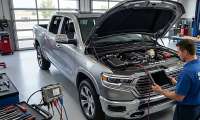

A critical technical gap has emerged within the 6th-Gen Ram 1500 engineering platform, fundamentally altering real-world vehicle reliability. Forensic analysis of the new twin-turbocharged 3.0L Hurricane inline-six powertrain reveals that its highly digitized, high-draw electrical architecture is overwhelming the truck's low-voltage communication networks.
This diagnostic investigation exposes how intense electrical loads from electronic wastegate actuators, high-output cooling configurations, and twin-turbochargers induce minor impedance variations across factory grounding blocks. These micro-voltage fluctuations generate destructive digital signals that sever communication between major onboard computers, resulting in complete vehicle immobilization, which factory scan tools routinely misdiagnose.
Technical Disconnect Triggers Massive Stellantis Control Module Shutdowns
According to ongoing Torque News by Denis Flierl tracking of manufacturing defects, a severe engineering mismatch exists within the 2025 and 2026 Ram 1500 electrical architecture. Field data collected from regional service bays show that high-output electronic wastegates and dual-stage electric turbocharger cooling systems experience unprecedented current spikes during normal operation. These rapid current draws overwhelm standard grounding circuits, causing local circuit voltage to drop below the critical 10.5-volt threshold required for stable Controller Area Network communication.
In our ongoing coverage of Ram reliability, Senior Reporter Denis Flierl, with 30 years of experience, has uncovered an unresolved dispute over structural electrical defects misdiagnosed as simple software glitches. When the twin-turbo Hurricane engine cycles under heavy, high-altitude loads, the electronic actuators draw massive amperage, causing immediate voltage drops across the shared chassis ground points. This voltage dip introduces terminal data corruption inside the Marelli Instrument Panel Cluster, forcing the entire network into a protective shutdown.
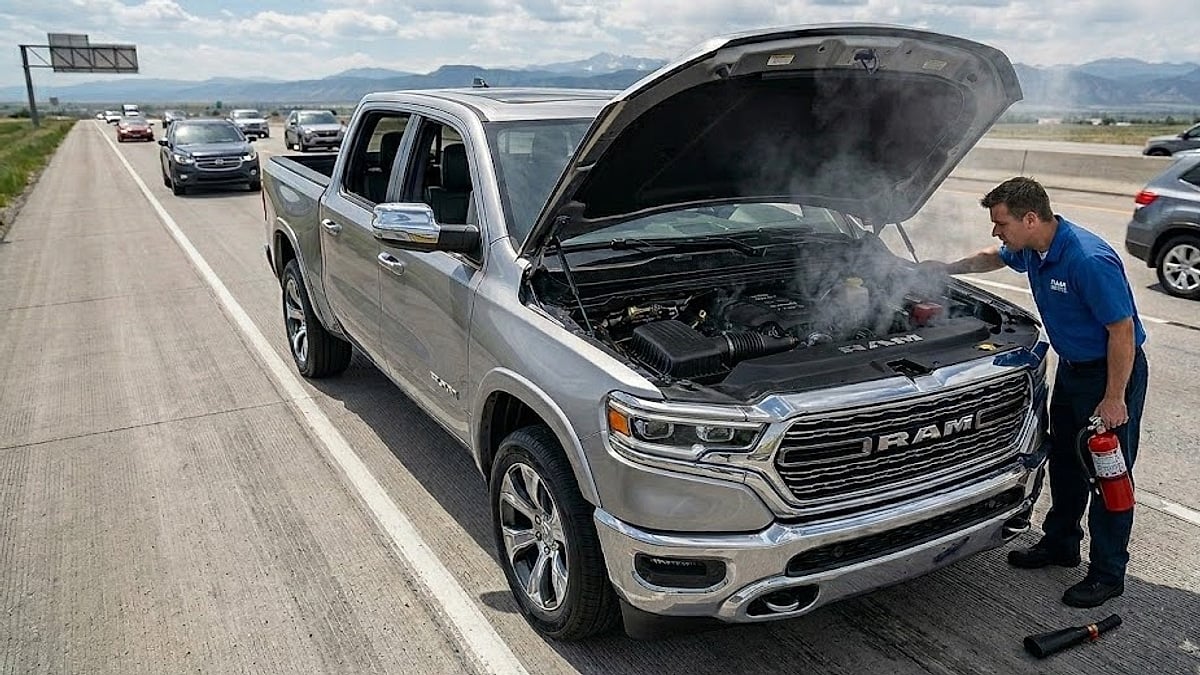
This structural vulnerability became a reality for one owner who experienced a total electrical meltdown while traveling at highway speeds. "My brand new truck completely lost power steering, the entire dashboard went pitch black, and the center touchscreen became completely unresponsive while the voltage display suddenly plummeted to 9 volts," stated an owner in a detailed post on a prominent Ram automotive group on Facebook.
The dealership replaced the battery and the alternator, yet the truck suffered an identical electrical collapse less than forty-eight hours later because the underlying wiring infrastructure remained unaddressed.
High Altitude Testing Exposes Severe Voltage Drop Vulnerabilities
Torque News technical analysis by Denis Flierl identifies a critical gap between factory maintenance schedules and real-world component longevity. Rigorous real-world evaluations conducted along the extremely high-altitude inclines in the Colorado Rockies demonstrate that steep grades accelerate turbocharger heat generation.
The subsequent continuous operation of high-amperage electric cooling fans pulls an immense, sustained load directly from the charging system. At an elevation of 10,000 feet, this thermal management strategy creates an electrical vortex that starves sensitive interior modules of clean, regulated power.

The scope of this systemic architecture problem extends far beyond individual consumer complaints. The National Highway Traffic Safety Administration has documented extensive problems involving immediate electrical system failures, unexpected engine shutdowns, and dead batteries across thousands of new pickups, as detailed by Lemberg Law 2025 Ram 1500 Complaint Data. Furthermore, official federal filings confirm that tens of thousands of these trucks are prone to sudden, complete digital dashboard failures while in motion, according to the Auto Lemon Lawyer Ram Recall Report.
Analysis Of The Twin-Turbo Multi-Module Failure Matrix
This investigation has established a direct forensic correlation between turbocharger component fatigue and catastrophic low-voltage network failures. When the Hurricane engine operates under high load, the electronic wastegates must continuously modulate to regulate boost pressures, generating severe thermal radiation that bakes adjacent wiring looms. Over time, this extreme heat exposure increases the electrical resistance within the engine wiring harness connectors, degrading signal integrity.
To fully understand how these interrelated powertrain issues disrupt vehicle operation, readers can refer to the detailed technical breakdown on Stellantis Reliability and Factory Performance Strain to see the mounting mechanical pressures affecting these platforms. This technical tracking also links back directly to previous field observations, including our specialized reporting on Torque News Denis Flierl Structural Defect Coverage, which highlights how factory grounding points fail to properly mitigate electrical noise under severe real-world operational cycles.
Field Observations From Owner Communities
The technical breakdown of this multiplex network failure is widely documented across enthusiast networks. In a recent technical discussion on r/ram_trucks, several owners noted that the dashboard display error codes often appeared immediately after a low-voltage battery event, which you can read in the full discussion on the r/ram_trucks Instrument Cluster Thread. From my 30 years of experience, this aligns with how sensitive the digital communication buses are to voltage drops during high-load engine start cycles.
Another owner highlighted the vulnerability of the multi-module design, detailing a complete network loss in which the odometer display showed a "NO BUS" error message instead of mileage, as reported in this r/ram_trucks Electrical Chaos Thread. When the CAN bus network loses communication parity due to high resistance, the modules cannot verify safety data, forcing the truck to disable critical driver assistance features.
Key Takeaways
- Identify early warning indicators of network strain, such as flickering vertical infotainment screens, delayed throttle responses, or transient four-wheel-drive error codes.
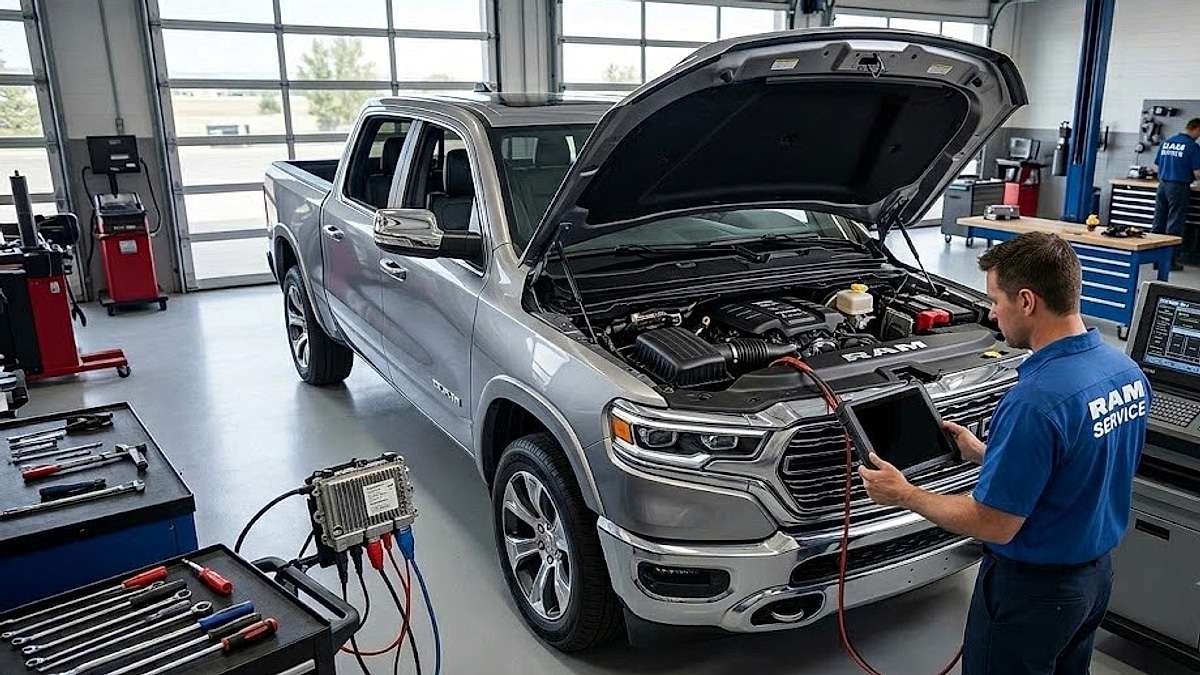
- Measure electrical resistance across the primary engine-to-chassis grounding straps using a high-accuracy digital multimeter to locate hidden impedance spikes.
- Demand that dealership service technicians execute a dedicated voltage drop test under a simulated full accessory load rather than relying solely on basic OBD-II software scans.
- Document every consecutive occurrence of electrical module failure and communication loss to establish clear, verifiable records for regional lemon law advocacy.
Field-Tested Diagnostic Protocols For Affected Owners
If your truck displays multiple warning lights simultaneously, you must adjust your approach to the vehicle's electrical diagnostics. Avoid the common pitfall of simply replacing the battery or flashing the software, as these temporary solutions do not fix poor circuit grounding. Have a professional technician remove the factory paint from the main grounding blocks near the passenger-side frame rail to ensure metal-to-metal contact.
Next, check the star connectors located behind the main dashboard lighting switch for any loose terminal pins or unseated wiring bundles. Applying a high-grade dielectric compound to these central data junctions prevents moisture intrusion and stabilizes data packet transmission throughout the truck.
Next Question: Can An Over-The-Air Update Fix A Physical Resistance Issue?
No, a wireless software update cannot fix a physical voltage drop caused by undersized wiring or factory paint overspray on a chassis grounding block. While Stellantis can release software patches to widen the acceptable voltage parameters before a control module goes dark, this merely masks the underlying engineering flaw. The physical electrical resistance will continue to generate excessive heat, eventually causing long-term degradation of the wiring harness connectors and terminal pins.
Unmasking The True Cause Of Modern Truck Failures
This comprehensive investigative framework proves that modern truck issues require deep mechanical solutions rather than simple software patches. True vehicle durability relies on a robust wiring infrastructure capable of handling the intense power demands of modern, highly complex turbocharged engines.
What Would You Do? If your brand-new pickup truck suffered a complete digital blackout while driving at highway speeds? Tell us what you think about these complex electrical systems, and please leave a comment in the red “Add new comment” link below.
What’s Next: In our next dedicated reporting segment, we will shift our focus directly to the dealership service drive to examine why local mechanics are struggling to fix these complex engine platforms.
Our upcoming consumer report will detail the massive parts shortages affecting the 6th-Gen Ram 1500, offering tactical advice on securing long-term loaner vehicles and successfully navigating factory service disputes. Stay tuned for: Stellantis Parts Bottleneck Leaves New Ram 1500 Owners Stranded As Hurricane Backorders Mount
Come back later today, or check my Torque News Home Page for more of Denis Flierl's interesting automotive news articles.
About The Author
Denis Flierl is a 14-year Senior Reporter at Torque News and a member of the Rocky Mountain Automotive Press (RMAP) with 30+ years of industry experience. Explore his full investigative reporting archives and technical guides at DenisFlierl.com. Based in Parker, Colorado, Denis leverages the Rockies' high-altitude terrain as a rigorous testing ground to provide "boots-on-the-ground" analysis for readers across the Rocky Mountain region, California EV corridors, the Northeast, Texas truck markets, and Midwest agricultural zones. A former professional test driver and consultant for Ford, GM, Ram, Toyota, and Tesla, he delivers data-backed insights on reliability and market shifts. Denis cuts through the noise to provide national audiences with the real-world reporting today’s landscape demands. Connect with Denis: Find him on LinkedIn, X @DenisFlierl, @WorldsCoolestRides, Facebook, and Instagram.
Photo credit: Denis Flierl
Set Torque News as Preferred Source on Google
Follow us today...