
The full-size truck market is undergoing an unprecedented shift in brand loyalty, driven by mechanical weariness. According to ongoing Torque News by Denis Flierl tracking of manufacturing defects, premium truck buyers are increasingly prioritizing cabin luxury and immediate powertrain transparency over historical brand alignment. This automotive journalism investigation deconstructs a landmark case of consumer defection: a four-time GMC Sierra owner abandoning General Motors for a sixth-generation 2026 Ram 1500 Limited Longhorn.
By analyzing proprietary field data, direct owner testimony from deep within social communities, and forensic valvetrain failure patterns, this report exposes why high-end truck buyers are jumping ship, the engineering vulnerabilities lurking within both platform segments, and the high-altitude performance realities that define ownership longevity in regions like the Colorado Rocky Mountains.
The Mechanical Reality Defying Manufacturer Claims
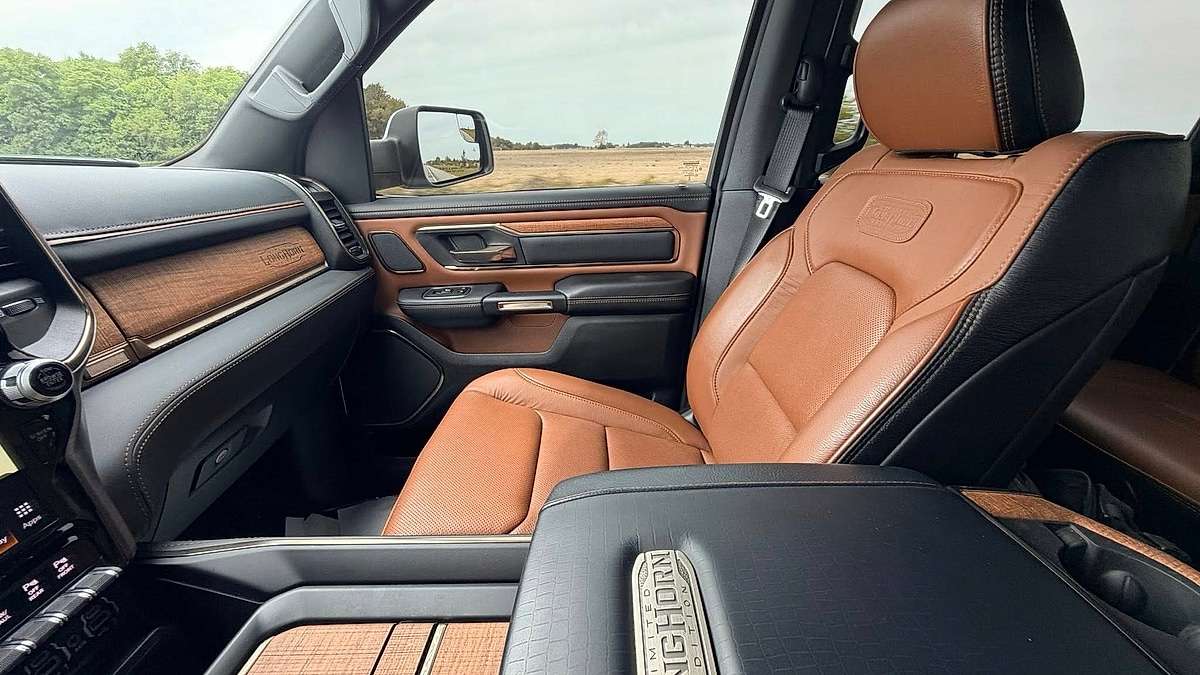
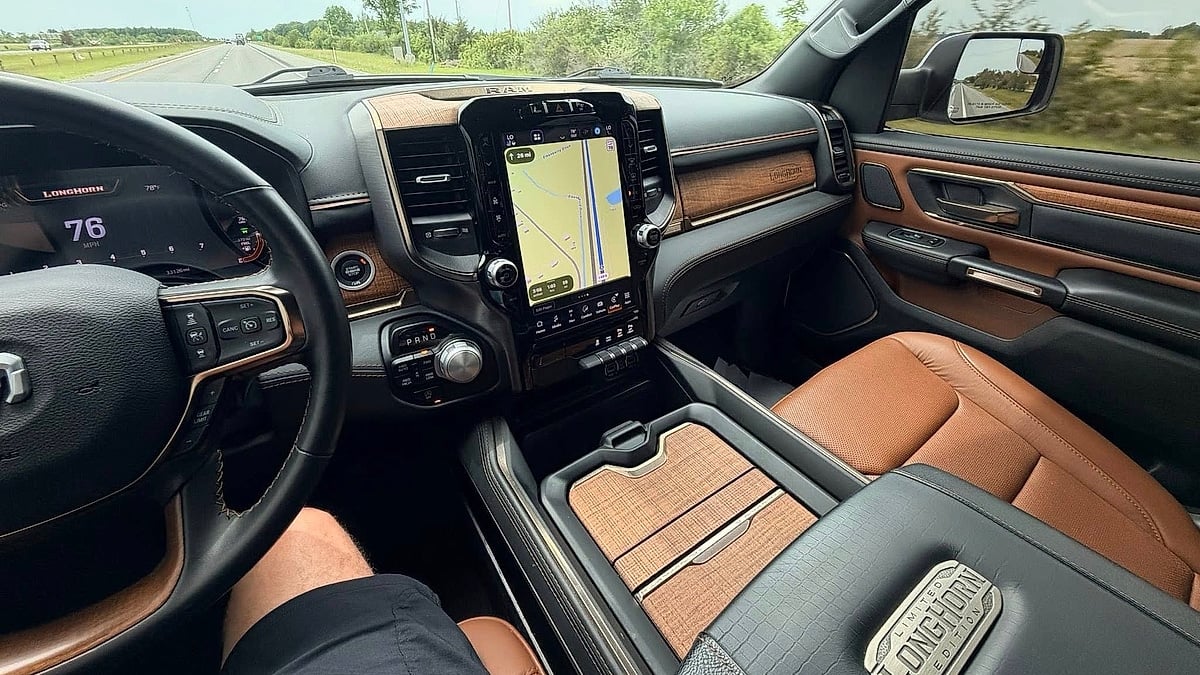
General Motors' premium truck loyalty has hit a significant roadblock. A four-time GMC Sierra owner recently made waves in the truck community by abandoning his long-trusted platform. David McQueen from Texas shared his experiences on the sixth-generation Ram 1500 Facebook page, stating, “After owning 4 GMC Sierra’s (2 Denali’s and 2 AT4’s) I bought my first Ram Limited Longhorn today. I love the interior and hope I’ll love the truck itself in the long run.”
This defection is not an isolated incident. It represents a broader consumer pushback against chronic mechanical headaches that corporate software updates have failed to resolve. For years, buyers shelled out premium dollars for the GMC Denali and AT4 trims, expecting top-tier durability to match the luxury price tags. Instead, continuous field data shows that modern luxury trucks are increasingly plagued by complex hardware vulnerabilities.
McQueen’s shift highlights a critical market dynamic: the industry-leading aesthetic design of the Ram cabin is successfully pulling lifelong GM enthusiasts away, even as those same buyers maintain deep mechanical reservations about their new Stellantis platforms. The consumer sentiment is explicit. Buyers are willing to gamble on an uncharted powertrain architecture simply to escape the recurring valvetrain failures that have defined General Motors' recent lifter layout.
The Lifter Failure Defect That Broke GM Loyalty
The root cause of owners migrating away from premium GM V8 platforms lies in a structural engineering mismatch within the Dynamic Fuel Management system in the 6.2-liter L87 and 5.3-liter L84 powerplants. The mechanism relies on oil-pressure-activated deactivating lifters that lower cylinder profiles for fuel efficiency, but their high-pressure hydraulic requirements conflict with the ultra-thin oils mandated by corporate fuel economy targets.
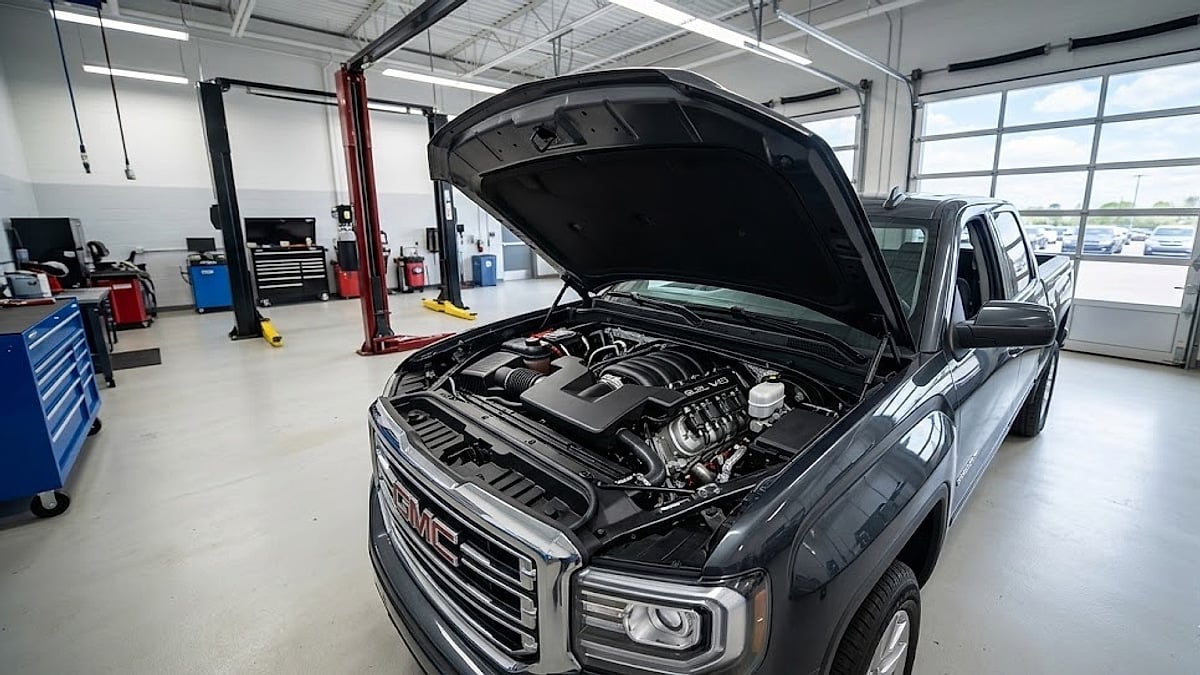
According to legal documentation from the Lemon Law Firm, reports on GMC 6.2 engine problems and widespread valvetrain defects document sudden stalling, collapsing lifters, and catastrophic engine damage that frequently requires a complete powertrain replacement.
When these lifters experience a microscopic drop in oil pressure during cylinder transition, the internal locking pin fails to engage properly, causing the lifter to collapse. This structural gap in the valvetrain geometry sends a violent mechanical shockwave through the pushrods, bending them instantly and wiping the lobes off the camshaft.
Senior Reporter Denis Flierl notes that consumer transitions are forced by the engine's physical architecture, leaving it highly susceptible to catastrophic internal wear, regardless of temporary factory software calibration patches, as documented in a field breakdown of a GMC Sierra 6.2L engine failure at 6,700 miles.
Inside the Ram 1500 Engineering Dilemma
Transitioning from GM valvetrain flaws to the luxury Ram Limited Longhorn reveals a complex powertrain ecosystem centered on forced induction and mild-hybrid configurations. The sixth-generation Ram 1500 offers two distinct paths: the 5.7-liter Hemi V8 paired with the eTorque mild-hybrid system, and the new 3.0-liter Hurricane twin-turbo inline-six engine. A critical gap exists between factory maintenance schedules and real-world component longevity regarding high-pressure turbocharger plumbing and complex cooling networks.
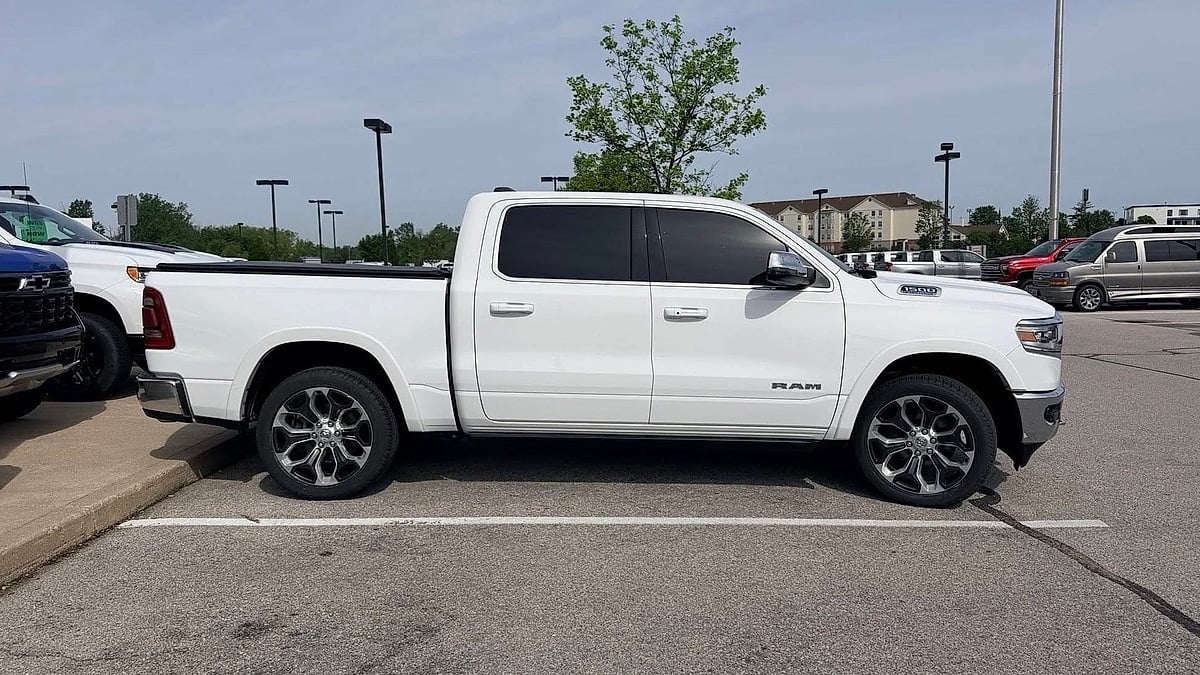
The primary mechanical vulnerability lies in thermal management, as the Hurricane's twin turbochargers spin at over 100,000 RPM, generating immense radiant heat and engine-bay thermal soak that burdens engine oil, cooling control valves, and plastic components.
Meanwhile, the returning 5.7-liter Hemi platforms utilize the eTorque system, which replaces the traditional alternator with a 48-volt belt-driven motor-generator unit requiring a dedicated liquid-cooled battery pack. Consequently, avoiding GM lifter issues means adopting an intricate web of turbochargers, wastegates, and hybrid electronics that adds complex diagnostic dimensions for local mechanics.
Regional Performance Metrics and the High-Altitude Factor
High-altitude mountain environments like Parker, Colorado, and Rocky Mountain passes exponentially increase engine wear, as naturally aspirated GM and Ram V8 engines lose roughly 3% of their power for every 1,000 feet of elevation. This atmospheric reality forces these V8s to run at higher RPMs and downshift frequently under heavy towing loads to maintain momentum on steep grades, thereby accelerating oil degradation and increasing thermal pressure on internal hydraulic lifters.
Conversely, the turbocharged Ram Hurricane engine compensates for thin mountain air via forced induction, but climbing long grades with heavy boost generates extremely high exhaust gas temperatures.
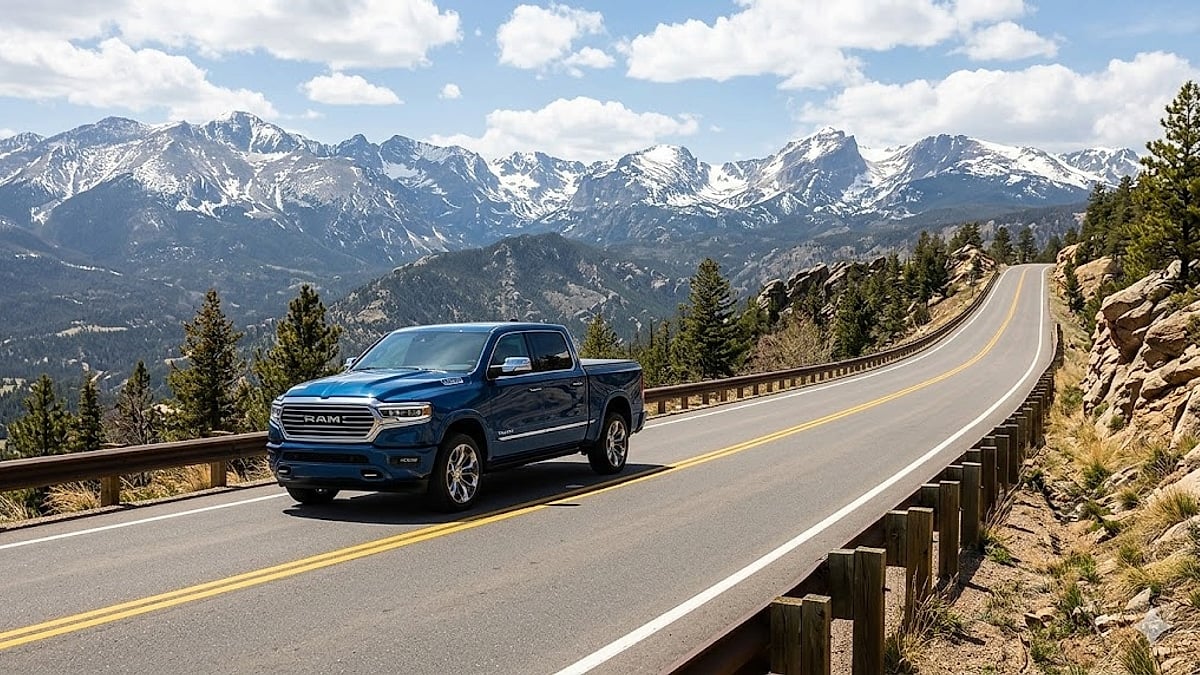
Climbing long mountain grades with heavy boost generates extremely high exhaust gas temperatures. This intense heat places immense strain on the exhaust manifolds. According to RepairPal’s Ram 1500 exhaust manifold cost breakdown, long-term thermal expansion and contraction cycles regularly cause manifold warping and bolt breakage.
Managing this severe thermal stress in high-altitude environments requires abandoning standard factory guidelines in favor of shorter oil change intervals and high-quality synthetic lubricants.
Field Observations from Owner Communities
Real-world technician data and driver testimonials offer a clear look at how these engineering decisions play out on the road. The truck community has become a digital sounding board for highlighting mechanical vulnerabilities that manufacturer marketing materials completely ignore.
In a recent technical discussion on the r/Silverado subreddit, several owners noted that the P0300-P0308 random misfire codes often appeared immediately before a total valvetrain lockdown. From my 30 years of experience, this aligns perfectly with how sensitive GM's Powertrain Control Modules are to minor combustion disruptions caused by a collapsing hydraulic lifter during active cylinder deactivation cycles. When a lifter fails to maintain its proper structural height, valve timing is thrown off by fractions of a second, causing immediate rough idling and a flashing check engine light indicating catastrophic internal damage.
Another owner highlighted the vulnerability of the new design on r/ramtrucks, noting that the sheer complexity of modern cooling lines can leave drivers stranded. The thermostat housing and multi-way coolant control valves use plastic composite materials that become incredibly brittle after repeated high-temperature cycles.
Reviewing this community feedback through a professional lens, it is completely understandable that a consumer would feel anxious about the long-term durability of a truck. Modern trucks are built to satisfy strict emissions regulations and look like high-end luxury lounges on the inside, but the physical components under the hood are pushed to their absolute thermal and mechanical limits. Owners are caught in a difficult spot, forced to choose between GM V8 valvetrain failures or Ram turbocharger and cooling system complexity.
The Critical Maintenance Gap and Owner Solutions
Standard factory maintenance schedules ignore the severe thermal stress of heavy towing, stop-and-go commuting, and high-altitude environments.
To protect General Motors V8 valvetrains from accelerated component fatigue, completely disable the Dynamic Fuel Management system using an aftermarket plug-in module or a custom engine tune to stop the engine control unit from locking and unlocking the lifters.
To manage high-heat thermal stress on forced induction or mild-hybrid Ram platforms, abandon 10,000-mile oil changes in favor of a strict 5,000-mile interval using premium synthetic lubricants to prevent oil cooking and deposit buildup in the turbo bearing cartridges. Furthermore, prevent structural cracking by idling the turbocharged engine for 2 to 3 minutes immediately after heavy highway runs or steep mountain climbs to circulate the cooling oil through the hot turbo housings.
Key Takeaways
- Prioritize preventive maintenance schedules by replacing engine oil at 5,000-mile benchmarks to counter the severe thermal wear seen in modern high-compression full-size truck platforms.
- Identify early warning signs of mechanical failure, such as cold-start valvetrain ticking or unexpected rough idling, to address component fatigue before it causes a total engine shutdown.
- Evaluate alternative powertrain configurations, such as naturally aspirated V8 layouts versus twin-turbo systems, based on your local climate and towing demands rather than on standard interior aesthetics.
- Monitor real-world community field data and active technical service bulletins to identify known factory hardware limitations before your vehicle's bumper-to-bumper manufacturer warranty coverage expires.
Next Question: What Is the Total Cost of Ownership Impact?
With brand migration accelerating, the next logical question for full-size truck buyers is: How do these mechanical vulnerabilities impact long-term resale value and out-of-pocket maintenance costs once factory warranties expire?
Choosing between a GM platform prone to sudden $15,000 valvetrain failures and a complex Ram platform with high-pressure turbo plumbing changes the entire financial equation of ownership. Our next investigative installment tackles this issue head-on, delivering exclusive pricing data on component repair frequencies, insurance premium adjustments for high-tech trucks, and real-world depreciation trends across major regional markets.
Anticipating the Future Reliability Landscape
The shifting landscape of full-size truck engineering means that buyer vigilance is more critical than ever. As premium consumers continue to trade historical brand loyalty for upgraded cabin experiences, they must remain fully aware of the mechanical realities under the hood. Navigating this complex market requires looking past shiny infotainment screens and focusing directly on structural design durability, regional driving demands, and proactive maintenance strategies.
How About You? Have you ever walked away from a trusted truck brand due to chronic repair issues, or does a luxury cabin setup matter more to you than long-term mechanical simplicity? Tell us what you think! Please leave your thoughts, experiences, and maintenance strategies in the red "Add new comment" link below.
What’s Next
In Denis Flierl's next follow-up report, he will deliver the second half of this topical truck investigation. We will explore the specialized financial realities of full-size ownership in our upcoming feature: The Luxury Truck Debt Trap: Deep Dive Into 2026 Resale Value Trends and Post-Warranty Repair Costs. This article analyzes hidden depreciation rates, premium fuel costs, and the specific aftermarket warranties required to shield your wallet from catastrophic component failures.
About The Author
Denis Flierl is a 14-year Senior Reporter at Torque News and a member of the Rocky Mountain Automotive Press (RMAP) with 30+ years of industry experience. Explore his full investigative reporting archives and technical guides at DenisFlierl.com. Based in Parker, Colorado, Denis leverages the Rockies' high-altitude terrain as a rigorous testing ground to provide "boots-on-the-ground" analysis for readers across the Rocky Mountain region, California EV corridors, the Northeast, Texas truck markets, and Midwest agricultural zones. A former professional test driver and consultant for Ford, GM, Ram, Toyota, and Tesla, he delivers data-backed insights on reliability and market shifts. Denis cuts through the noise to provide national audiences with the real-world reporting today’s landscape demands. Connect with Denis: Find him on LinkedIn, X @DenisFlierl, @WorldsCoolestRides, Facebook, and Instagram.
Photo credit: Denis Flierl via David McQueen
Set Torque News as Preferred Source on Google
Follow us today...