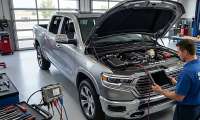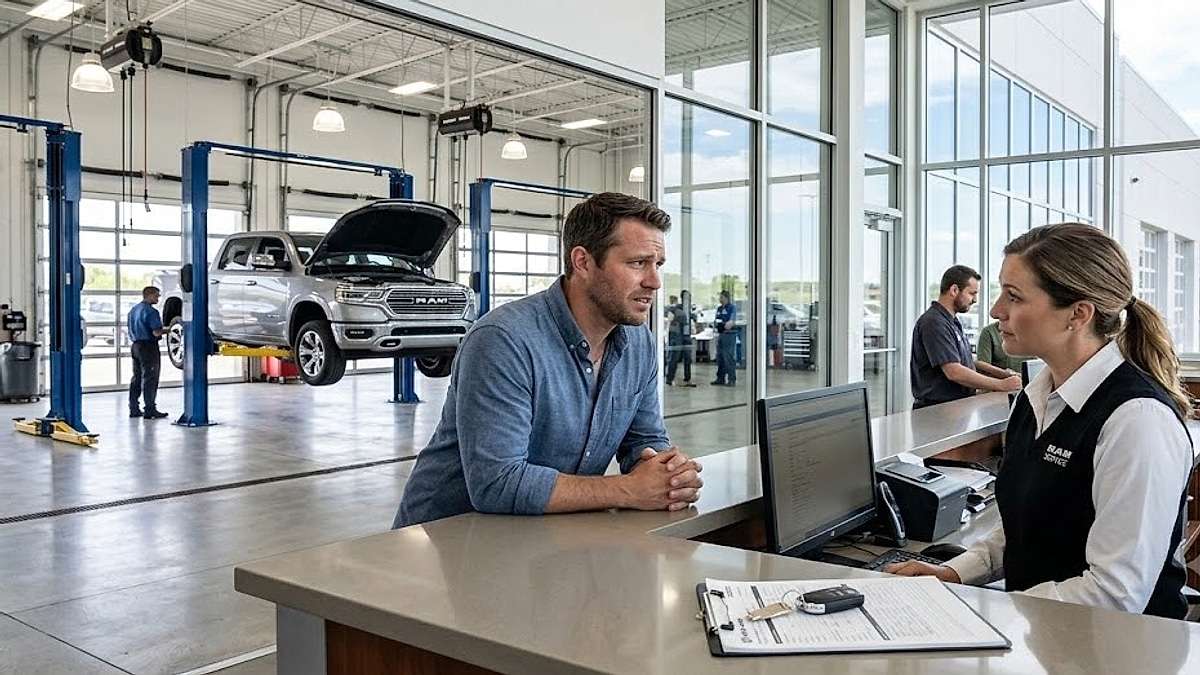

The transition of the 6th-Gen Ram 1500 to the high-output, twin-turbocharged 3.0L Hurricane inline-six has triggered an unprecedented supply chain crisis across Stellantis service networks. Severe multi-module electrical disruptions are stranding early adopters as high-draw engine sub-systems deplete vehicle charging systems, rendering standard dealership diagnostic tools highly ineffective.
This consumer advocacy investigation analyzes the severe parts backlog leaving truck buyers stuck behind a wall of backordered components without loaner transportation. Ram owners will discover critical strategies to detect early network degradation, implement field-tested low-voltage tests, and compile legally binding documentation to secure vehicle buybacks under regional lemon law statutes.
This technical breakdown links directly to our secondary consumer advocacy report, which details how these electrical failures affect daily ownership and dealership service turnaround times. Review the complete guide on how to handle repair delays and protect your consumer rights by reading the full report here.
Supply Chain Paralysis Strands Owners At The Dealership Service Counter
According to ongoing Torque News by Denis Flierl tracking of manufacturing defects, a major bottleneck in replacement parts availability is leaving thousands of 2025 and 2026 Ram 1500 buyers completely stranded. Dealership service centers across the country are facing extensive wait times for critical electrical distribution components, leaving consumers with un-drivable, late-model vehicles. The sophisticated architecture of the Hurricane engine requires rapid communication between control units, meaning a single backordered module can completely disable the vehicle for months at a time.
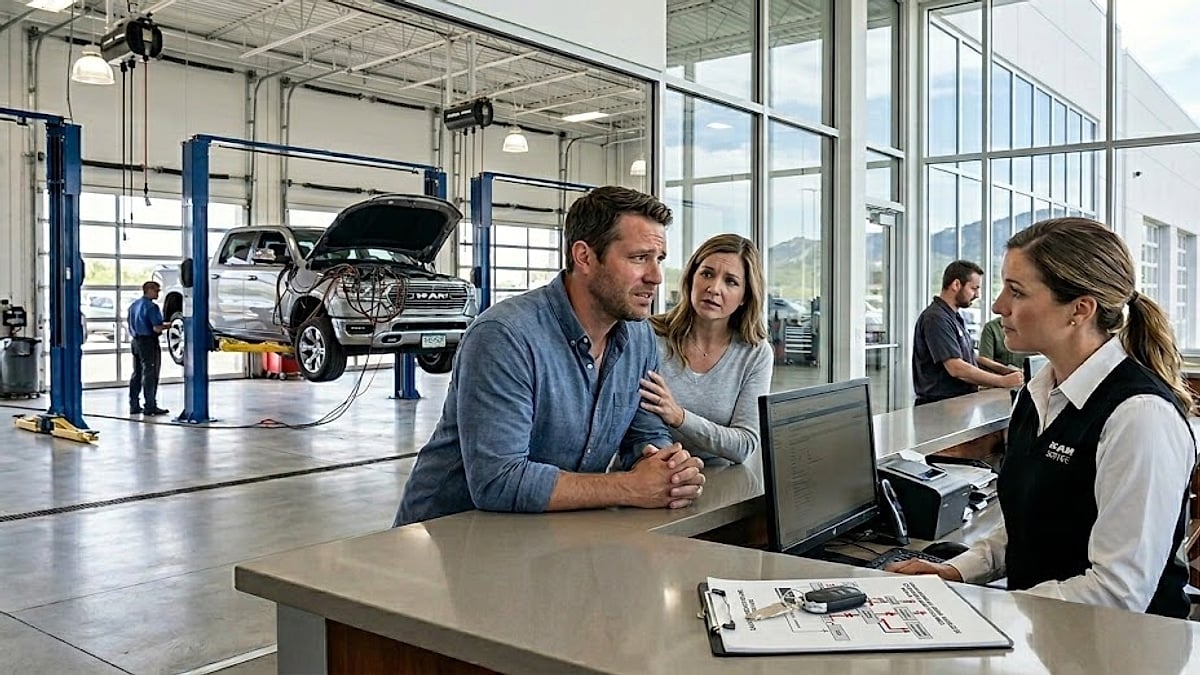
In our ongoing coverage of Ram reliability, Senior Reporter Denis Flierl, with three decades of experience, has uncovered an unresolved dispute over the lack of clear repair timelines from Stellantis management. Regional service departments are struggling to diagnose intermittent communication dropouts, resulting in repeated repair attempts that fail to provide a permanent solution. Because field service technicians rely almost exclusively on automated factory scanners, the underlying physical network vulnerabilities are regularly overlooked while replacement modules remain sitting on national backorder lists.
This supply chain logjam became a frustrating reality for a dedicated truck enthusiast who found themselves trapped in a continuous repair cycle without any loaner vehicle support. "My dealer has had my Hurricane for six weeks because the power distribution center is on national backorder with 400 units ahead of me," reported a frustrated consumer in a growing online discussion regarding premium truck reliability. The manufacturer has provided no estimated arrival date for the components, forcing the owner to continue making high monthly financial payments on an asset sitting dead in a dealer compound.
Technical Growing Pains Along High Altitude Transport Corridors
Torque News technical analysis by Denis Flierl identifies a critical gap between factory maintenance schedules and real-world component longevity. Operational data gathered on mountain highway routes in Colorado, where I test vehicles, indicate that high-altitude environments place immense strain on vehicles' intricate electrical grounding points. The continuous cooling cycles demanded by twin-turbochargers force high amperage through the electrical network, exposing weak physical ground bonds and triggering module error codes.
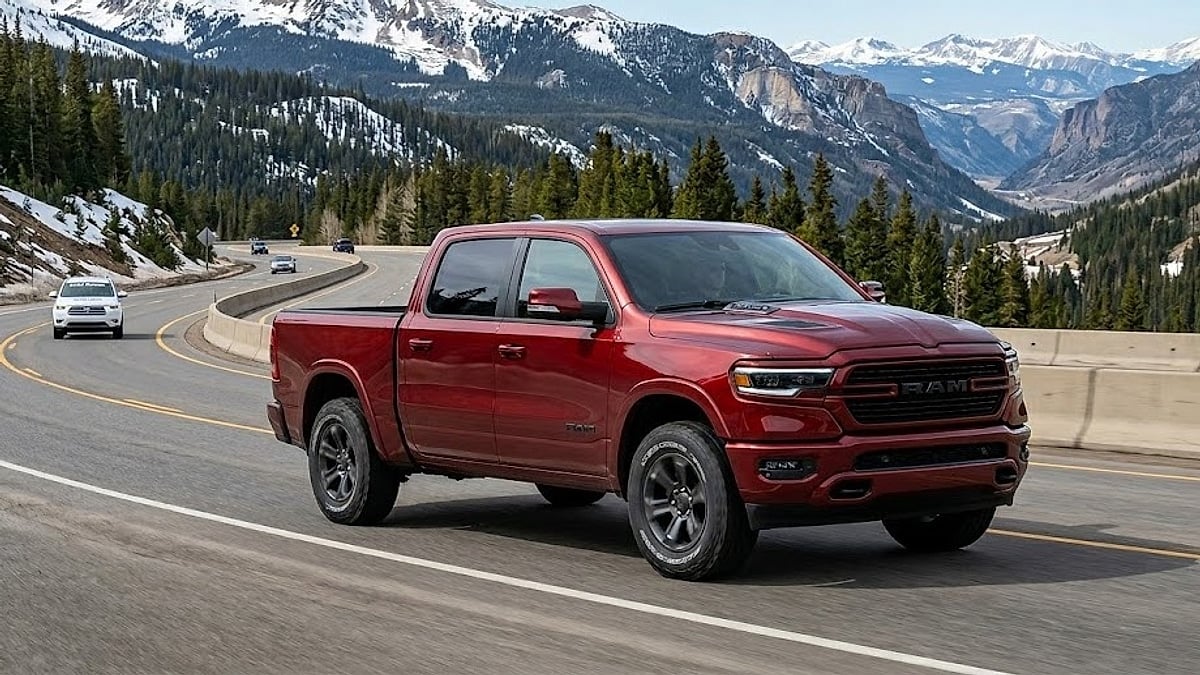
This systemic parts delay is compounding a series of widespread factory campaigns currently hitting the light-duty pickup lineup. The National Highway Traffic Safety Administration has formalized investigations and consumer action tracking regarding complete, unexpected digital display blackouts across thousands of newer models, as detailed in the Auto Lemon Lawyer Ram Recall Report. These ongoing electrical network problems are leaving consumers with dark instrument panels that fail to comply with federal safety guidelines, as confirmed by Lemberg Law 2025 Ram 1500 Complaint Data.
Spotting Early Warnings And Compiling Protective Legal Documents
When navigating these complex electrical system disruptions, truck owners must monitor their dashboard interfaces for subtle indicators of oncoming module communication drops. Early warning signals frequently manifest as random flickers across the primary 12-inch vertical infotainment screen or brief, unexplained four-wheel-drive error messages that disappear after a key cycle. Recognizing these early signs of voltage drop allows you to begin documenting the issues before a catastrophic network shutdown occurs on the highway.
To fully understand how these overlapping supply chain and mechanical problems are affecting longtime brand loyalists, readers can review our forensic tracking in the 5-Time Ram 1500 Owner Quits 2025 Hurricane Engine Report to evaluate how these defects erode consumer trust. This advocacy work emphasizes the necessity of maintaining perfect documentation records that connect directly to the core owner support frameworks outlined in the main Torque News Denis Flierl Structural Defect Coverage repository.
Field Observations From Owner Communities
The practical impact of these continuous module delays is causing widespread concern throughout top online enthusiast networks. In a recent technical discussion on r/ram_trucks, several owners noted that factory software patches rarely resolve the underlying network disconnects, as outlined in the full r/ram_trucks Instrument Cluster Thread. From my 30 years of experience, this field feedback demonstrates that simple module re-flashes cannot overcome physical wiring deficiencies.
Another owner highlighted the lack of diagnostic transparency at local service counters, noting that trucks are being held for weeks without any active wrench-turning on the vehicle, as found in this r/ram_trucks Electrical Chaos Thread. When parts are placed on long-term national backorders, local dealerships frequently leave vehicles sitting outside rather than initiating deep manual wiring inspections.
Key Takeaways
- Monitor all dashboard displays for transient error alerts or temporary screen blackouts that indicate low-voltage network degradation.
- Request a comprehensive printed copy of all diagnostic trouble codes from your service advisor immediately after every service visit.
- Track the precise number of cumulative calendar days your truck remains parked inside the dealership shop awaiting backordered components.
Consult with regional consumer protection attorneys once a vehicle has been out of service for more than 30 total days.
Bypassing False Scan Tool Data With Manual Voltage Drop Tests
Affected truck owners can take a proactive approach by instructing their service advisors to bypass standard automated OBD-II diagnostics. Demand that the shop foreman perform a physical voltage drop test directly across the main chassis grounding blocks while the vehicle is placed under a simulated full accessory load. If a technician discovers a drop of more than 0.2 volts between the battery's negative terminal and the vehicle frame, it indicates an infrastructure defect that a simple software update can never fix.
Cleaning away excess factory paint overspray from the ground studs and applying high-grade dielectric compound creates a stable path for electrical current. This direct mechanical adjustment prevents erratic voltage spikes from corrupting the multiplex network data streams, protecting sensitive interior control modules from sudden shutdowns.
What Are Your Rights If A Dealership Cannot Provide A Safe Loaner Car?
If a dealership holds your truck for an extended period due to safety recalls or backordered parts, you are legally entitled to alternative transportation assistance under manufacturer warranty policies. If the local dealer claims no loaner assets are available, you should immediately open a formal case with Stellantis Customer Care to request reimbursement for a rental vehicle. Maintaining clear communication logs of these requests provides vital evidence if you eventually need to pursue a formal buyback claim under regional lemon law guidelines.
Defending Consumer Investment In Complex Powertrain Eras
Navigating a major automotive engineering transition requires owners to stand firm and demand thorough, transparent diagnostic work from factory-trained technicians. Protecting your financial investment requires moving beyond basic dealership check-in routines and enforcing precise technical accountability at the service counter.
How About You? Have you experienced long repair delays or a lack of loaner vehicles while your newer truck sat in a dealership service bay waiting for backordered parts? Tell us what you think about your recent service experiences, and please leave a comment in the red “Add new comment” link below.
Come back tomorrow, or check my Torque News Home Page for more of Denis Flierl's interesting automotive news articles.
About The Author
Denis Flierl is a 14-year Senior Reporter at Torque News and a member of the Rocky Mountain Automotive Press (RMAP) with 30+ years of industry experience. Explore his full investigative reporting archives and technical guides at DenisFlierl.com. Based in Parker, Colorado, Denis leverages the Rockies' high-altitude terrain as a rigorous testing ground to provide "boots-on-the-ground" analysis for readers across the Rocky Mountain region, California EV corridors, the Northeast, Texas truck markets, and Midwest agricultural zones. A former professional test driver and consultant for Ford, GM, Ram, Toyota, and Tesla, he delivers data-backed insights on reliability and market shifts. Denis cuts through the noise to provide national audiences with the real-world reporting today’s landscape demands. Connect with Denis: Find him on LinkedIn, X @DenisFlierl, @WorldsCoolestRides, Facebook, and Instagram.
Photo credit: Denis Flierl
Set Torque News as Preferred Source on Google
Follow us today...